Loading subject page…

- Biology
- Biodiversity and Conservation
- Global Climate Change
Micro-course: Biodiversity and Conservation
224,001 views
Learn key concepts and earn your certificate.


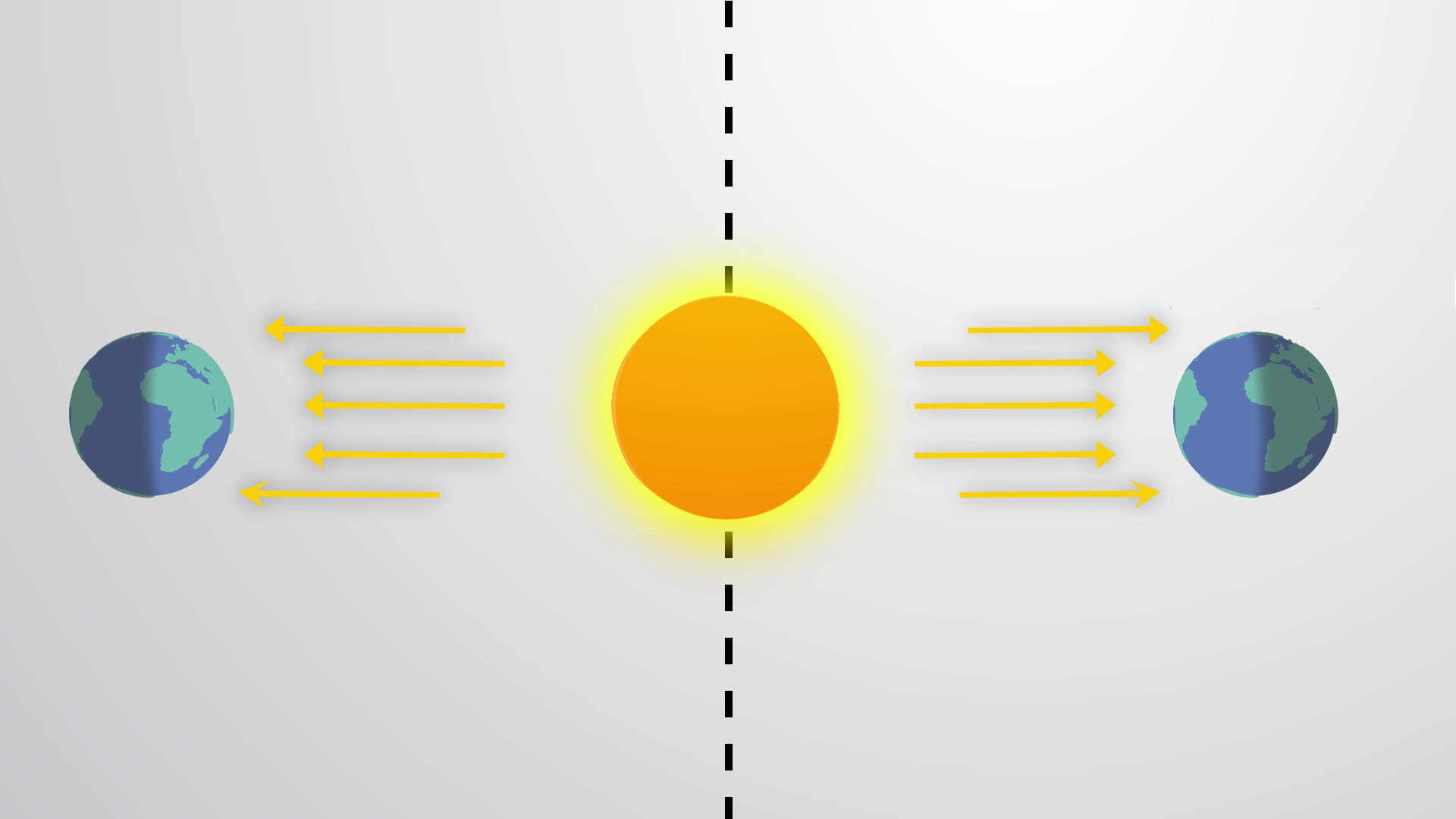
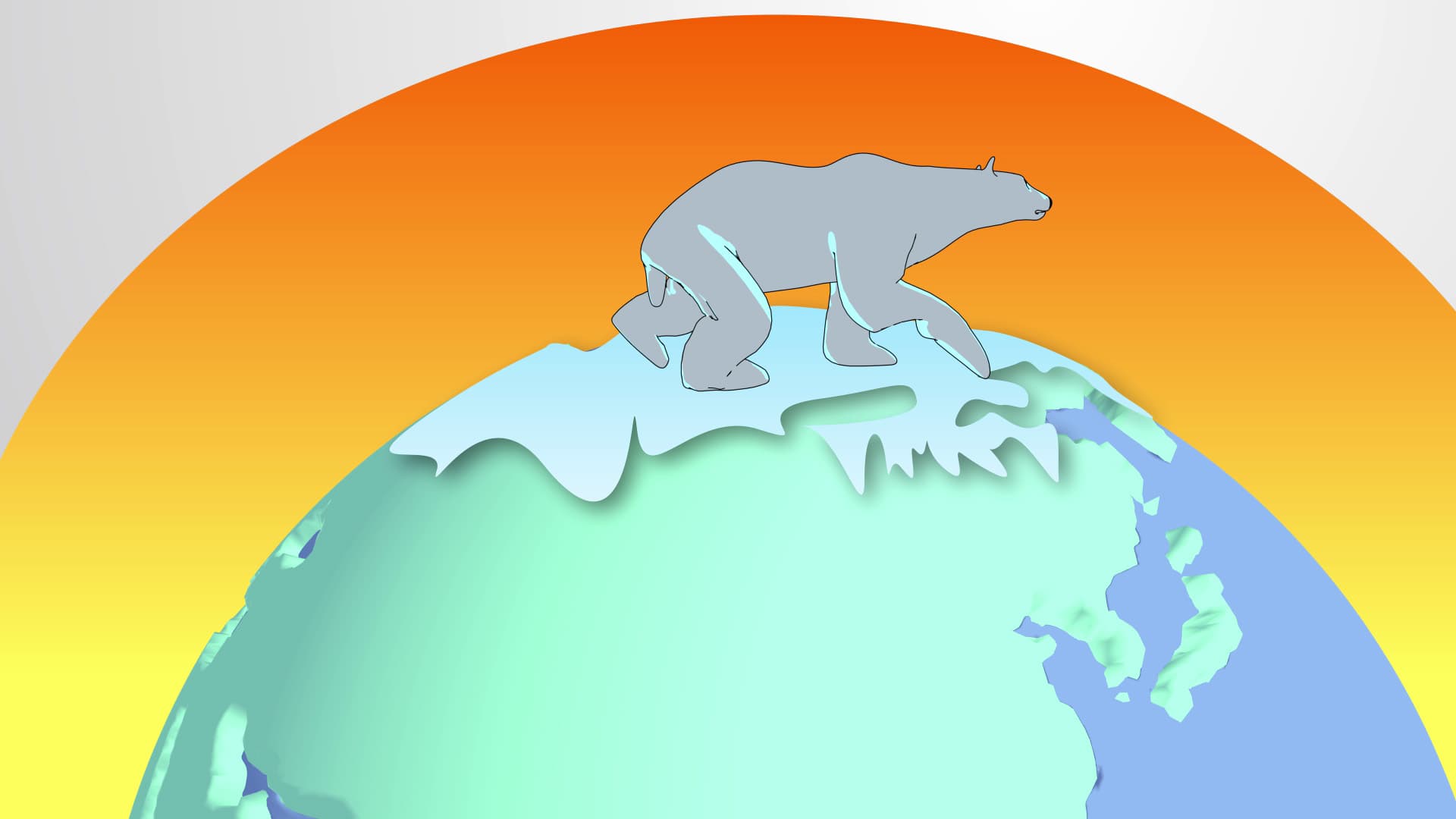
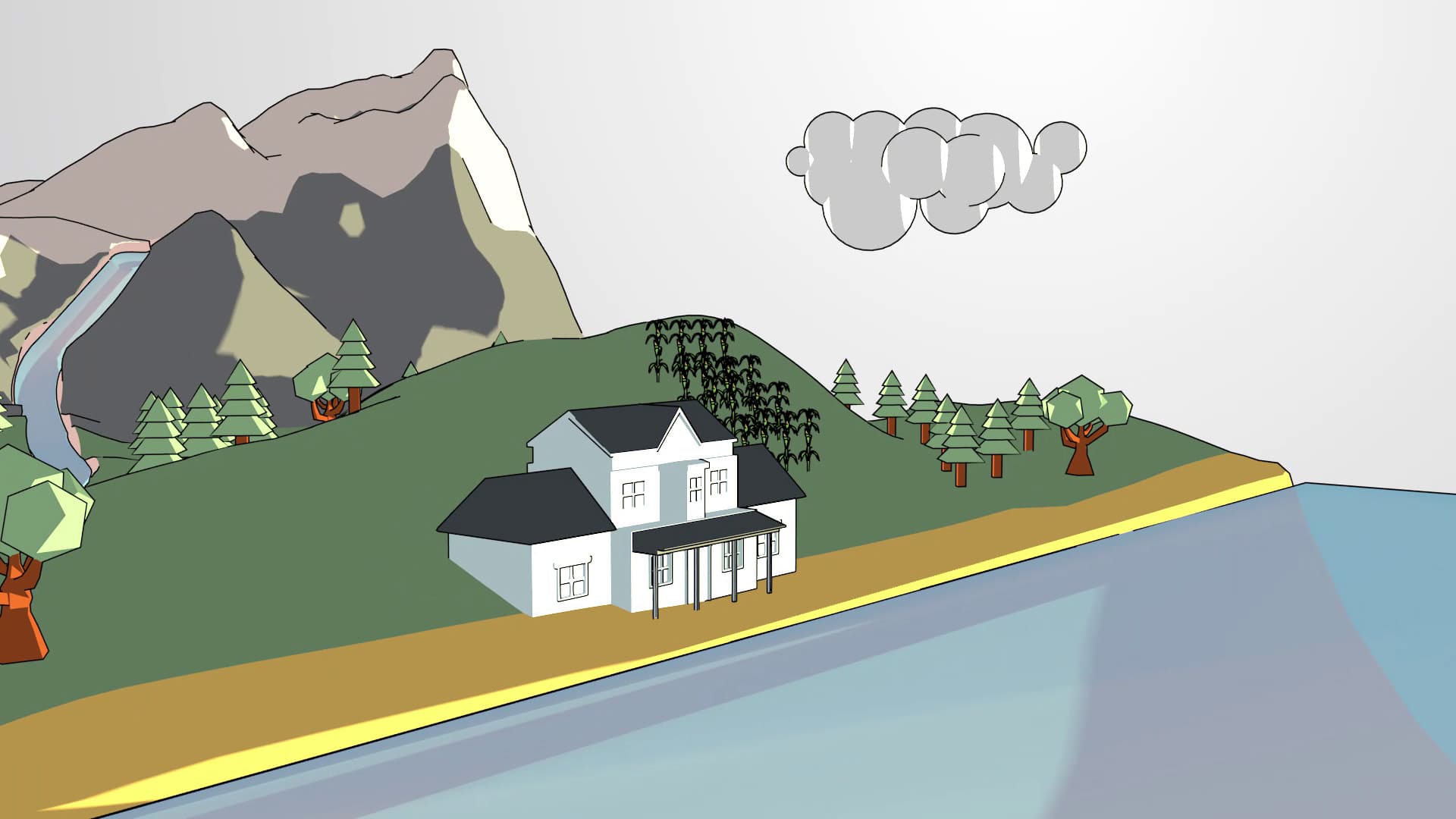
Global Climate Change

00:00
01:50
Video Summary: What Is Global Climate Change
Did you know that Miami Beach regularly floods during high tide even on sunny days? Global climate change represents the unprecedented warming of Earth's atmosphere due to human activities, breaking natural temperature cycles that have existed for millennia. Unlike natural climate variations, current warming stems from excess greenhouse gases trapping heat-a process already transforming ecosystems from Alaska's melting permafrost to California's shifting wildfire patterns. Watch the full video on JoVE Coach to master this concept with expert-led visuals and step-by-step explanations.
- Understand what is global climate change and distinguish it from natural climate variations throughout Earth's history
- Identify the primary greenhouse gases responsible for atmospheric warming and their sources in human activities
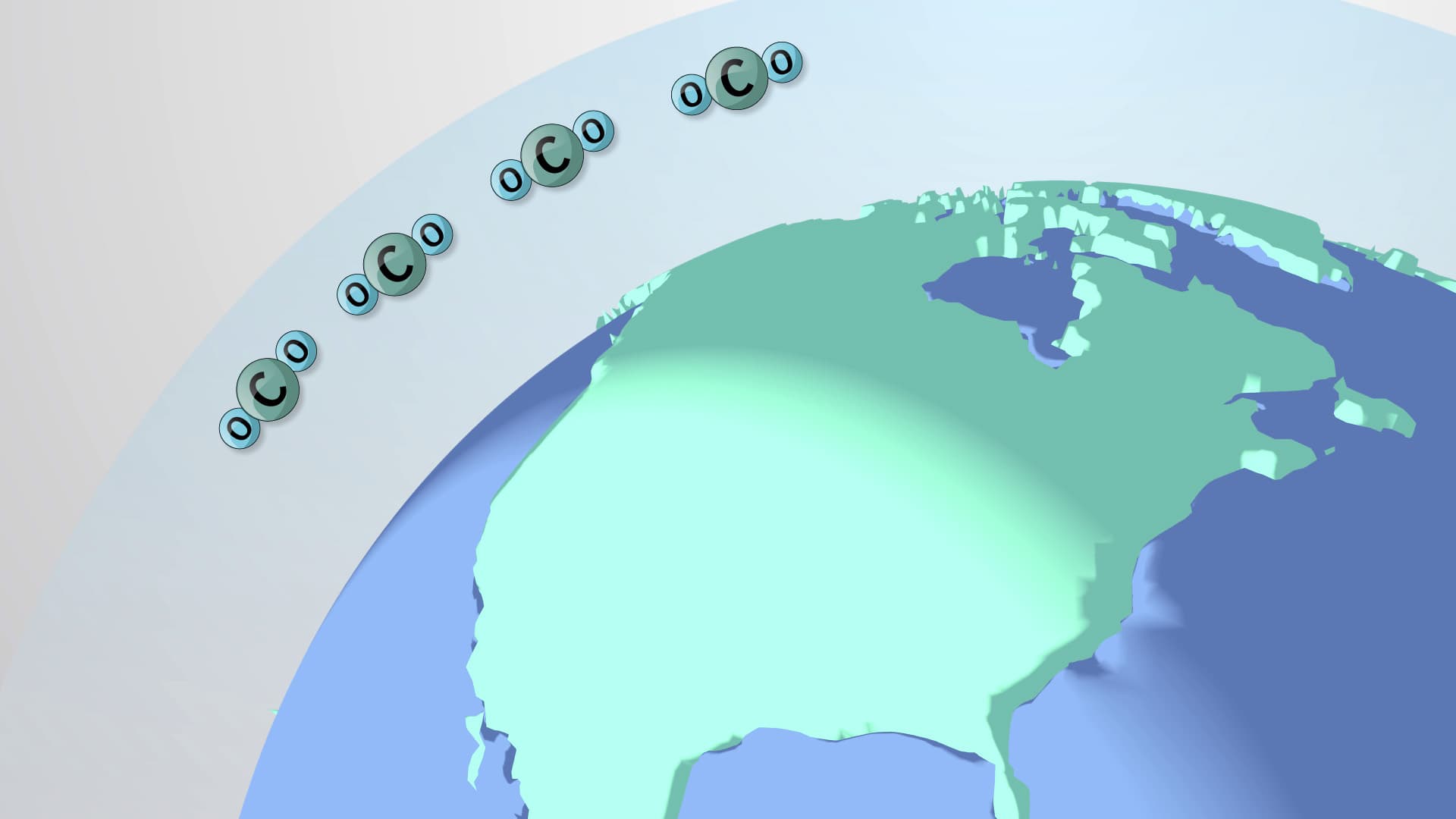
- Analyze the greenhouse effect mechanism and how carbon dioxide traps infrared radiation in Earth's atmosphere
- Compare current global warming rates with historical climate patterns to recognize unprecedented change
- Evaluate the environmental consequences of rising temperatures on polar ice caps, sea levels, and weather patterns
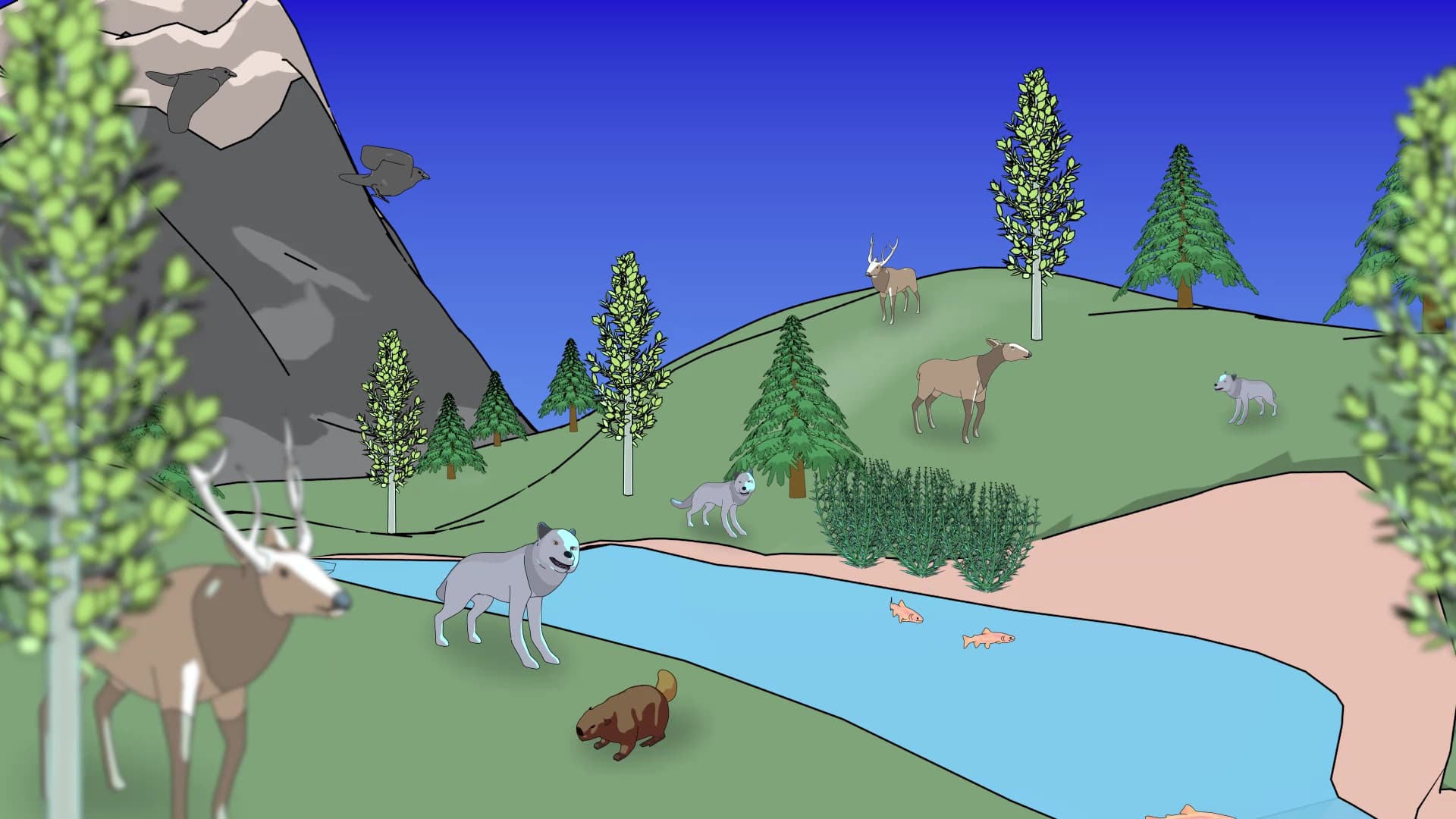
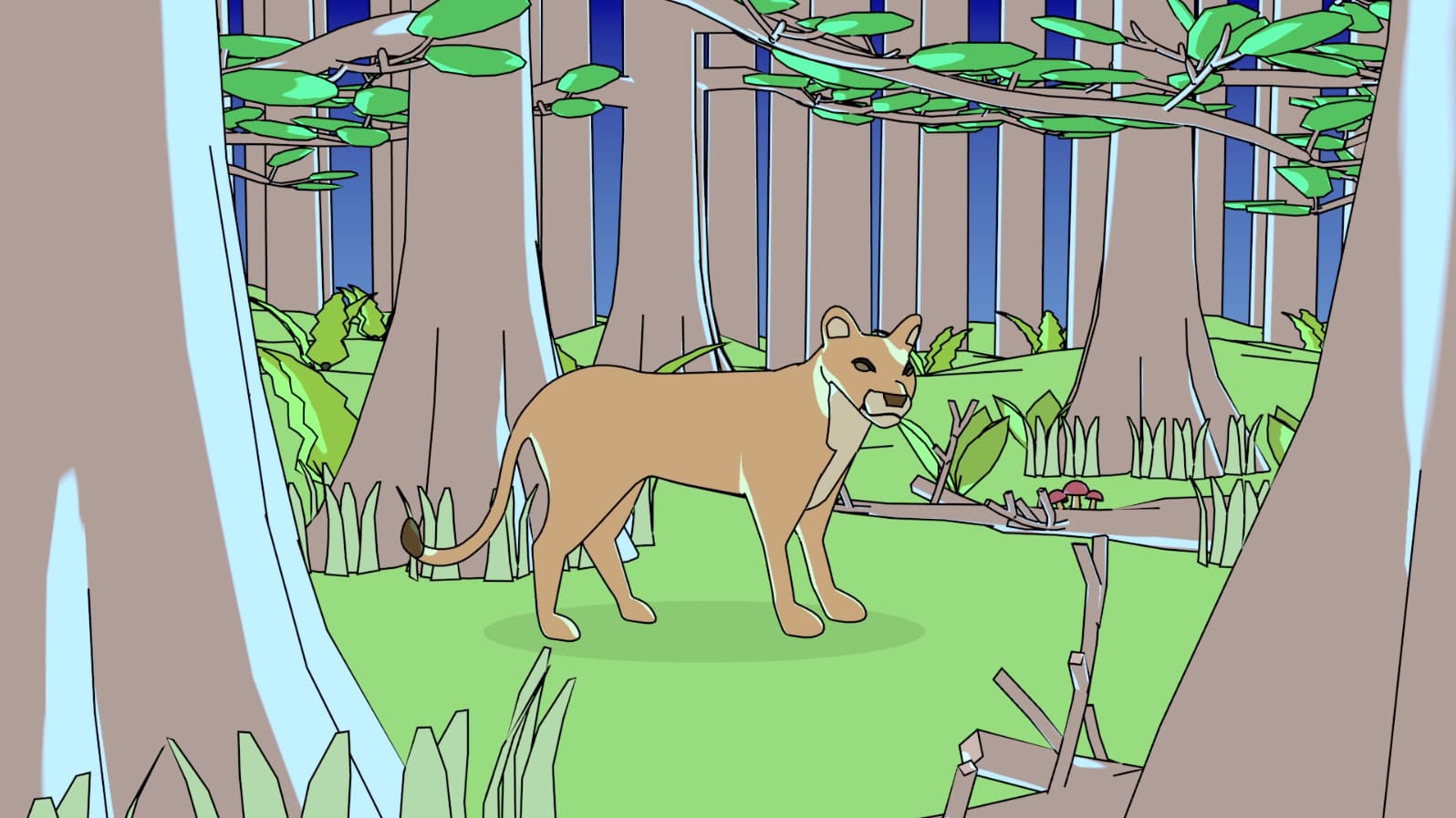
- Apply knowledge of climate change impacts to predict effects on animal migration, breeding patterns, and species distribution
- Recognize the connection between fossil fuel combustion and increased atmospheric carbon dioxide concentrations
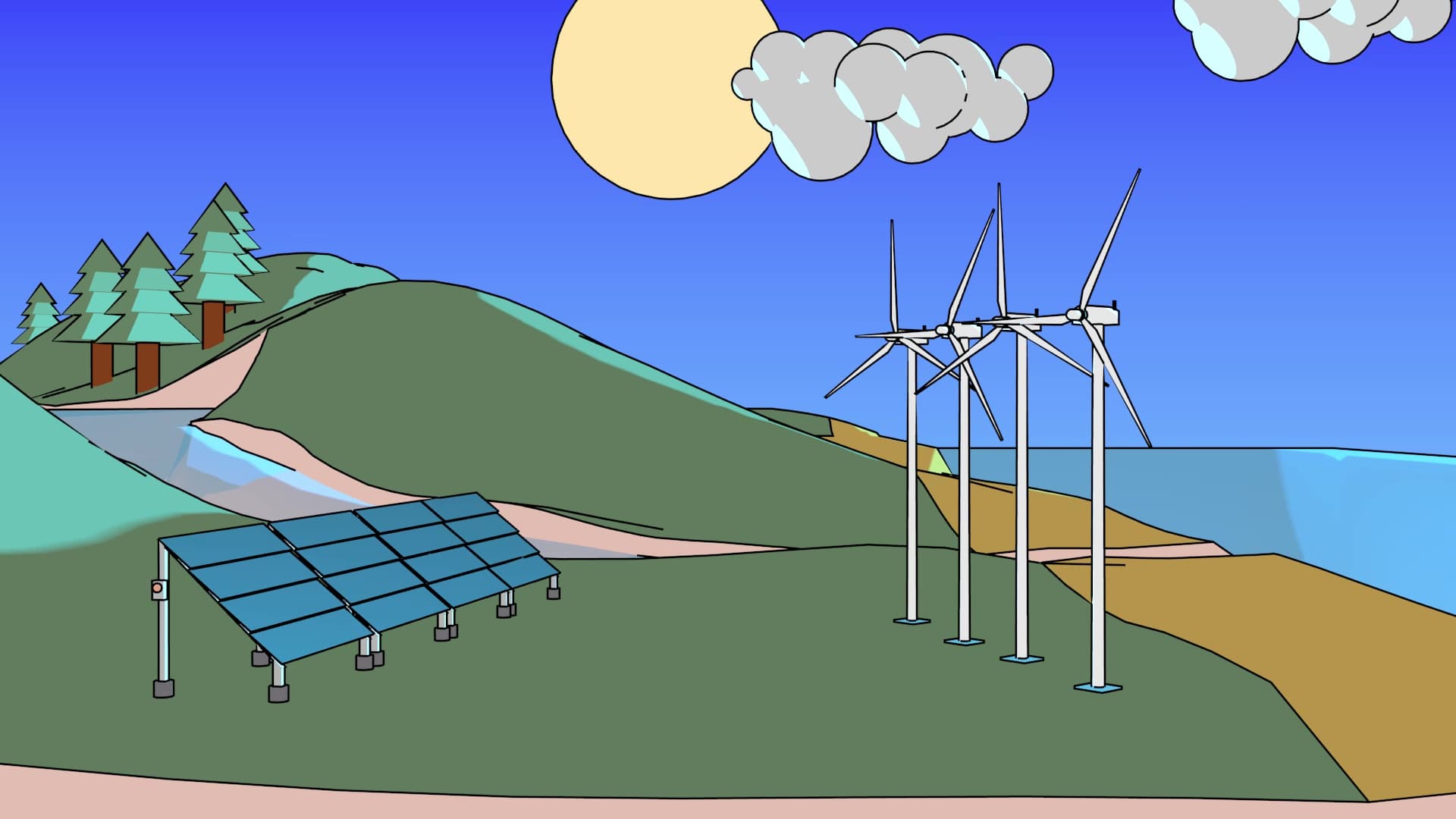
- Explore potential solutions and environmentally friendly practices that could mitigate climate change impacts
Understanding Global Climate Change: Beyond Natural Variation
What is global climate change fundamentally involves recognizing the difference between Earth's natural climate cycles and human-induced atmospheric warming. While Earth has experienced ice ages and warm periods over geological time scales, current global warming occurs at an unprecedented rate-approximately 1.1°C (2°F) since pre-industrial times. This rapid change breaks from the gradual temperature shifts that typically occur over thousands of years, making it a critical concern for ecosystems and human societies.
The Greenhouse Effect: Mechanism of Global Warming
The greenhouse effect operates through atmospheric gases that selectively absorb and re-emit infrared radiation. Carbon dioxide (CO2), the primary driver of current climate change, absorbs longwave radiation at specific wavelengths (particularly around 15 micrometers) that Earth emits after absorbing solar energy. This trapped energy raises atmospheric temperatures, similar to how glass panels warm a greenhouse. Methane (CH4) and nitrous oxide (N2O) also contribute significantly, with methane being roughly 25 times more potent than CO2 over a 100-year timeframe.
Observable Impacts Across American Landscapes
Climate change manifestations are increasingly evident across the United States. Alaska's Mendenhall Glacier has retreated over 2.5 miles since 1958, while Louisiana loses approximately 25 square miles of coastal wetlands annually due to sea-level rise. The timing of spring events-called phenology-has shifted dramatically: Washington's cherry blossoms now bloom 5-6 days earlier than in the 1950s, and many bird species in the Northeast migrate weeks ahead of historical patterns.
Academic and Testing Context
For students preparing for AP Environmental Science, SAT Subject Tests, or college-level Earth Science courses, understanding climate change requires mastering energy balance concepts, carbon cycle dynamics, and feedback mechanisms. The MCAT may test greenhouse gas molecular properties and their absorption spectra, while AP Biology examines ecosystem disruption and species adaptation. College environmental science courses emphasize quantitative analysis of temperature data, ice core records, and climate modeling-skills essential for understanding both current trends and future projections in a rapidly changing global climate system.
Frequently Asked Questions
Global climate change refers to the long-term warming of Earth's atmosphere caused primarily by human activities that increase greenhouse gas concentrations. Unlike natural climate variations that occur over millennia, current warming has accelerated dramatically since the Industrial Revolution due to fossil fuel combustion, deforestation, and industrial processes.
The MCAT tests molecular mechanisms of greenhouse gas absorption, while AP Environmental Science emphasizes human impacts, mitigation strategies, and data interpretation. Both exams require understanding carbon cycle disruption, feedback loops, and the distinction between weather variability and long-term climate trends. Practice analyzing temperature graphs, ice core data, and atmospheric CO2 measurements from sources like NOAA.
Focus on measurable, documented changes like California's extended drought periods, increased hurricane intensity in the Gulf Coast, Arctic sea ice loss affecting Alaskan communities, and coral bleaching in Florida's reefs. These concrete examples demonstrate your understanding of regional climate impacts and their socioeconomic consequences, strengthening analytical essay responses.
Not at all-the core concepts build on fundamental chemistry and physics principles you already know. Understanding molecular absorption of infrared radiation, energy conservation, and basic atmospheric science provides the foundation. Start with the greenhouse effect mechanism, then explore specific impacts and human contributions to make the topic manageable and relatable.
Create concept maps linking greenhouse gases, their sources, absorption mechanisms, and environmental consequences. Practice interpreting data graphs showing temperature trends, atmospheric CO2 levels, and regional impacts. Focus on cause-and-effect relationships rather than memorizing isolated facts, and use real examples from US environmental monitoring agencies like EPA and NOAA.
Climate change intersects with ecosystem dynamics, biodiversity conservation, water resource management, and environmental policy. It provides context for studying ocean acidification, habitat fragmentation, and species conservation strategies. This foundational knowledge supports advanced coursework in environmental engineering, atmospheric science, and sustainability studies.
Investigate climate feedback mechanisms, renewable energy technologies, and carbon capture strategies. Explore regional climate modeling, environmental justice implications, and international policy frameworks like the Paris Agreement. These advanced topics prepare you for college-level environmental science coursework and potential careers in climate research or environmental consulting.
Related Micro-courses