Loading subject page…

- Biology
- Biodiversity and Conservation
- Sustainable Development
Micro-course: Biodiversity and Conservation
224,001 views
Learn key concepts and earn your certificate.



Sustainable Development

00:00
01:43
Video Summary: What Is Sustainable Development
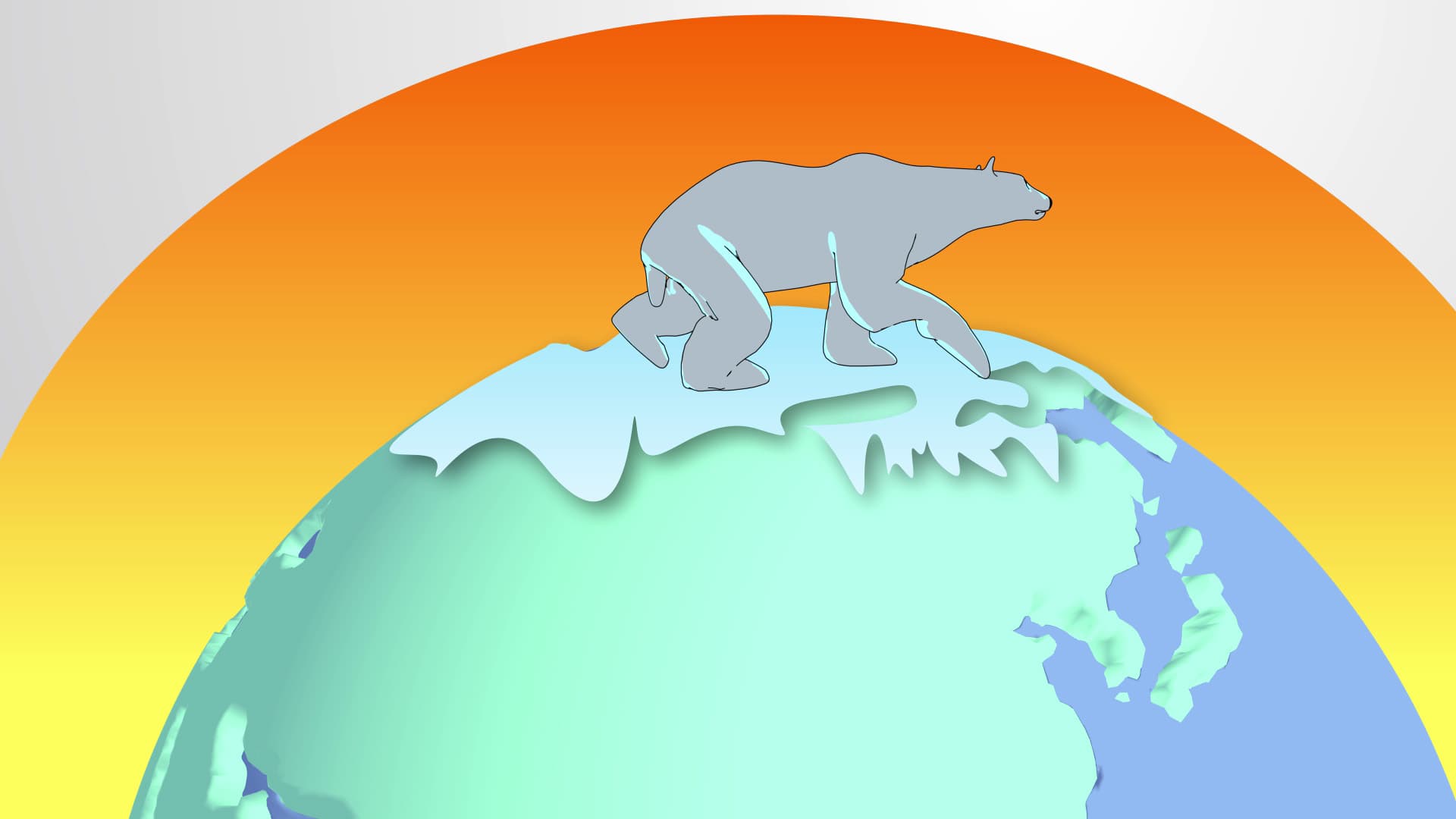
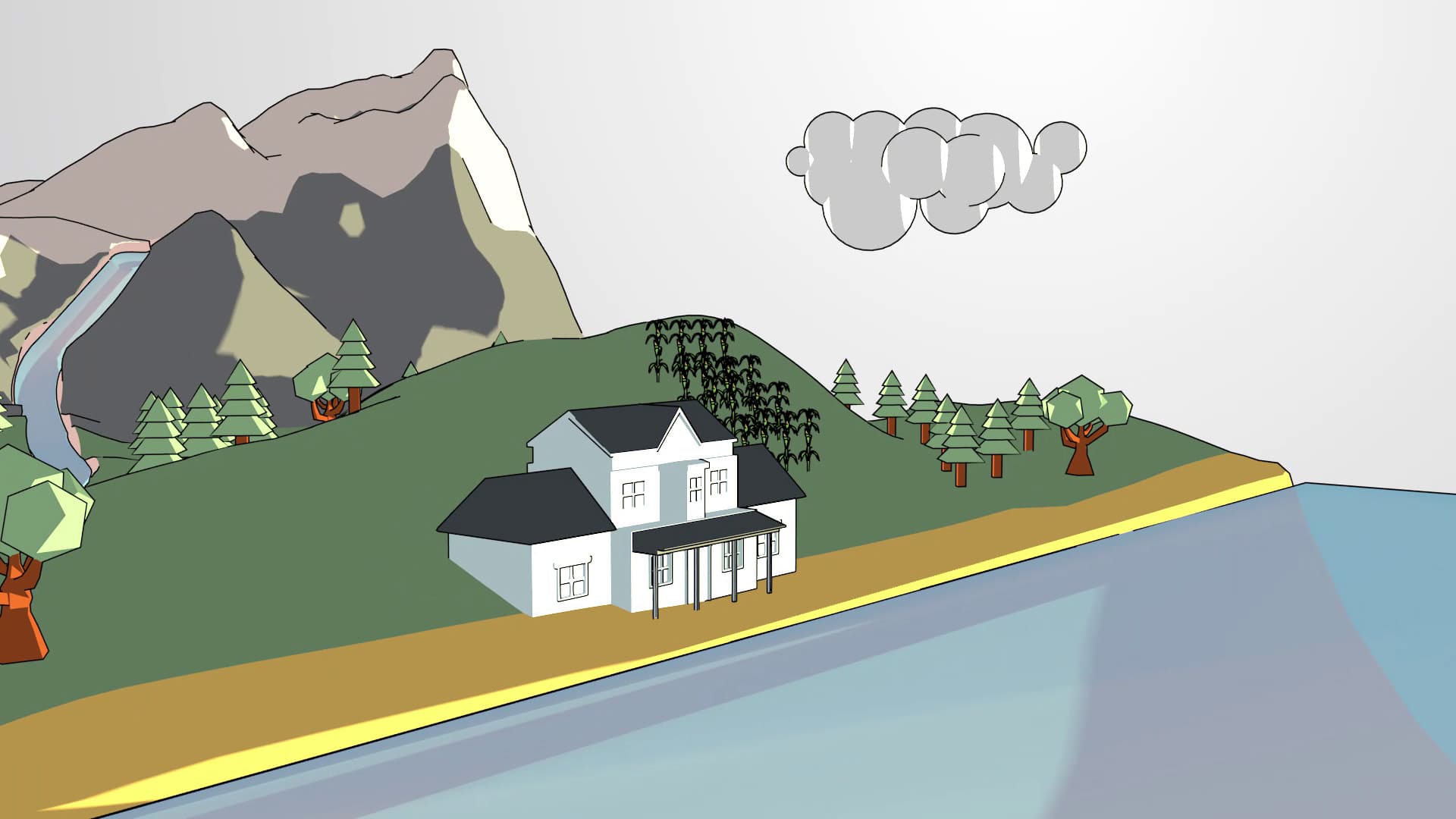
Did you know that Americans use 25% of the world's energy despite being just 4% of the global population? Sustainable development balances meeting today's needs while preserving resources for future generations, integrating social, economic, and ecological factors. California's renewable energy initiatives, like solar farms in the Mojave Desert, exemplify what is sustainable development in practice. Watch the full video on JoVE Coach to master this concept with expert-led visuals and step-by-step explanations.
- Understand what is sustainable development and how it integrates social, economic, and environmental dimensions
- Identify the three pillars of sustainable development and their interconnected relationships
- Analyze how human activities impact ecosystems and biodiversity conservation efforts
- Compare renewable energy sources to fossil fuels in addressing climate change challenges
- Evaluate sustainable agricultural practices like crop rotation for long-term food security
- Apply sustainable development principles to real-world environmental and policy decisions
- Recognize the finite nature of natural resources and energy sources
- Explore conservation strategies that balance human needs with ecological preservation
What is Sustainable Development: Core Principles
Sustainable development represents a comprehensive approach to progress that meets present needs without compromising future generations' ability to meet their own needs. This concept emerged from growing awareness that traditional development models-focused solely on economic growth-often depleted natural resources and damaged ecosystems. The framework rests on three interconnected pillars: environmental protection, economic development, and social equity, often called the "triple bottom line."
The Three Pillars Framework
The environmental pillar emphasizes preserving natural resources, protecting biodiversity, and minimizing pollution. The economic pillar focuses on creating prosperity while using resources efficiently. The social pillar ensures equitable distribution of benefits and opportunities across all communities. These pillars work synergistically-environmental degradation undermines economic stability, while social inequality can lead to unsustainable resource exploitation.
Energy Systems and Climate Solutions
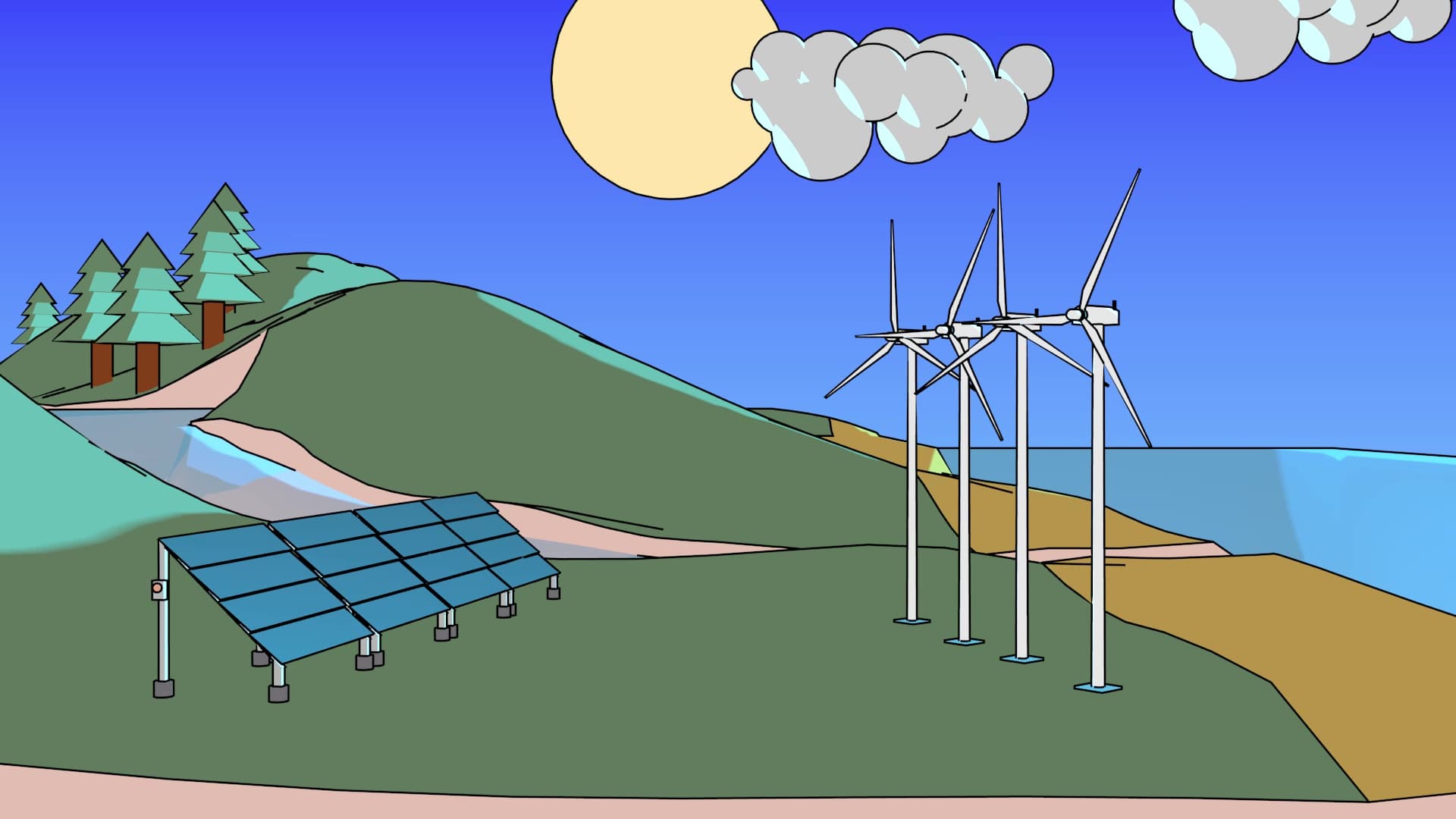
America's energy transition illustrates sustainable development principles in action. The U.S. generates over 20% of electricity from renewable sources, with states like Texas leading wind energy production and California pioneering solar technology. This shift addresses climate change while creating jobs and reducing dependence on imported fossil fuels. Students studying for AP Environmental Science exams should understand how renewable energy technologies like photovoltaic cells and wind turbines convert natural forces into usable electricity without depleting resources.
Sustainable Agriculture and Food Security
Agricultural sustainability becomes critical as the U.S. feeds both domestic and international populations. Practices like crop rotation-alternating corn with soybeans in Midwest farmlands-maintain soil fertility naturally, reducing chemical fertilizer needs. Precision agriculture uses GPS technology and data analytics to optimize water and nutrient application, maximizing yields while minimizing environmental impact. These concepts frequently appear in college-level biology and environmental science courses, particularly when discussing ecosystem services and resource management.
Real-World Applications and Assessment
Sustainable development principles guide policy decisions from local zoning laws to international climate agreements. The LEED certification system for green buildings demonstrates how sustainability metrics can be quantified and implemented. Students preparing for standardized tests like the SAT Subject Tests in Biology or college entrance exams should focus on understanding cause-and-effect relationships between human activities and environmental outcomes, as these connections form the foundation of sustainable development thinking.
Frequently Asked Questions
Sustainable development balances meeting current needs while preserving resources for future generations through integrated environmental, economic, and social approaches. Understanding this concept is crucial for students as it appears in AP Environmental Science exams, college biology courses, and provides framework for analyzing modern environmental challenges. It also prepares students for careers in environmental consulting, policy-making, and green technology sectors.
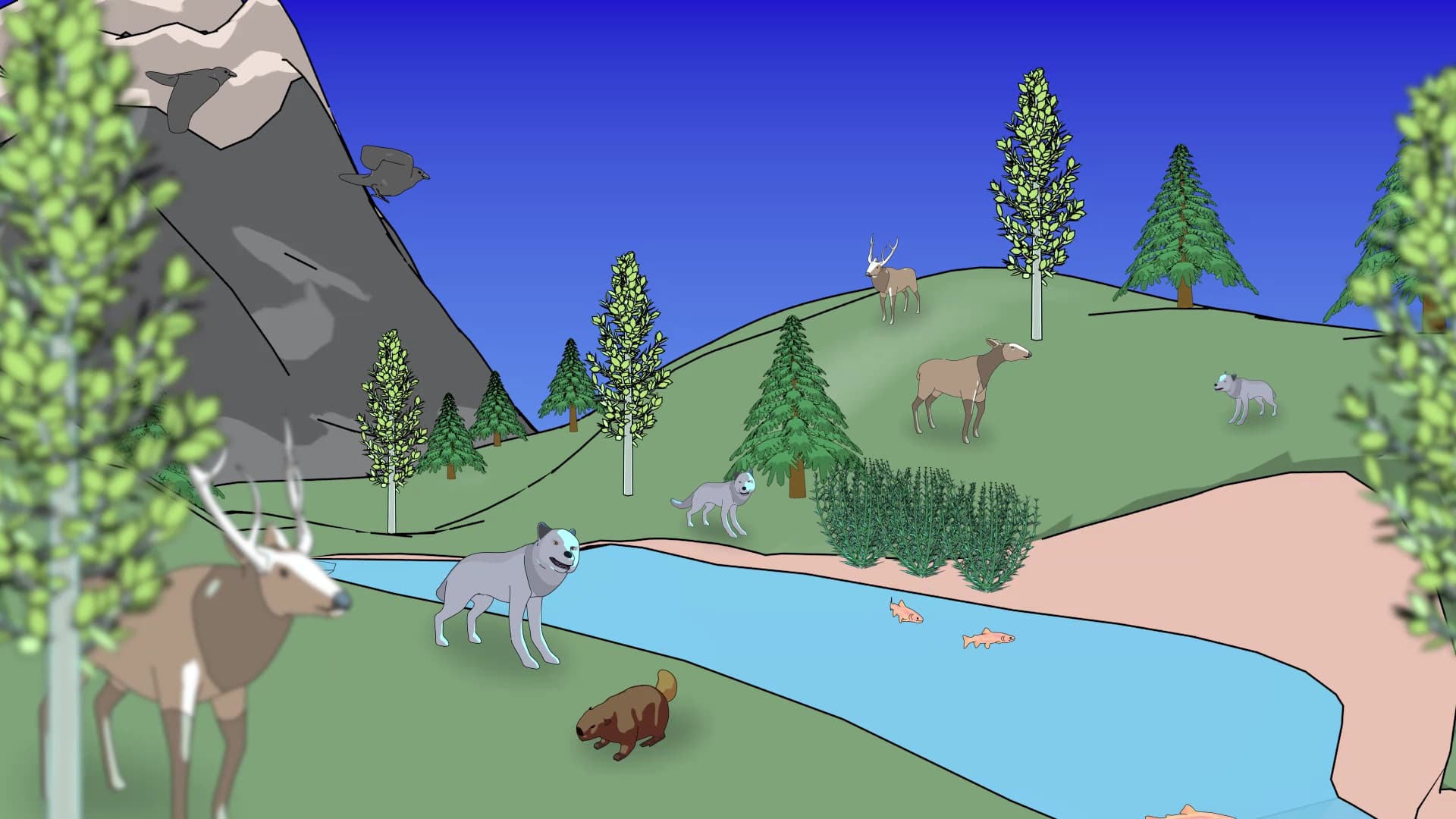
AP Environmental Science exams frequently test sustainable development through multiple-choice questions about renewable energy, case studies of conservation projects, and free-response questions requiring students to analyze environmental policies. Students must understand the three pillars framework and apply it to scenarios like urban planning, agricultural practices, or climate change mitigation strategies. Practice with real examples like California's cap-and-trade program or the Yellowstone wolf reintroduction.
College entrance exams like the SAT may include reading passages about climate change, renewable energy, or conservation biology that test critical thinking about sustainable practices. Students should be prepared to analyze data from environmental studies, interpret graphs showing resource consumption trends, and understand vocabulary related to ecosystem services and biodiversity conservation. The MCAT also tests environmental science concepts in its biological foundations section.
The restoration of the Chesapeake Bay demonstrates comprehensive sustainable development, combining environmental restoration with economic benefits for Maryland and Virginia communities. This project involves reducing agricultural runoff, restoring oyster reefs, and implementing sustainable fishing practices while supporting local economies through eco-tourism and sustainable seafood industries. The initiative shows how environmental health directly connects to economic prosperity and social well-being in coastal communities.
Sustainable development is highly accessible to high school students because it builds on everyday experiences like recycling, energy conservation, and environmental awareness. The concept requires no advanced mathematics and connects directly to current events and local environmental issues. Students can start by examining their own community's sustainability practices, making the abstract concept concrete and personally relevant.
Focus on understanding the three-pillar framework and practice applying it to different scenarios rather than memorizing definitions. Create concept maps linking environmental problems to sustainable solutions, study specific examples like renewable energy projects in different U.S. states, and practice interpreting environmental data graphs. Review case studies from your textbook and connect them to current environmental policies and initiatives you see in the news.
After mastering sustainable development, explore related topics like ecological footprint calculations, life cycle assessments, and environmental economics. Study specific conservation strategies like habitat restoration, sustainable forestry practices, and green infrastructure design. These advanced topics build directly on sustainable development principles and frequently appear in college-level environmental science and policy courses.
Related Micro-courses