Loading subject page…


224,001 views

Video Summary: What Is Threats to Biodiversity
Did you know that Earth is currently experiencing its sixth mass extinction, with species disappearing at rates 1,000 times faster than natural background rates? Understanding threats to biodiversity reveals how human activities drive this unprecedented crisis. From the decline of monarch butterflies due to habitat loss across the American Midwest to overfishing of Atlantic cod off New England's coast, these threats reshape ecosystems nationwide. Watch the full video on JoVE Coach to master this concept with expert-led visuals and step-by-step explanations.
Threats to biodiversity represent the various human-driven factors causing the current sixth mass extinction, formally known as the Holocene extinction. Unlike previous mass extinctions caused by asteroid impacts or volcanic eruptions, this crisis stems directly from human activities that have intensified since the Industrial Revolution. Scientists categorize these threats into four main areas: habitat loss, overexploitation, invasive species, and climate change.
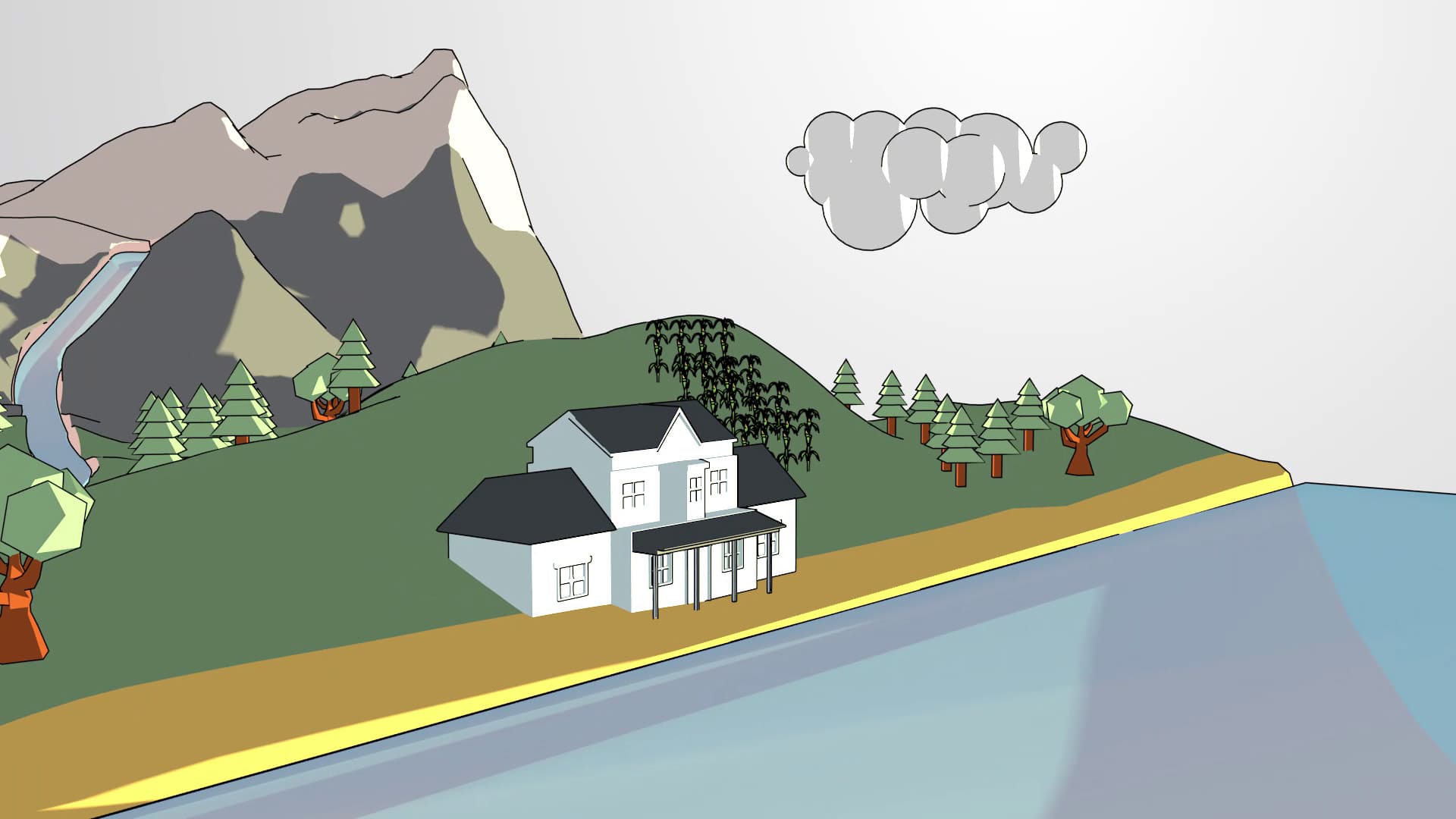
Habitat destruction ranks as the leading cause of biodiversity loss globally and within the United States. Urban sprawl across California's Central Valley has eliminated over 95% of native grasslands, pushing species like the San Joaquin kit fox toward extinction. Agricultural expansion fragments remaining habitats into isolated patches too small to support viable populations. This fragmentation creates "edge effects" where forest interiors become exposed to increased light, temperature fluctuations, and invasive species penetration.
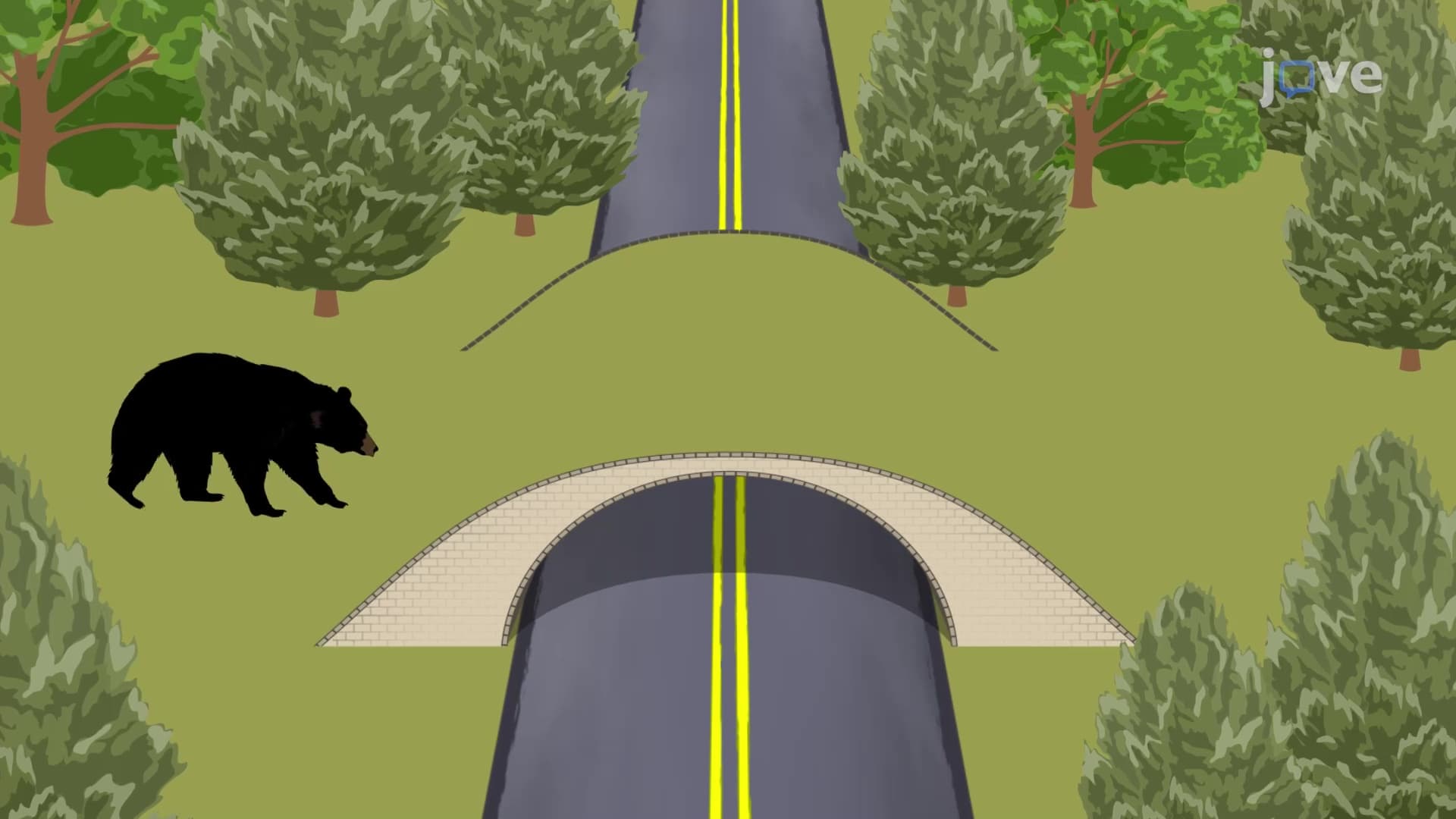
Students preparing for AP Environmental Science exams should understand that habitat corridors-strips of natural habitat connecting fragmented areas-represent crucial conservation strategies. The Yellowstone to Yukon Conservation Initiative exemplifies large-scale corridor planning across the American West.
Overexploitation occurs when humans harvest species faster than they can reproduce and recover. Commercial fishing provides stark examples: Atlantic bluefin tuna populations declined by over 80% due to high demand from sushi markets. Similarly, American ginseng faces harvest pressures in Appalachian forests for traditional medicine exports.
College biology courses emphasize maximum sustainable yield concepts, where harvest rates balance with reproductive capacity. Understanding these principles helps students analyze case studies on MCAT practice exams and environmental science assessments.
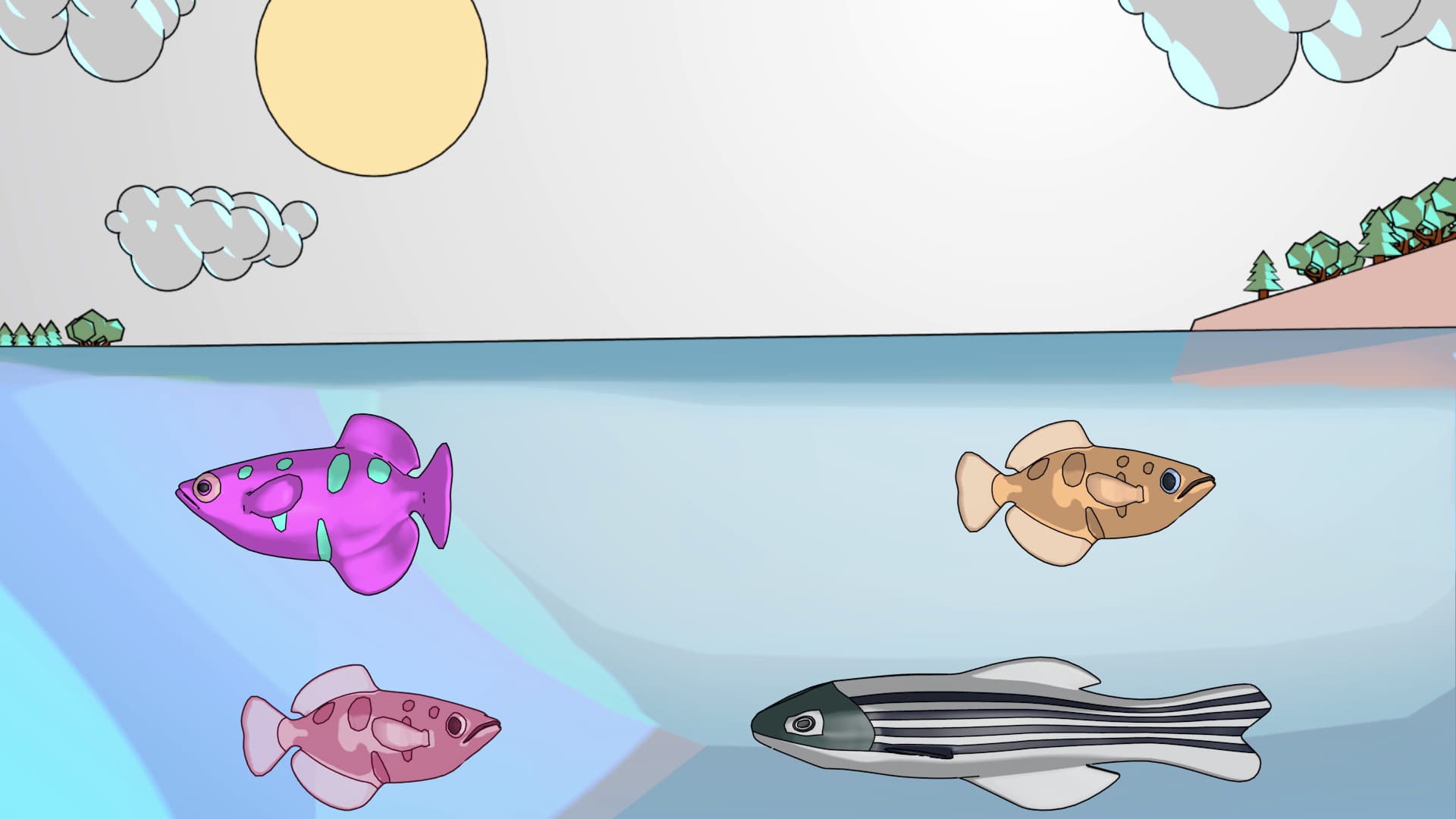
Non-native species introductions create cascading ecosystem effects. Zebra mussels, introduced through Great Lakes shipping, now cost billions annually in infrastructure damage while depleting plankton that native fish depend upon. Burmese pythons in the Florida Everglades have reduced mammal populations by over 90% in some areas.
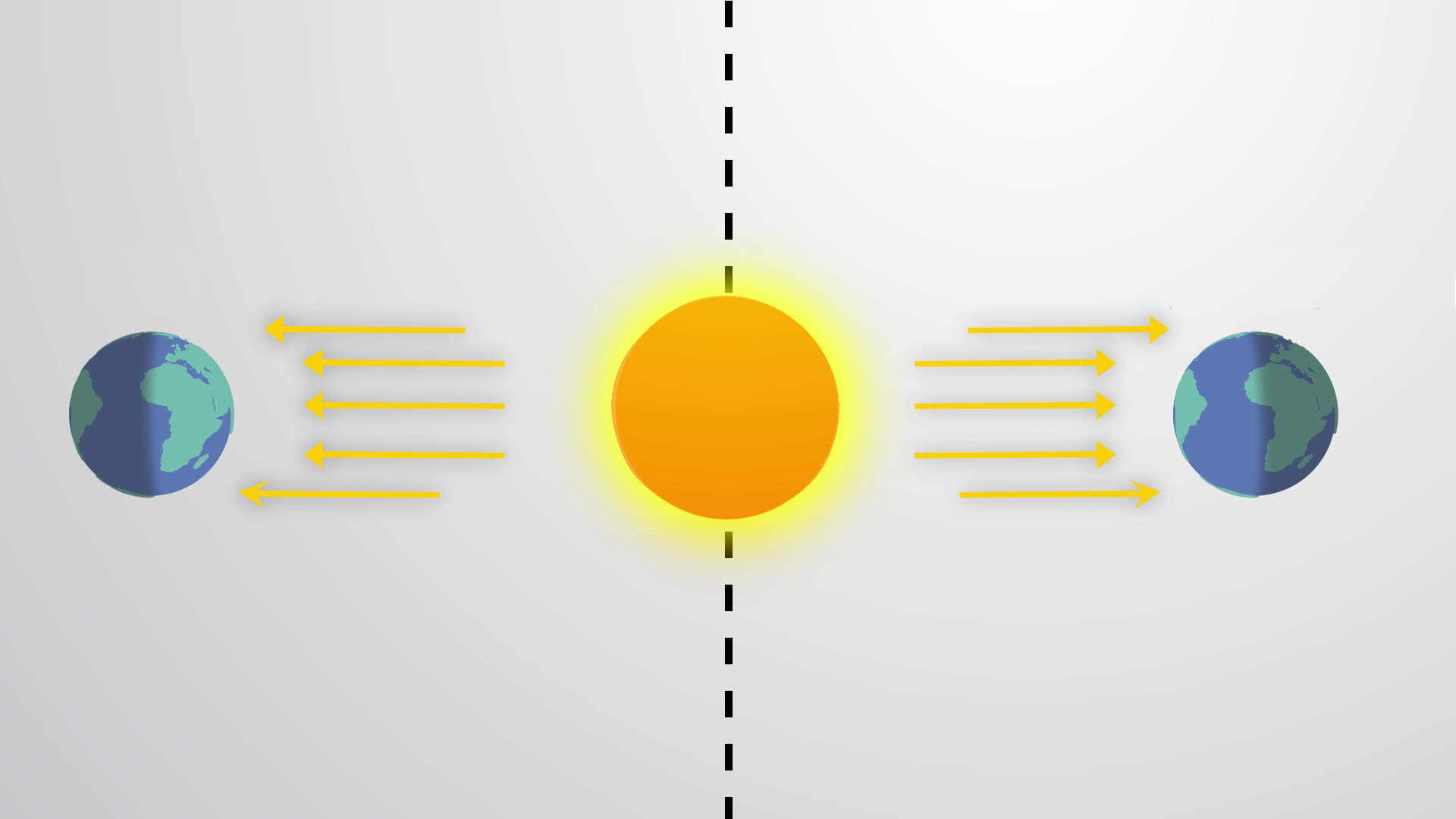
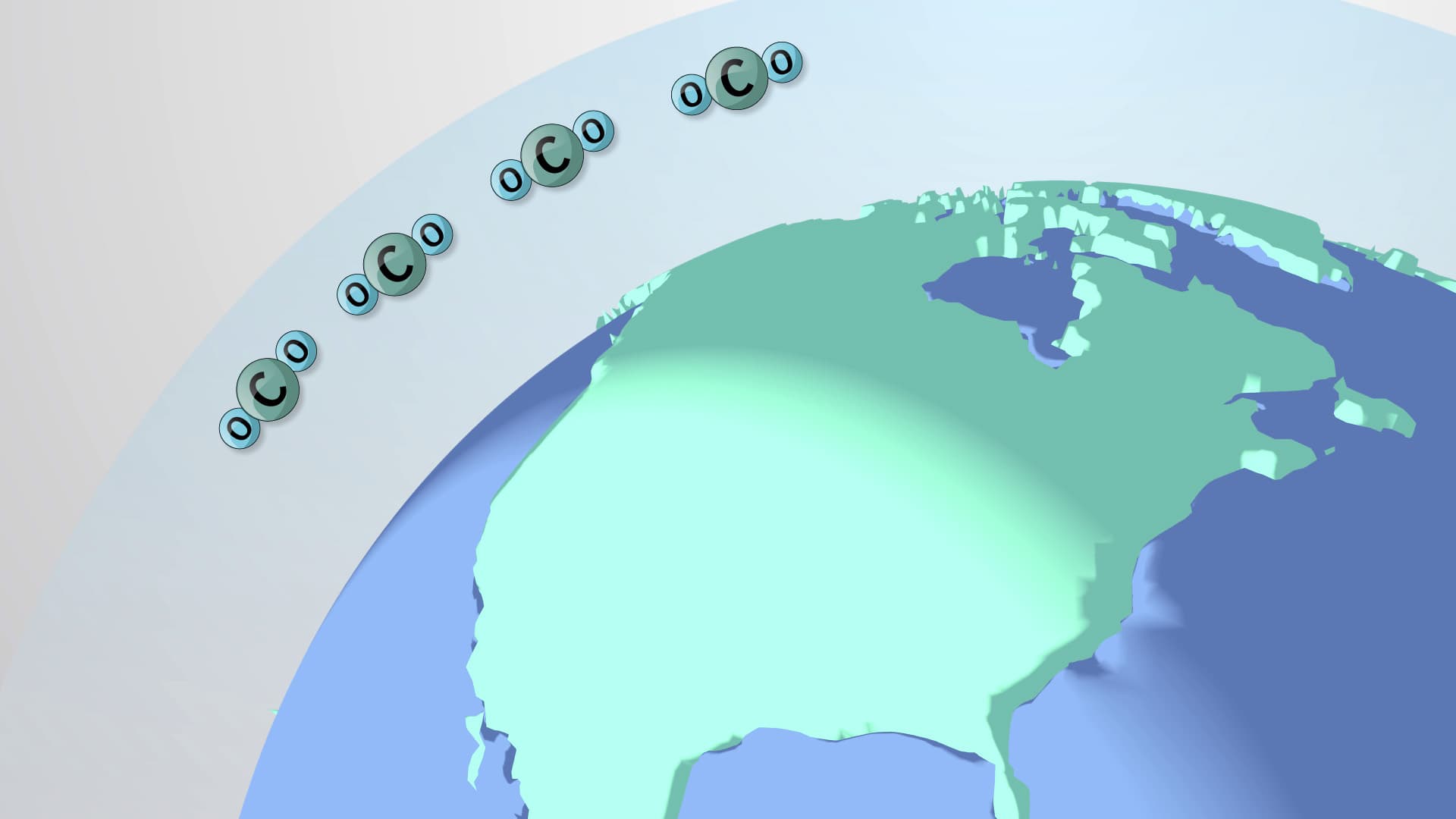
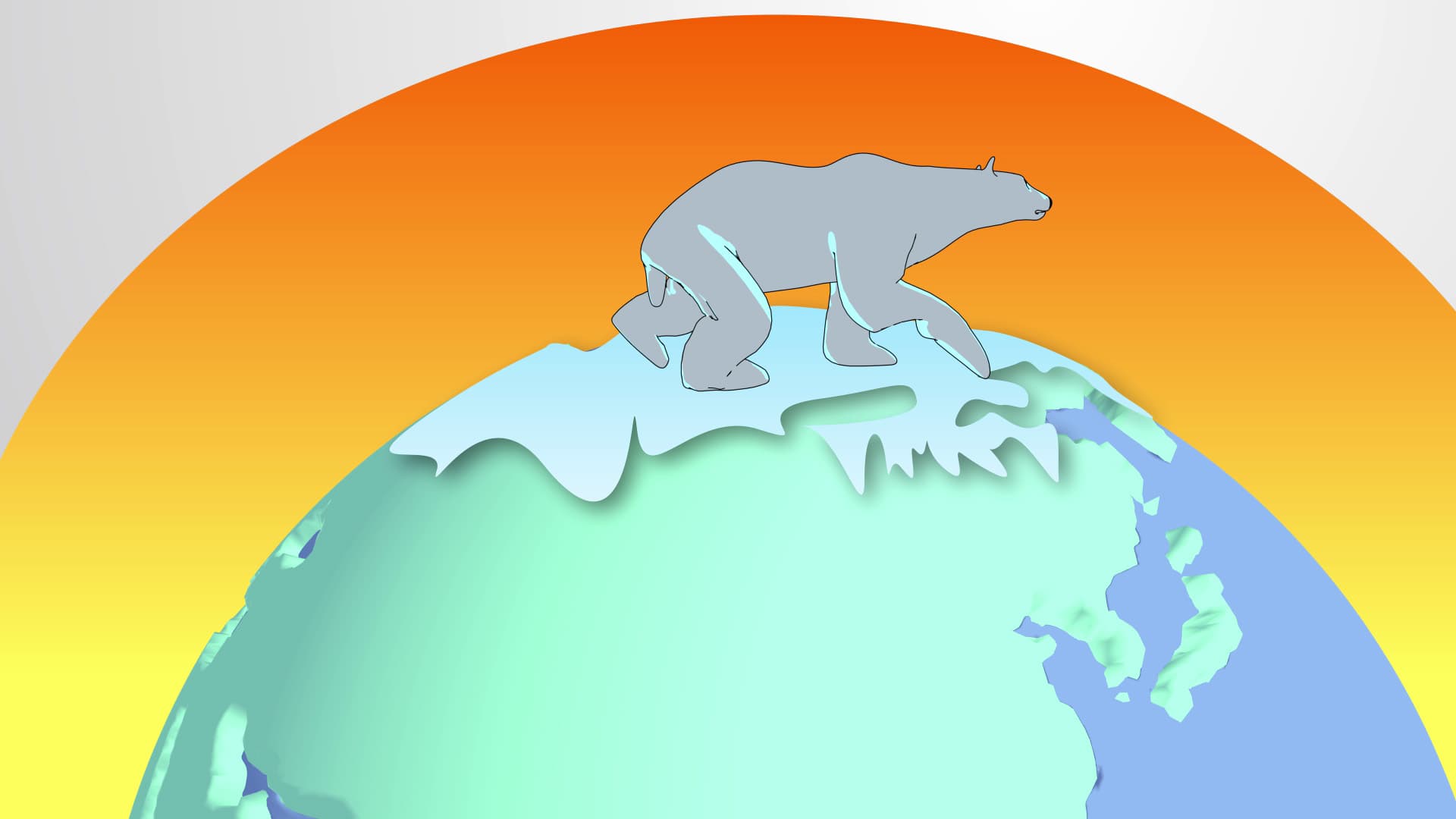
Rising global temperatures alter species distributions and timing of biological events. Earlier spring warming disrupts pollinator-plant synchronization, while sea level rise threatens coastal wetland habitats along the Eastern Seaboard. These changes particularly impact species with limited mobility or specific habitat requirements.
Related Micro-courses