Loading video…


 21 Concepts
 2M views

Video Summary: What are Carbon Skeletons
Ever wonder how gasoline, plastics, and even your DNA all share the same basic building blocks? Carbon skeletons biology chemistry reveals the fundamental framework that makes organic life possible. These carbon backbone organic structures form everything from the methane in natural gas pipelines across Texas to the complex proteins in your muscles. What are carbon skeletons? They're the structural foundation of all organic compounds, determining molecular shape and function through their arrangement patterns. Watch the full video on JoVE Coach to master this concept with expert-led visuals and step-by-step explanations.
Carbon skeletons biology chemistry represents one of the most fundamental concepts in organic chemistry and biochemistry. These structural frameworks consist of carbon atoms linked together through covalent bonds, creating the backbone upon which all organic molecules are built. The unique properties of carbon-particularly its ability to form four stable covalent bonds-make it the perfect element for creating the diverse molecular architectures essential for life.
Carbon's tetravalent characteristic allows each atom to form four covalent bonds, creating incredible structural diversity. This bonding capacity enables carbon to connect with hydrogen, oxygen, nitrogen, sulfur, and other carbon atoms in countless configurations. The organic carbon skeleton explained through this bonding pattern shows how simple building blocks create complex molecules. Students preparing for the AP Chemistry exam frequently encounter questions about carbon's bonding capacity and its implications for molecular geometry.
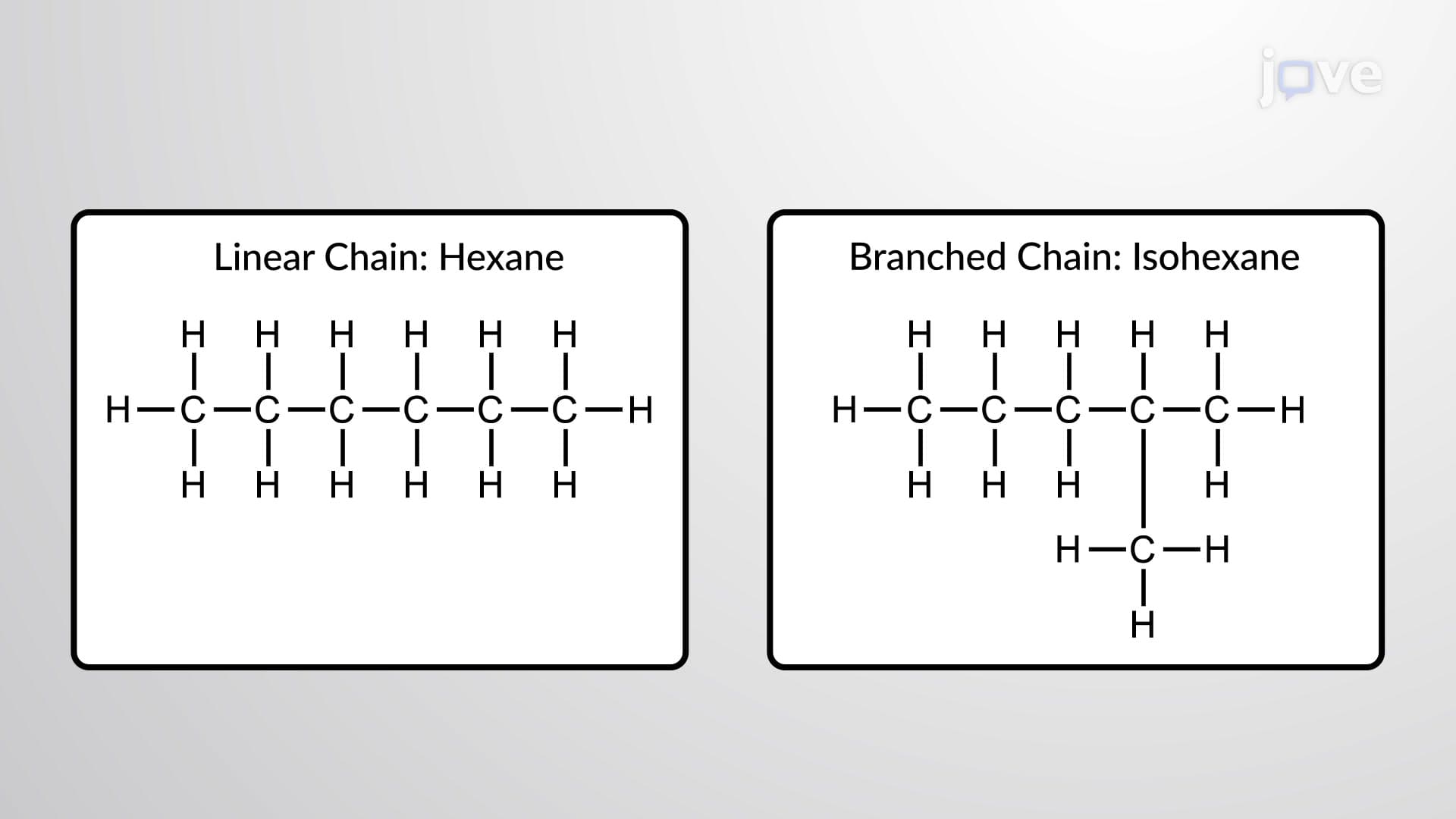
The carbon backbone organic structures demonstrate remarkable variety through different spatial arrangements. Linear unbranched chains, like those found in hexane (C6H14), create straight-chain hydrocarbons commonly found in gasoline and other petroleum products refined in US facilities. Branched structures, such as isohexane, feature side chains extending from the main branched chain carbon backbone, altering physical properties like boiling point and viscosity.
Structural isomers represent a crucial concept for MCAT preparation, as these molecules share identical molecular formulas but exhibit different properties due to their distinct arrangements. For example, hexane and isohexane both contain six carbon atoms and fourteen hydrogen atoms, yet their different structures result in varying physical and chemical characteristics that affect their industrial applications.
Hydrocarbon skeleton variety extends beyond simple chains to include ring structures and multiple bonding arrangements. Cyclohexane represents a common ring structure found in many biological molecules, while alkenes containing double bonds create additional complexity. These structural variations significantly impact how functional group carbon atoms interact with other molecules, influencing everything from pharmaceutical drug design conducted at US research institutions to the development of biodegradable plastics.
Understanding these concepts proves essential for success in college-level organic chemistry courses, where students must master the relationship between molecular structure and function. The principles of carbon skeleton organization directly apply to understanding protein folding, DNA structure, and metabolic pathway mechanisms-topics frequently tested on standardized exams like the MCAT and advanced placement tests.
Related Micro-courses