Loading video…

 21 Concepts
 2M views

Video Summary: What are Covalent Bonds
Ever wonder why water molecules stick together or why diamond is so incredibly hard? The secret lies in how covalent bonds explained through electron sharing creates the molecular foundation of life itself. From the plastic bottles we drink from to the DNA in our cells, covalent bonding governs countless materials we encounter daily in American households and industries. What are covalent bonds? They're the fundamental connections that allow atoms to share electrons and form stable compounds essential to everything from pharmaceuticals manufactured by US companies like Pfizer to the silicon chips powering our technology. Watch the full video on JoVE Coach to master this concept with expert-led visuals and step-by-step explanations.
Covalent bonds explained at their core represent nature's elegant solution for atoms to achieve stability through cooperation rather than competition. Unlike ionic bonds where electrons transfer completely from one atom to another, covalent bonding involves a shared electron pair covalent arrangement where atoms mutually contribute electrons to form lasting partnerships. This fundamental concept appears extensively in AP Chemistry curricula and forms the backbone of organic chemistry courses at universities like MIT and Stanford.
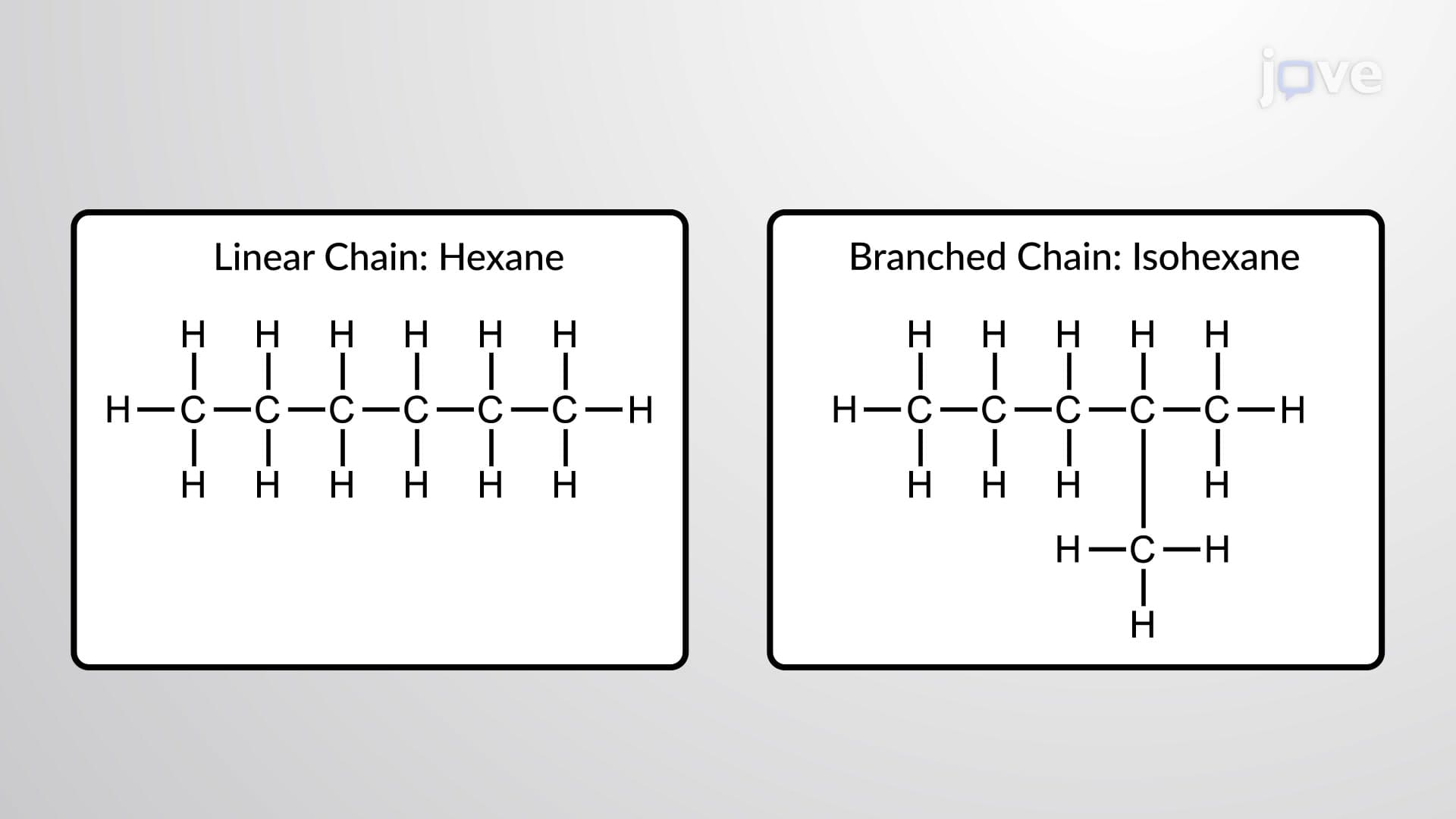
The strength and characteristics of covalent bond definition chemistry depend heavily on how many electron pairs atoms share. Single double triple bond formation follows predictable patterns based on atomic structure. Carbon, with four valence electrons, typically forms four single bonds (like in methane) or combinations of multiple bonds (like the double bonds in carbon dioxide). Students preparing for the MCAT encounter these concepts frequently, as understanding molecular covalent bonding proves essential for biochemistry and organic chemistry sections.
Oxygen provides an excellent example of double bonding - two oxygen atoms each contribute two electrons, creating a stable O=O molecule that comprises 21% of our atmosphere. This double bond makes oxygen gas significantly stronger than single-bonded molecules, requiring more covalent bond energy to break apart.
The distinction between polar nonpolar covalent bond types determines many molecular properties crucial for biological systems. When atoms with similar electronegativity (like carbon and hydrogen in hydrocarbons) share electrons equally, nonpolar covalent bonds result. However, significant electronegativity differences create polar bonds where electron density shifts toward the more electronegative atom.
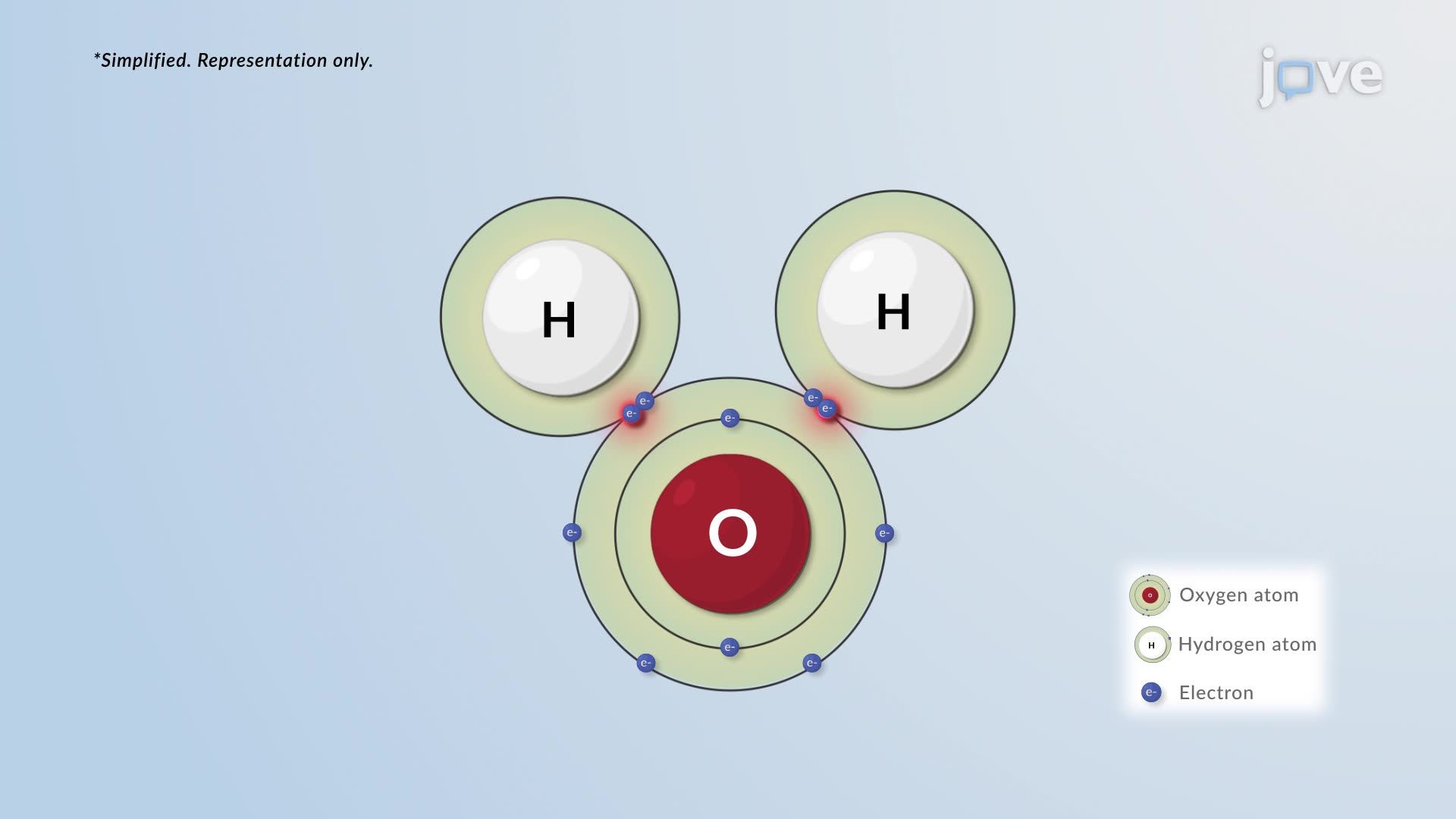
Water exemplifies polar covalent bonding perfectly - oxygen's high electronegativity pulls shared electrons away from hydrogen atoms, creating partial negative charges on oxygen and partial positive charges on hydrogen. This polarity enables hydrogen bonding, explaining water's unique properties like its high boiling point and its role as the "universal solvent" in biological systems studied extensively in US medical schools.
Understanding these concepts proves vital for success in standardized exams like the SAT Subject Test in Chemistry and college placement exams. Students at institutions like UCLA and University of Texas frequently encounter covalent bonding questions that require predicting molecular polarity, bond strength, and chemical behavior based on electron sharing patterns.
Related Micro-courses