Loading video…

 21 Concepts
 2M views

Video Summary: What are Molecular Shapes
Ever wonder why water droplets form perfect spheres or why DNA twists into its iconic double helix? Molecular shapes chemistry biology principles govern everything from the medications in your local CVS pharmacy to the proteins that keep you alive. What are molecular shapes becomes clear when we examine how electron pairs arrange themselves to minimize repulsion, creating predictable three-dimensional structures like water's bent geometry at 104.5 degrees. Watch the full video on JoVE Coach to master this concept with expert-led visuals and step-by-step explanations.
Molecular shapes represent the three-dimensional arrangement of atoms within molecules, determined by the spatial distribution of electron pairs around central atoms. This fundamental concept bridges chemistry and biology, explaining everything from why ice floats to how pharmaceutical companies at Johnson & Johnson design targeted medications.
The VSEPR theory geometry (Valence Shell Electron Pair Repulsion theory) provides the framework for predicting molecular shapes. Electron pairs-whether bonding or lone pairs-repel each other due to their negative charges, positioning themselves as far apart as possible in three-dimensional space. This repulsion creates predictable geometric patterns that students encounter on the AP Chemistry exam and college-level courses at institutions like MIT and Stanford.
Linear molecules like carbon dioxide (CO₂) and diatomic hydrogen (H₂) represent the simplest arrangements, with bond angles of 180 degrees. However, tetrahedral linear bent shapes become more complex with additional atoms. Methane (CH₄) exemplifies perfect tetrahedral geometry with 109.5-degree bond angles, while ammonia (NH₃) shows trigonal pyramidal shape due to one lone pair.
Water's bent molecular geometry, with its 104.5-degree bond angle shape molecule, demonstrates how lone pairs influence structure. The two lone pairs on oxygen occupy more space than bonding pairs, compressing the H-O-H angle below the ideal tetrahedral angle. This specific geometry grants water its unique properties-enabling life on Earth and making it an excellent solvent for biological processes.
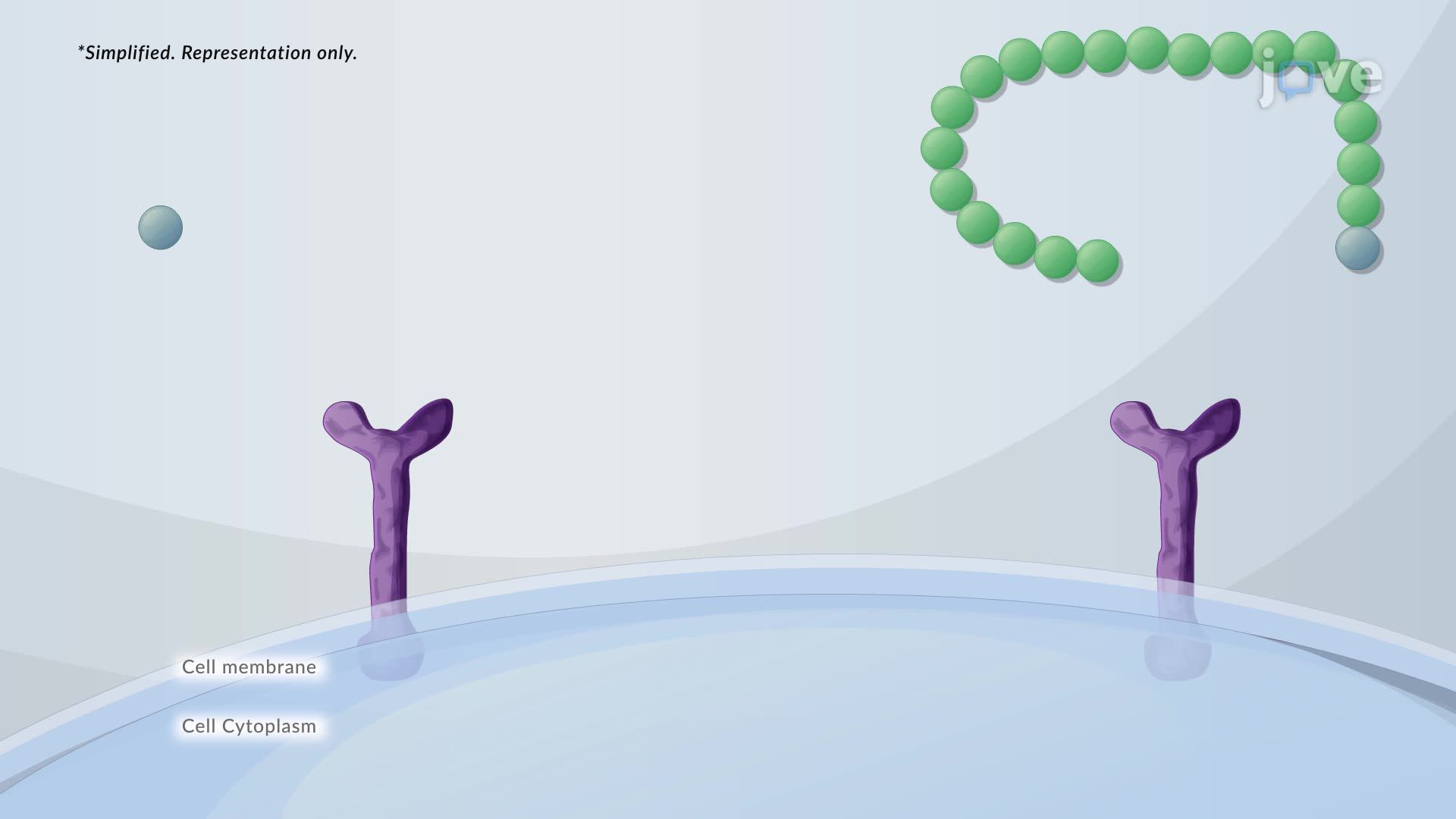
Molecular shape chemistry principles directly impact biological function through structure-specific recognition. Enzymes like those produced by Pfizer for metabolic disorders rely on precise molecular geometries to bind specific substrates. The lock-and-key model demonstrates how molecular shapes enable selective binding-only molecules with complementary shapes can interact effectively.
Pain management provides a striking example of shape-dependent biological activity. Morphine and other opiates mimic endorphin molecular geometry, allowing them to bind to the same receptors in the human nervous system. This shape similarity enables pharmaceutical companies to develop effective pain medications while highlighting the critical relationship between molecular geometry electron arrangements and biological activity.
Students preparing for the MCAT or advanced placement exams should recognize that molecular shapes influence properties like boiling points, solubility, and biological activity-concepts frequently tested in standardized assessments across American educational institutions.
Related Micro-courses