Loading video…


 21 Concepts
 2M views

Video Summary: What Is Vaporization
Ever wonder why stepping out of a swimming pool on a hot Texas summer day makes you feel instantly cooler? Vaporization biology chemistry processes explain this everyday phenomenon that keeps your body temperature regulated. Vaporization occurs when liquid water transforms into gas through energy absorption, whether from heat at the boiling point or surface evaporation. From the perspiration cooling marathon runners in Boston to plant transpiration in California's Central Valley, what is vaporization demonstrates nature's elegant cooling mechanisms. Watch the full video on JoVE Coach to master this concept with expert-led visuals and step-by-step explanations.
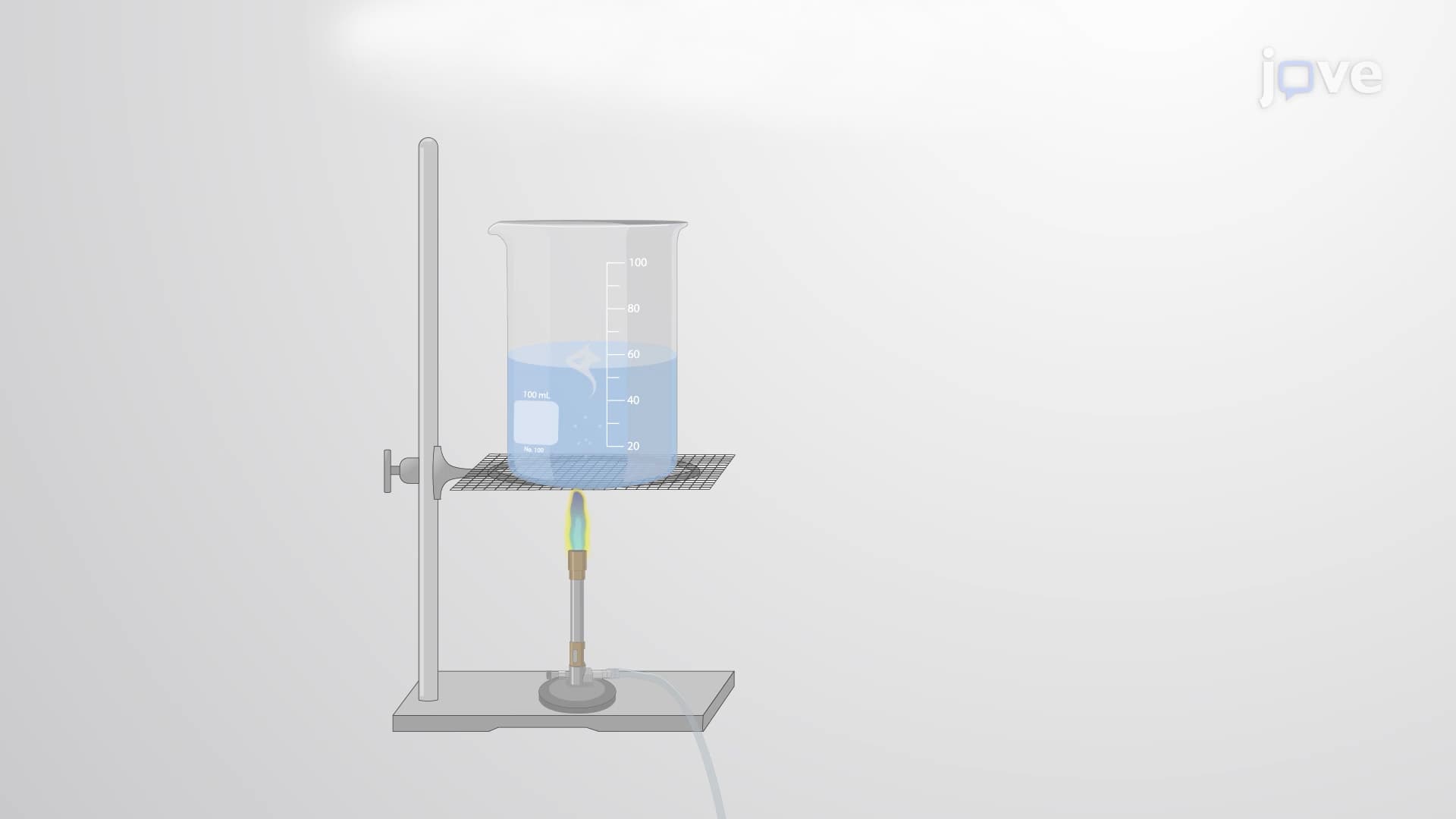
What is vaporization represents one of nature's most fundamental phase transitions, occurring when molecules gain sufficient energy to overcome intermolecular forces binding them in liquid form. This process requires specific energy input called the heat of vaporization, which varies by substance-water requires 2,260 kilojoules per kilogram, making it exceptionally effective for biological cooling systems.
Unlike simple heating, vaporization involves molecular-level changes where individual molecules acquire enough kinetic energy to escape liquid bonds. This energy threshold explains why humid summer days in Florida feel more oppressive than dry heat in Arizona-the evaporation vaporization explained principle shows that high humidity reduces our body's natural cooling efficiency.
Heat vaporization water calculations appear frequently on AP Chemistry and college thermodynamics exams. Students must understand that this energy doesn't increase temperature but breaks hydrogen bonds between molecules. For example, converting one gram of liquid water at 100°C to steam requires 2,260 joules-over five times the energy needed to heat that same water from 0°C to 100°C.
This high energy requirement makes water ideal for biological temperature regulation. Sweating evaporative cooling in humans demonstrates evolutionary optimization-our bodies produce dilute salt solutions that maximize cooling efficiency while conserving essential electrolytes.
Evaporation cooling vaporization mechanisms extend beyond human physiology. Desert animals like kangaroo rats in Nevada minimize water loss while maximizing cooling through specialized kidney function and behavioral adaptations. Plants showcase vaporization biology chemistry through transpiration, where leaf surface evaporation creates negative pressure drawing water from root systems-a process essential to redwood forests surviving California's dry summers.
MCAT passages frequently test water vaporization enthalpy calculations alongside physiological applications. Students should memorize water's heat of vaporization (40.7 kJ/mol) and practice energy balance problems. AP Biology exams emphasize transpiration's role in plant transport, while AP Chemistry focuses on phase change vaporization thermodynamics calculations.
Related Micro-courses