Loading subject page…

- Biology
- Musculoskeletal System
- What is the Skeletal System?
Micro-course: Musculoskeletal System
665,900 views
Learn key concepts and earn your certificate.

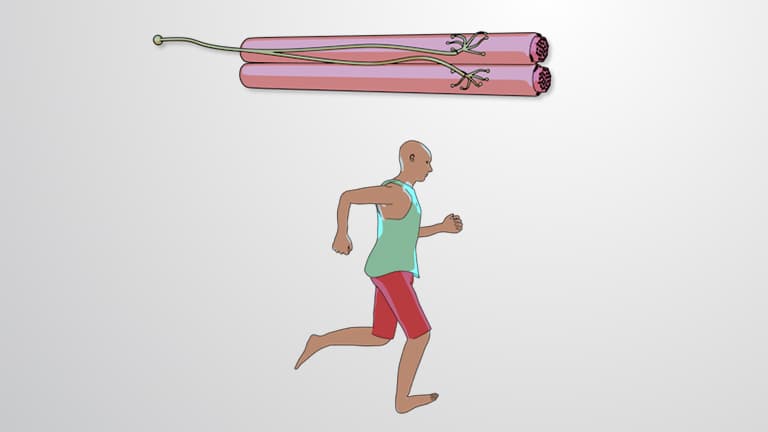
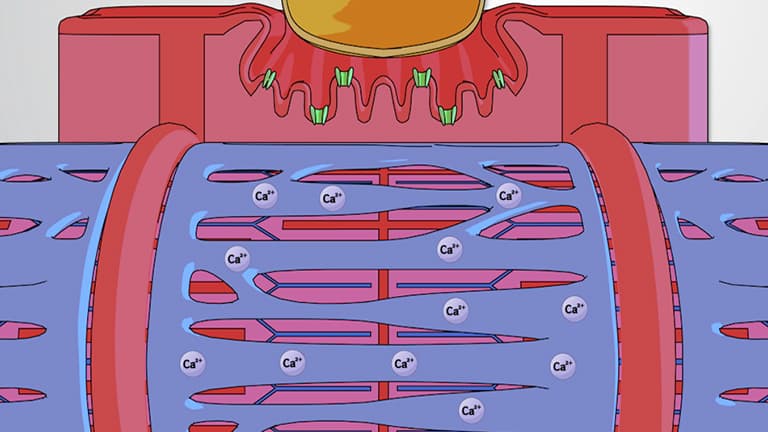
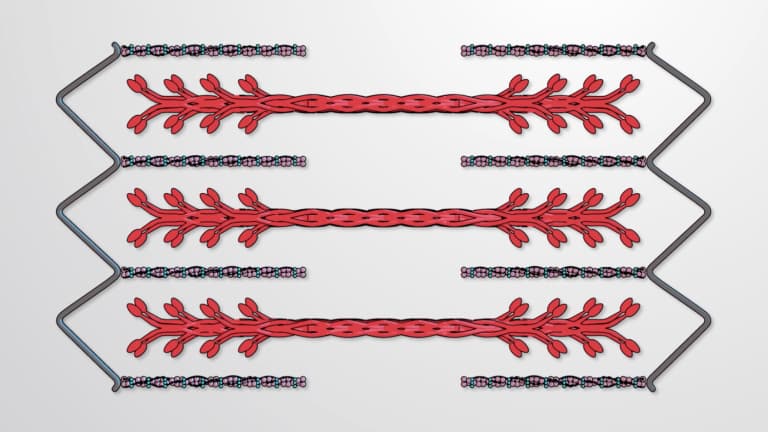
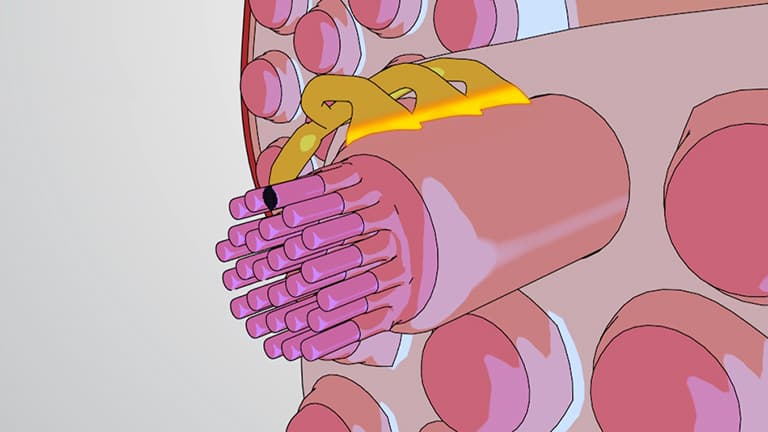
What is the Skeletal System?

00:00
01:02
Video Summary: The Skeletal System Definition
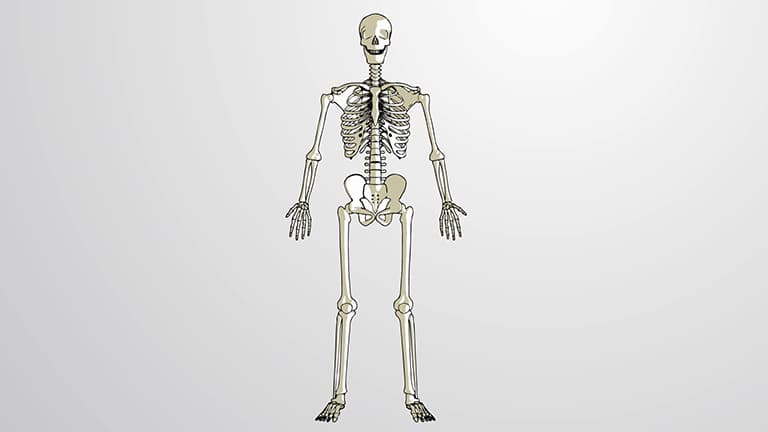
Did you know your skeleton replaces itself completely every 10 years through continuous bone remodeling? The skeletal system forms the structural foundation of the human body, consisting of 206 bones in adults that provide support, enable movement, and protect vital organs. From protecting NFL players during tackles to allowing ballet dancers to perform graceful leaps, the skeletal system definition encompasses both the axial skeleton (skull, spine, ribcage) and appendicular skeleton (arms, legs, girdles) working together. Watch the full video on JoVE Coach to master this concept with expert-led visuals and step-by-step explanations.
- Understand the skeletal system definition as the body's structural framework composed of bones, cartilage, and connective tissues
- Identify the two major divisions: axial skeleton (central body axis) and appendicular skeleton (limbs and girdles)
- Analyze how bones provide structural support while enabling movement through muscle attachments via tendons
- Compare the protective functions of different skeletal regions, from skull protection of the brain to ribcage safeguarding of heart and lungs
- Evaluate the relationship between bone structure and function in different body regions
- Apply knowledge of skeletal divisions to understand injury patterns and medical conditions
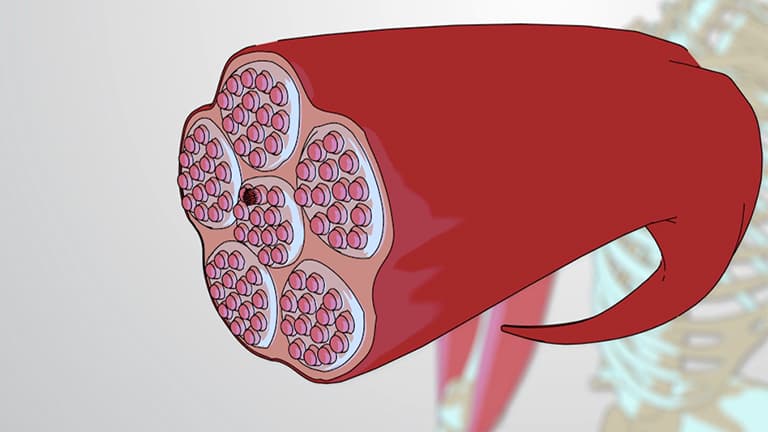
- Recognize the integration between skeletal and muscular systems for coordinated movement
- Explore how skeletal system knowledge applies to fields like orthopedics, sports medicine, and physical therapy
Understanding the Skeletal System Definition and Core Functions
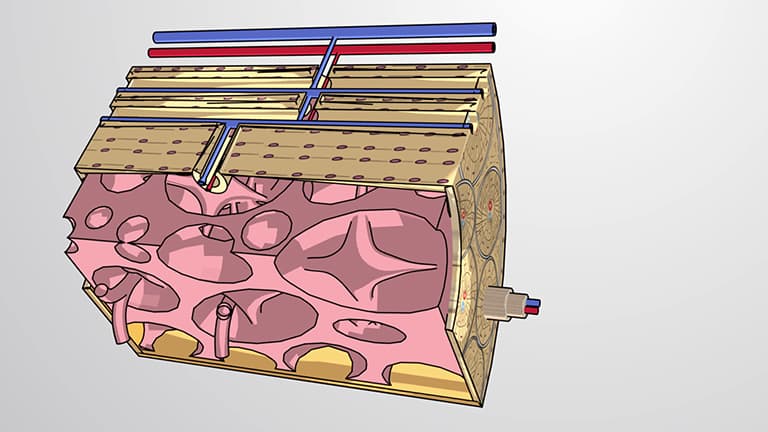
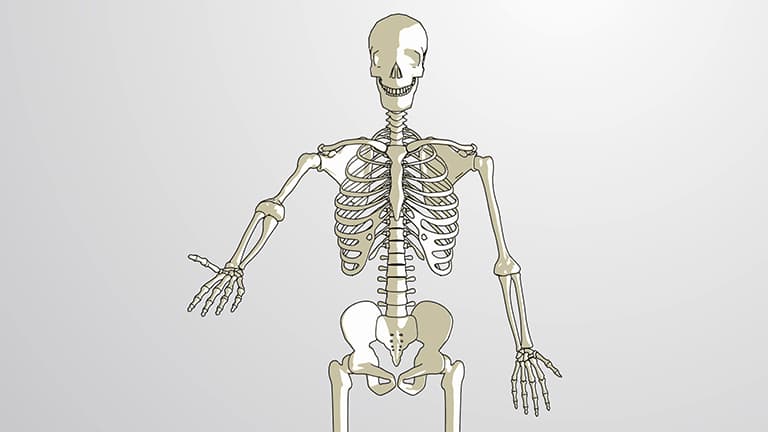
The skeletal system definition encompasses far more than just a collection of bones-it represents a dynamic, living framework that serves multiple critical functions throughout life. This complex system includes 206 bones in adults (270 at birth, with many fusing during development), along with cartilage, ligaments, and tendons that work together to support, protect, and mobilize the human body.
The Axial Skeleton: Central Protection and Support
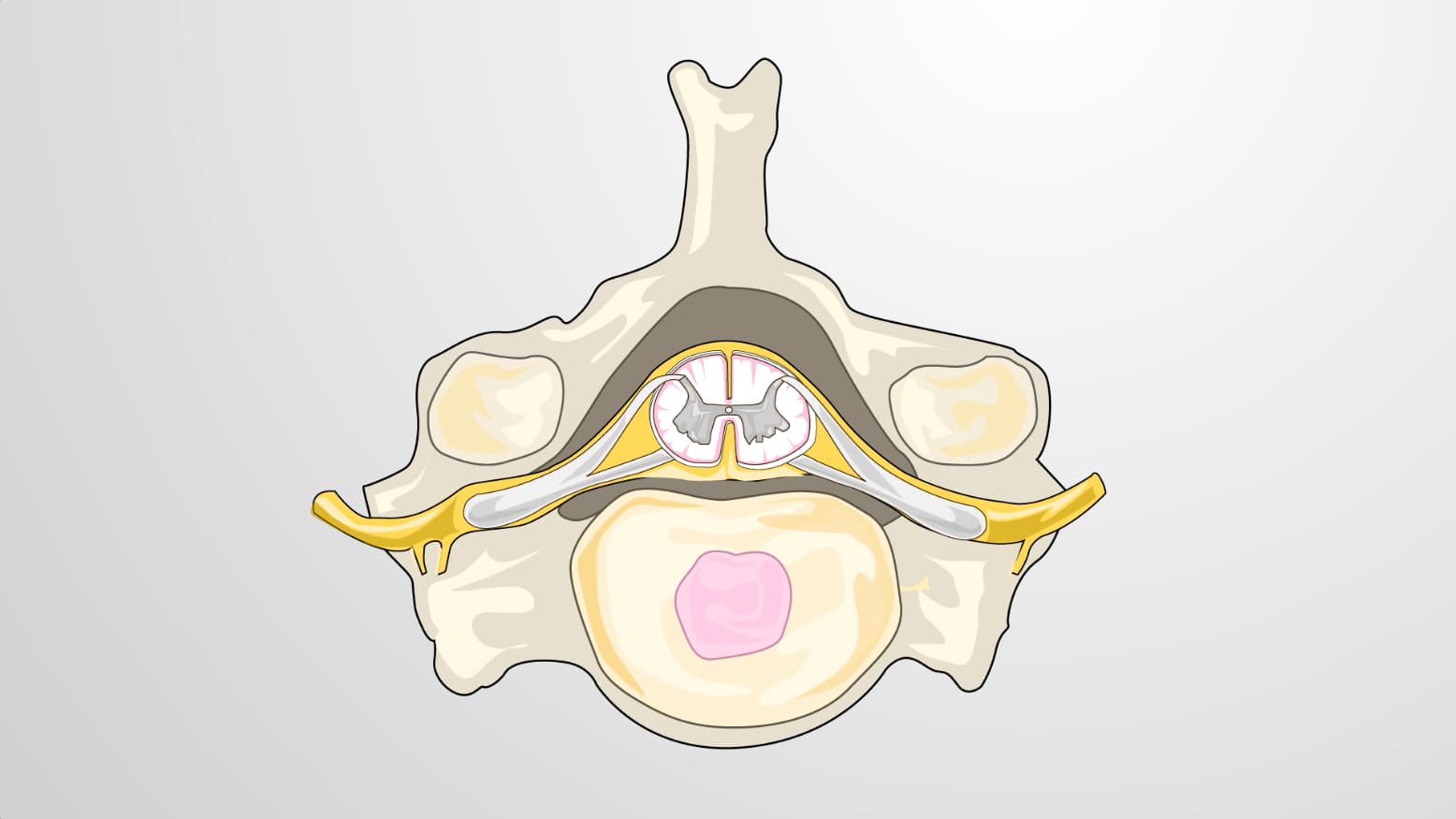
The axial skeleton forms the central axis around which the body is organized, consisting of 80 bones that primarily serve protective functions. The skull houses and protects the brain, containing 22 bones including the cranium and facial bones. The vertebral column, with its 26 vertebrae (including fused sacrum and coccyx), creates a protective channel for the spinal cord while providing structural support and flexibility. The thoracic cage, formed by 12 pairs of ribs and the sternum, creates a protective barrier around the heart and lungs-essential knowledge for understanding conditions like pneumothorax or cardiac tamponade that medical students encounter on USMLE exams.
The Appendicular Skeleton: Movement and Manipulation
The appendicular skeleton comprises 126 bones that facilitate movement and manipulation of the environment. This includes the arms and hands (64 bones total), legs and feet (62 bones total), and the connecting girdles-pectoral (shoulder) and pelvic girdles. The pectoral girdle allows for the incredible range of motion seen in baseball pitchers, while the robust pelvic girdle supports body weight during activities like marathon running. Understanding these structural differences helps explain why certain injuries occur more frequently in specific anatomical regions.
Clinical and Educational Applications
For students preparing for AP Biology or college anatomy courses, understanding skeletal system organization provides the foundation for studying bone disorders, fracture healing, and movement mechanics. Medical students studying for MCAT or early medical school exams must grasp how skeletal structure relates to common pathologies like osteoporosis, arthritis, and bone tumors. Physical therapy students need this knowledge to understand how skeletal abnormalities affect movement patterns and rehabilitation strategies.
Frequently Asked Questions
The skeletal system definition describes the body's structural framework made of bones, cartilage, and connective tissues. It provides support, enables movement through muscle attachments, protects vital organs, produces blood cells in bone marrow, and stores essential minerals like calcium and phosphorus.
The skeletal system appears frequently on MCAT biology sections and AP Biology exams, particularly in questions about structure-function relationships and body systems integration. Students must understand bone composition, skeletal divisions, and how bones interact with muscles for movement. Practice questions often focus on anatomical terminology and physiological processes like bone remodeling.
NCLEX questions test skeletal system understanding through scenarios involving fracture care, mobility assessments, and bone health interventions. Nursing students must know skeletal anatomy to understand positioning, recognize injury patterns, and implement appropriate interventions for conditions like osteoporosis or post-surgical orthopedic care.
Human anatomy, physiology, kinesiology, and exercise science courses extensively cover the skeletal system. Pre-med, nursing, physical therapy, and sports medicine programs require thorough understanding for advanced coursework and professional applications.
Emergency room physicians use skeletal knowledge to diagnose fractures and dislocations, while orthopedic surgeons rely on detailed anatomy for joint replacements and fracture repairs. Physical therapists assess skeletal alignment to develop rehabilitation programs, and radiologists interpret X-rays and CT scans of bones daily.
No advanced prerequisites are required-basic high school biology provides sufficient background. The skeletal system concept builds logically from simple bone identification to complex functional relationships, making it accessible to students at introductory levels.
Combine visual learning with hands-on practice using anatomical models or diagrams, focusing first on major divisions (axial vs. appendicular) before memorizing individual bones. Create concept maps linking structure to function, and practice with past exam questions to identify common testing patterns.
Progress to muscular system interactions, joint classifications and movements, and bone tissue histology. Advanced topics include bone development, fracture healing, and skeletal pathophysiology-essential preparation for healthcare professional programs.
Related Micro-courses
6 Concepts
8 Concepts
8 Concepts