Loading subject page…

- Biology
- Musculoskeletal System
- Motor Units
Micro-course: Musculoskeletal System
665,900 views
Learn key concepts and earn your certificate.
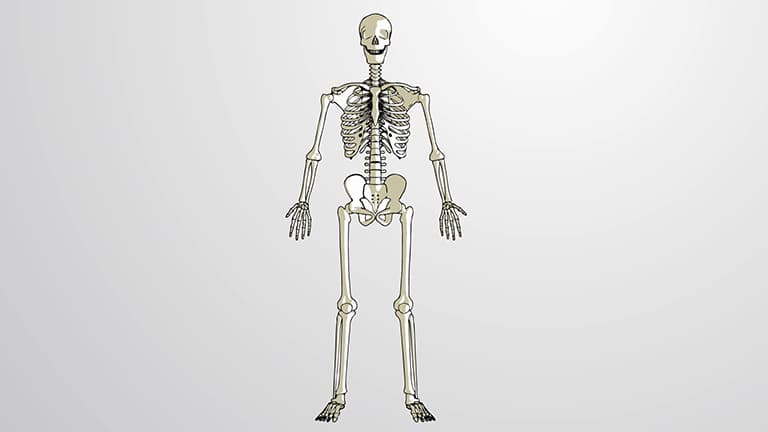

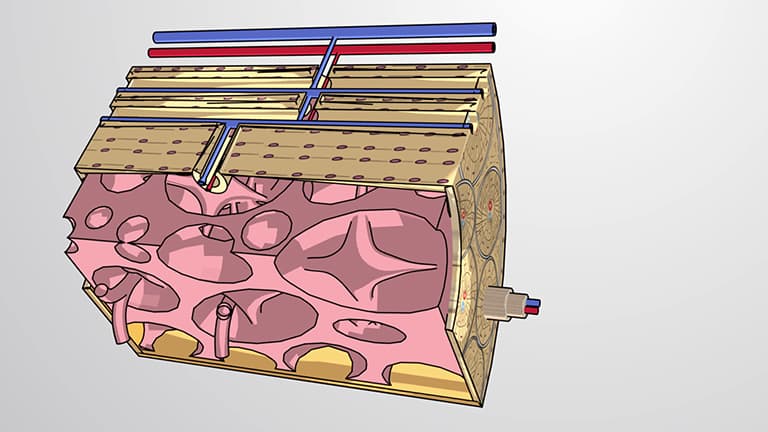
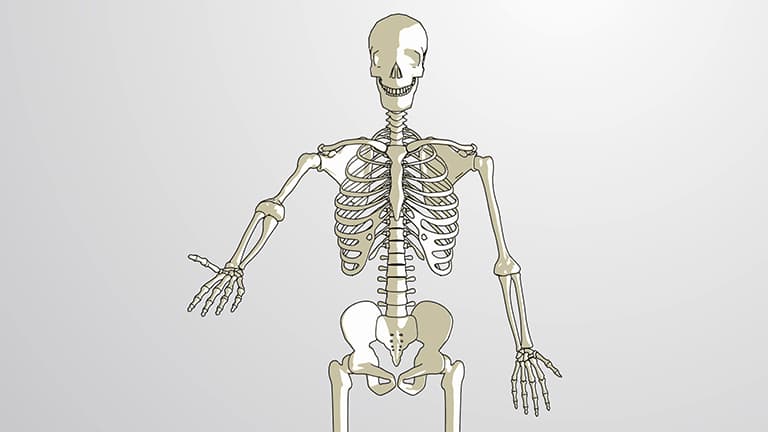
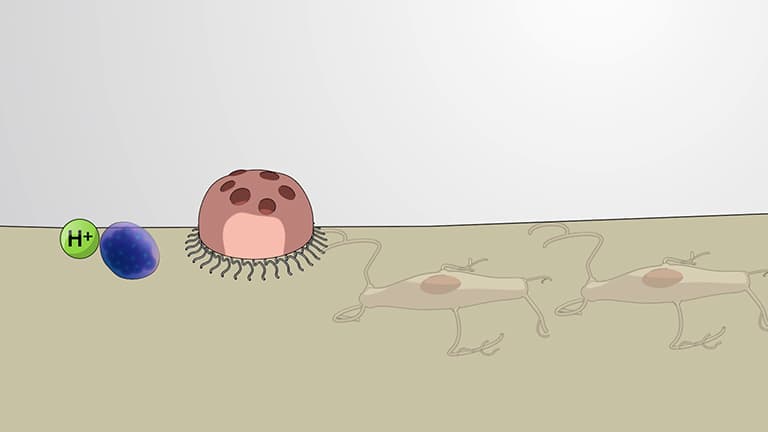
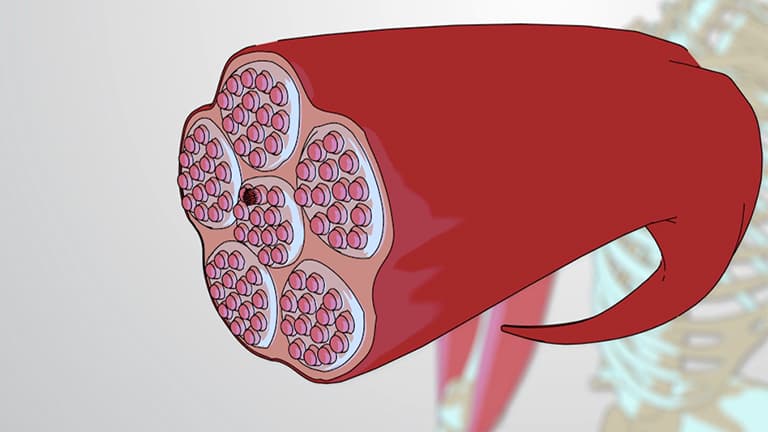
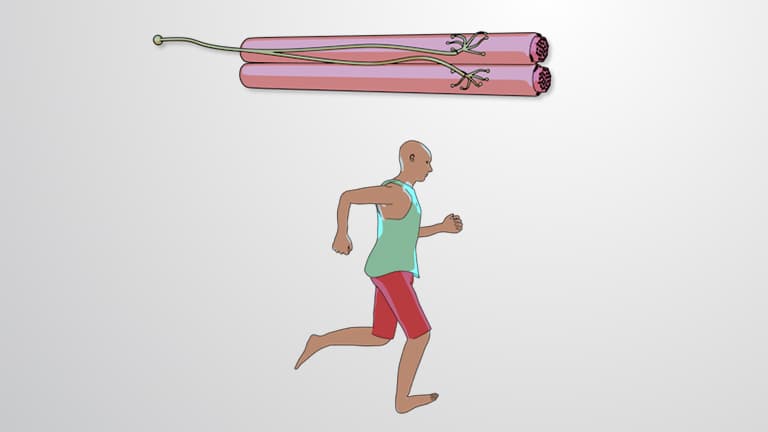
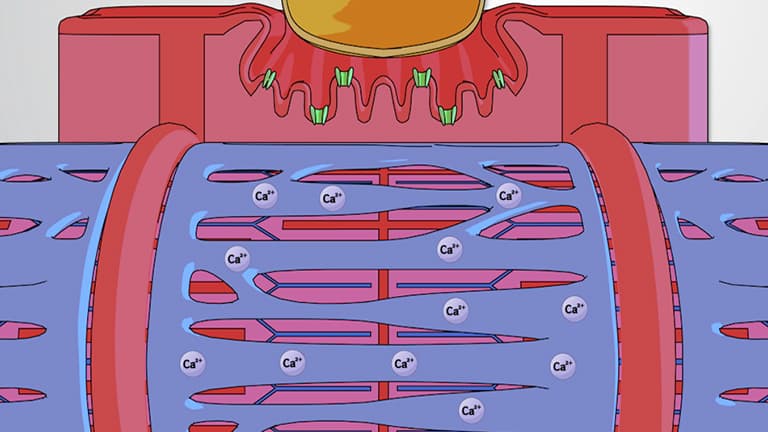
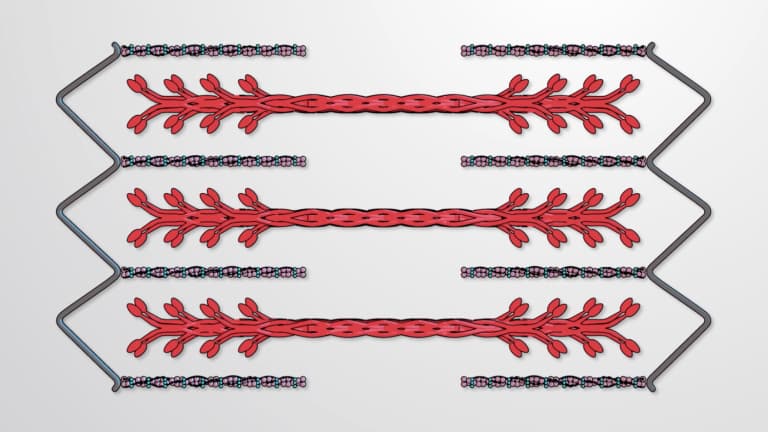
Motor Units

00:00
00:46
Video Summary: What are Motor Units
Ever wonder how your brain controls the precise movements needed to thread a needle versus the powerful contractions required to lift heavy weights? The secret lies in motor units physiology and how these fundamental components of our neuromuscular system operate. Consider how a skilled surgeon at Johns Hopkins can perform delicate microsurgery while a powerlifter can deadlift 500+ pounds, both rely on vastly different what are motor units in muscle physiology configurations. Watch the full video on JoVE Coach to master this concept with expert-led visuals and step-by-step explanations.
- Understand what are motor units and their essential role in voluntary muscle contraction and movement control
- Identify the anatomical components that comprise a motor unit, including alpha motor neurons and muscle fiber populations
- Analyze how motor unit size varies based on the precision requirements of different muscles throughout the body
- Compare small motor units in fine-control muscles versus large motor units in powerful, weight-bearing muscles
- Evaluate the relationship between motor unit innervation ratio and functional muscle requirements
- Apply motor unit recruitment principles to explain how the nervous system generates varying force outputs
- Recognize the significance of neuromuscular junction distribution within individual motor units
- Explore how motor unit anatomy directly impacts muscle fiber activation patterns during movement
Understanding What are Motor Units: The Foundation of Movement
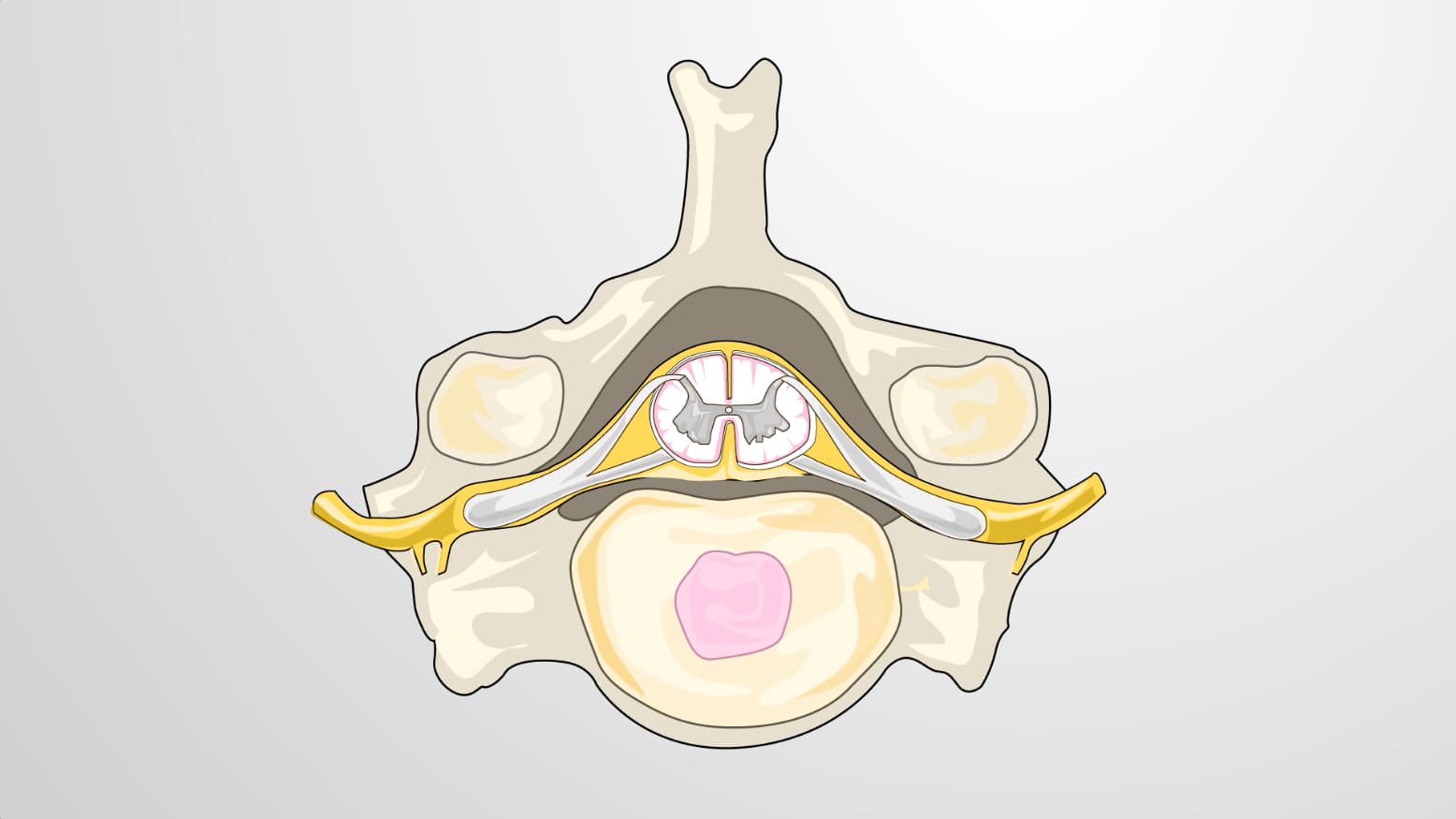
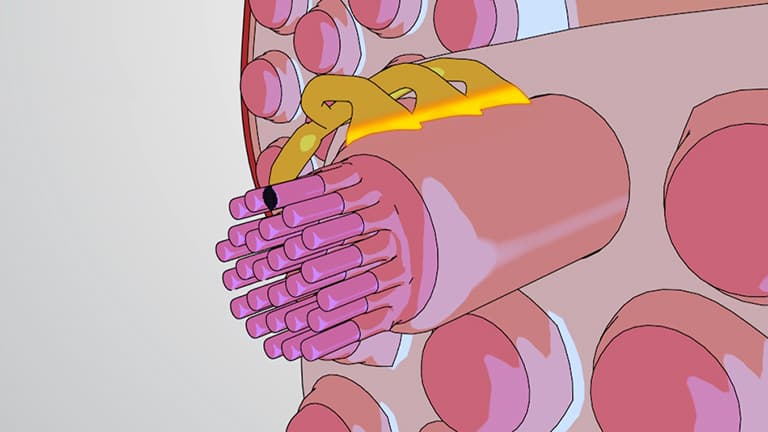
What are motor units represent the smallest functional unit of the neuromuscular system, serving as the critical link between your nervous system and muscular contractions. In motor units physiology, each unit consists of a single alpha motor neuron originating in the spinal cord's ventral horn, along with all the skeletal muscle fibers it controls through branching axonal connections.
Motor Unit Anatomy Explained: Structure and Organization
The motor unit anatomy explained reveals a sophisticated system where one motor neuron can innervate anywhere from a few muscle fibers to several hundred, depending on functional requirements. In muscles requiring precise control, such as the extraocular muscles controlling eye movements or the intrinsic hand muscles used by concert pianists at Juilliard, the motor unit innervation ratio may be as low as 1:10 (one neuron controlling ten fibers). Conversely, large weight-bearing muscles like the gastrocnemius in the calf may have ratios exceeding 1:1000, allowing for powerful but less precise contractions.
Motor Unit Size Recruitment and Functional Significance
Motor unit size recruitment follows Henneman's Size Principle, where smaller motor units activate first during voluntary contractions. This principle explains why you can perform both gentle movements and forceful actions with the same muscle groups. Small motor units contain slow fast motor unit characteristics optimized for endurance activities, while larger units generate quick, powerful contractions essential for athletic performance or emergency responses.
Clinical and Academic Applications
Understanding alpha motor neuron fibers and their organization proves crucial for students preparing for the MCAT, where neuromuscular physiology frequently appears in biological sciences sections. AP Biology students encounter motor unit concepts when studying nervous system integration, while college anatomy and physiology courses extensively cover these principles in neuromuscular chapters. Physical therapy students at universities like USC or NYU learn how motor unit dysfunction contributes to conditions like amyotrophic lateral sclerosis (ALS) or spinal cord injuries, making this knowledge directly applicable to future healthcare careers.
Frequently Asked Questions
A motor unit is the basic functional unit combining one spinal cord motor neuron with all the muscle fibers it controls. Think of it as a single "switch" that can turn on multiple muscle fibers simultaneously. This arrangement allows your nervous system to control muscle contractions with remarkable precision, from delicate movements to powerful actions.
Motor units form the foundation of muscle physiology by serving as the smallest controllable units of muscle contraction. Each unit operates on an all-or-nothing principle, when the motor neuron fires, all connected muscle fibers contract together. The number and size of motor units recruited determines the strength and precision of your movements.
MCAT questions often focus on motor unit recruitment patterns, innervation ratios, and the relationship between motor unit size and muscle function. Expect to analyze scenarios comparing fine motor control versus gross motor movements. Practice identifying how motor unit characteristics differ between muscles requiring precision versus power, as this frequently appears in biological sciences passages.
AP Biology emphasizes motor unit structure, the role of neuromuscular junctions, and how motor unit recruitment relates to nervous system control of movement. Students should understand how motor unit size correlates with muscle function and be able to explain the anatomical basis for different movement types using motor unit principles.
Elite athletes at facilities like the US Olympic Training Center optimize motor unit recruitment through specific training. Powerlifters develop large motor unit activation for maximum strength, while gymnasts enhance small motor unit control for precise movements. Understanding motor units helps explain why different sports require distinct training approaches for optimal neuromuscular development.
Basic high school biology knowledge of neurons and muscles provides sufficient background for understanding motor units. While the concept builds on fundamental nervous system principles, motor unit physiology is accessible to students with standard biology coursework. Focus on the functional relationship between neurons and muscle fibers rather than complex anatomical details.
Create comparison charts showing motor unit characteristics in different muscle types, compare eye muscles versus leg muscles in terms of innervation ratios and functional requirements. Practice drawing motor unit diagrams and explaining recruitment patterns. Use real-world examples to connect abstract concepts to practical applications you can easily remember during exams.
Explore muscle fiber types (Type I vs Type II), neuromuscular junction physiology, and motor learning principles. Understanding motor units provides the foundation for studying more complex topics like motor control disorders, exercise physiology, and rehabilitation science, all valuable for students pursuing healthcare or exercise science careers.
Related Micro-courses
6 Concepts
8 Concepts
8 Concepts