Loading subject page…

- Biology
- Musculoskeletal System
- Bone Remodeling
Micro-course: Musculoskeletal System
665,900 views
Learn key concepts and earn your certificate.

Bone Remodeling

00:00
01:40
Video Summary: What Is Bone Remodeling
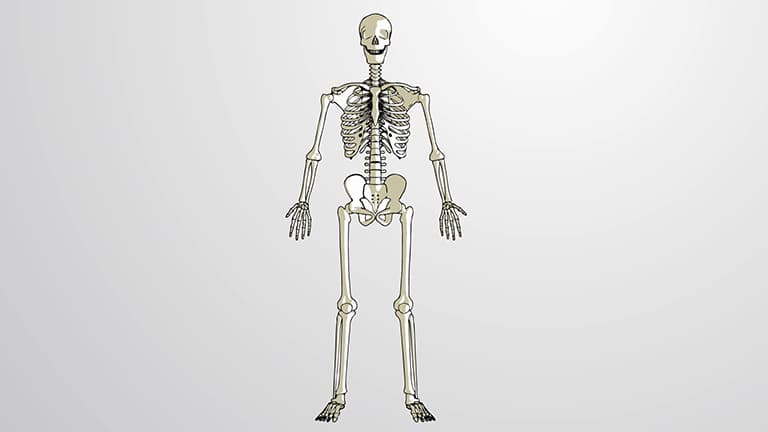
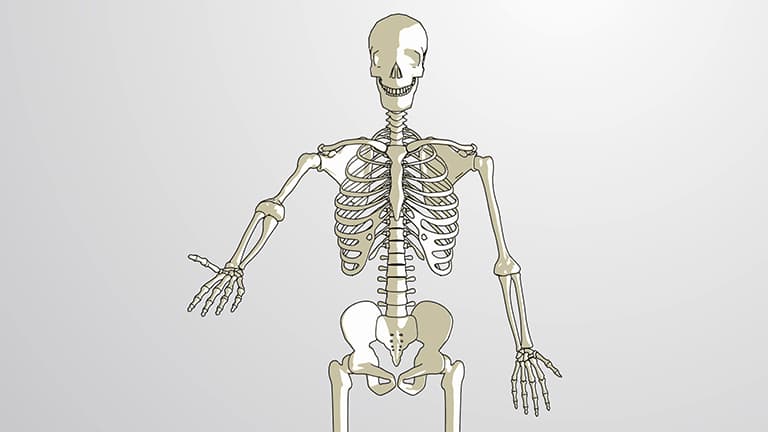
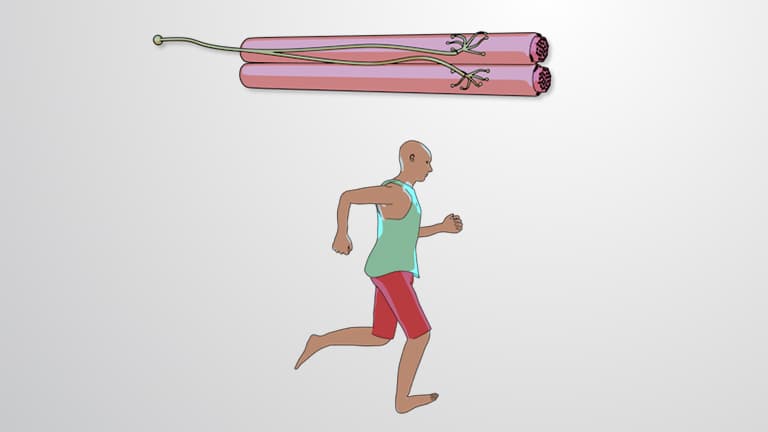
Did you know that your entire skeleton replaces itself approximately every 10 years? Bone remodeling is the continuous process where your bones break down old tissue and build new tissue to maintain strength and repair damage. For example, athletes who put stress on their femurs during running trigger this remodeling process, with the ends of their femur bones completely replacing themselves every six months. This dynamic balance of destruction and construction keeps your skeletal system healthy throughout your lifetime. Watch the full video on JoVE Coach to master this concept with expert-led visuals and step-by-step explanations.
- Understand what is bone remodeling and how this continuous process maintains skeletal health in adults
- Identify the three main cell types involved: osteocytes (sensors), osteoclasts (destroyers), and osteoblasts (builders)
- Analyze the sequential phases of resorption, reversal, and formation that comprise the remodeling cycle
- Compare the roles of osteoclasts in breaking down old bone matrix versus osteoblasts in depositing new tissue
- Evaluate how mechanical stress triggers osteocytes to initiate the remodeling response
- Apply knowledge of calcium release during bone resorption to understand hormonal feedback mechanisms
- Recognize the importance of apoptosis in preventing excessive bone destruction
- Explore how osteoid formation and collagen fiber deposition contribute to bone strength and flexibility
Understanding What is Bone Remodeling
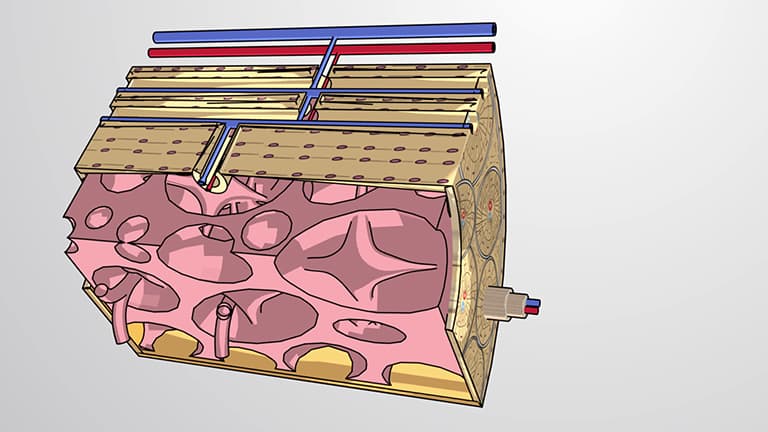
Bone remodeling represents one of the most remarkable examples of tissue maintenance in the human body. Unlike static structures, your bones function as living, dynamic tissues that constantly renovate themselves through a sophisticated cellular machinery. This process ensures that microscopic damage from daily activities doesn't accumulate over time, while also allowing bones to adapt to changing mechanical demands.
The Cellular Orchestra of Bone Remodeling
Three specialized cell types orchestrate this complex process. Osteocytes, mature bone cells embedded within the bone matrix, act as mechanical sensors. When you exercise or experience physical stress, these cells detect the forces and release signaling molecules that recruit the remodeling team to specific locations. This explains why weight-bearing exercises strengthen bones-the mechanical stress triggers targeted remodeling.
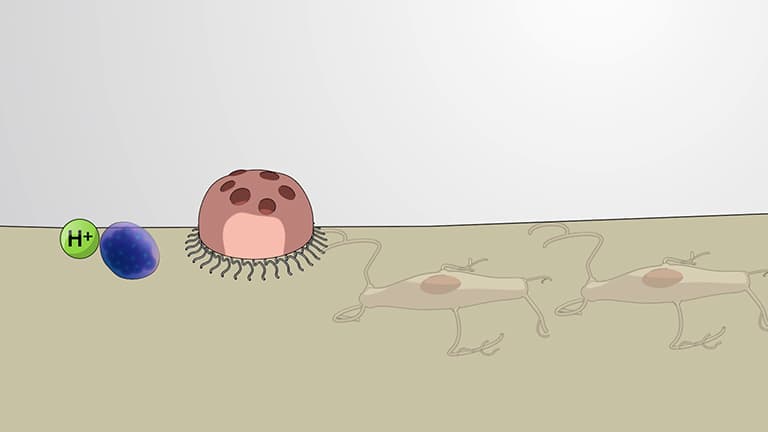
Osteoclasts arrive first as the demolition crew. These multinucleated cells attach firmly to bone surfaces and create an acidic microenvironment by secreting hydrogen ions. Their lysosomal enzymes break down the organic components of bone matrix, while the acid dissolves mineral deposits. This process releases stored calcium into your bloodstream, contributing to calcium homeostasis-a concept frequently tested on the MCAT and AP Biology exams.
Formation and Clinical Significance
Following resorption, osteoblasts take center stage during the formation phase. These bone-building cells synthesize new organic matrix called osteoid, which consists primarily of collagen fibers. The collagen provides tensile strength and flexibility, while subsequent mineralization adds compressive strength. Some osteoblasts become trapped in their own matrix, differentiating into osteocytes to continue the surveillance cycle.
This remodeling process has profound clinical implications. Conditions like osteoporosis occur when bone resorption exceeds formation, leading to decreased bone density. Understanding these mechanisms helps explain why calcium and vitamin D supplementation, along with weight-bearing exercise, are prescribed for bone health-concepts commonly appearing in nursing exams like NCLEX and HESI A2.
Real-World Applications and Exam Relevance
For students preparing for standardized tests, bone remodeling frequently appears in questions about calcium homeostasis, hormonal regulation (particularly parathyroid hormone and calcitonin), and tissue repair mechanisms. College anatomy and physiology courses often use bone remodeling as a prime example of cellular communication and tissue maintenance, making it essential knowledge for pre-health students.
Frequently Asked Questions
Bone remodeling is your skeleton's way of staying healthy by constantly tearing down old bone tissue and building new tissue to replace it. Think of it like renovating your house room by room while you still live in it-specialized cells break down worn-out sections while other cells immediately rebuild with fresh materials. This process keeps your bones strong and repairs microscopic damage from daily activities.
MCAT questions often focus on the cellular mechanisms, calcium homeostasis, and hormonal regulation aspects of bone remodeling. AP Biology exams typically test your understanding of cell communication, tissue maintenance, and how mechanical stress influences cellular responses. You might see questions about osteoclast function, calcium release, or how exercise affects bone density through remodeling pathways.
Bone remodeling is extensively covered in Human Anatomy and Physiology, Cell Biology, and Histology courses at most US universities. Pre-med students encounter it again in advanced courses like Pathophysiology and Endocrinology. Nursing students study it in Pathophysiology and Adult Health courses, as understanding bone remodeling is crucial for managing conditions like osteoporosis and fracture healing.
Bone remodeling dysfunction causes major health problems like osteoporosis, affecting over 54 million Americans according to the National Osteoporosis Foundation. When remodeling becomes imbalanced-more breakdown than buildup-bones weaken and fracture risk increases dramatically. This is why doctors recommend weight-bearing exercise and adequate calcium intake, especially for postmenopausal women who experience accelerated bone loss.
Not at all-bone remodeling builds on basic cell biology concepts you already know. If you understand how enzymes work and cell communication basics, you can grasp bone remodeling. The key is thinking of it as teamwork between three cell types: sensors (osteocytes), demolition crews (osteoclasts), and construction workers (osteoblasts). Start with the big picture, then add cellular details gradually.
Create a flowchart showing the three phases: resorption, reversal, and formation, with specific cell types and their functions. Use active recall by explaining the process out loud without looking at notes. Practice applying the concept to clinical scenarios-why does bed rest weaken bones, or how do bisphosphonate drugs work? Focus on cause-and-effect relationships rather than memorizing isolated facts.
After mastering basic bone remodeling, explore hormonal regulation involving parathyroid hormone, calcitonin, and vitamin D metabolism. Study bone development (ossification) and fracture healing processes. Advanced topics include bone remodeling's role in calcium homeostasis and how various diseases and medications affect the remodeling balance.
The complete remodeling cycle typically takes 3-6 months in most bones, but varies by location and mechanical stress. High-stress areas like the ends of your femur (thigh bone) remodel every 6 months, while less active areas may take years. Your entire skeleton replaces itself approximately every 10 years through this continuous process, though the rate slows with aging.
Related Micro-courses
6 Concepts
8 Concepts
8 Concepts