Loading subject page…


665,900 views

Video Summary: What Is Muscle Contraction
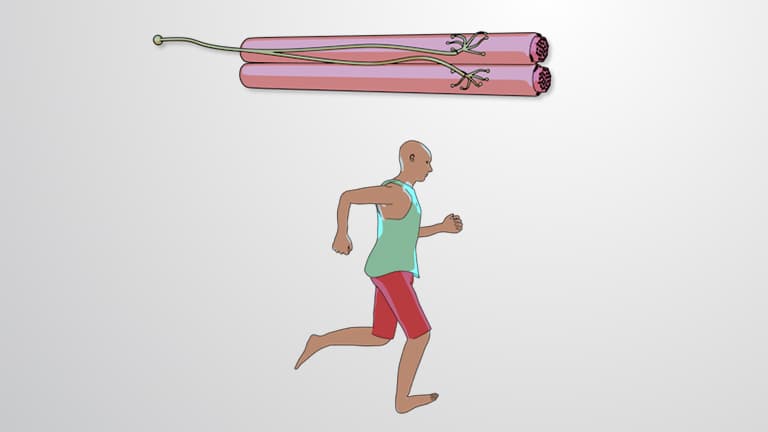
Every time you lift a water bottle or text on your phone, millions of muscle fibers execute precise muscle contraction sequences in milliseconds. From a baseball pitcher's fastball to a surgeon's steady hand during heart surgery at Johns Hopkins Hospital, voluntary muscle movement follows the same fascinating neurological pathway. What is muscle contraction at the cellular level involves a complex chain reaction from brain signals to molecular motor proteins that physically shorten muscle fibers. Watch the full video on JoVE Coach to master this concept with expert-led visuals and step-by-step explanations.
Muscle contraction represents one of biology's most elegant examples of system integration, where the nervous and muscular systems coordinate to produce voluntary movement. This process begins in the brain's frontal lobe, where conscious movement decisions activate the primary motor cortex, demonstrating how cognitive intent translates into physical action.
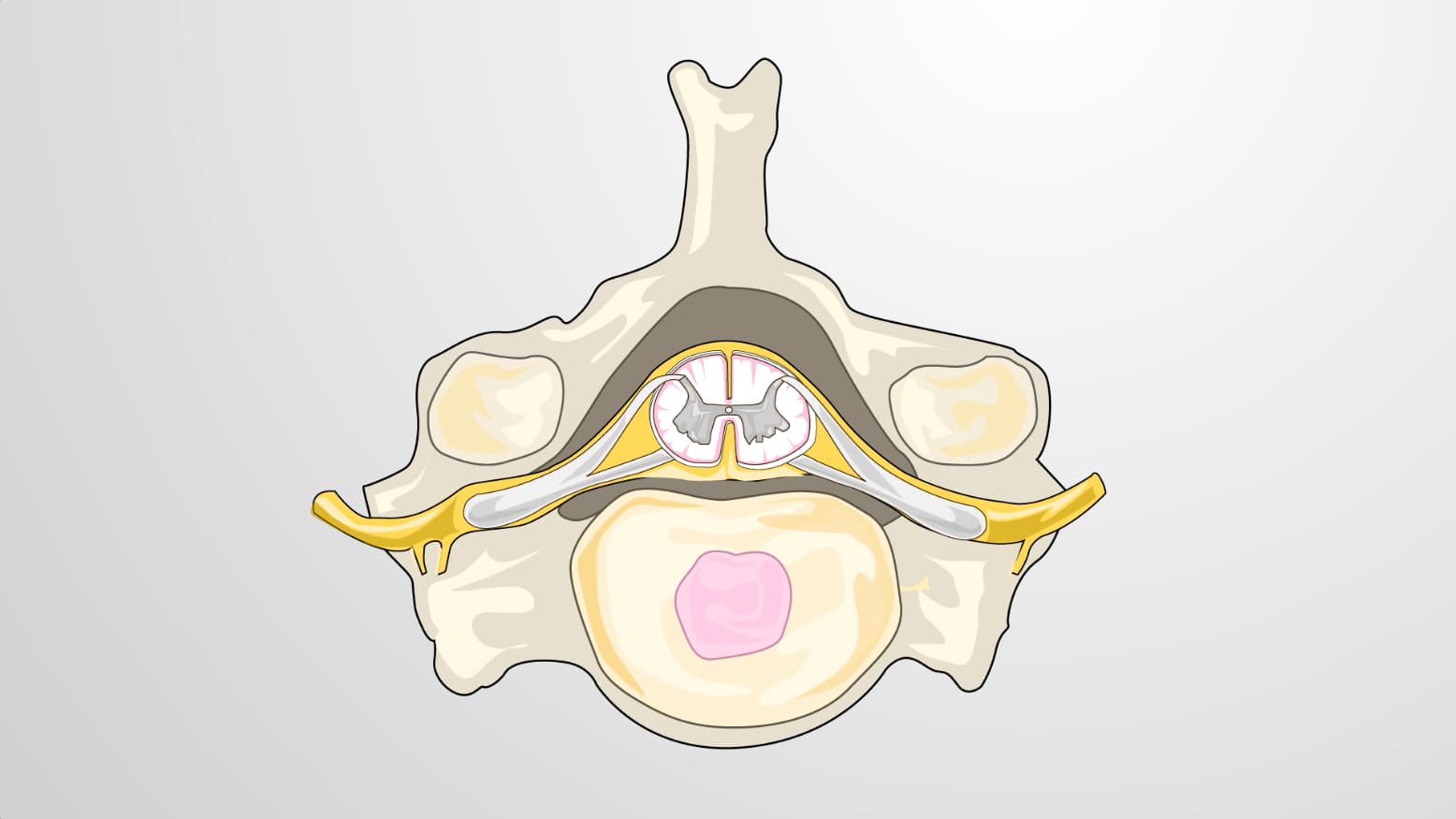
The journey from thought to movement involves precise neural circuitry. Alpha motor neurons in the spinal cord's anterior horn serve as the final common pathway, receiving input from the brain and transmitting signals to specific muscle groups. For students preparing for the AP Biology exam or MCAT, understanding this hierarchy proves crucial-the brain initiates, the spinal cord relays, and muscles respond.
In real-world applications, this pathway explains why spinal cord injuries at different levels cause varying degrees of paralysis. A C5 spinal injury, common in diving accidents, affects arm muscles like the biceps, while lower injuries spare upper body function.
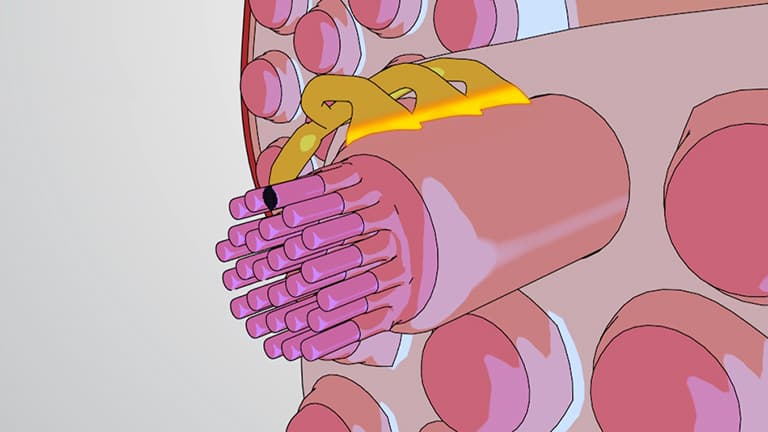
At the motor end plate, electrical signals convert to chemical communication through acetylcholine release. This neurotransmitter diffuses across the synaptic cleft and binds to nicotinic receptors on the muscle membrane (sarcolemma), causing sodium influx and membrane depolarization. Medical students studying for the USMLE Step 1 often encounter questions about this process, particularly regarding diseases like myasthenia gravis, where antibodies block these receptors.
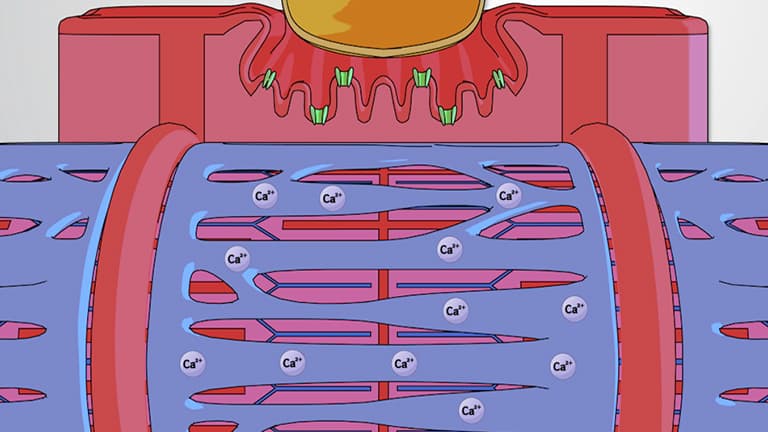
The revolutionary aspect of muscle contraction biology explained lies in the T-tubule system, which carries surface electrical activity deep into muscle fibers. This triggers calcium release from the sarcoplasmic reticulum, the muscle's internal calcium storage network. Released calcium binds to troponin, shifting tropomyosin and exposing binding sites on actin filaments.
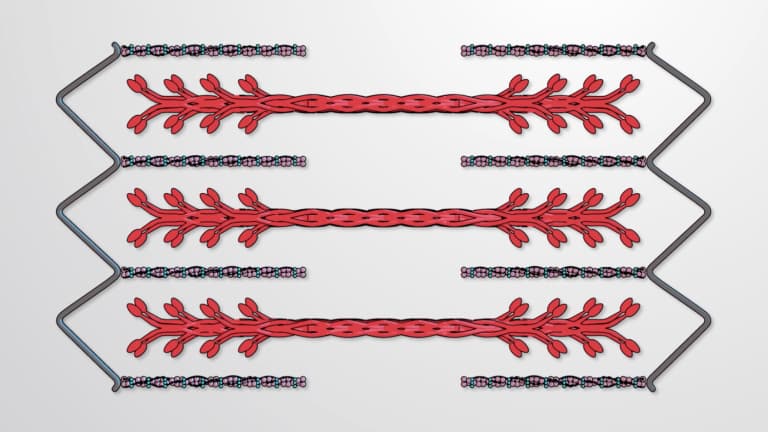
The sliding filament mechanism involves myosin heads binding to actin, forming crossbridges that pull actin filaments toward the center of the sarcomere. This molecular motor system, powered by ATP hydrolysis, produces the physical shortening observed as muscle contraction. Physical therapy students and those taking the NCLEX-RN exam frequently see questions testing this molecular understanding, especially in contexts involving muscle weakness or rehabilitation.
Related Micro-courses