Loading subject page…

- Biology
- Musculoskeletal System
- Nociception
Micro-course: Musculoskeletal System
665,900 views
Learn key concepts and earn your certificate.

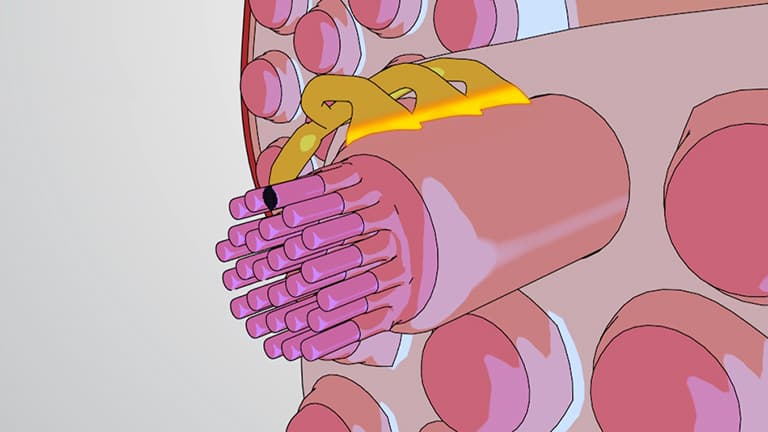
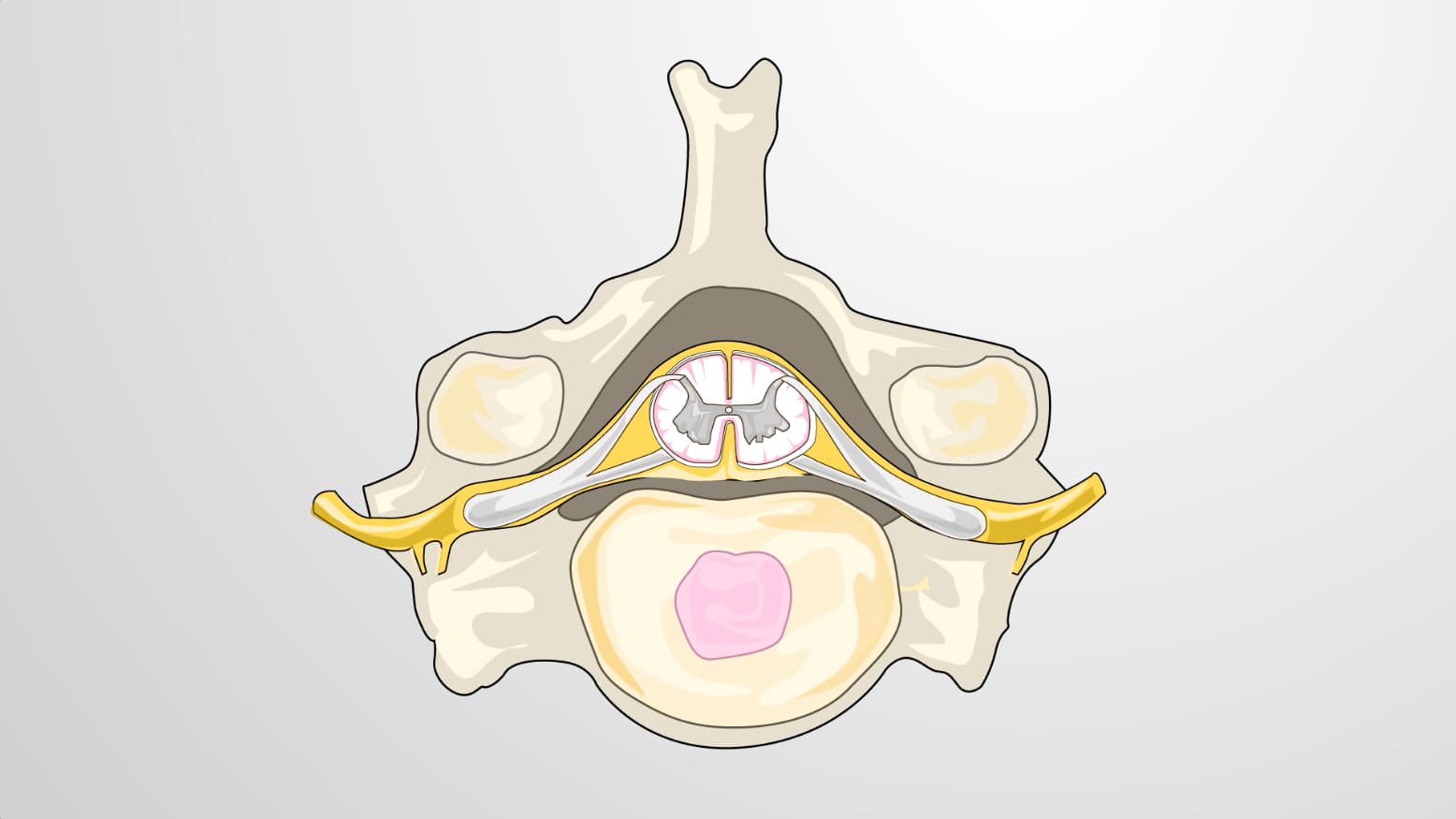
Nociception
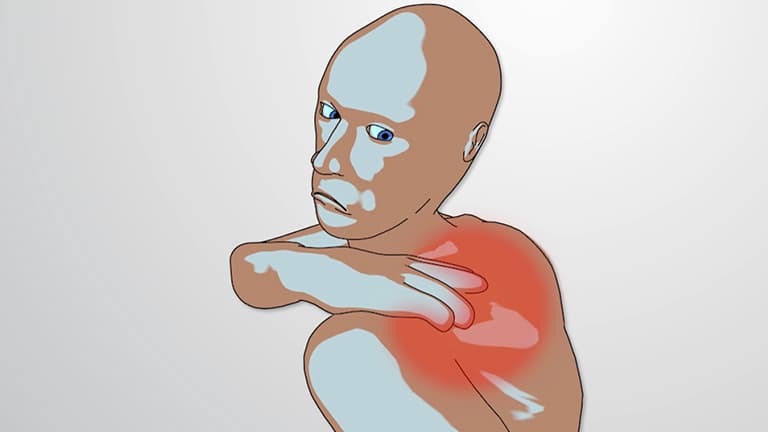

00:00
01:44
Video Summary: What Is Nociception
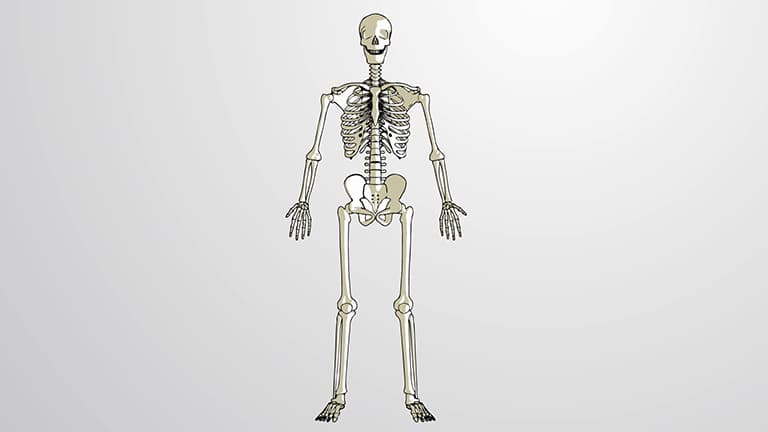
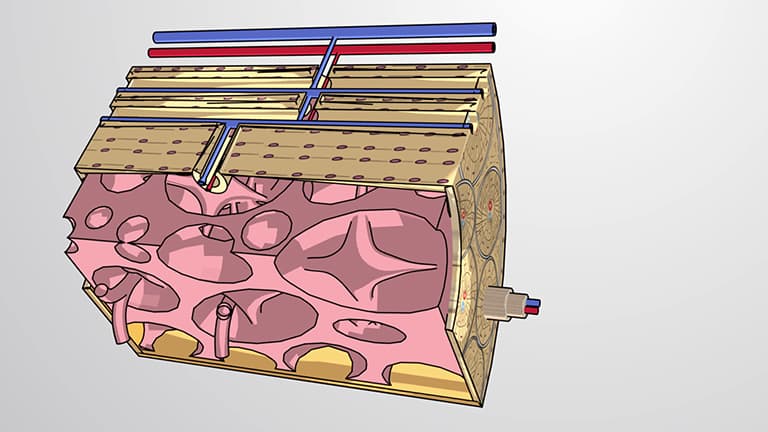
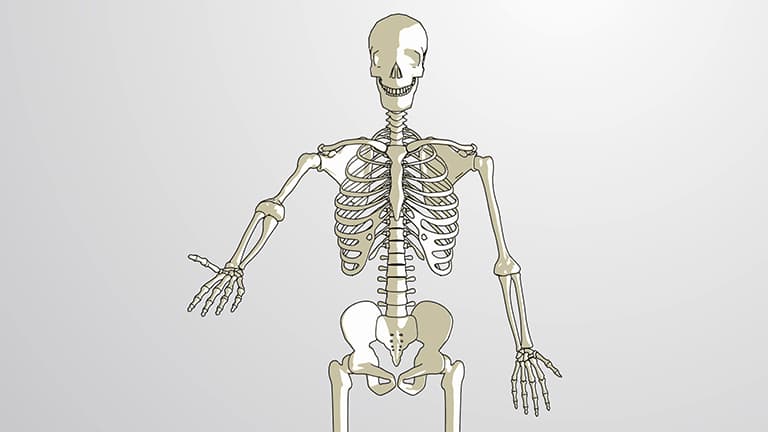
Ever wonder why touching a hot stove instantly makes you jerk your hand away before you even consciously feel pain? Nociception is your body's rapid-fire warning system that detects harmful stimuli and triggers protective responses. When a medical student accidentally pricks their finger with a scalpel during anatomy lab, specialized nerve endings called nociceptors immediately spring into action, sending lightning-fast signals through the spinal cord to the brain. Watch the full video on JoVE Coach to master this concept with expert-led visuals and step-by-step explanations.
- Understand what is nociception and how it differs from the subjective experience of pain
- Identify the key cellular components involved in nociception, including nociceptors, mast cells, and macrophages
- Analyze the two distinct pathways of pain transmission: fast A-delta fibers and slow C fibers
- Compare the functional differences between sharp, localized pain and prolonged, burning sensations
- Recognize how nociceptive signals travel from peripheral tissues through the spinal cord to brain regions
- Evaluate the role of different brain structures in processing nociceptive information, from the thalamus to the prefrontal cortex
- Apply knowledge of nociception pathways to explain why certain injuries produce immediate versus delayed pain responses
- Explore the connection between nociception and emotional processing through corticolimbic brain structures
Understanding Nociception: Your Body's Alert System
Nociception represents one of the most critical protective mechanisms in human physiology. Unlike the subjective experience of pain, nociception is the objective, measurable process by which your nervous system detects and responds to potentially harmful stimuli. This distinction becomes particularly important for students preparing for the MCAT or advanced placement biology exams, where understanding the difference between nociception and pain perception is frequently tested.
The Cellular Orchestra of Nociception
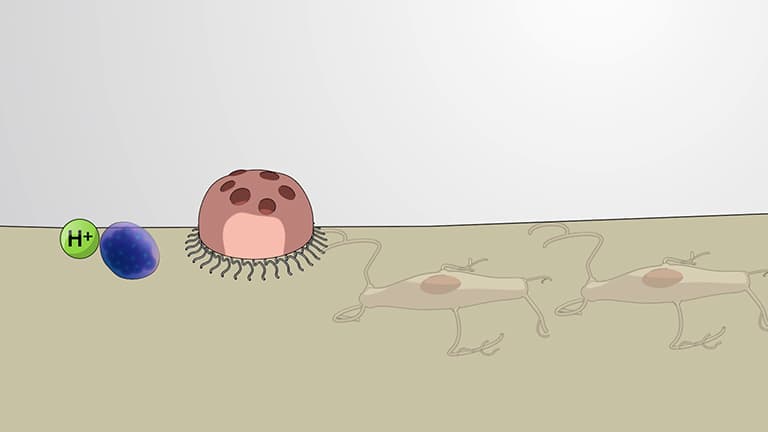
When tissue damage occurs-imagine a football player tearing their ACL during a game-a complex cellular response immediately begins. Nociceptors, which are specialized free nerve endings scattered throughout your tissues, act as the first responders. These receptors don't just detect damage; they initiate a coordinated immune response. Nearby mast cells release histamines (the same chemicals involved in allergic reactions), while macrophages secrete cytokines that serve as chemical messengers for immune system activation. This dual response explains why injuries often involve both immediate pain and subsequent inflammation.
The Two-Track Highway of Pain Signals
The transmission of nociceptive signals follows two distinct pathways that college anatomy students must understand thoroughly. A-delta fibers, which are thinly myelinated, conduct signals at speeds reaching 20 meters per second. These fibers carry the sharp, well-localized pain that allows you to immediately identify exactly where you've been injured-crucial for the rapid withdrawal reflexes that prevent further tissue damage.
In contrast, C fibers lack myelin sheaths entirely, conducting signals at a much slower 0.5-2 meters per second. These fibers transmit the deep, aching, or burning sensations that persist long after the initial injury. This two-tier system explains why you might first feel a sharp sensation when you cut your finger, followed by a throbbing ache-each sensation travels via different neural pathways.
Brain Processing: From Signal to Sensation
Once nociceptive signals reach the spinal cord's dorsal horn, they cross over and ascend to multiple brain regions. The thalamus acts as a relay station, directing signals to the somatosensory cortex for location identification. However, what makes nociception truly fascinating is the involvement of corticolimbic structures like the amygdala and prefrontal cortex. These regions integrate emotional memories and cognitive processing, explaining why identical injuries can feel dramatically different depending on context-why a paper cut during a stressful exam might feel worse than a similar cut during a relaxed moment.
Frequently Asked Questions
Nociception is the nervous system's process of detecting and transmitting information about potentially harmful stimuli. It begins when specialized nerve endings called nociceptors detect tissue damage, then sends signals through the spinal cord to various brain regions for processing and appropriate protective responses.
MCAT questions often focus on distinguishing nociception from pain perception, pathway differences between A-delta and C fibers, and brain region functions. AP Biology exams commonly test the cellular mechanisms, signal transmission speeds, and the role of neurotransmitters in nociceptive pathways.
College exams frequently include questions about nociceptor types, the ascending pain pathways through the spinal cord, differences in fiber myelination and conduction speeds, and the specific brain regions involved in processing nociceptive information.
When an emergency room nurse accidentally touches a hot autoclave, A-delta fibers immediately transmit sharp pain signals, causing instant hand withdrawal. Simultaneously, slower C fibers begin transmitting prolonged burning sensations, while local immune cells release inflammatory chemicals to begin the healing process.
Basic knowledge of cell biology and introductory nervous system anatomy provides sufficient foundation for understanding nociception. Most high school biology students can grasp these concepts with proper explanation of neuron structure and signal transmission principles.
Create a flowchart mapping the pathway from nociceptor activation through spinal cord transmission to brain processing. Practice drawing the two fiber types and their characteristics, then use clinical examples to reinforce the timeline and sequence of events.
Explore pain modulation mechanisms, including the gate control theory and descending inhibitory pathways. Study analgesic drug mechanisms, chronic pain conditions, and how nociception relates to other sensory modalities like mechanoreception and thermoreception.
Healthcare professionals use nociception knowledge daily when assessing patient pain levels, selecting appropriate treatments, and understanding why certain injuries produce specific pain patterns. This foundation proves essential for nursing school exams like the NCLEX and medical school coursework.
Related Micro-courses
6 Concepts
8 Concepts
8 Concepts