Loading subject page…
- Biology
- Natural Selection
- Limits to Natural Selection
Micro-course: Natural Selection
220,901 views
Learn key concepts and earn your certificate.

Limits to Natural Selection

00:00
01:38
Video Summary: What Is Limits to Natural Selection
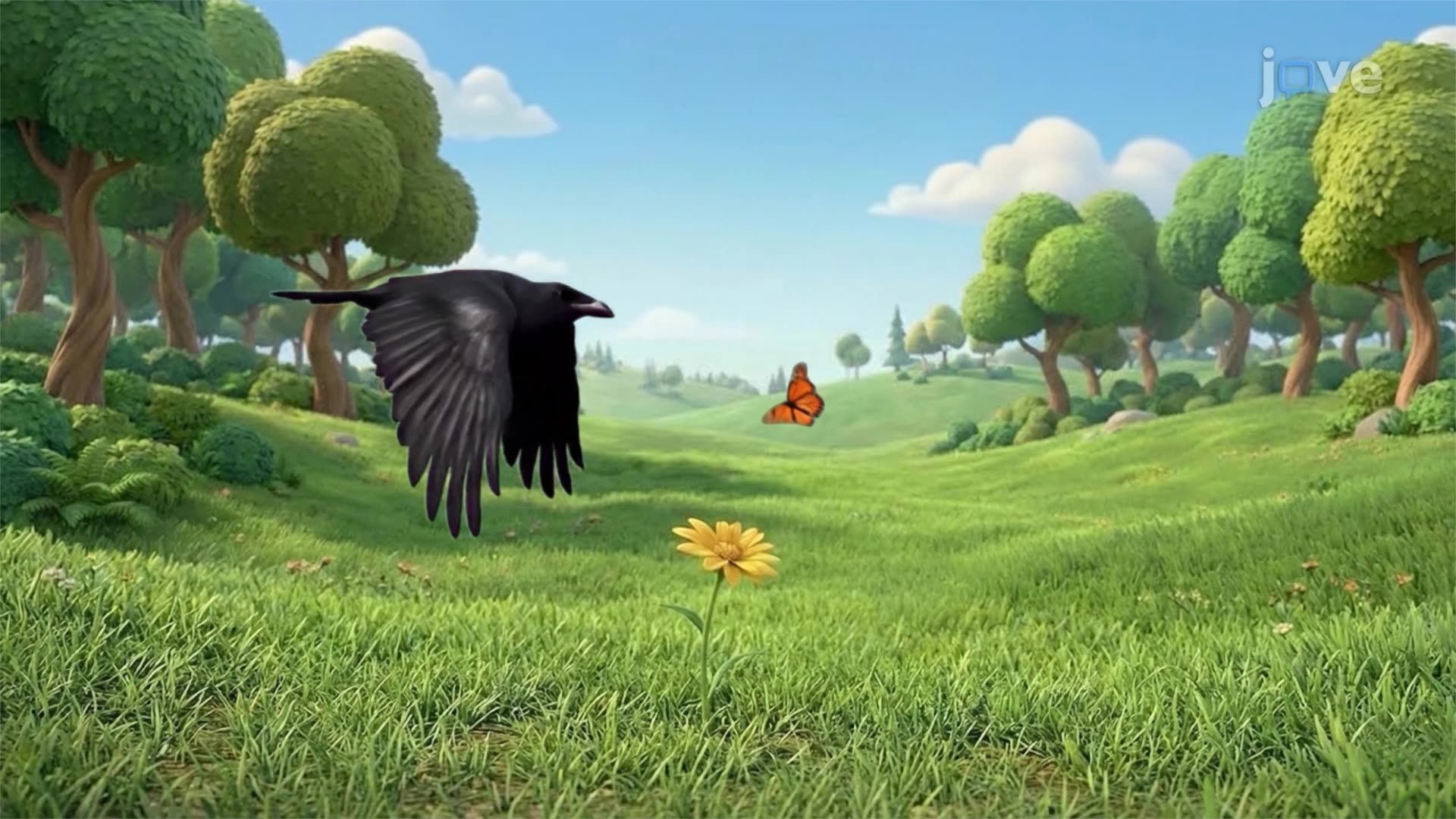
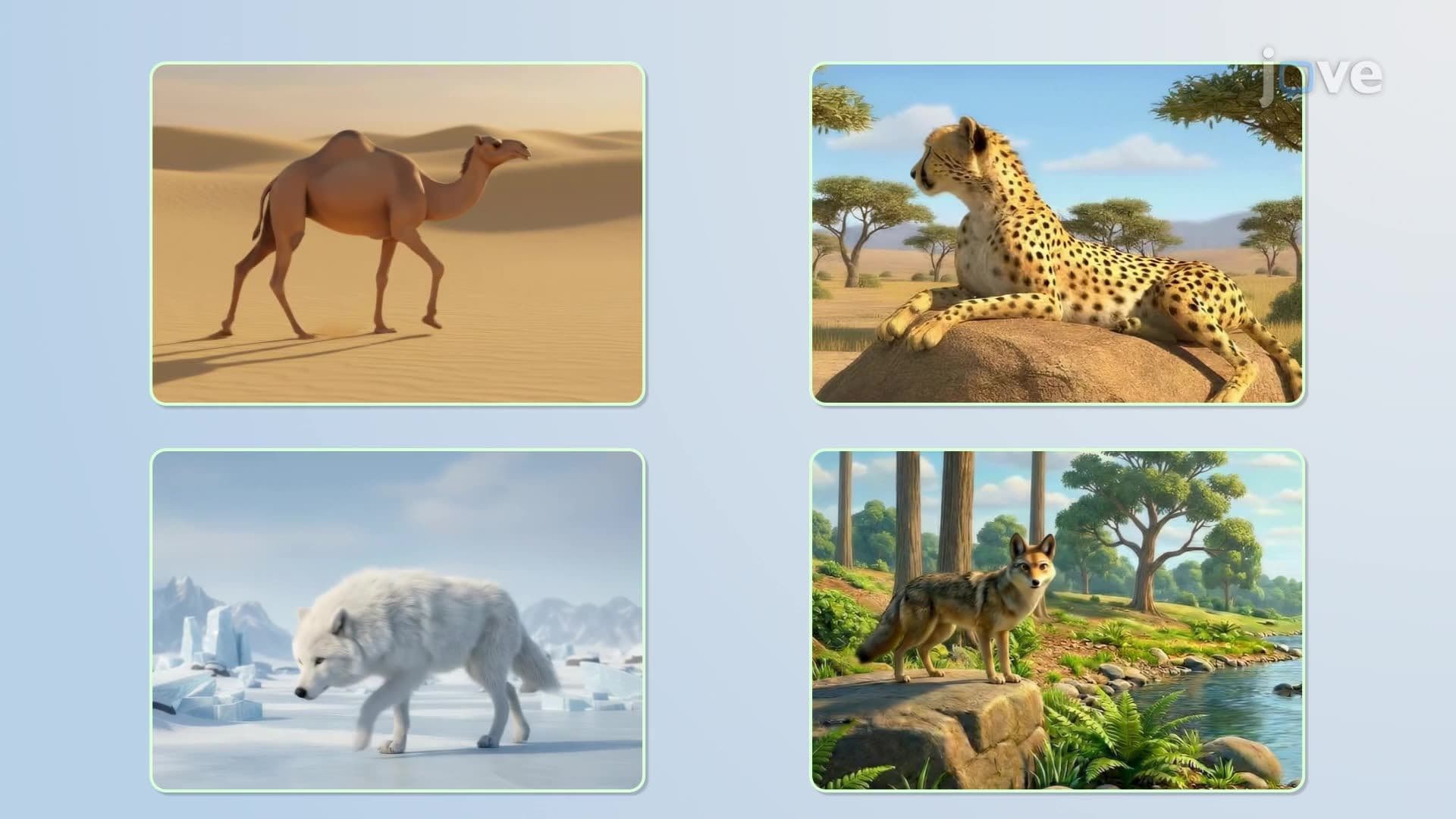
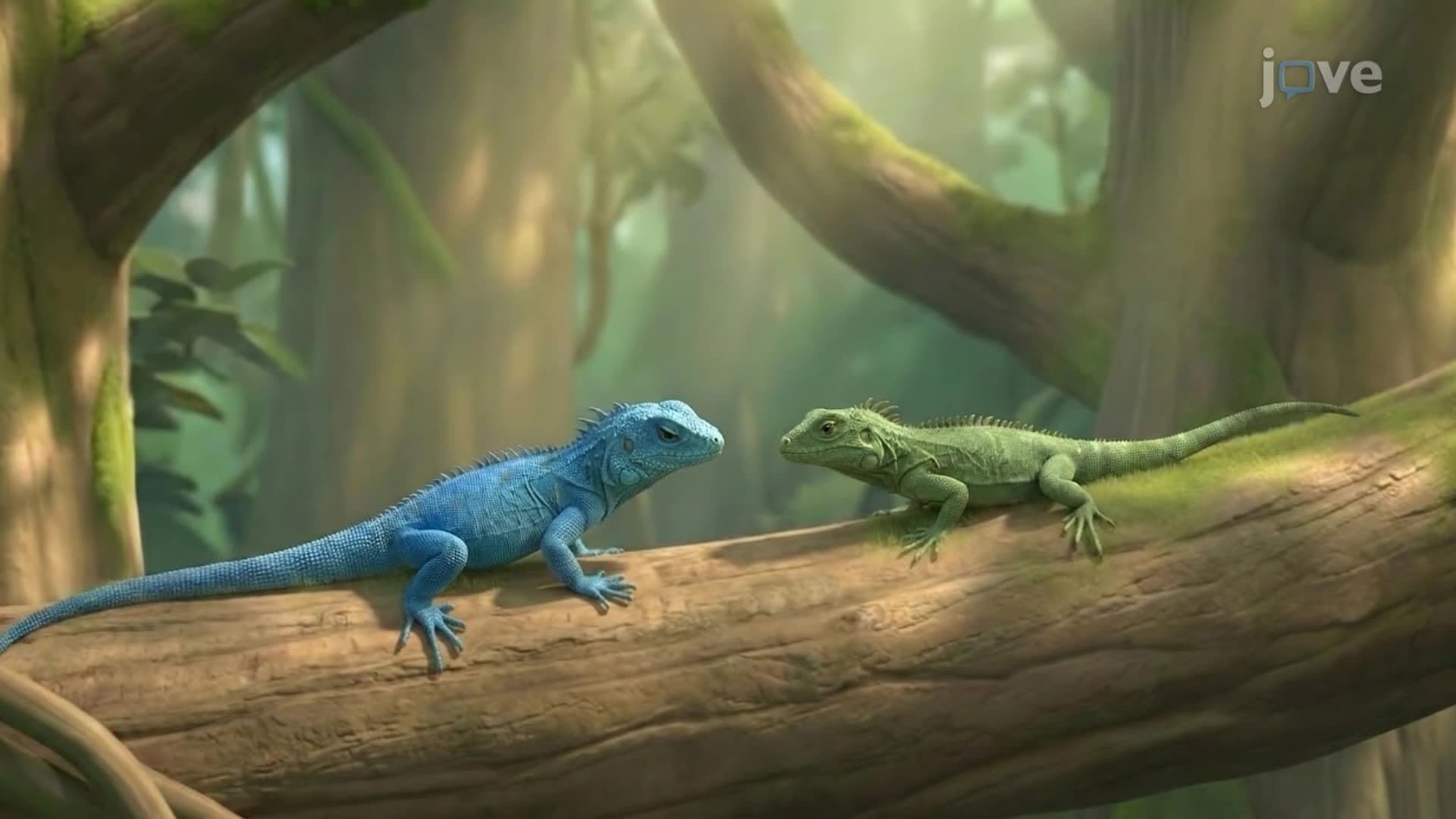
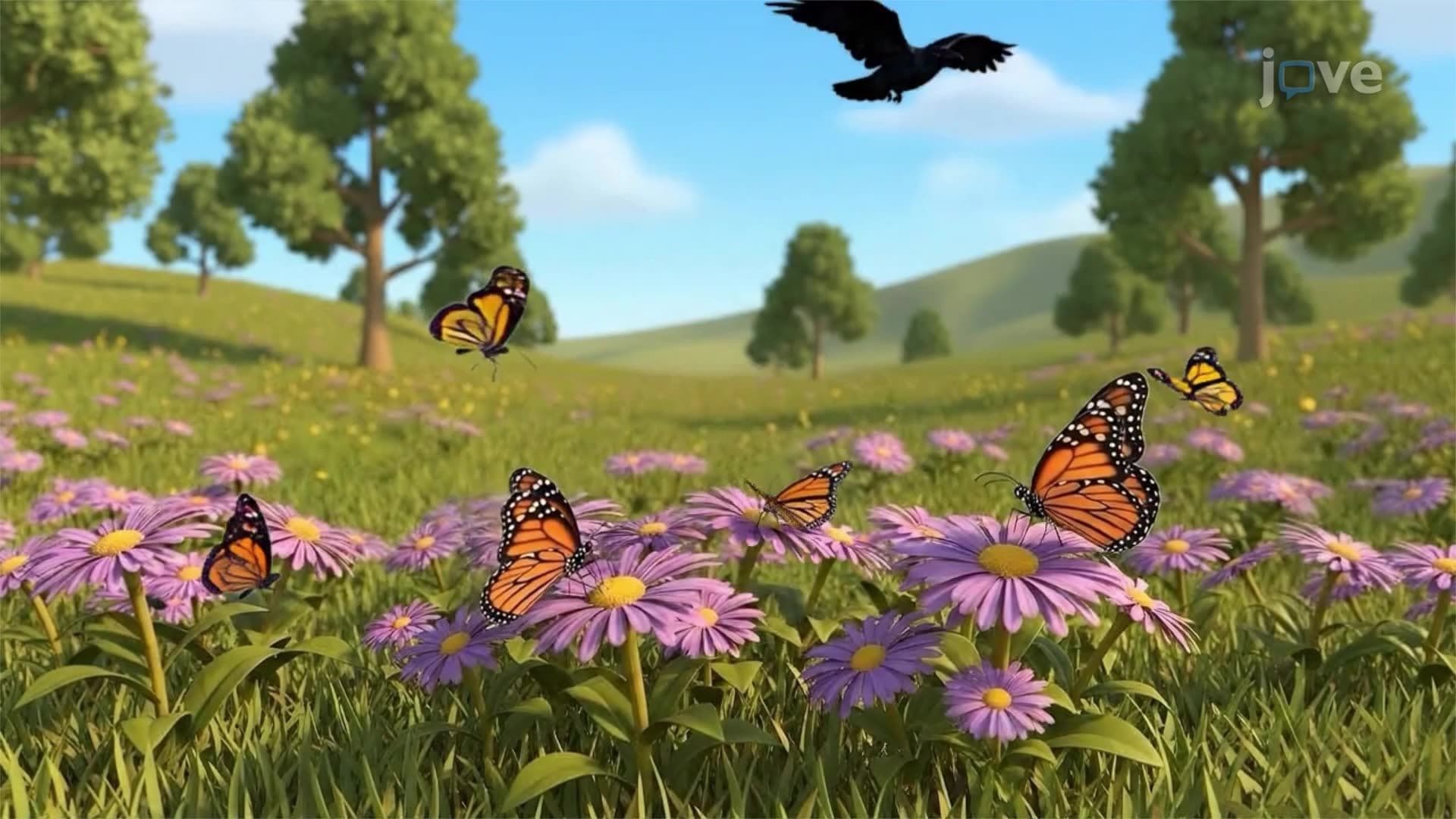
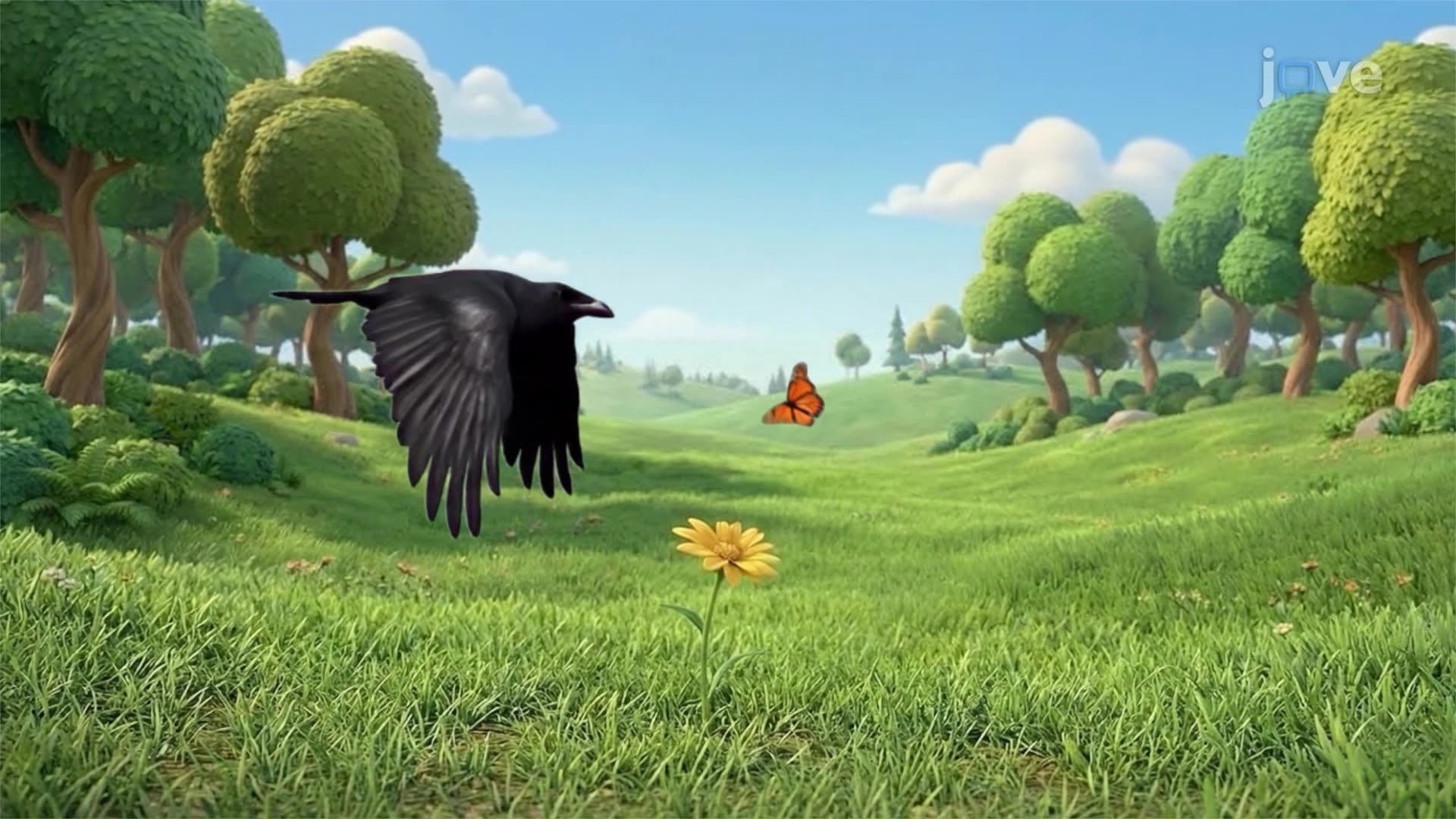
Ever wonder why ostriches can't fly despite having wings, or why cheetahs can't run even faster to catch prey? The limits to natural selection explain these evolutionary puzzles that challenge our understanding of "survival of the fittest." Unlike the perfect moth camouflage seen in North American forests, evolution often produces trade-offs and constraints that prevent organisms from achieving optimal adaptations. Three major factors-genetic variation availability, ancestral developmental constraints, and organism-level selection pressures-create boundaries that shape evolutionary outcomes. Watch the full video on JoVE Coach to master this concept with expert-led visuals and step-by-step explanations.
- Understand what is limits to natural selection and how these constraints shape evolutionary outcomes in real organisms
- Identify the three primary factors that restrict natural selection: genetic variation, developmental constraints, and trade-offs
- Analyze how limited genetic variation prevents populations from evolving beneficial traits even when environmentally advantageous
- Recognize developmental constraints inherited from ancestral species and their impact on modern evolutionary possibilities
- Evaluate trade-offs in natural selection where improving one trait comes at the expense of another characteristic
- Apply knowledge of selection limits to explain why certain seemingly beneficial adaptations don't evolve in nature
- Compare examples of constrained evolution versus successful adaptations in North American wildlife species
- Explore how understanding evolutionary limits helps predict which traits can realistically evolve in future generations
Understanding What is Limits To Natural Selection
The limits to natural selection represent fundamental constraints that prevent evolution from producing perfectly adapted organisms. While natural selection drives remarkable adaptations-like the cryptic wing patterns of peppered moths in industrial England or the echolocation abilities of North American bats-it operates within significant boundaries that shape evolutionary outcomes.
Genetic Variation Constraints
Natural selection can only work with existing genetic material within a population's gene pool. Consider the endangered California condor population, which bottlenecked to just 27 individuals in 1987. Despite environmental pressures favoring disease resistance, these birds cannot rapidly evolve stronger immune systems because the necessary genetic variants were lost during the population crash. This illustrates how limits natural selection definition encompasses the fundamental requirement for heritable variation.
AP Biology students frequently encounter this concept when studying population genetics. The Hardy-Weinberg principle demonstrates that allele frequencies remain constant without evolutionary forces, but more importantly, it shows that evolution cannot proceed without genetic variation-regardless of environmental pressure intensity.
Developmental and Historical Constraints
Evolutionary history creates powerful limitations through inherited developmental pathways. The classic example involves vertebrate limb development: all tetrapods, from bats to whales to humans, maintain the same basic bone structure (one upper arm bone, two forearm bones, five digits) because this pattern was established in early vertebrate ancestors.
American alligators perfectly illustrate this constraint. Despite occupying aquatic environments for millions of years, they retain four limbs rather than evolving fish-like fins because their developmental program locks in the tetrapod body plan. This limits to natural selection concept explained through historical contingency appears frequently on MCAT biology sections.
Trade-offs and Competing Selection Pressures
Natural selection acts on whole organisms, not isolated traits, creating inevitable compromises. The North American pronghorn antelope exemplifies this limitation-while capable of running 60 mph (faster than any predator in North America), their lightweight build for speed makes them vulnerable to harsh winters that favor larger, more robust body types.
College-level evolutionary biology courses emphasize these trade-offs when examining life history strategies. Students learn that organisms cannot simultaneously maximize all beneficial traits-increased reproductive output often reduces lifespan, enhanced predator detection may decrease foraging efficiency, and improved disease resistance might compromise growth rates.
Implications for Understanding Evolution
Recognizing these constraints helps explain seemingly suboptimal designs in nature. The human eye's "backward" retina, with blood vessels and nerves in front of photoreceptors, results from developmental constraints inherited from our vertebrate ancestors. While cephalopods evolved "forward" retinas without this blind spot limitation, vertebrates remain constrained by their evolutionary history.
Frequently Asked Questions
Limits to natural selection are constraints that prevent evolution from creating perfectly adapted organisms. These include limited genetic variation, developmental restrictions from ancestral species, and trade-offs where improving one trait harms another. Think of evolution as working within boundaries rather than having unlimited creative power.
AP Bio frequently tests this through population genetics problems and evolutionary scenarios. Students might analyze why certain beneficial mutations don't spread or explain developmental constraints using homologous structures. The College Board often includes questions about trade-offs in life history strategies and genetic bottlenecks limiting adaptive potential.
MCAT biology sections commonly test developmental constraints through comparative anatomy and trade-offs in physiological systems. Expect passages about vestigial structures, convergent versus divergent evolution, and population genetics scenarios. Understanding why "optimal" solutions don't always evolve demonstrates critical thinking skills valued in medical education.
The Florida panther population perfectly illustrates genetic variation limits. With fewer than 200 individuals, this subspecies lacks genetic diversity for adapting to diseases or environmental changes, despite strong selection pressure for survival. Conservationists must introduce Texas cougars to increase genetic variation artificially.
Not at all-this concept builds naturally on basic natural selection principles you already know. If you understand that traits must be heritable to evolve, you're ready to explore what happens when that variation is limited. Start with familiar examples like dog breeding constraints, then apply the same logic to wild populations.
Create comparison charts showing constrained versus successful adaptations, practice explaining why seemingly beneficial traits don't evolve, and memorize key examples for each limitation type. Focus on connecting genetic principles to evolutionary outcomes, as this integration appears frequently in standardized tests.
Explore speciation mechanisms, adaptive radiation, and coevolution patterns. Understanding how constraints shape evolutionary outcomes provides excellent foundation for studying why certain lineages diversify rapidly while others remain stable. Population genetics mathematics and phylogenetic analysis naturally follow this conceptual groundwork.
Absolutely-humans face the same evolutionary constraints as other species. Our upright posture creates childbirth difficulties, our large brains require extended childhood dependency, and our social nature creates trade-offs between individual and group benefits. Modern medicine and technology add new dimensions to these ancient limitations.
This concept appears across multiple biology courses-from introductory evolution units to advanced population genetics and developmental biology. Understanding these limits helps explain biodiversity patterns, conservation challenges, and applied evolution topics like antibiotic resistance and agricultural breeding programs.
Related Micro-courses
5 Concepts
7 Concepts
21 Concepts