Loading subject page…

- Biology
- Plant Reproduction
- Seed Structure and Early Development of the Sporophyte
Micro-course: Plant Reproduction
293,301 views
Learn key concepts and earn your certificate.

Seed Structure and Early Development of the Sporophyte

00:00
02:33
Video Summary: Seed Structure and Early Development Sporophyte Explained
Did you know that inside every apple seed lies a complete blueprint for growing a towering tree? Seed structure early development begins with double fertilization, where one sperm creates the embryo while another forms nutrient-rich endosperm. From California's almond orchards to Florida's orange groves, farmers rely on understanding how cotyledons, radicles, and plumules work together during germination to produce healthy crops. Seed Structure And Early Development Sporophyte Explained reveals how these microscopic structures transform into the plants that feed America. Watch the full video on JoVE Coach to master this concept with expert-led visuals and step-by-step explanations.
- Understand how Seed Structure And Early Development Sporophyte Explained demonstrates the transition from fertilization to germination through double fertilization processes
- Identify the key components of seed anatomy including cotyledons, endosperm, radicle, plumule, and hypocotyl in both monocot and dicot seeds
- Compare structural differences between monocot seeds (single scutellum) and dicot seeds (two cotyledons) and their respective germination strategies
- Analyze how the sporophyte embryo develops from diploid zygote formation and organizes into distinct tissue precursors for future plant organs
- Evaluate the role of food storage mechanisms in endosperm versus cotyledons and how these support early seedling development
- Apply knowledge of germination sequences to predict seedling emergence patterns and early growth requirements
- Recognize the relationship between seed coat protection, environmental triggers, and successful sporophyte establishment
- Explore how understanding seed development connects to agricultural practices and plant breeding applications
Understanding Seed Structure And Early Development Sporophyte Explained
The journey from flower to seedling represents one of nature's most remarkable transformations. Seed structure early development begins when double fertilization occurs within the flower's ovary, creating both the future plant (sporophyte embryo) and its food supply (endosperm). This process ensures that every seed contains not just genetic instructions, but also the energy reserves needed for successful germination.
Double Fertilization and Sporophyte Formation
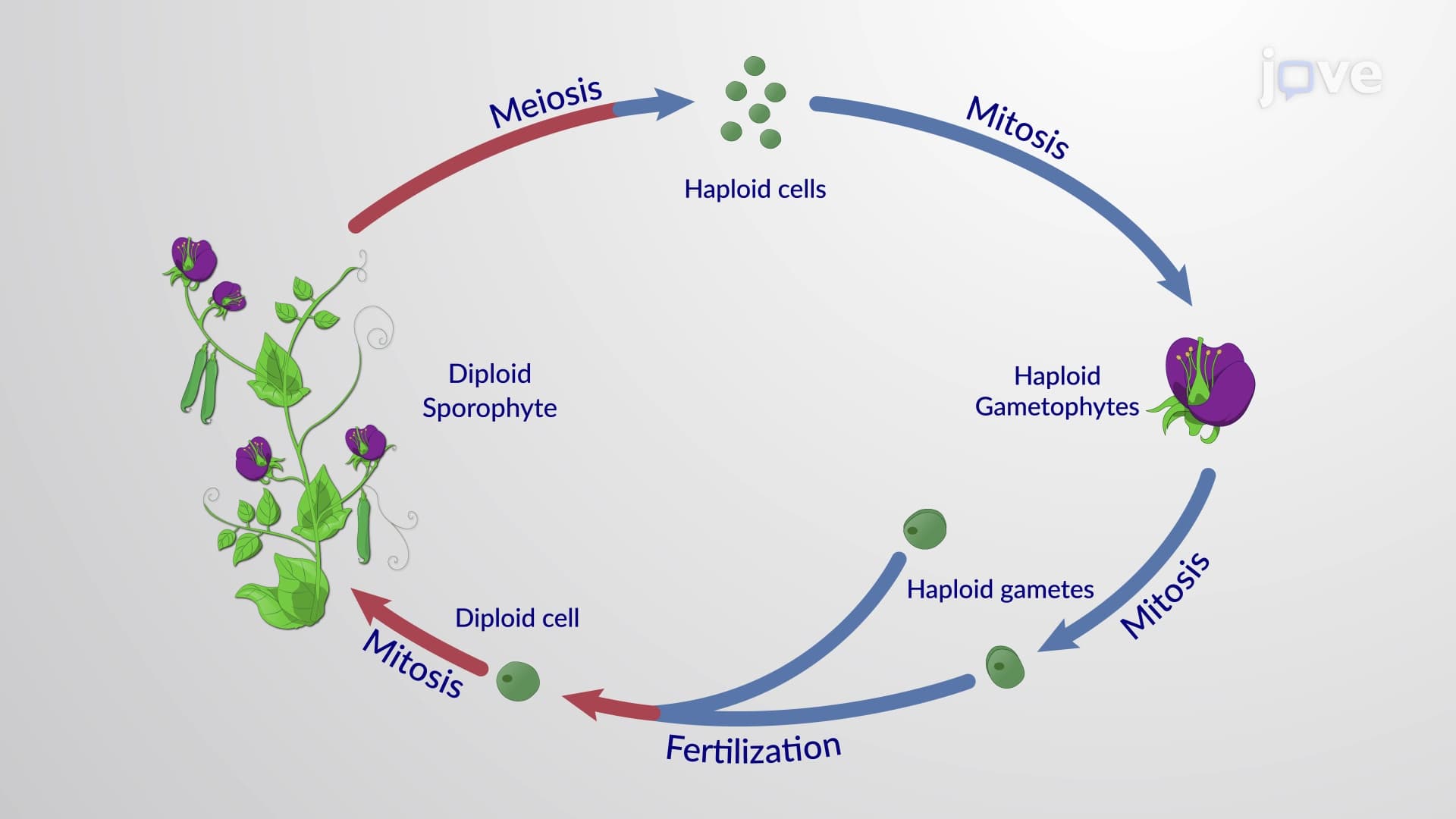
Double fertilization is unique to flowering plants and creates the foundation for seed structure and early development sporophyte explained. When pollen reaches the ovule, two sperm cells are released. One fertilizes the egg cell, forming a diploid zygote that develops into the sporophyte embryo. The second sperm fuses with two polar nuclei, creating triploid endosperm tissue. This dual process ensures that food production matches embryo development, preventing energy waste.
The resulting sporophyte embryo contains genetic material from both parents and organizes into distinct regions: the radicle (future root), plumule (future shoot), and hypocotyl (stem connection). Students preparing for AP Biology exams should remember that this diploid sporophyte represents the dominant generation in flowering plant life cycles, contrasting with the reduced gametophyte stage.
Monocot vs. Dicot Seed Architecture
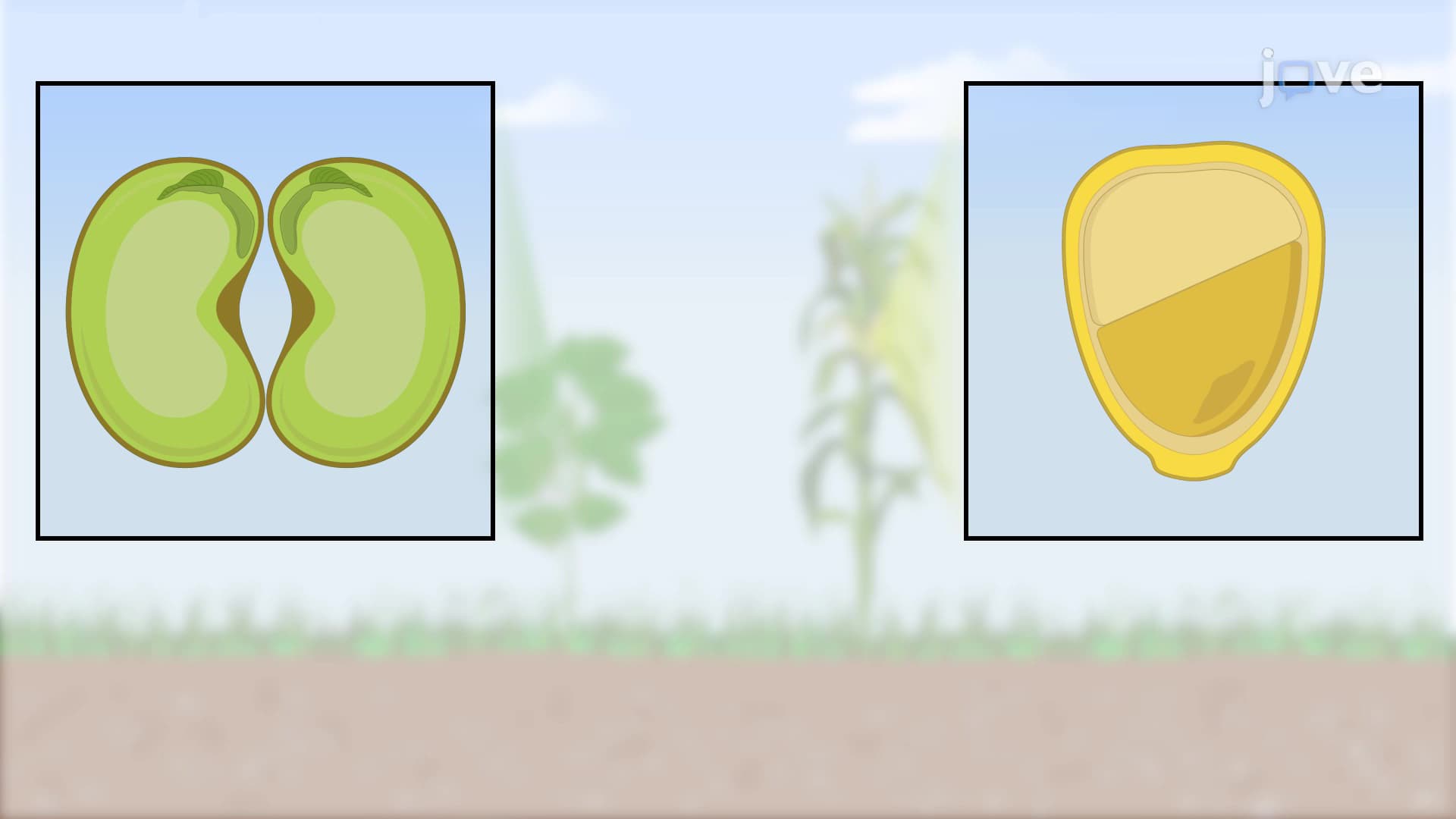
What is seed structure and early development sporophyte becomes clearer when examining the two main seed types. Monocot seeds, like corn and wheat that dominate American agriculture, contain a single large cotyledon called the scutellum. This specialized structure absorbs nutrients from the endosperm and transfers them to the growing embryo during germination.
Dicot seeds, including beans, peas, and most trees in US forests, feature two cotyledons that often store nutrients directly. Many mature dicot seeds lack endosperm entirely, having transferred all food reserves to the cotyledons during development. This difference affects germination timing and early growth patterns, making it crucial for understanding crop management in American farming systems.
Germination and Early Sporophyte Development
The transition from dormant seed to active seedling follows predictable stages that demonstrate seed structure and early development sporophyte concept explained. Germination begins when water uptake causes the seed coat to rupture, allowing the radicle to emerge first and establish root contact with soil. The hypocotyl then straightens, lifting cotyledons toward light.
As photosynthesis begins in the first true leaves, cotyledons gradually wither as their stored nutrients are depleted. This process typically takes 2-3 weeks in common garden plants, making it observable in high school biology labs across the country. Understanding these stages helps students succeed on college botany exams and provides practical knowledge for agriculture and horticulture careers.
Frequently Asked Questions
Seed structure and early development sporophyte refers to how seeds form from fertilized flowers and develop into new plants. The process involves double fertilization creating both an embryo (future plant) and endosperm (food storage), followed by germination where the embryo grows into a seedling using stored nutrients.
AP Biology frequently tests double fertilization, monocot vs dicot differences, and germination sequences. Expect questions about cotyledon function, endosperm formation, and sporophyte generation dominance. Students should memorize the embryonic axis components: radicle, plumule, and hypocotyl for multiple-choice success.
Introduction to Biology, Botany, Plant Physiology, and Agricultural Science courses extensively cover these topics. Many pre-med students encounter seed development in college biology prerequisites for the MCAT. Plant science majors study advanced versions in crop science and horticulture programs.
American agriculture relies heavily on seed science for crop production, from California's Central Valley to Iowa's corn belt. Plant breeders use seed development knowledge to improve varieties, while farmers apply germination principles for optimal planting timing and conditions.
Basic high school biology is sufficient for understanding seed structure concepts. While advanced biochemistry helps explain enzyme processes during germination, the fundamental structures and developmental stages can be learned with standard biology vocabulary and cellular knowledge.
Create comparison charts between monocot and dicot seeds, practice labeling seed anatomy diagrams, and memorize the germination sequence. Use flashcards for vocabulary terms and draw your own seed cross-sections to reinforce spatial relationships between structures.
Understanding natural seed development provides the foundation for genetic engineering applications in agriculture. Companies like Monsanto and DowDuPont modify seed characteristics by targeting specific developmental pathways, making this knowledge valuable for biotechnology careers.
Build on this foundation with plant life cycles, photosynthesis mechanisms, and plant hormones. Advanced students can explore plant genetics, agricultural biotechnology, or environmental botany to understand how seed development fits into broader ecological and economic systems.
Related Micro-courses
8 Concepts

8 Concepts
21 Concepts