Loading subject page…


293,303 views

Video Summary: What Is Asexual Reproduction
Did you know that a single potato eye can grow into an entire new plant without any need for pollination? Asexual reproduction allows organisms to create genetically identical offspring without sexual processes, bypassing the typical fusion of gametes. From California's commercial strawberry farms using runners to propagate crops to dandelions spreading across American lawns through seed production without fertilization, asexual reproduction is everywhere around us. Watch the full video on JoVE Coach to master this concept with expert-led visuals and step-by-step explanations.
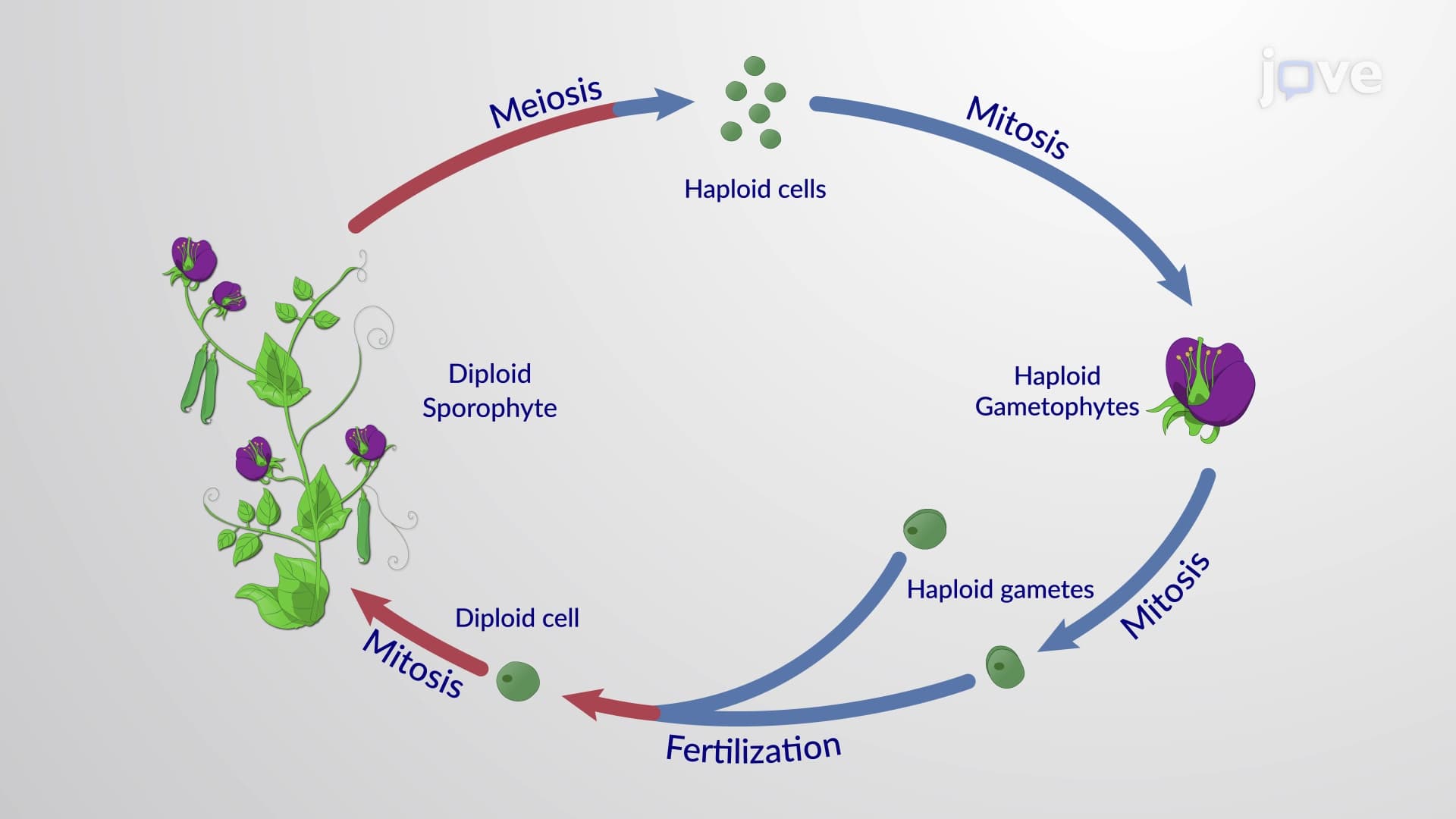
What is asexual reproduction represents one of biology's most fascinating survival strategies. Unlike sexual reproduction, which requires the fusion of male and female gametes through meiosis, asexual reproduction produces offspring that are genetic clones of the parent organism. This process, also known as vegetative reproduction in plants, occurs without fertilization and maintains the exact genetic makeup of the parent generation.
The biological significance extends far beyond simple reproduction. Asexual reproduction allows organisms to rapidly colonize favorable environments and maintain successful genetic combinations without the energy costs associated with finding mates or producing sex cells. Students preparing for AP Biology exams should understand that this reproductive strategy represents an evolutionary trade-off between rapid population growth and genetic diversity.
Vegetative propagation serves as the primary natural method where detached plant fragments develop into complete organisms. American gardeners witness this daily when strawberry plants send out runners, creating new plants identical to the parent. Potato cultivation across Idaho and Washington relies heavily on this principle-each "seed potato" planted by farmers contains eyes that regenerate entire new plants.
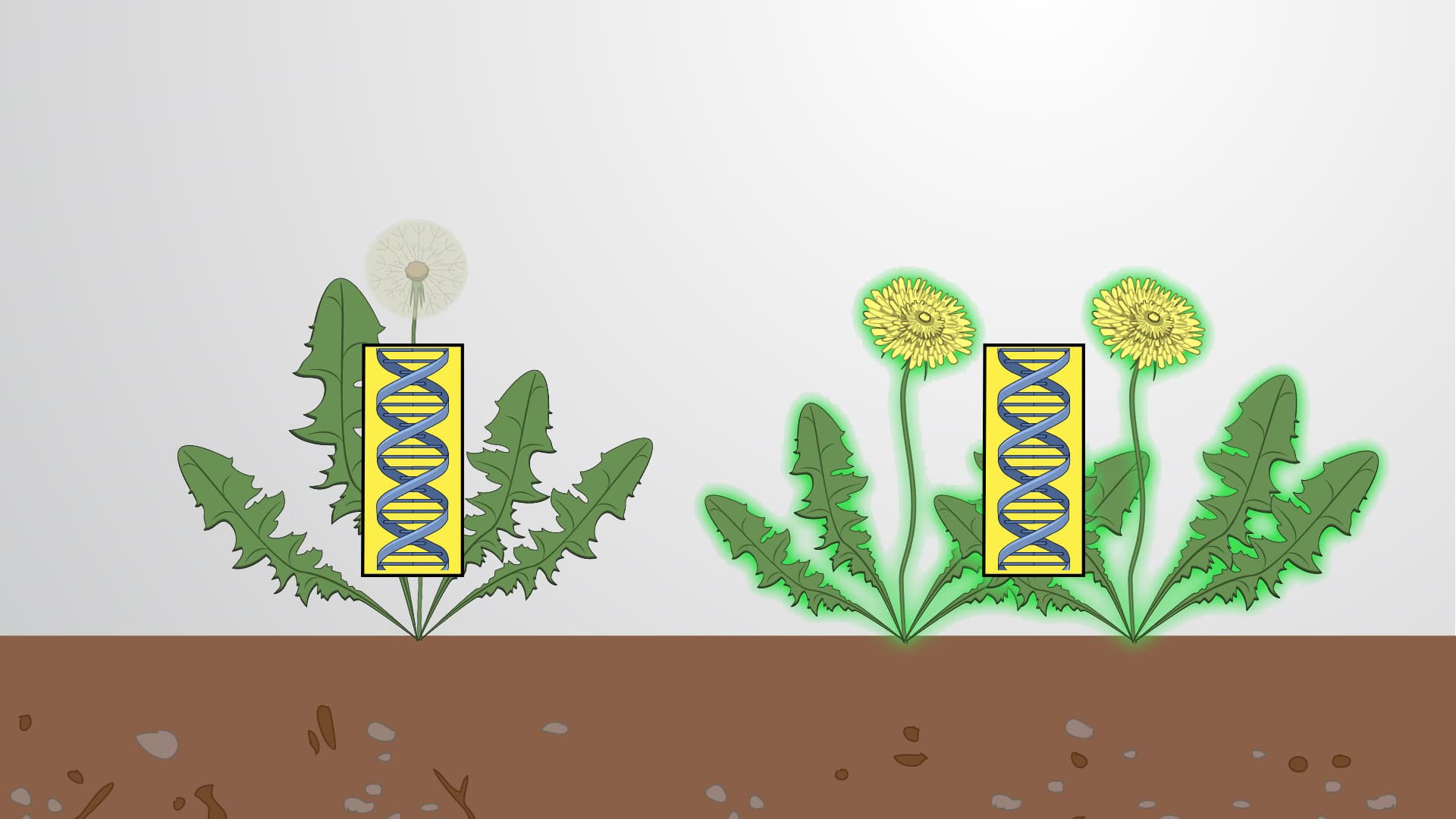
Apomixis represents another crucial mechanism where seeds form without fertilization. Dandelions demonstrate this process beautifully across American lawns, producing viable seeds that maintain the parent's genetic identity. This mechanism proves particularly valuable for hybrid plants that might otherwise be sterile, allowing them to overcome reproductive barriers and pass intact genomes to offspring.
For college-level botany courses, students should recognize how these mechanisms enable rapid colonization. A single dandelion plant can theoretically produce hundreds of genetically identical offspring in a single growing season, explaining their success as both wildflowers and weeds throughout North America.
Modern American agriculture depends heavily on artificial asexual reproduction techniques. Grafting combines desirable traits from different plant varieties-California's wine industry exemplifies this through grape cultivation, where disease-resistant rootstock supports scions selected for fruit quality. The scion-to-rootstock connection creates plants with enhanced survival characteristics while maintaining desired grape varieties.
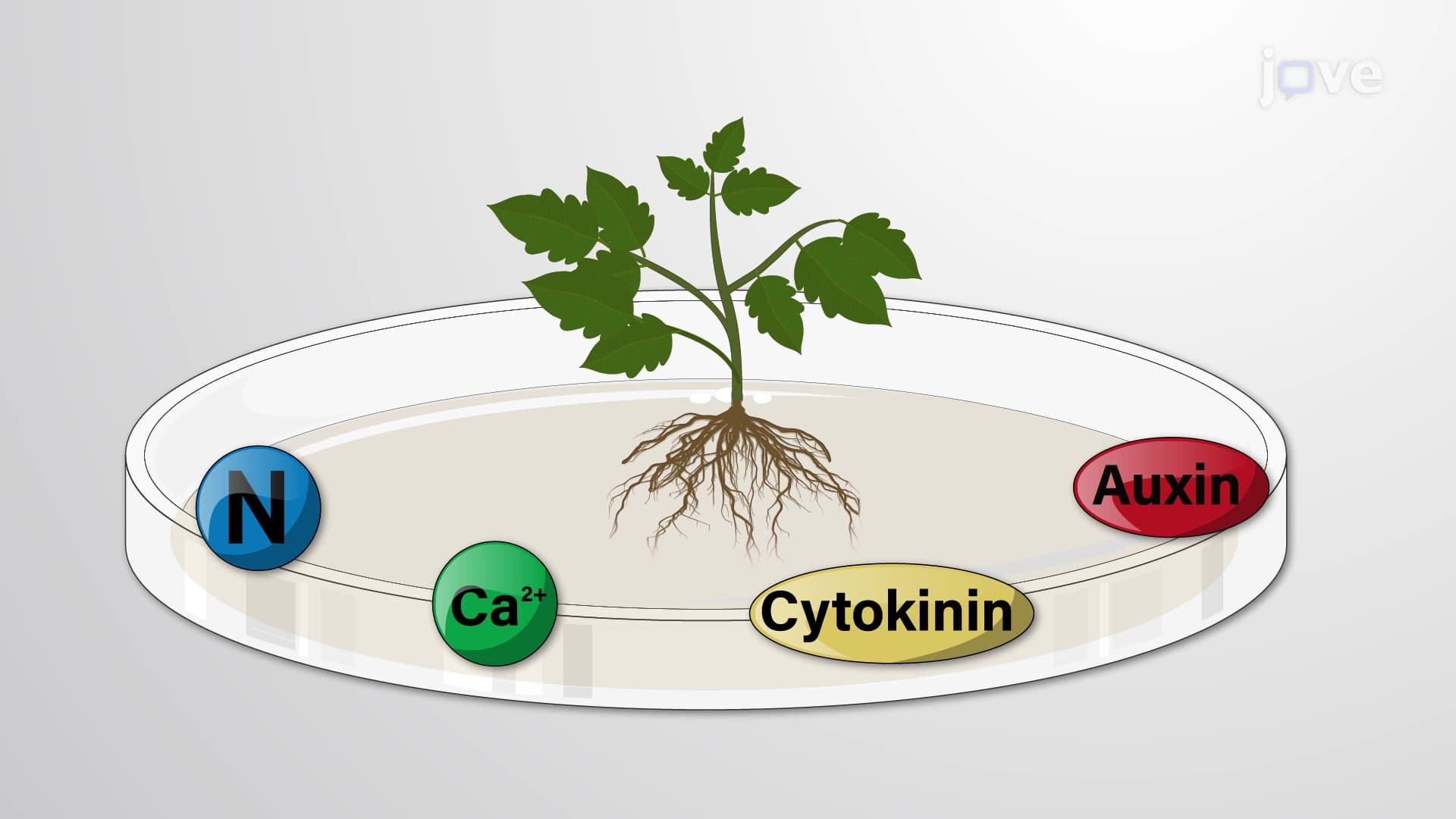
Cutting propagation drives the nursery industry, with facilities from Oregon to Florida producing millions of identical plants for landscaping and agriculture. Layering techniques help propagate difficult-to-root species, while micropropagation enables mass production of disease-free plants in laboratory settings.
Students studying agricultural science or preparing for MCAT biology sections should understand how these techniques revolutionized crop production, enabling consistent quality and yield while reducing dependence on seed production.
Asexual reproduction offers distinct advantages in stable environments where parent plants demonstrate successful adaptation. Genetic uniformity ensures offspring inherit proven survival traits, making this strategy ideal for colonizing new territories or maintaining populations in harsh conditions.
However, this genetic uniformity creates vulnerability to environmental changes, diseases, and pests. The Irish Potato Famine of the 1840s, though affecting Ireland, illustrates risks that American agriculture actively manages through genetic diversity programs. Modern American potato cultivation maintains multiple varieties specifically to prevent such catastrophic losses.
Related Micro-courses