Loading subject page…


293,301 views

Video Summary: What Is Pollination and Flower Structure
Ever wonder how a single bee visiting your backyard sunflowers creates the seeds that feed millions of birds each fall? Pollination flower structure represents one of nature's most intricate reproductive systems, where specialized plant organs work together to ensure species survival. Consider how California's almond industry depends entirely on this process, without proper pollination, the $5 billion crop would fail completely. What is Pollination And Flower Structure reveals the fascinating mechanisms behind sexual reproduction in flowering plants, from petal attraction strategies to fertilization success. Watch the full video on JoVE Coach to master this concept with expert-led visuals and step-by-step explanations.
Pollination flower structure represents a sophisticated biological system where form directly supports reproductive function. Flowering plants (angiosperms) have evolved intricate anatomical features that maximize fertilization success while minimizing energy waste. This reproductive strategy has made angiosperms the most diverse plant group on Earth, with over 300,000 species adapting to virtually every terrestrial environment.
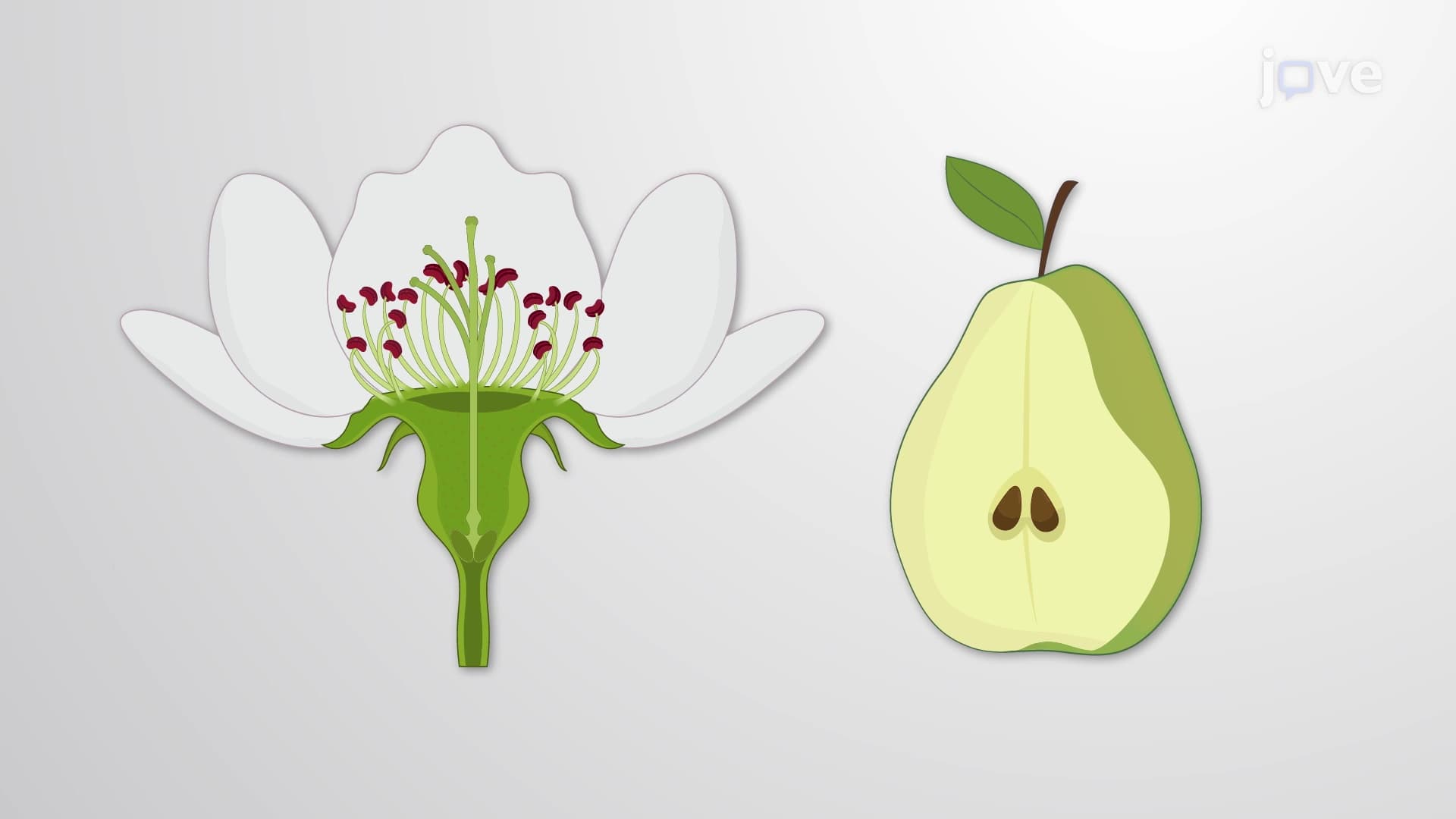
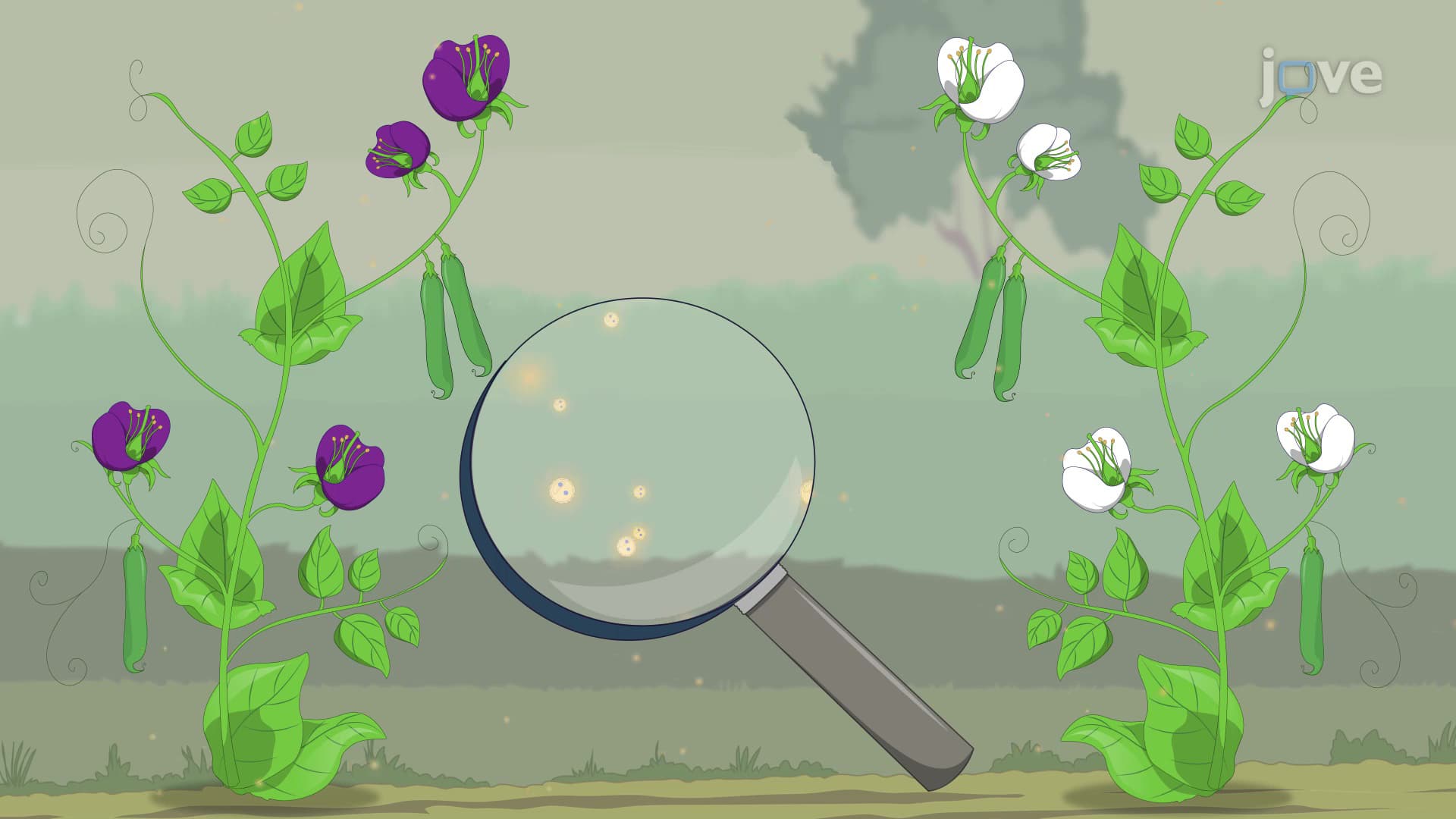
The four primary floral organs work in coordinated fashion. Sepals form the outermost protective layer, typically green and leaf-like, encasing developing flower buds during vulnerable early stages. Petals create the attractive display that signals reproductive readiness to pollinators, often featuring ultraviolet patterns invisible to human eyes but clearly visible to insects. These visual cues, combined with chemical attractants like nectar and volatile compounds, create species-specific pollinator relationships.
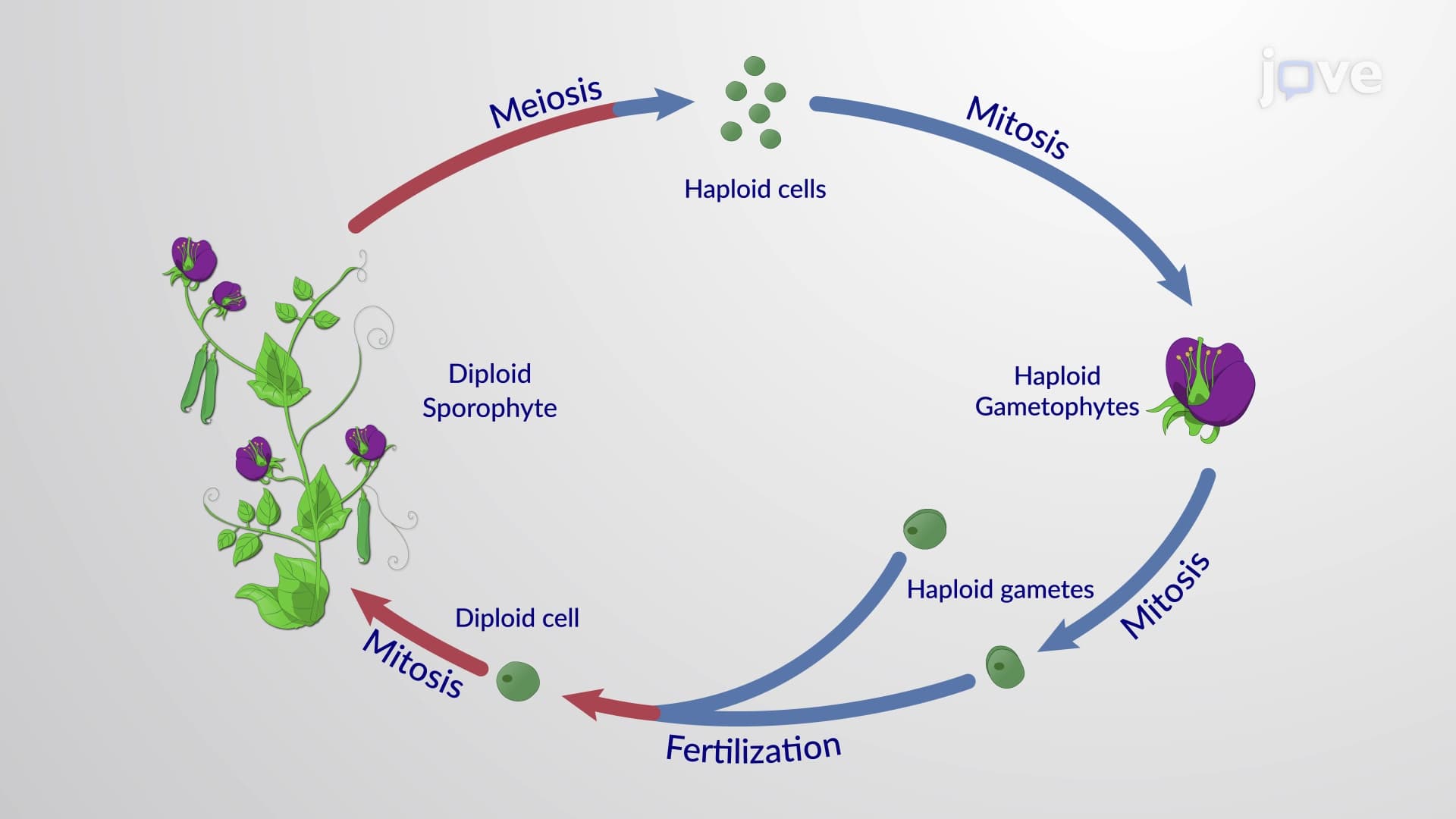
Stamens represent the male reproductive apparatus, consisting of thread-like filaments supporting anthers where pollen development occurs. Within anther tissues, specialized cells undergo meiosis to produce microspores, which mature into pollen grains containing male gametes. This process, called microsporogenesis, typically produces thousands of pollen grains per anther, ensuring adequate sperm availability for fertilization attempts.
Carpels house the female reproductive components, featuring three distinct regions with specialized functions. The stigma's sticky surface captures and discriminates among pollen grains, often showing species-specific recognition mechanisms. The style provides a protected pathway for pollen tube growth, while the ovary contains ovules where female gametes develop through megasporogenesis.
Animal-mediated pollination dominates in US ecosystems, with over 80% of flowering plants depending on biological vectors. Bees represent the most economically important pollinators, contributing approximately $15 billion annually to US crop production through services to almonds, apples, blueberries, and other specialty crops. Butterfly and moth pollination supports native wildflower communities, while hummingbird pollination characterizes many red, tubular flowers in western states.
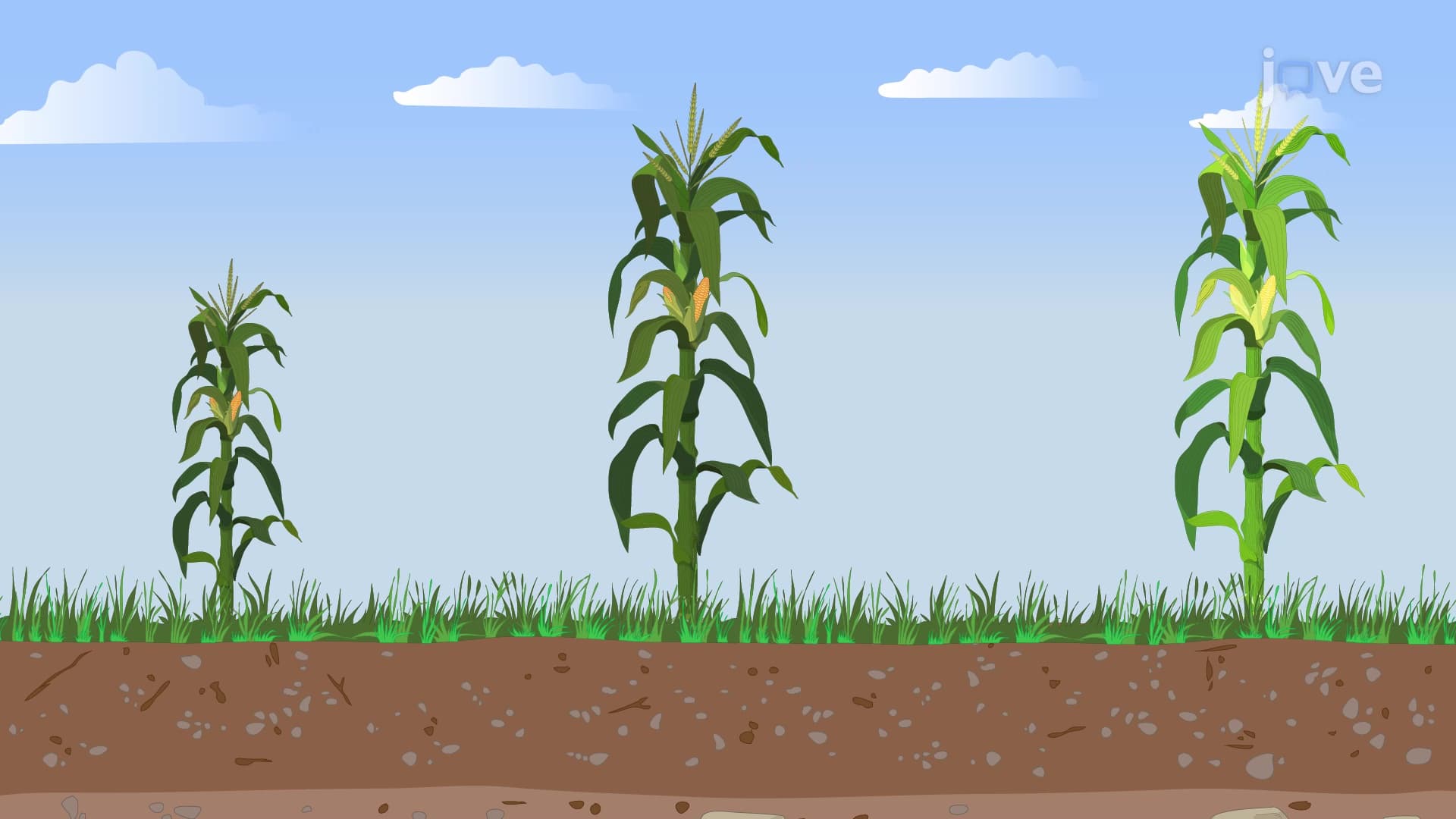
Wind pollination, though less common, proves essential for major grain crops including corn, wheat, and rice. These plants produce enormous quantities of lightweight pollen, compensating for the random nature of wind dispersal. Students preparing for AP Biology exams should recognize that wind-pollinated flowers typically lack colorful petals and nectar, investing energy instead in pollen production and release mechanisms.
Following successful pollination, pollen tubes grow through style tissues, guided by chemical gradients toward ovules. This process can take hours to days depending on species and environmental conditions. Double fertilization, unique to flowering plants, produces both embryonic tissue and nutritive endosperm, maximizing seed survival rates. Understanding these mechanisms helps explain agricultural practices like controlled pollination in hybrid seed production and the importance of pollinator conservation in sustainable farming systems.
Related Micro-courses