Loading subject page…


293,303 views

Video Summary: What Is the Angiosperm Life Cycle
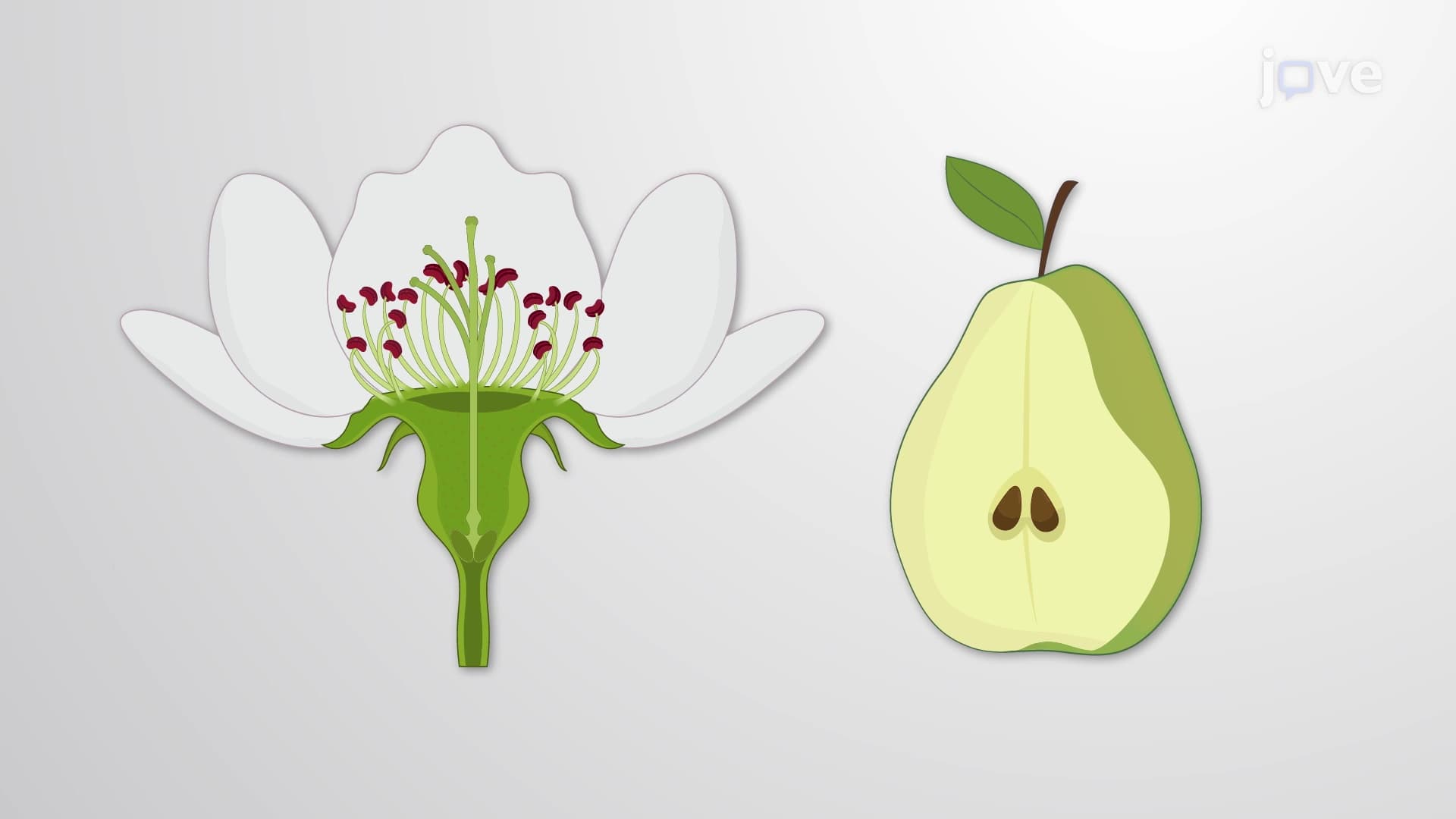
Ever wonder how an apple tree produces fruit from tiny flowers, or how corn kernels form from tassels? The angiosperm life cycle governs reproduction in flowering plants-from California's almond orchards to Iowa's cornfields. This complex process involves alternating generations, with the dominant sporophyte stage producing specialized reproductive structures in flowers. Unlike simpler plants, angiosperms perform double fertilization, creating both embryos and nutrient-rich endosperm within protective seeds. Watch the full video on JoVE Coach to master this concept with expert-led visuals and step-by-step explanations.
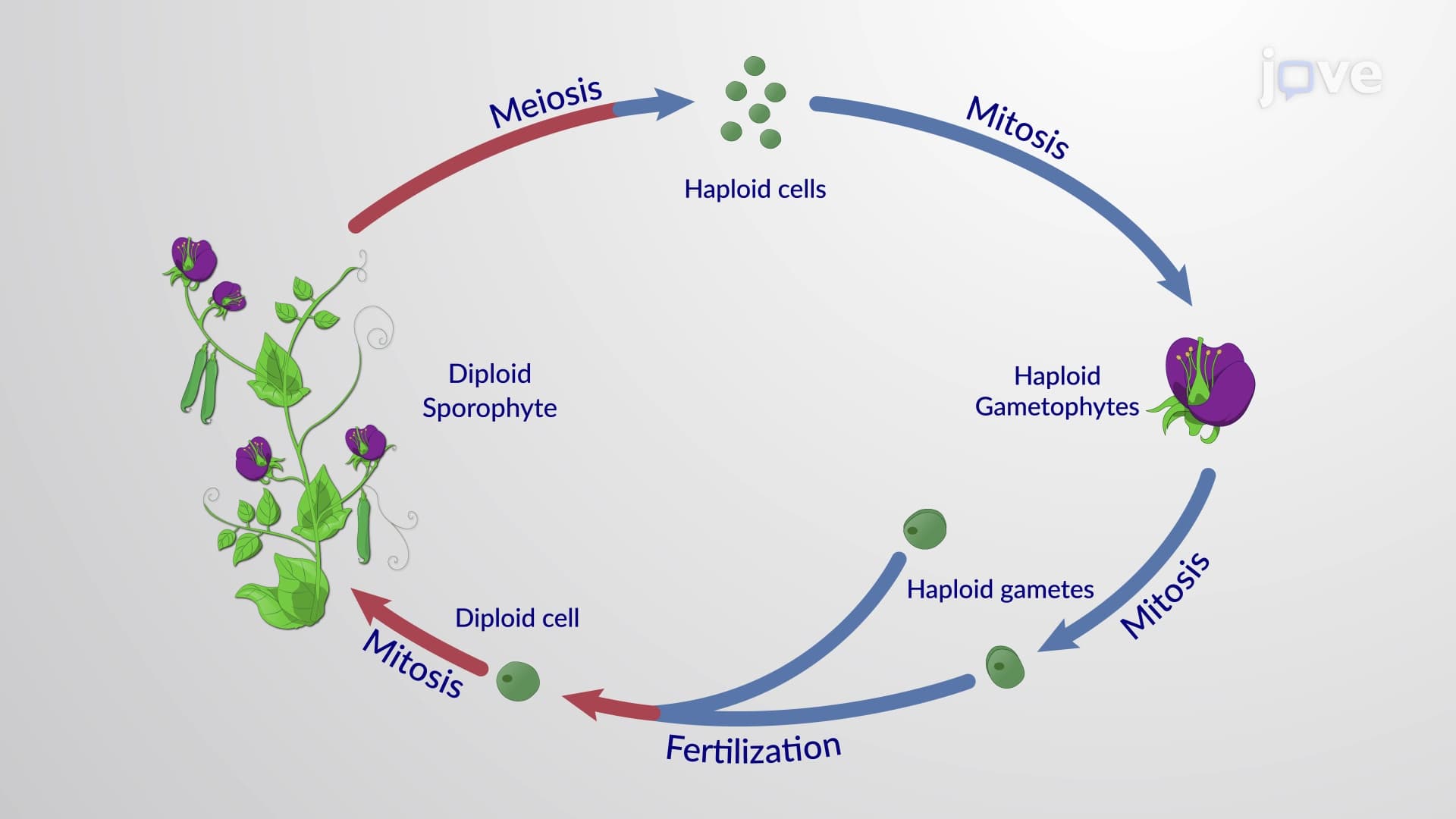
The angiosperm life cycle represents one of evolution's most successful reproductive strategies, enabling flowering plants to dominate terrestrial ecosystems worldwide. Unlike mosses or ferns, angiosperms have evolved a sporophyte-dominant life cycle where the familiar plant body-whether it's a rose bush or wheat stalk-represents the diploid, spore-producing generation. This dominance allows for more complex structures, better resource allocation, and enhanced survival capabilities.
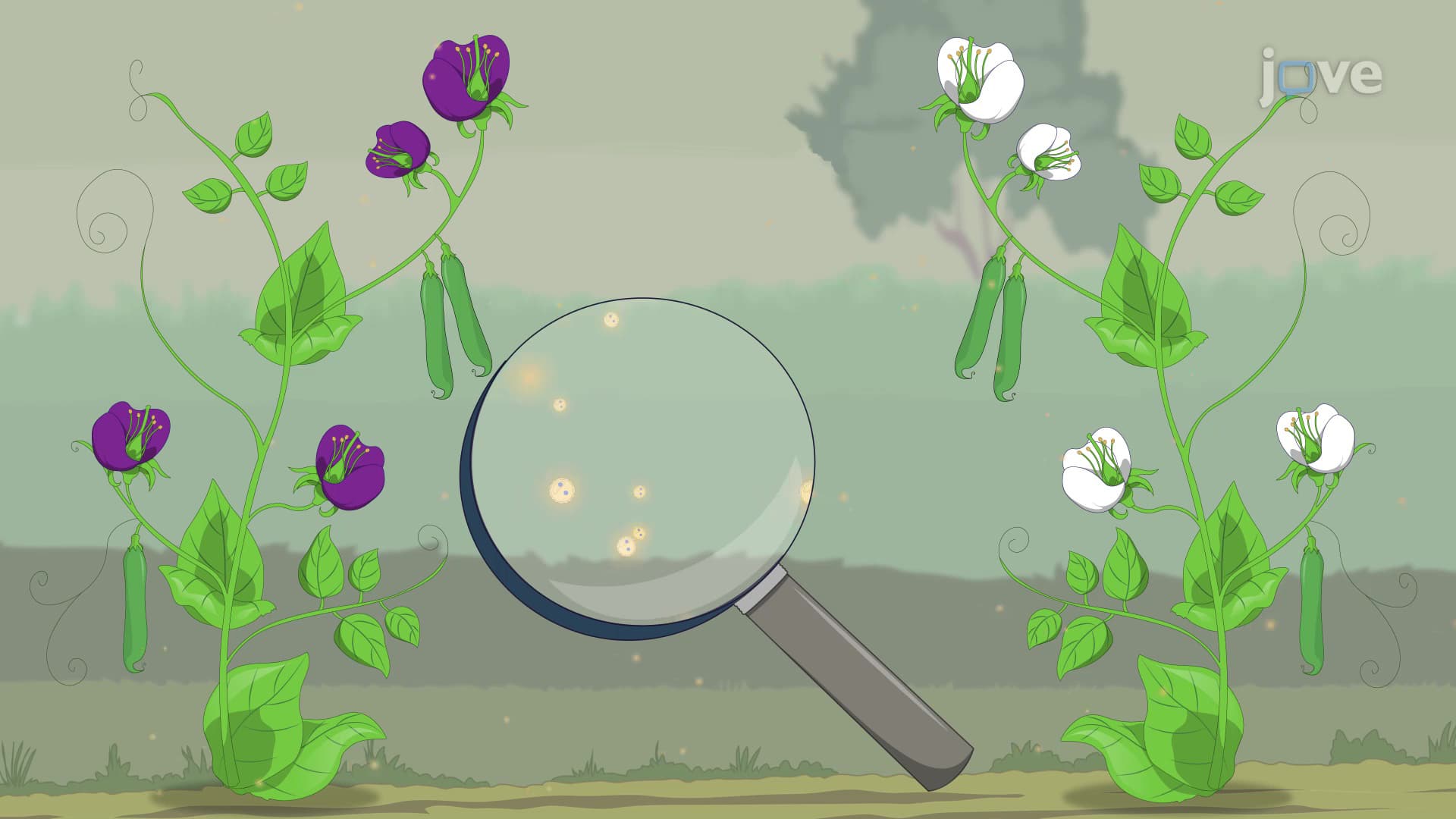
Within flower anthers, microsporocytes undergo meiosis to produce haploid microspores. Each microspore develops into a mature pollen grain containing two key cells: a tube cell and a generative cell. When pollen reaches a compatible stigma (the receptive surface of the carpel), the tube cell elongates into a pollen tube that grows down through the style toward the ovule. Meanwhile, the generative cell divides to form two sperm cells-a crucial step for the upcoming fertilization process.
This mechanism explains why wind-pollinated crops like corn produce massive amounts of pollen, while bee-pollinated plants like apples invest in colorful petals and nectar rewards. Understanding this process helps students grasp why agricultural practices like controlled pollination are essential for hybrid seed production.
Female reproductive structures develop within the ovary's ovules. A single megasporocyte undergoes meiosis to produce four megaspores, but only one survives and develops into the embryo sac (also called the female gametophyte). This seven-celled structure contains the egg cell, two synergid cells, three antipodal cells, and a central cell with two polar nuclei.
The embryo sac's organization is critical for successful fertilization and seed development. AP Biology students often encounter questions about this structure, particularly regarding the role of the central cell in endosperm formation-a unique angiosperm innovation that provides nutritional support for developing embryos.
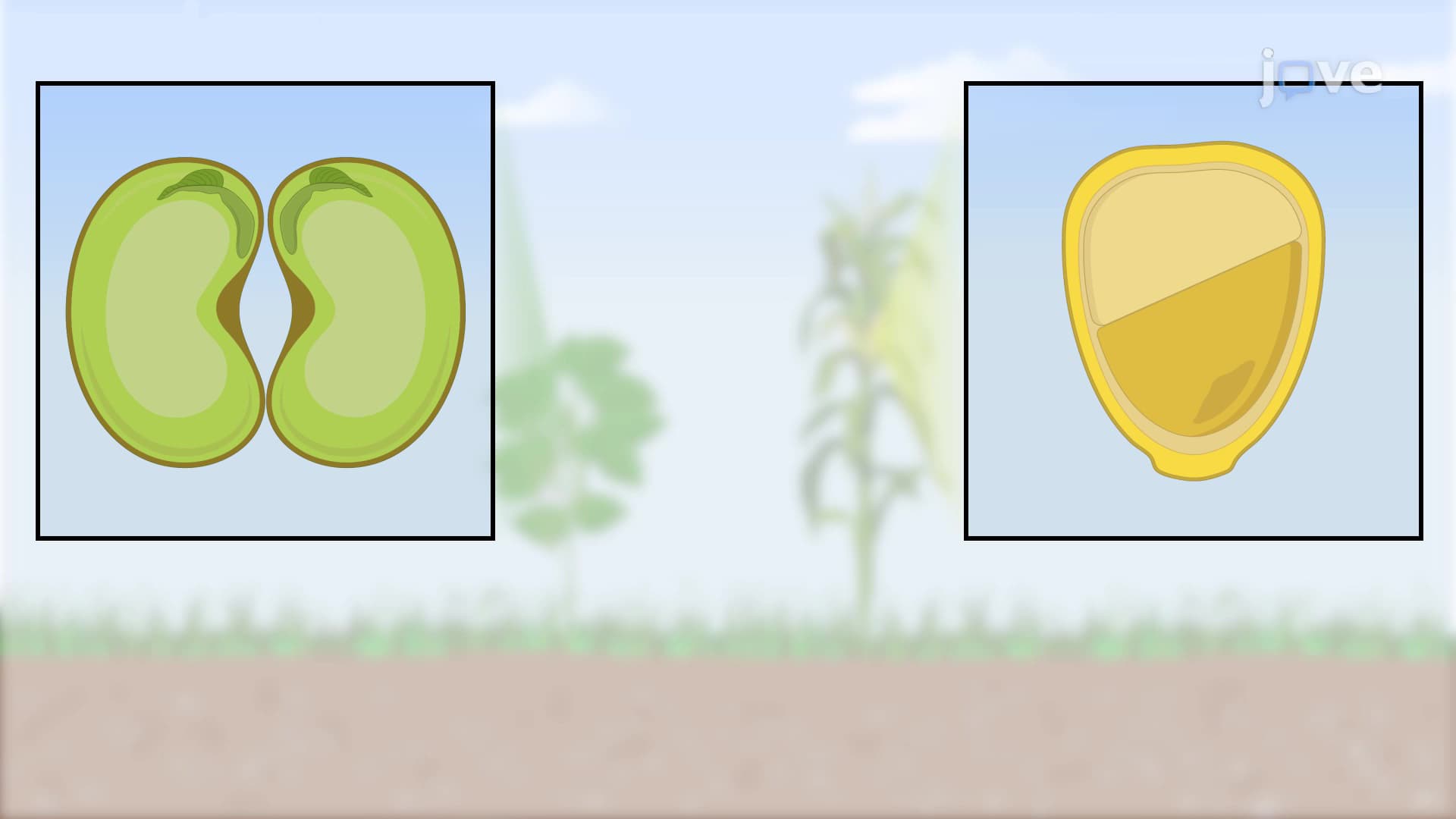
Angiosperms' most distinctive feature is double fertilization, where both sperm cells participate in fertilization events. One sperm fertilizes the egg to form the diploid zygote (future embryo), while the second sperm fuses with the central cell's polar nuclei to create the triploid endosperm. This endosperm becomes the seed's food storage tissue, explaining why grains like wheat and rice are nutritionally valuable-their endosperm provides carbohydrates, proteins, and oils.
This process underlies modern agriculture's success. When farmers plant hybrid corn, they're utilizing the predictable outcomes of controlled double fertilization to produce uniform, high-yielding crops that feed millions of Americans.
Related Micro-courses