Loading subject page…


222,123 views

Video Summary: What are Applications of Nmr
Did you know that the same technology used to diagnose torn ligaments at Johns Hopkins Hospital also helps pharmaceutical companies at Pfizer discover new cancer drugs? The applications of NMR span from studying protein structures in research labs to creating detailed brain scans in emergency rooms. Nuclear magnetic resonance spectroscopy transforms how scientists analyze molecular structures and how doctors diagnose diseases non-invasively. Watch the full video on JoVE Coach to master this concept with expert-led visuals and step-by-step explanations.
Nuclear magnetic resonance (NMR) spectroscopy represents one of the most versatile analytical techniques in modern science, with applications of NMR extending across multiple disciplines. This non-destructive method exploits the magnetic properties of atomic nuclei to provide detailed structural and compositional information about samples, making it indispensable in research, medicine, and industry.
In biological research, types of applications of NMR include comprehensive structural studies of biomolecules. Scientists at institutions like MIT and Stanford University routinely use NMR to determine three-dimensional protein structures, particularly for proteins that resist crystallization-a major limitation of X-ray crystallography. This capability proves crucial for understanding membrane proteins, intrinsically disordered proteins, and protein complexes that maintain their native conformations only in solution.
NMR excels in studying dynamic processes, revealing how proteins fold, unfold, and change shape during biological functions. Researchers can observe protein-ligand interactions in real-time, tracking how enzymes bind substrates or how regulatory proteins respond to cellular signals. These insights directly impact drug development and our understanding of diseases like Alzheimer's and Parkinson's, where protein misfolding plays a central role.
The medical applications of NMR manifest most visibly through magnetic resonance imaging (MRI), which applies NMR principles to create detailed cross-sectional images of internal body structures. Major medical centers like Mayo Clinic and Cleveland Clinic rely on MRI for diagnosing everything from brain tumors to joint injuries without exposing patients to ionizing radiation.
Magnetic resonance spectroscopy extends beyond imaging to analyze tissue chemistry. Neurologists use this technique to compare metabolic profiles between healthy brain tissue and areas affected by neurological disorders, providing insights into disease progression and treatment effectiveness.
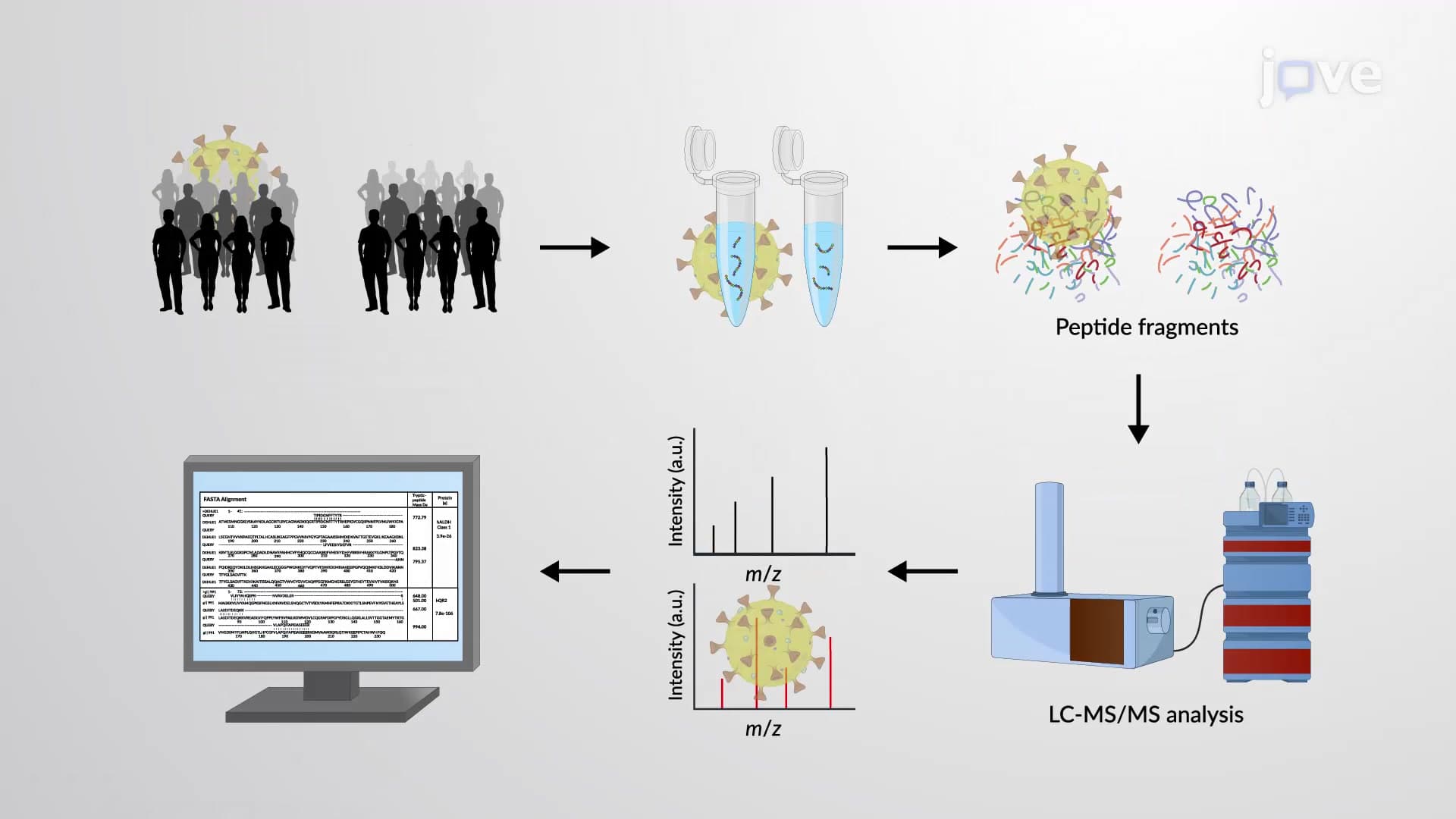
In pharmaceutical research, NMR serves as a cornerstone technology for drug discovery and development. Companies like Johnson & Johnson and Merck use NMR-based screening to identify potential drug compounds by analyzing how candidate molecules bind to target proteins. This application accelerates the drug development timeline and reduces costs by eliminating ineffective compounds early in the process.
For students preparing for the MCAT or AP Chemistry exams, understanding these applications of NMR provides context for spectroscopy questions and demonstrates the real-world relevance of molecular structure determination.
Related Micro-courses