Loading subject page…


222,114 views

Video Summary: What are Principles of Column Chromatography
Did you know that the same principles of column chromatography used to purify life-saving insulin at Eli Lilly also help forensic labs at the FBI separate DNA samples? The principles of column chromatography rely on two key components working together: a stationary phase that acts like a molecular filter and a mobile phase that carries samples through the system. This separation technique is fundamental to biotechnology research at institutions like Johns Hopkins and pharmaceutical manufacturing across the United States. Watch the full video on JoVE Coach to master this concept with expert-led visuals and step-by-step explanations.
Column chromatography operates on fundamental separation principles that make it indispensable in American research laboratories, from university biochemistry departments to pharmaceutical giants like Pfizer and Merck. At its core, this technique exploits differences in how molecules interact with two distinct phases: a stationary solid phase and a moving liquid phase.
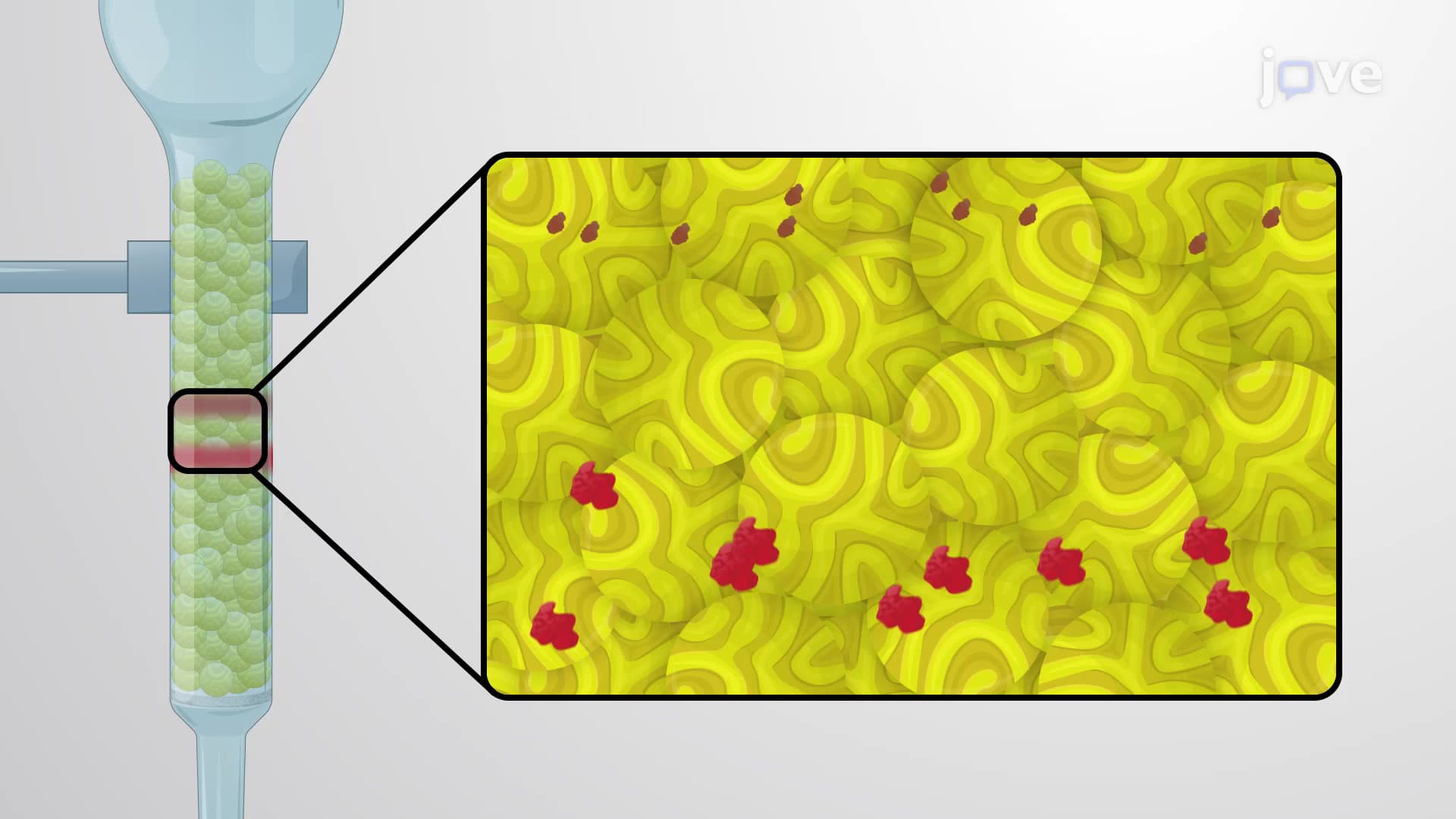
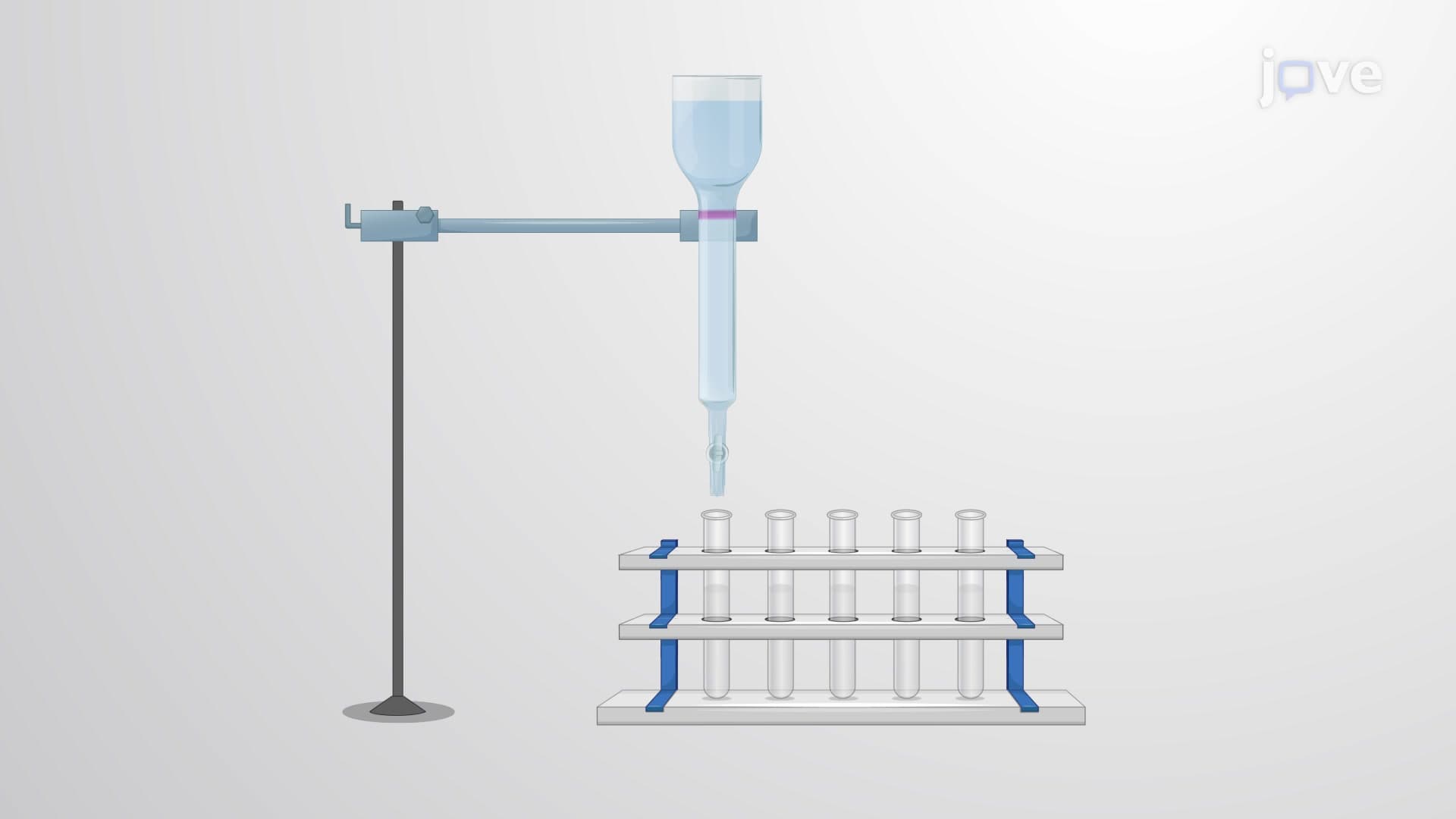
The stationary phase consists of a solid matrix material packed into a column, creating what scientists describe as a "molecular mesh." Common matrices include silica gel for small molecules or specialized resins for protein purification. This matrix remains fixed while the mobile phase-typically a carefully selected solvent-flows through the column carrying the sample.
In pharmaceutical applications, companies use these principles to purify antibiotics like penicillin. The antibiotic mixture enters the column, and different compounds separate based on their unique interactions with the stationary phase. Students preparing for AP Chemistry or college biochemistry courses should understand that this separation isn't random-it follows predictable patterns based on molecular properties.
One crucial principle involves size exclusion, where larger molecules navigate through the matrix faster than smaller ones. This might seem counterintuitive, but larger molecules cannot enter the small pores of the matrix, so they travel around the particles in the void spaces. Smaller molecules enter these pores, taking longer pathways and eluting later.
At research universities like MIT and Stanford, students use this principle to separate proteins of different molecular weights. For MCAT preparation, remember that this size-based separation is the foundation of gel filtration chromatography used in clinical laboratories.
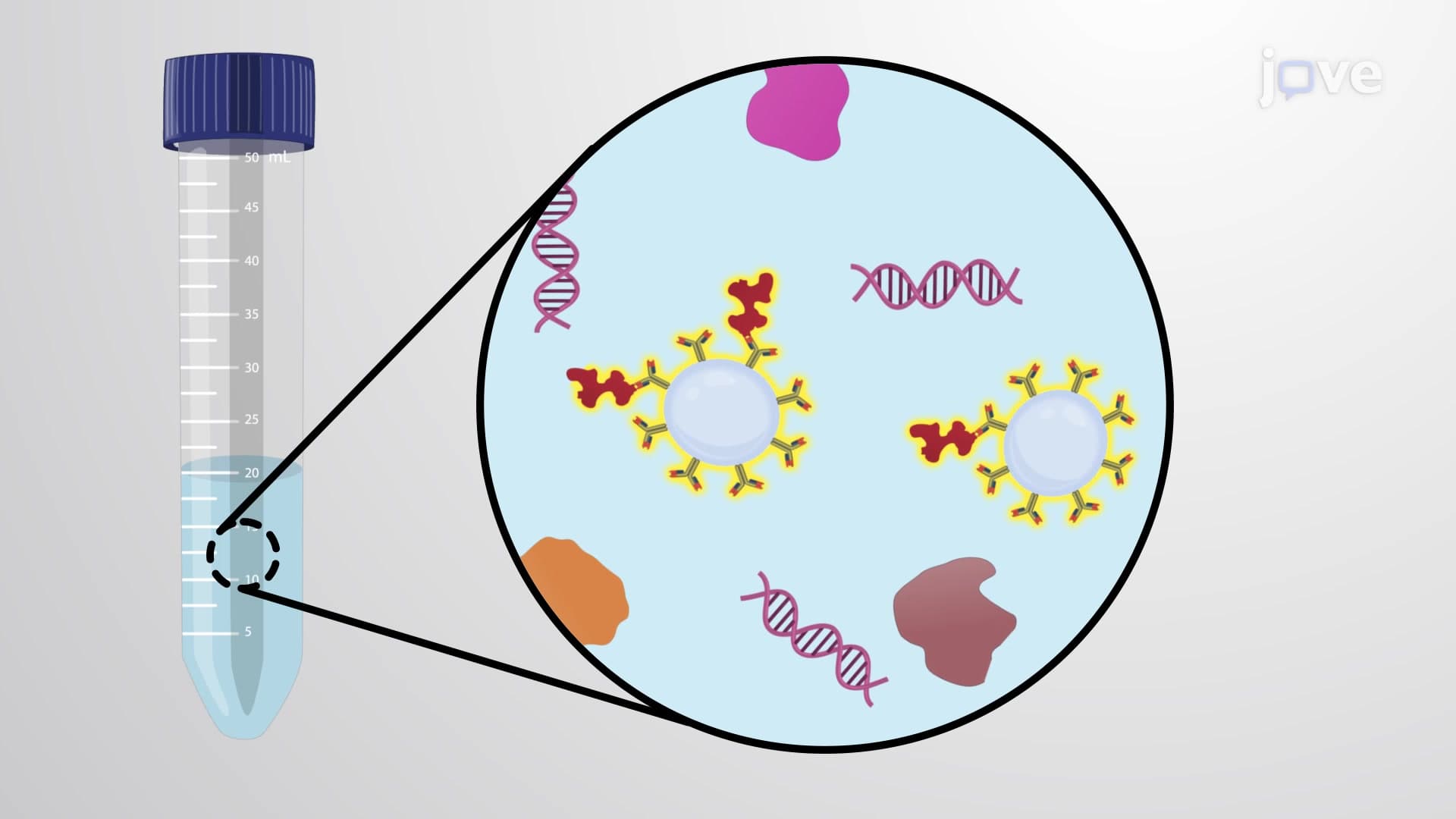
Beyond size, molecules separate based on their chemical interactions with the matrix. Proteins with strong positive charges might bind tightly to negatively charged resins, while neutral proteins pass through quickly. This principle underlies ion-exchange chromatography used in water treatment facilities across the United States.
The elegant solution for eluting tightly bound molecules involves gradient elution-gradually changing the mobile phase composition. By slowly increasing salt concentration or adjusting pH, researchers can systematically release different proteins, creating separate fractions for analysis or further purification.
Related Micro-courses