Loading subject page…


222,114 views

Video Summary: What are Types of Column Chromatography
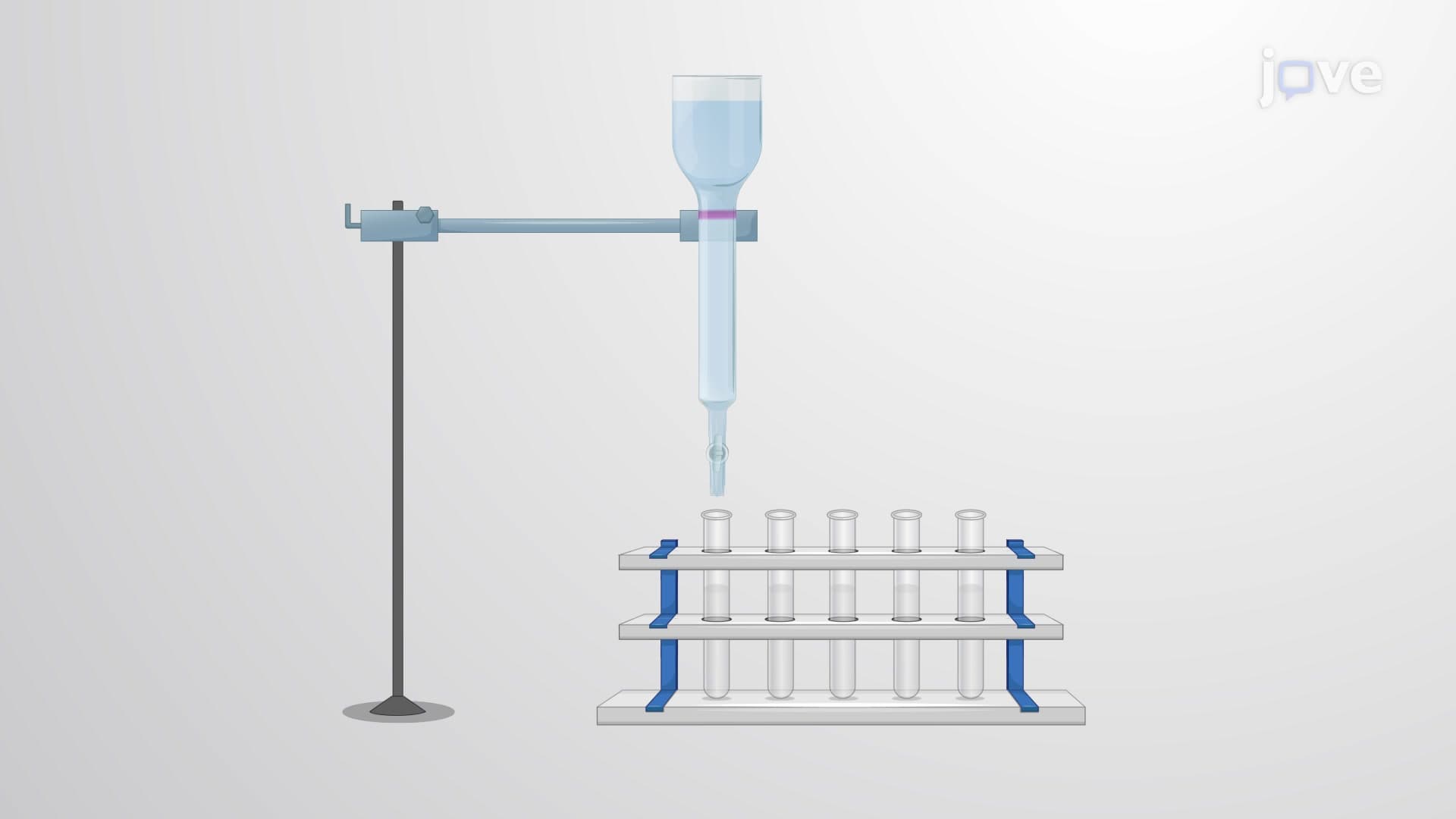
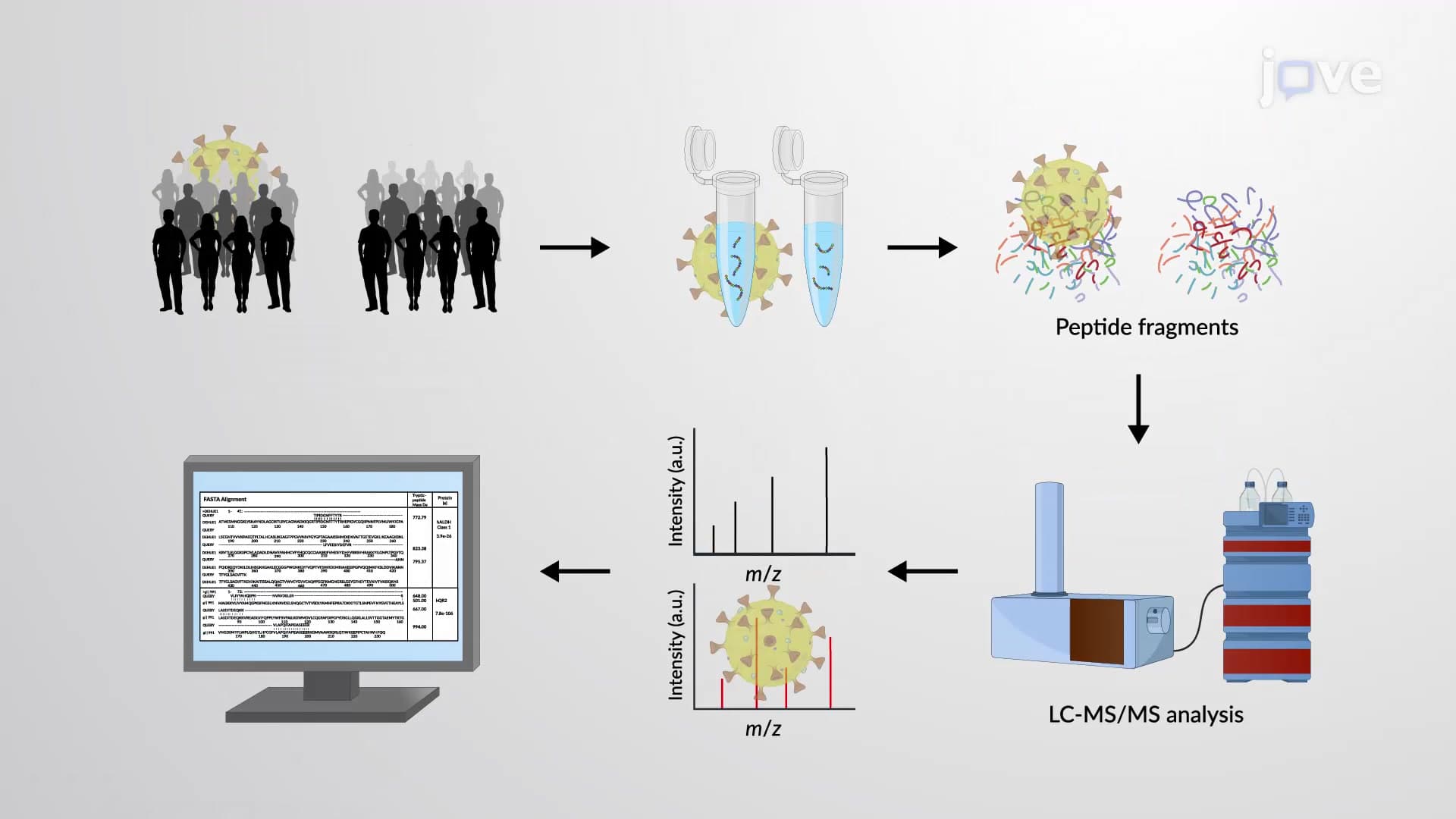
Ever wonder how pharmaceutical companies at Pfizer separate life-saving proteins from complex mixtures? The types of column chromatography make this possible through three distinct separation mechanisms. Gel filtration separates by molecular size, ion-exchange uses electrical charge differences, and affinity chromatography employs specific biological recognition-like how antibodies target particular antigens in COVID-19 vaccines. Watch the full video on JoVE Coach to master this concept with expert-led visuals and step-by-step explanations.
Column chromatography represents one of the most powerful separation techniques in modern biochemistry, with applications ranging from drug discovery at major pharmaceutical companies like Johnson & Johnson to routine protein analysis in hospital laboratories. The three primary types of column chromatography-gel filtration, ion-exchange, and affinity-each exploit different molecular properties to achieve separation, making them indispensable tools for students preparing for the MCAT or pursuing biochemistry coursework.
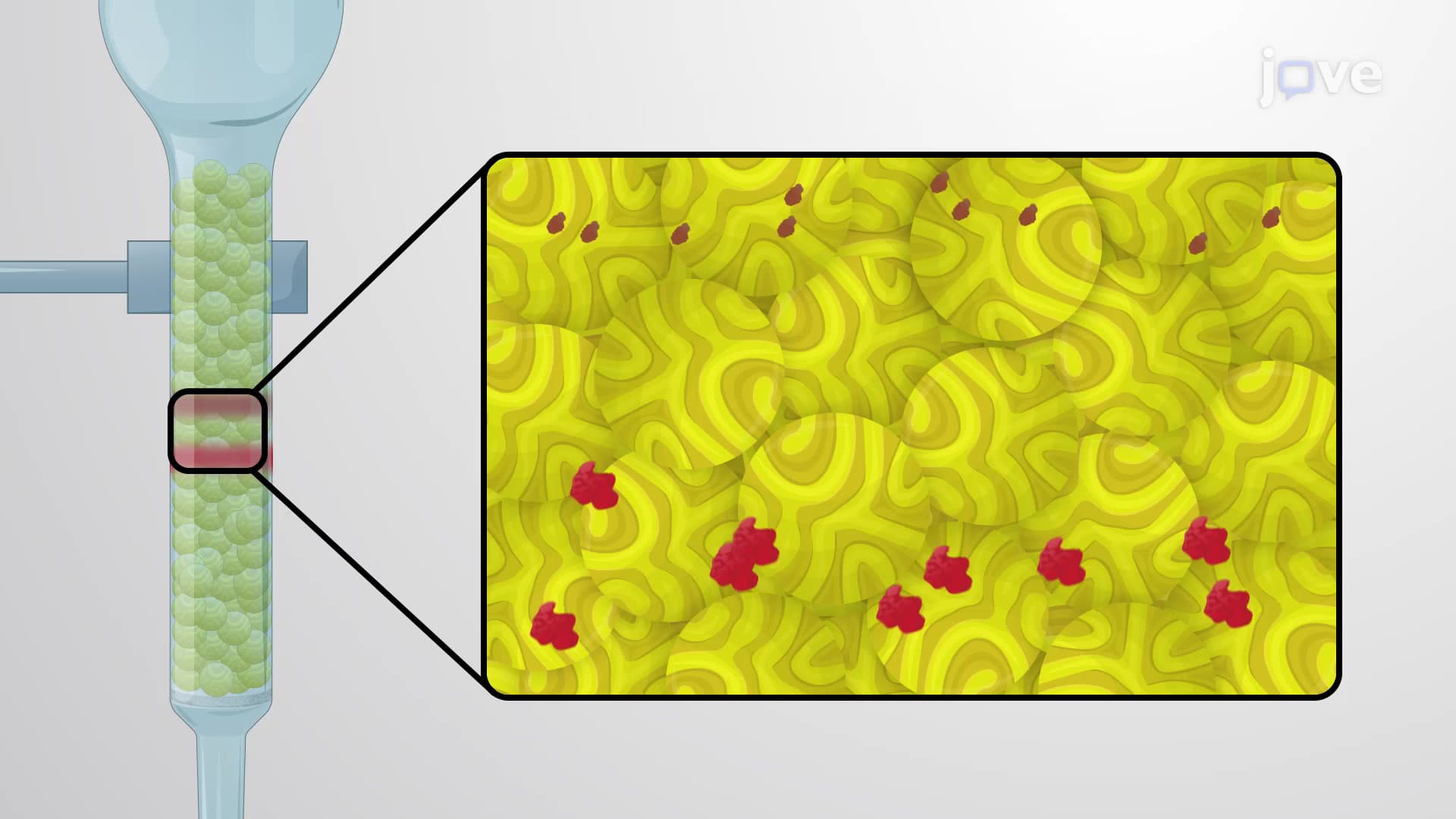
Gel filtration chromatography, also known as size exclusion chromatography, operates on the principle of molecular sieving. The stationary phase consists of cross-linked polymer beads containing precisely controlled pore sizes, typically ranging from 10 to 600 angstroms. Larger molecules cannot penetrate these pores and elute first, following the void volume pathway. Smaller molecules enter the pore network, experiencing a longer path length and eluting later. This technique proves invaluable in pharmaceutical quality control, where companies like Genentech use gel filtration to remove aggregated proteins from therapeutic antibodies, ensuring product safety and efficacy.
Ion-exchange chromatography leverages the electrical properties of biomolecules, particularly their surface charge distribution at specific pH values. Cation-exchange resins carry negative charges and bind positively charged proteins, while anion-exchange resins attract negatively charged species. The separation efficiency depends on the protein's isoelectric point (pI) relative to the buffer pH. Elution typically involves salt gradients or pH changes that weaken electrostatic interactions. Clinical laboratories routinely employ ion-exchange methods for hemoglobin variant analysis, crucial for diagnosing sickle cell disease and thalassemia.
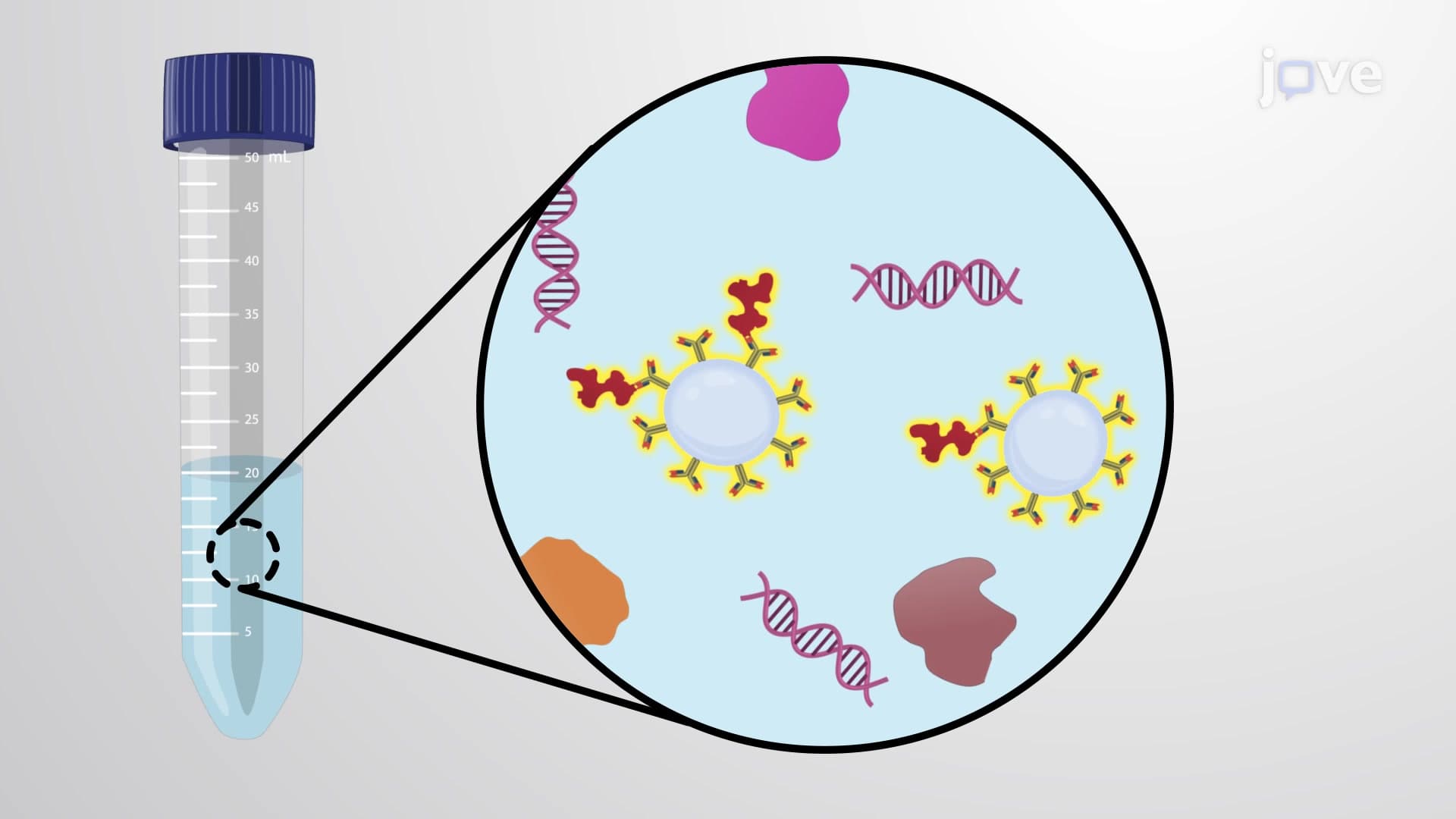
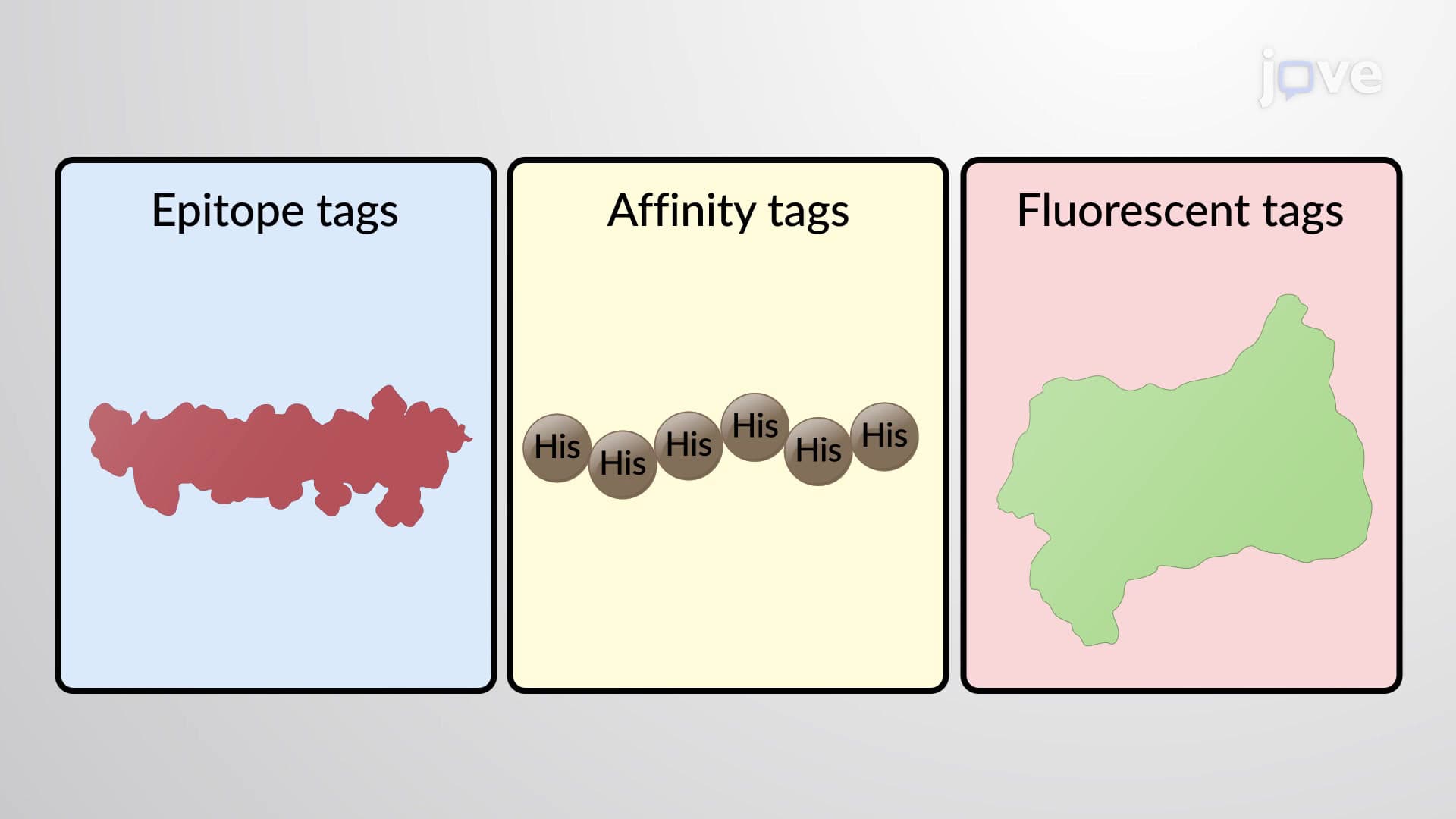
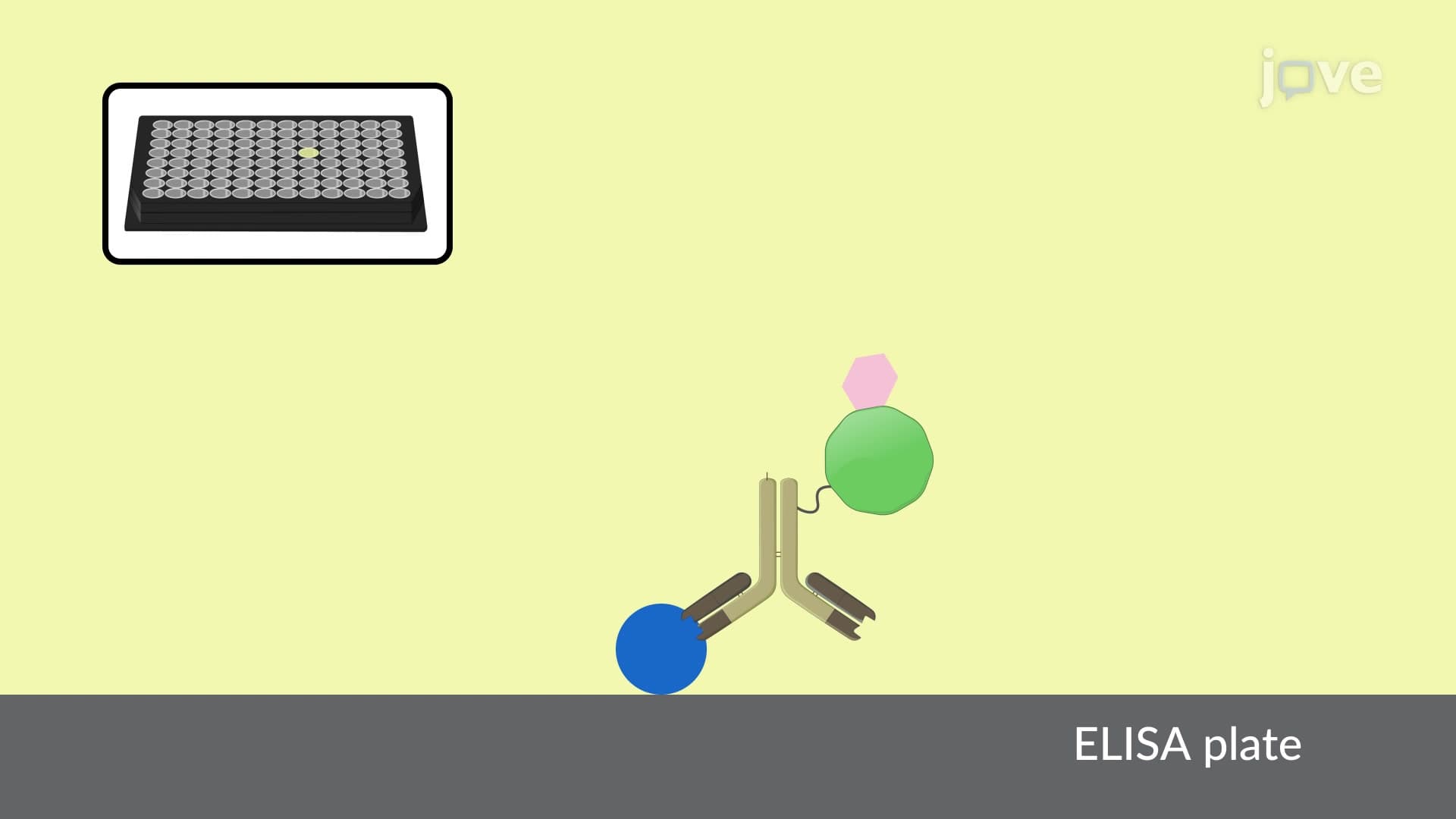
Affinity chromatography represents the most selective separation method, exploiting specific biological interactions between target molecules and immobilized ligands. Common applications include protein A columns for antibody purification, heparin columns for growth factor isolation, and metal chelate systems for histidine-tagged proteins. The pharmaceutical industry extensively uses affinity chromatography-Moderna's mRNA vaccine production relies on affinity-based purification steps to isolate critical enzymes and remove contaminants, ensuring vaccine purity and potency.
Related Micro-courses