Loading subject page…


222,112 views


Video Summary: What Is Cell Culture
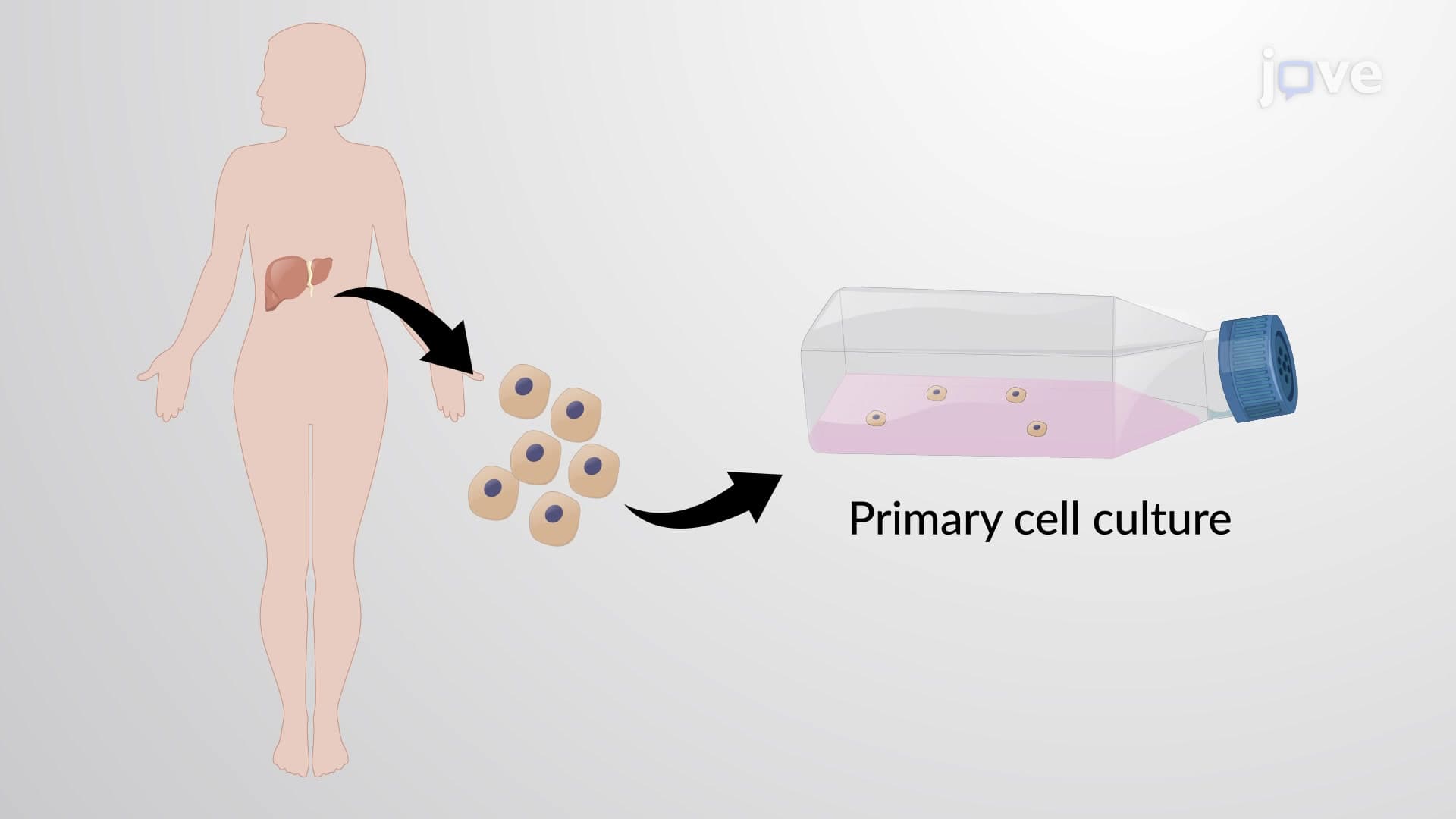
Did you know that scientists at Johns Hopkins University grow human heart cells in laboratory dishes to test new cardiac medications? Cell culture is the revolutionary technique of growing living cells outside their natural environment under carefully controlled conditions. This process begins with primary cultures taken directly from tissue samples, which can then be expanded into secondary cultures for extended research. From developing COVID-19 vaccines to testing cancer treatments, cell culture serves as the foundation for modern biomedical research. Watch the full video on JoVE Coach to master this concept with expert-led visuals and step-by-step explanations.
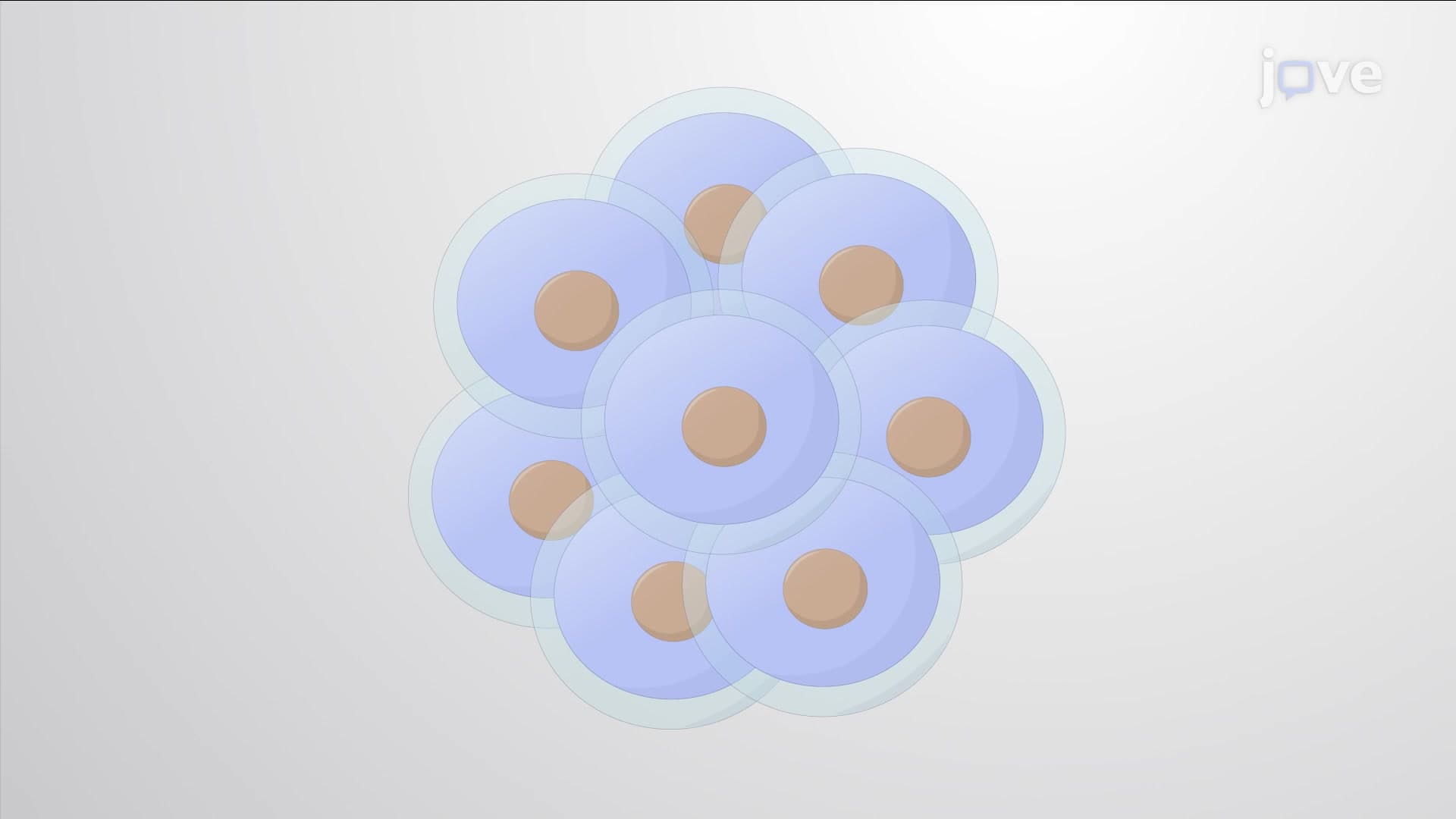
Cell culture represents one of the most transformative techniques in biological research, enabling scientists to study living cells in controlled laboratory environments. This powerful method involves growing eukaryotic cells outside their natural tissue context, providing researchers with unprecedented access to cellular processes. The technique has revolutionized fields from cancer research to vaccine development, making it essential knowledge for students pursuing STEM careers.
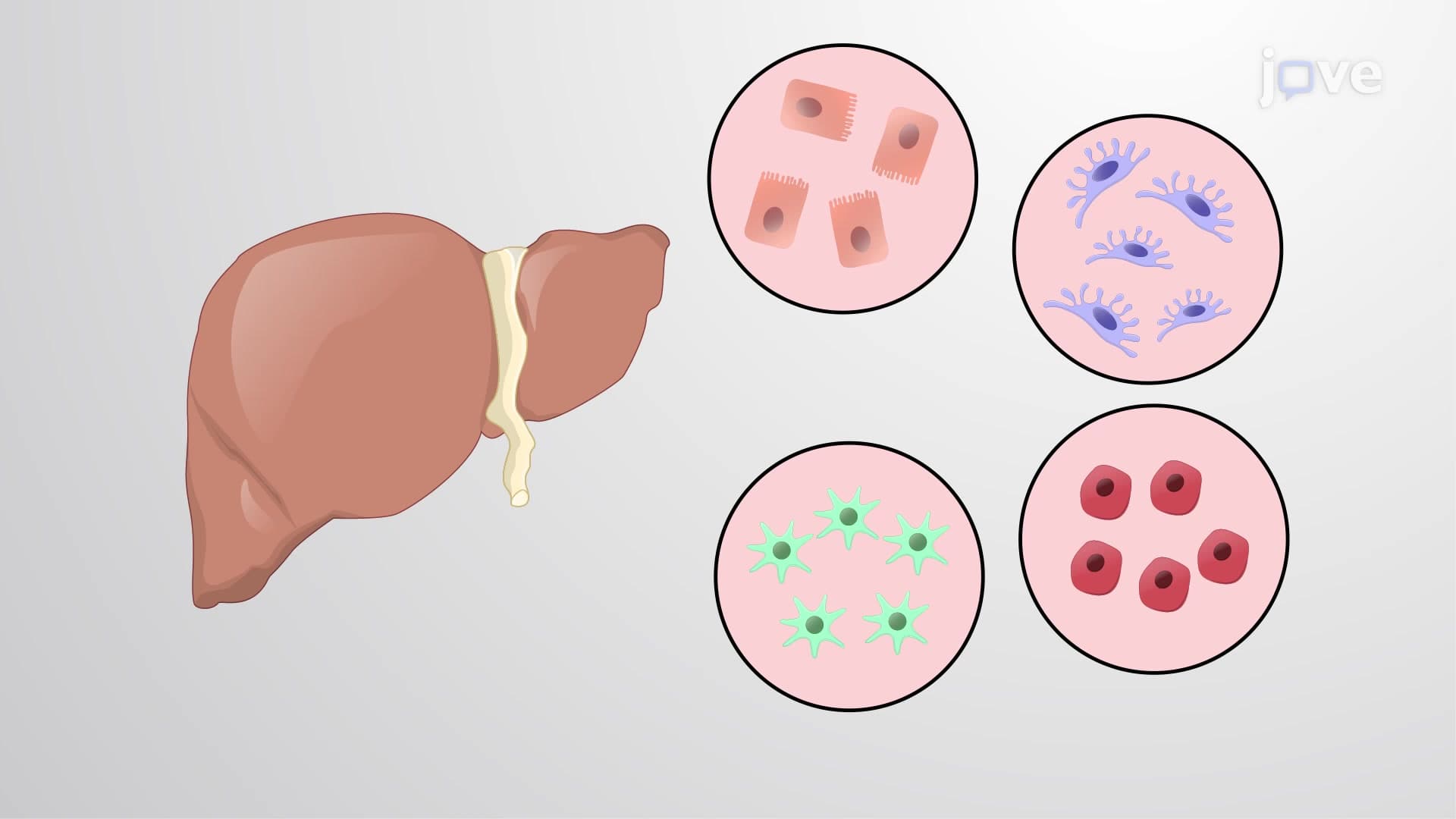
The cell culture process begins with primary cultures, which are established directly from tissue samples obtained from organisms. These cells retain many characteristics of their original tissue but have limited lifespan in culture. As primary cultures grow and multiply, they eventually cover the entire surface of the culture dish, reaching what scientists call "confluence." At this critical point, cells must be subcultured using enzymatic treatments like trypsin-EDTA to create secondary cultures. This passaging process allows researchers to maintain cell lines for extended periods, sometimes indefinitely, providing consistent experimental models.
Successful cell culture demands precise environmental control. Temperature regulation typically maintains cultures at 37°C to mimic human body conditions. The culture medium serves as a carefully balanced nutritional cocktail containing amino acids, vitamins, salts, and growth factors that cells need to survive and proliferate. pH buffering systems, often using bicarbonate-CO2 combinations, maintain optimal acidity levels. Additionally, researchers must choose appropriate cultureware-specialized dishes and flasks designed for either adherent cells that attach to surfaces or suspension cells that grow freely in medium.
Cell culture techniques appear frequently in AP Biology exams, particularly in questions about experimental design and cellular processes. College-level courses in microbiology, cell biology, and biochemistry extensively cover these methods. In practice, pharmaceutical companies like Pfizer and Moderna used cell culture systems to develop and test COVID-19 vaccines. Cancer research institutes, including Memorial Sloan Kettering in New York, employ cell culture to screen potential chemotherapy drugs. Understanding these applications helps students connect laboratory techniques to real-world medical advances and career opportunities in biotechnology.
Related Micro-courses