Loading subject page…

- Cell Biology
- Analyzing Cells and Proteins
- Cell Lines
Micro-course: Analyzing Cells and Proteins
222,112 views
Learn key concepts and earn your certificate.
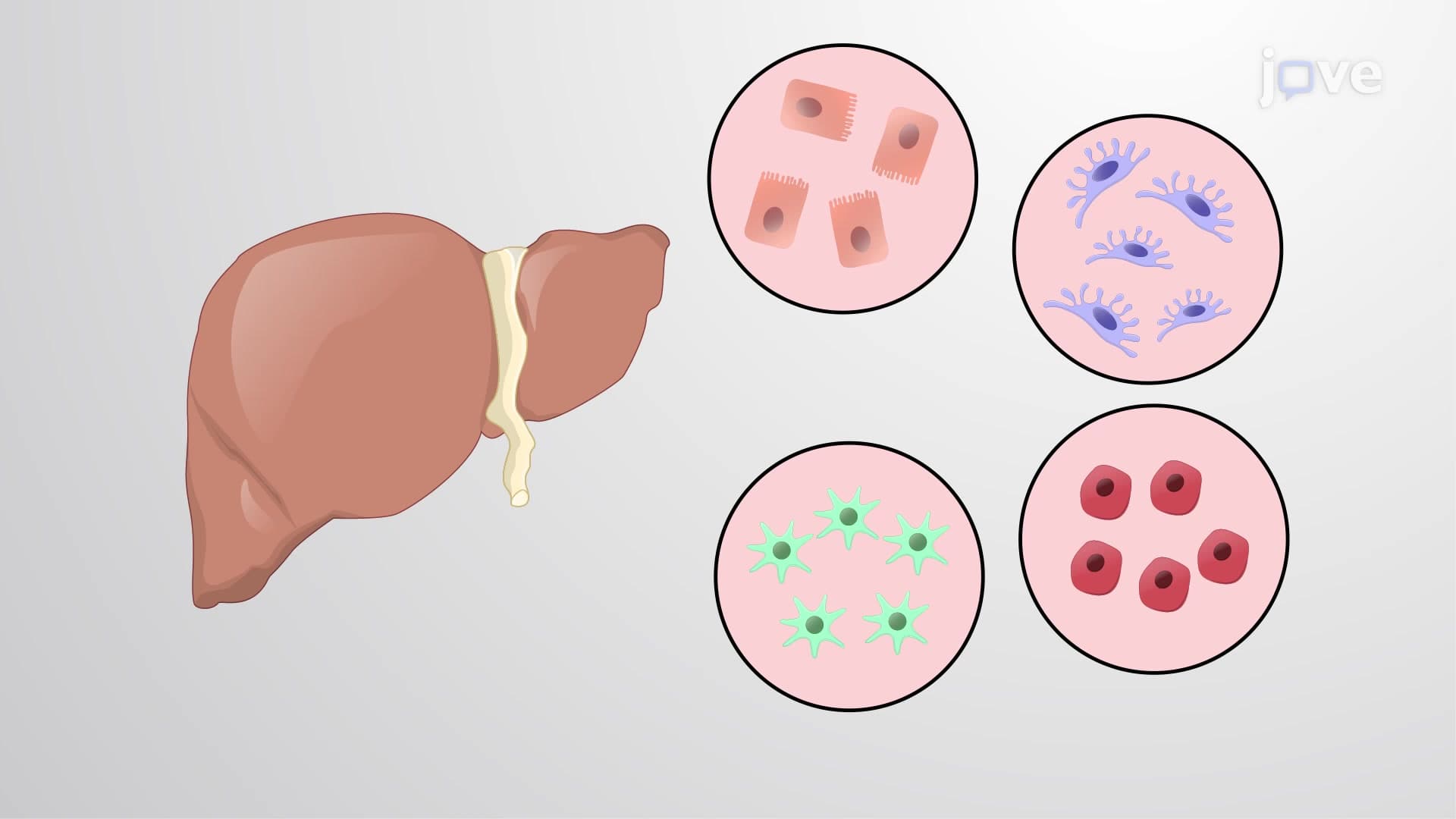


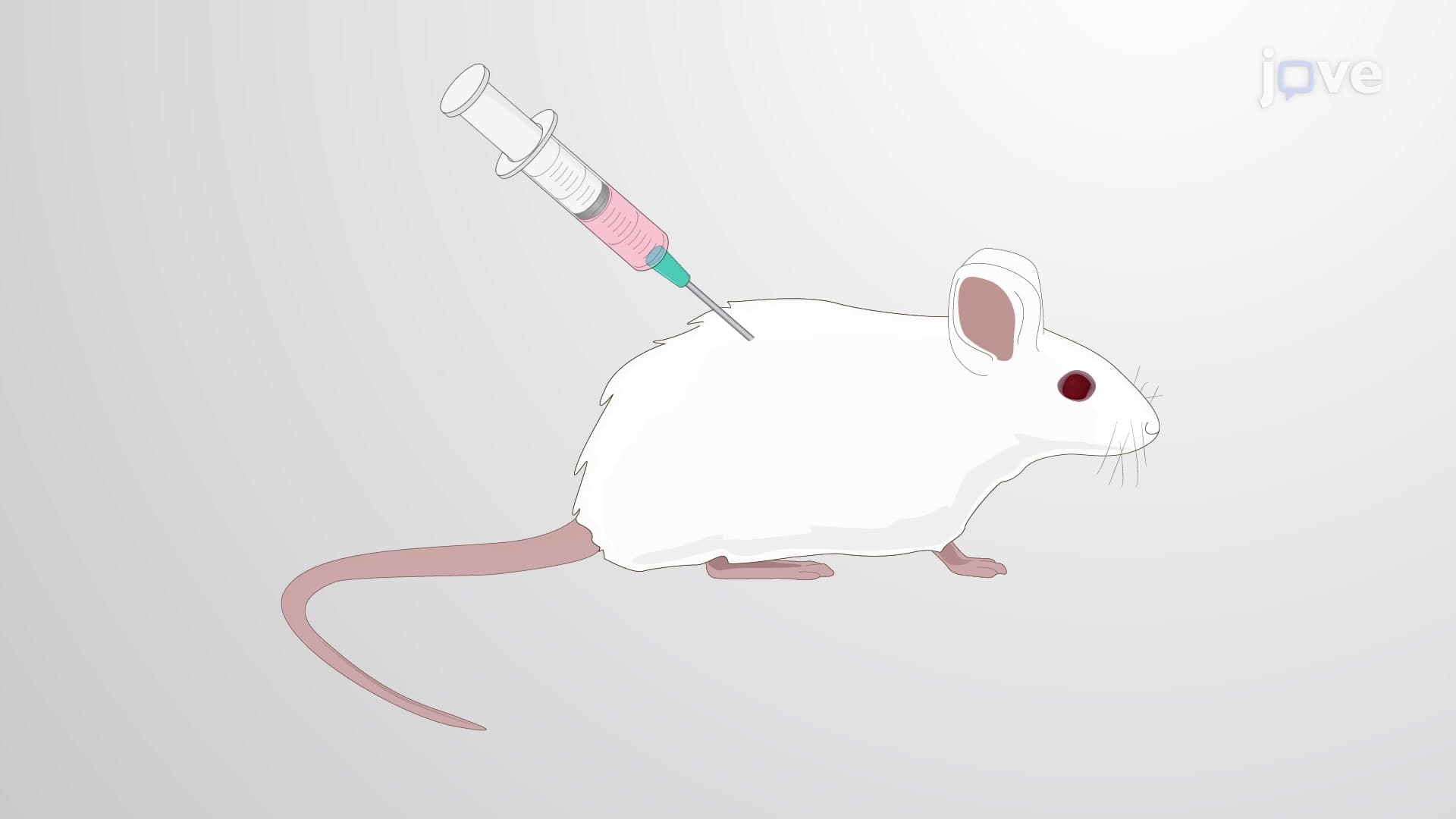
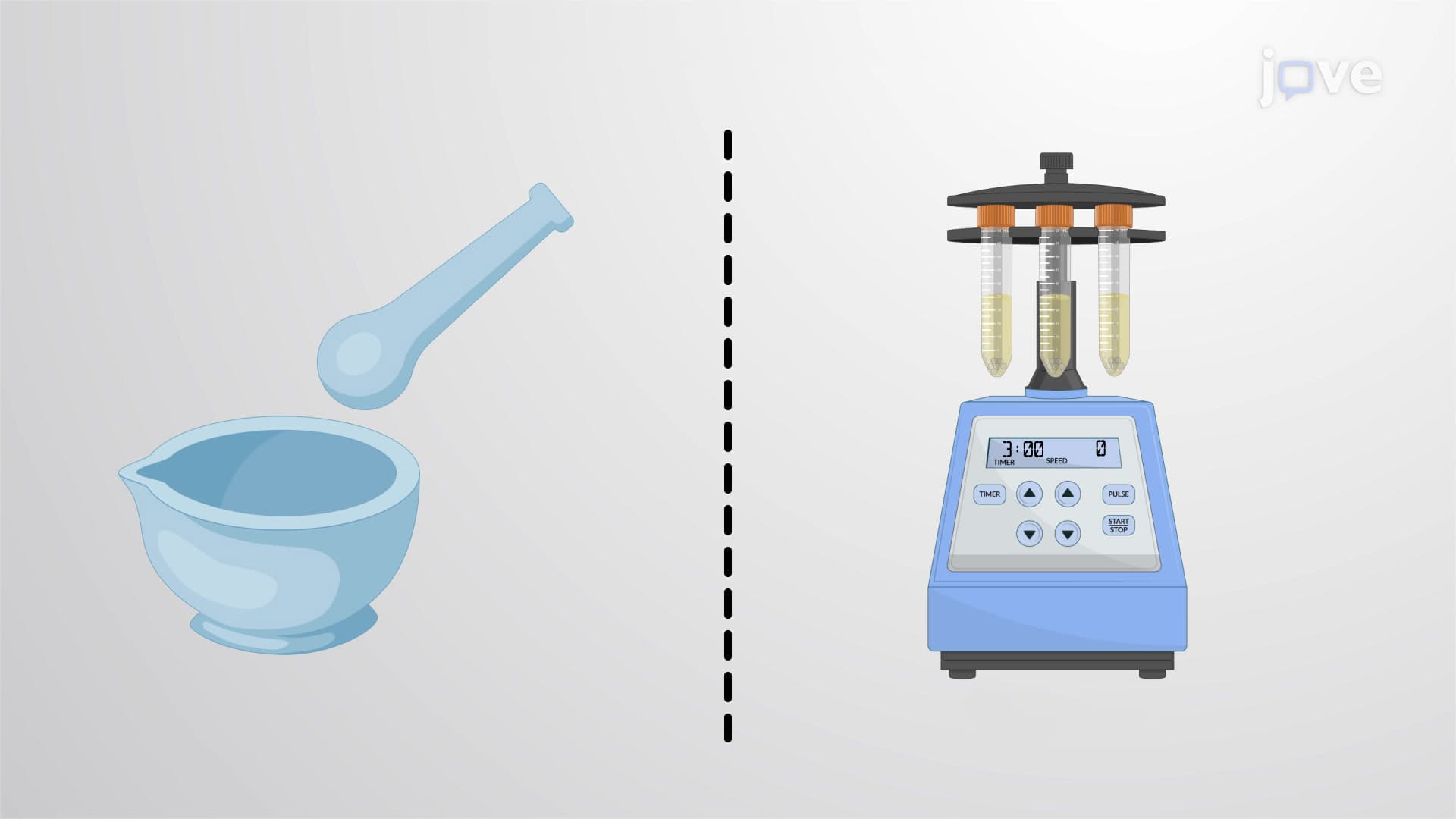
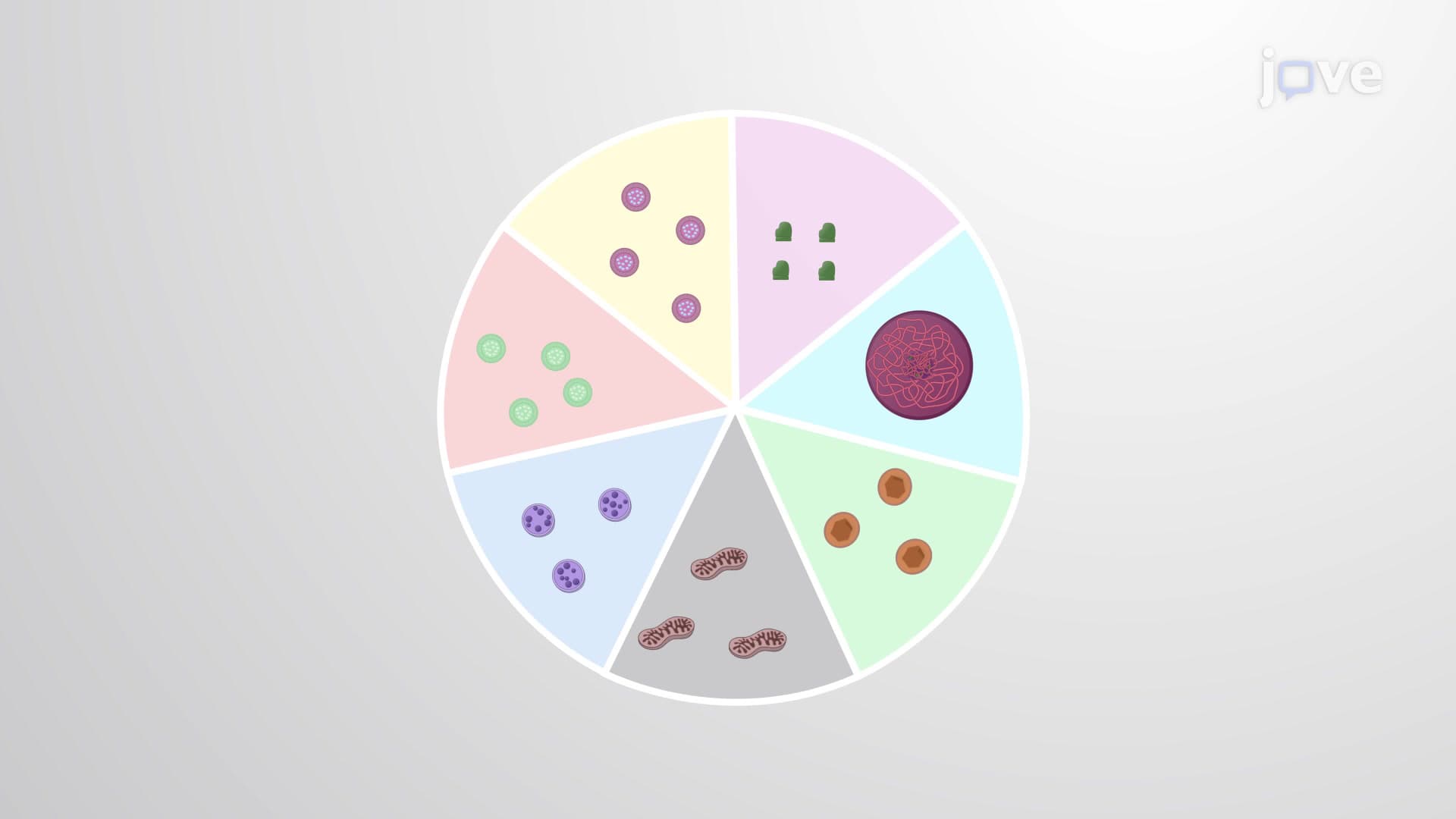


Cell Lines

00:00
01:16
Video Summary: What Is Cell Lines
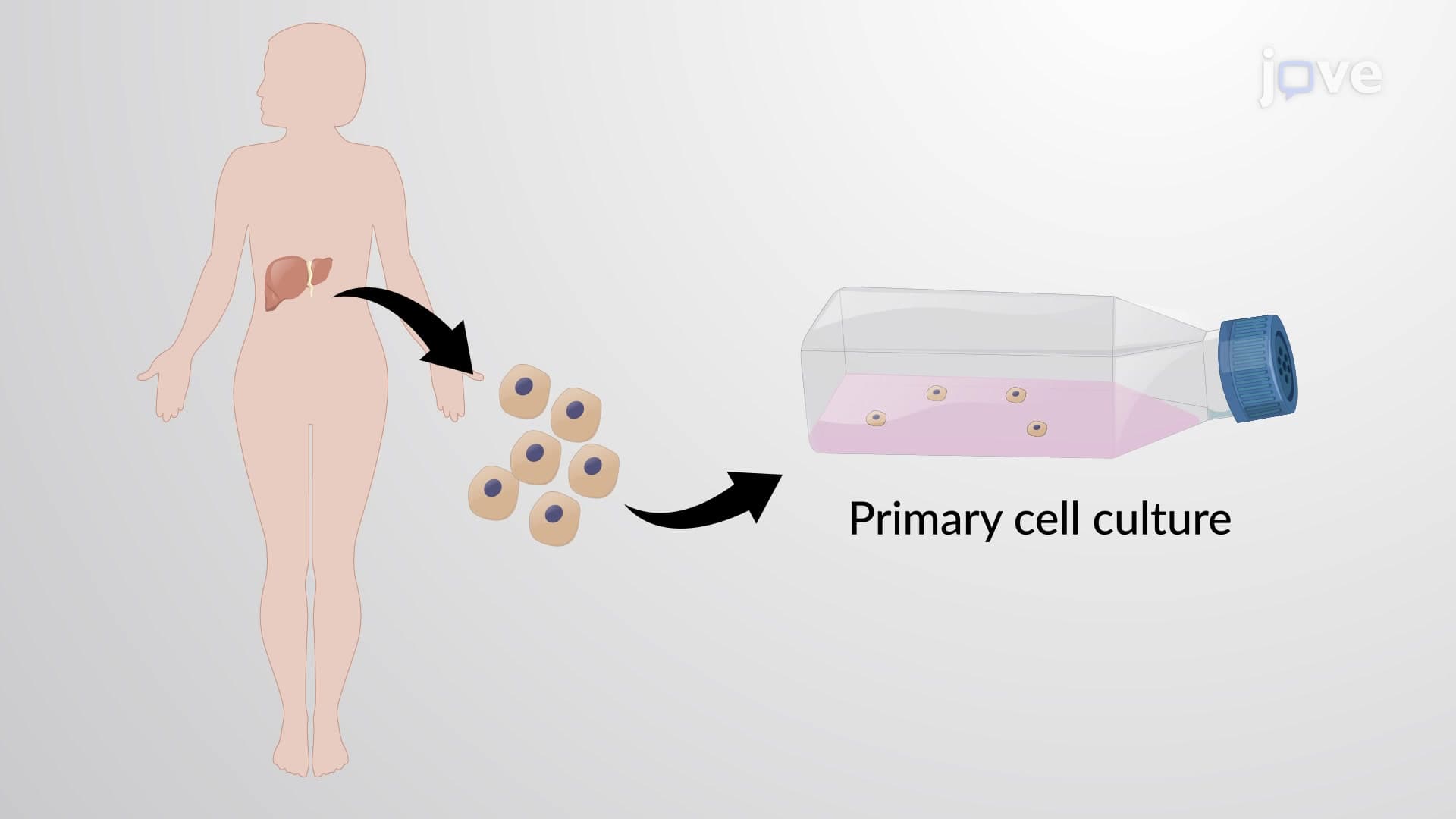
Did you know that scientists at the CDC use immortal cells originally taken from a single patient in 1951 to develop life-saving vaccines today? Cell lines are laboratory-grown cells that have been modified to divide indefinitely, unlike normal cells that can only reproduce a limited number of times. These immortalized cells serve as crucial tools in American research facilities, from testing COVID-19 treatments at Johns Hopkins to producing insulin at pharmaceutical companies like Eli Lilly. Watch the full video on JoVE Coach to master this concept with expert-led visuals and step-by-step explanations.
- Understand what is cell lines and how they differ from primary cell cultures in terms of lifespan and growth characteristics
- Identify the key methods scientists use to create immortalized cell lines through chemical manipulation, genetic modification, or cancer cell isolation
- Analyze the advantages and limitations of using cell lines in laboratory research, including cost-effectiveness versus potential contamination risks
- Compare primary cell cultures with established cell lines in terms of growth rates, attachment requirements, and research applications
- Evaluate the ethical benefits of cell line research as an alternative to animal testing in drug development and disease modeling
- Apply knowledge of cell line characteristics to understand their role in vaccine production, antibody manufacturing, and pharmaceutical testing
- Recognize how cell lines undergo genetic and phenotypic changes over time and the implications for experimental reproducibility
- Explore real-world applications of cell lines in American biotechnology companies and medical research institutions
Understanding Cell Lines: The Foundation of Modern Biotechnology
Cell lines represent one of the most revolutionary tools in biological research, fundamentally changing how scientists study human disease and develop treatments. Unlike primary cells extracted directly from tissue samples, cell lines have been transformed to bypass the natural aging process that limits normal cell division. This immortalization process creates laboratory workhorses that can reproduce indefinitely under proper conditions.
The concept becomes particularly relevant for students preparing for AP Biology exams or college-level cell biology courses, where understanding cellular reproduction and laboratory techniques forms a core component of the curriculum.
Methods of Cell Line Creation and Immortalization
Scientists employ several sophisticated approaches to create these invaluable research tools. Chemical immortalization involves exposing primary cells to specific compounds that disrupt normal cell cycle controls. Genetic manipulation techniques introduce genes that override natural senescence pathways, effectively removing the cellular "countdown clock" that normally limits cell division.
Cancer cells naturally possess many characteristics desired in laboratory cell lines, including unlimited growth potential and reduced dependence on growth factors. Research institutions like Memorial Sloan Kettering have developed numerous cancer cell lines that serve as models for studying specific tumor types and testing potential therapies.
Unique Characteristics and Laboratory Applications
Cell lines exhibit several distinct properties that make them superior to primary cultures for many research applications. Their accelerated growth rates allow experiments to be completed more quickly, while their ability to grow in suspension culture or without surface attachment provides experimental flexibility unavailable with normal cells.
American pharmaceutical companies like Merck and Pfizer routinely use cell lines for drug screening processes, testing thousands of compounds against specific cell types to identify promising therapeutic candidates. The recent development of COVID-19 vaccines relied heavily on established cell lines for both research and large-scale production.
Limitations and Quality Control Considerations
Despite their advantages, cell lines present unique challenges that researchers must carefully manage. Over time, these immortalized cells accumulate genetic mutations that can alter their behavior, potentially affecting experimental results. Cross-contamination between different cell lines represents a persistent laboratory concern, with studies suggesting that misidentified cell lines have compromised numerous published research findings.
Modern American research facilities implement rigorous authentication protocols, including DNA fingerprinting and regular contamination screening, to maintain cell line integrity. Organizations like the American Type Culture Collection (ATCC) serve as trusted repositories, providing authenticated cell lines with detailed genetic profiles to research institutions nationwide.
Frequently Asked Questions
Cell lines are laboratory-grown cells that have been modified to divide indefinitely, unlike normal human cells that can only reproduce about 50 times before dying. They maintain consistent characteristics across generations and can be stored frozen for years, making them invaluable for reproducible scientific research and medical applications.
MCAT questions often focus on cell line applications in research design and ethical considerations compared to animal testing. AP Biology exams may test understanding of cellular immortalization mechanisms, growth characteristics, and laboratory applications. Students should know the difference between primary cultures and immortalized lines.
Most major research universities like MIT, Stanford, and University of California schools provide undergraduate research opportunities involving cell culture techniques. Community colleges often include cell line work in their biotechnology programs, preparing students for careers in pharmaceutical and biotech industries.
Companies like Johnson & Johnson use cell lines to test drug safety and effectiveness before human trials, screen thousands of potential compounds simultaneously, and produce therapeutic proteins like insulin and growth factors. Cell lines help reduce development costs and timeline while ensuring consistent, reproducible results.
Basic high school biology and chemistry provide sufficient background for understanding cell lines fundamentals. The key concepts involve cell division, protein synthesis, and basic genetics - topics covered in standard AP Biology or introductory college courses.
Create comparison charts contrasting primary cells versus cell lines, focusing on lifespan, growth rate, and applications. Use mnemonics like "LIFE" (Limited division, Immortalized, Fast growth, Experimental tool) to remember key properties. Practice with real examples from pharmaceutical companies.
Many cell lines originate from cancer patients, allowing researchers to study specific tumor types and test treatments in controlled laboratory conditions. The famous HeLa cell line, derived from cervical cancer cells in 1951, continues contributing to breakthrough discoveries at American research institutions today.
Consider exploring stem cell biology, tissue engineering, and personalized medicine approaches. Advanced students might investigate CRISPR gene editing applications in cell lines or biomanufacturing processes used by American biotechnology companies for therapeutic production.
Cell lines reduce the need for laboratory animals while providing consistent, reproducible results for initial drug screening and toxicity testing. This approach aligns with the "3 Rs" principle (Replace, Reduce, Refine) promoted by American research institutions and regulatory agencies like the FDA.
Related Micro-courses

17 Concepts
11 Concepts

17 Concepts