Loading subject page…


222,112 views

Video Summary: What Is Enzyme Linked Immunosorbent Assay
Did you know that the same technology used to detect COVID-19 antibodies in your blood also helps diagnose everything from HIV to pregnancy? The enzyme linked immunosorbent assay (ELISA) is a powerful laboratory technique that can detect tiny amounts of specific molecules in biological samples. The CDC relies on ELISA testing for infectious disease surveillance across the United States. Watch the full video on JoVE Coach to master this concept with expert-led visuals and step-by-step explanations.
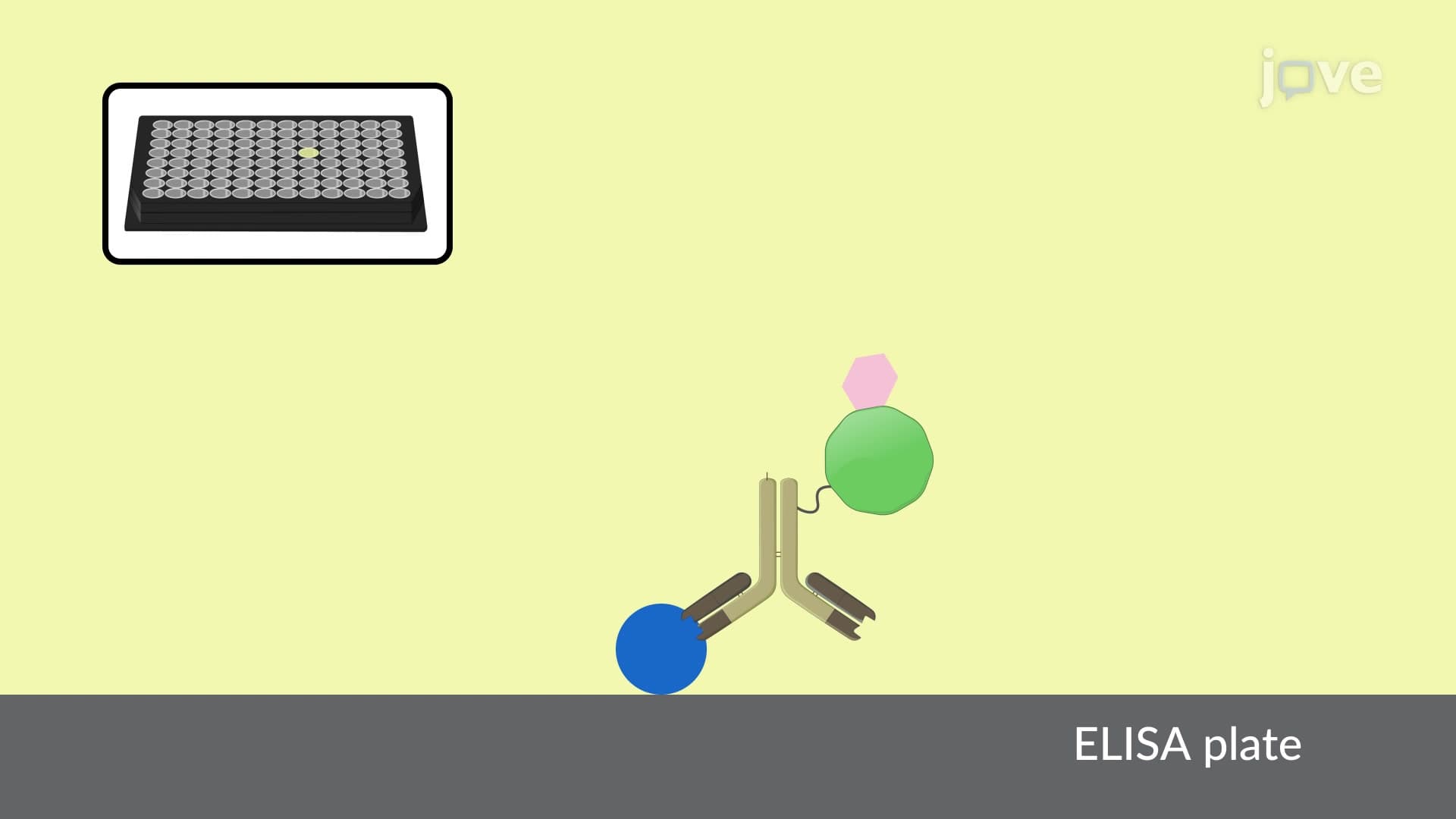
The enzyme linked immunosorbent assay represents one of the most versatile and widely-used analytical techniques in modern biology and medicine. At its core, ELISA combines the specificity of antibody-antigen interactions with the amplification power of enzymatic reactions to detect and quantify target molecules with extraordinary precision. This technique has revolutionized diagnostic medicine, enabling healthcare providers to identify diseases, monitor treatment progress, and conduct large-scale screening programs.
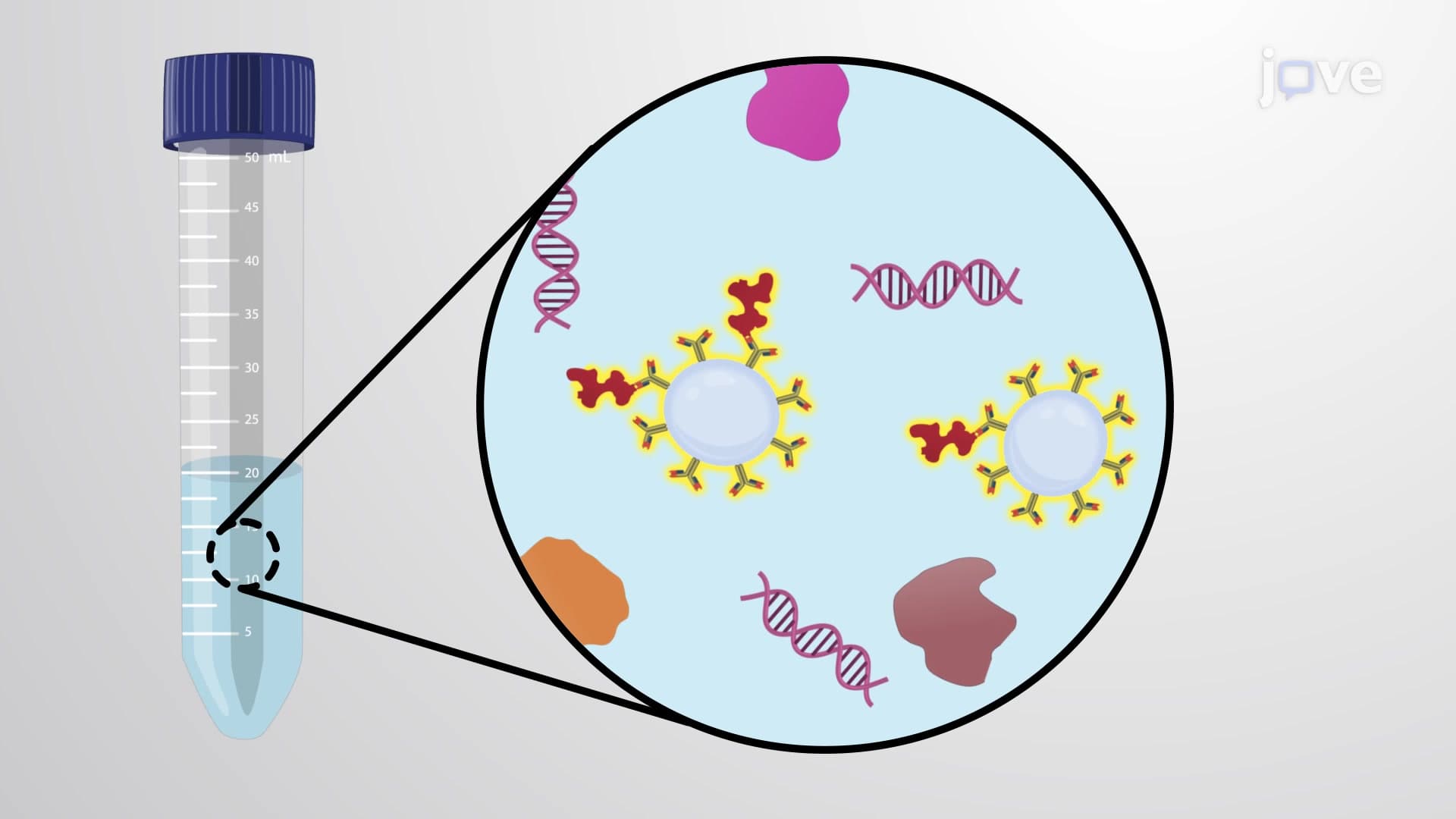
ELISA operates on a simple yet elegant principle: specific antibodies bind to target antigens, and enzymes attached to these antibodies generate detectable signals. When a substrate is added, the enzyme catalyzes a reaction that produces a color change, fluorescence, or other measurable signal. The intensity of this signal directly correlates with the amount of target molecule present in the sample. This amplification system allows detection of incredibly small quantities-often in the nanogram or picogram range-making ELISA invaluable for early disease detection.
Direct ELISA offers the simplest approach, using enzyme-labeled primary antibodies that bind directly to antigens coated on a plate. The FDA has approved direct ELISA tests for detecting allergens in food products, protecting Americans with severe allergies. Indirect ELISA provides greater flexibility by using unlabeled primary antibodies followed by enzyme-conjugated secondary antibodies, amplifying the signal and allowing one secondary antibody to detect multiple primary antibodies from different species.
Sandwich ELISA delivers the highest specificity by trapping target antigens between capture and detection antibodies, like meat in a sandwich. This format underlies many pregnancy tests available in US pharmacies, detecting human chorionic gonadotropin (hCG) hormone. Competitive ELISA works through inhibition-higher target concentrations compete more effectively for antibody binding sites, resulting in weaker signals. The USDA employs competitive ELISA for detecting pesticide residues in agricultural products.
ELISA appears prominently in standardized exams including the MCAT, AP Biology, and college-level immunology courses. Students preparing for healthcare careers through NCLEX or HESI A2 exams encounter ELISA in infectious disease and laboratory medicine contexts. Understanding ELISA principles helps explain how hospitals quickly diagnose conditions like hepatitis, Lyme disease, and autoimmune disorders. The technique's reliability has made it a cornerstone of public health initiatives, from monitoring vaccine effectiveness to tracking disease outbreaks across American communities.
Related Micro-courses