Loading subject page…


222,112 views

Video Summary: What Is Hybridoma Technology
Did you know that a single mouse can help produce millions of identical antibodies used in COVID-19 tests across American hospitals? Hybridoma technology revolutionizes how scientists mass-produce these crucial monoclonal antibodies by fusing short-lived immune cells with immortal cancer cells. This breakthrough process enables pharmaceutical companies like Genentech to manufacture consistent, high-quality antibodies for diagnostics and treatments. Watch the full video on JoVE Coach to master this concept with expert-led visuals and step-by-step explanations.
Hybridoma technology represents one of biotechnology's most elegant solutions to a fundamental problem: how to produce large quantities of identical antibodies. This hybridoma technology overview begins with understanding that natural B cells, while capable of producing highly specific antibodies, have a frustratingly short lifespan in laboratory culture. Scientists needed a way to preserve their antibody-producing capability while extending their survival-leading to the revolutionary concept of cellular hybridization.
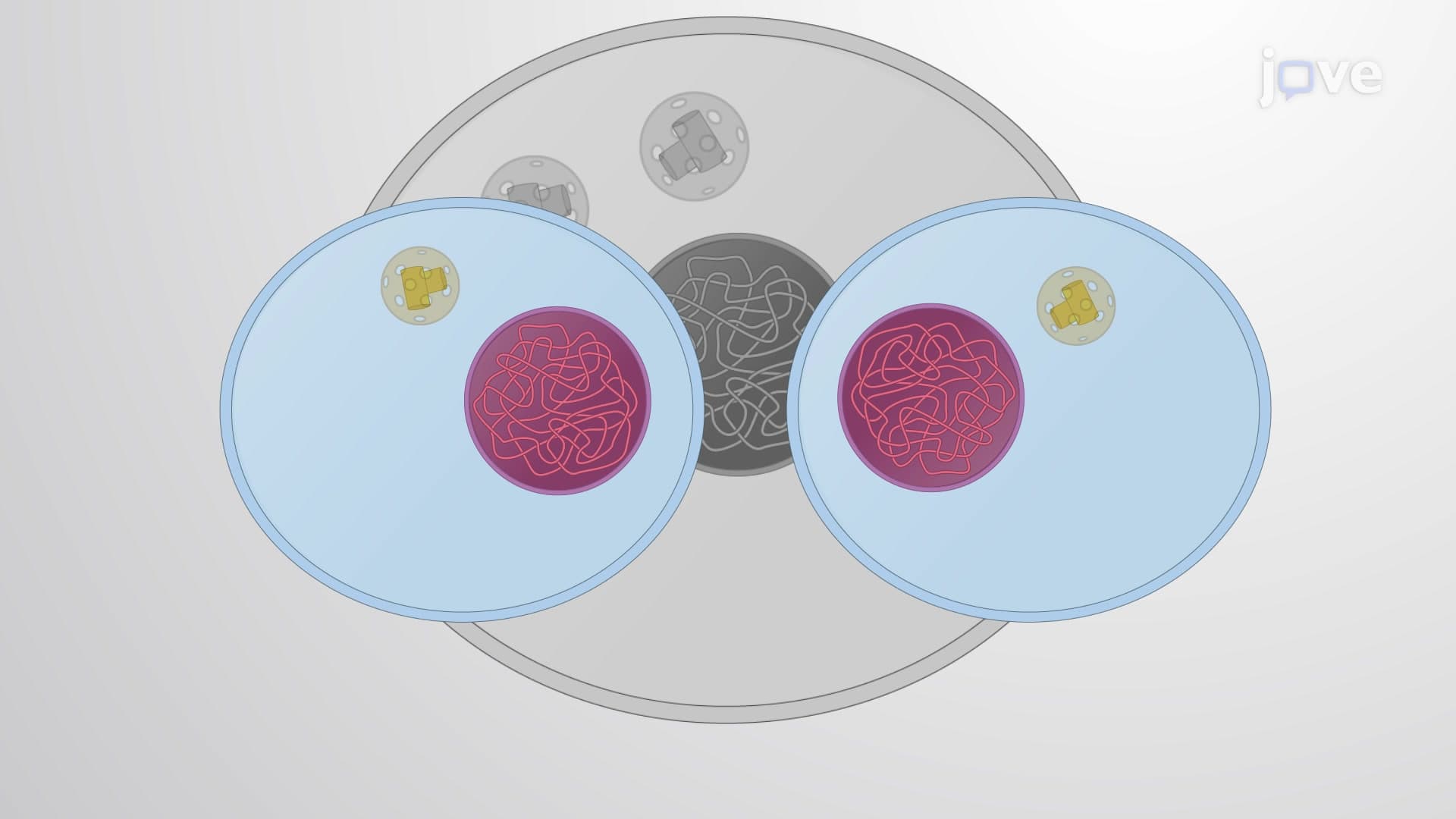
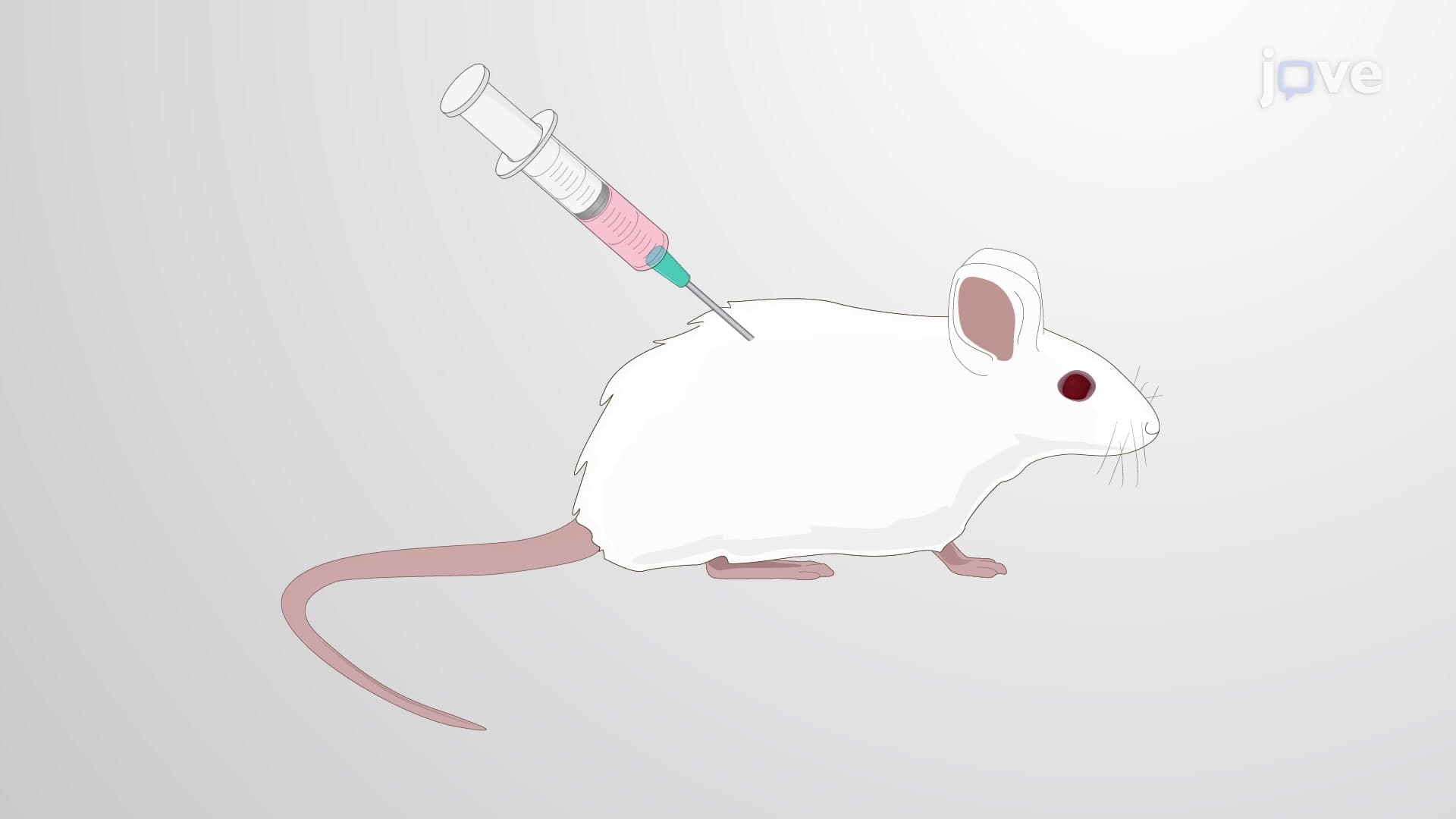
The hybridoma technology basics involve a carefully orchestrated fusion process. Researchers inject laboratory mice with target antigens, allowing the immune system to generate specific B cells. After harvesting spleen cells rich in these activated B cells, scientists use either electrical pulses (electrofusion) or chemical agents like polyethylene glycol to force membrane fusion with immortal myeloma cells. This hybridoma technology concept creates hybrid cells that inherit both the antibody-producing capability of B cells and the unlimited growth potential of cancer cells.
The selection process represents a masterpiece of biochemical engineering. HAT medium contains hypoxanthine, aminopterin, and thymidine-components that create a selective pressure favoring only successfully fused hybridomas. Aminopterin blocks the normal DNA synthesis pathway, forcing cells to rely on the salvage pathway requiring the HGPRT enzyme. Since myeloma cells lack HGPRT and B cells die quickly, only hybridomas possessing both HGPRT and immortality can survive.
Understanding hybridoma technology in detail reveals its transformative impact on American healthcare. Major pharmaceutical companies like Abbott and Roche rely on this technology to produce diagnostic tests for everything from pregnancy detection to COVID-19 screening. Therapeutic monoclonal antibodies, including cancer treatments like rituximab and immune disorder therapies, all trace back to hybridoma technology principles.
For students preparing for advanced coursework, this hybridoma technology study guide material frequently appears in AP Biology exams, MCAT questions, and undergraduate immunology courses. The technology exemplifies key biological concepts including cell membrane dynamics, enzyme kinetics, and selective pressure-making it a favorite topic for comprehensive examinations testing multiple biological principles simultaneously.
Related Micro-courses