Loading…
Loading video…

27,706 views

Ever wonder why your bones heal stronger after a fracture, or how muscle tissue adapts to weight training? Cell matrix's response to mechanical forces drives these remarkable adaptations throughout your body. When orthopedic surgeons at Johns Hopkins apply controlled tension during bone reconstruction, they're harnessing the same cellular mechanisms that allow individual cells to sense and respond to their physical environment. This fascinating process involves specialized protein complexes that act like molecular sensors, detecting mechanical stress and triggering cellular responses that reshape tissues. Watch the full video on JoVE Coach to master this concept with expert-led visuals and step-by-step explanations.
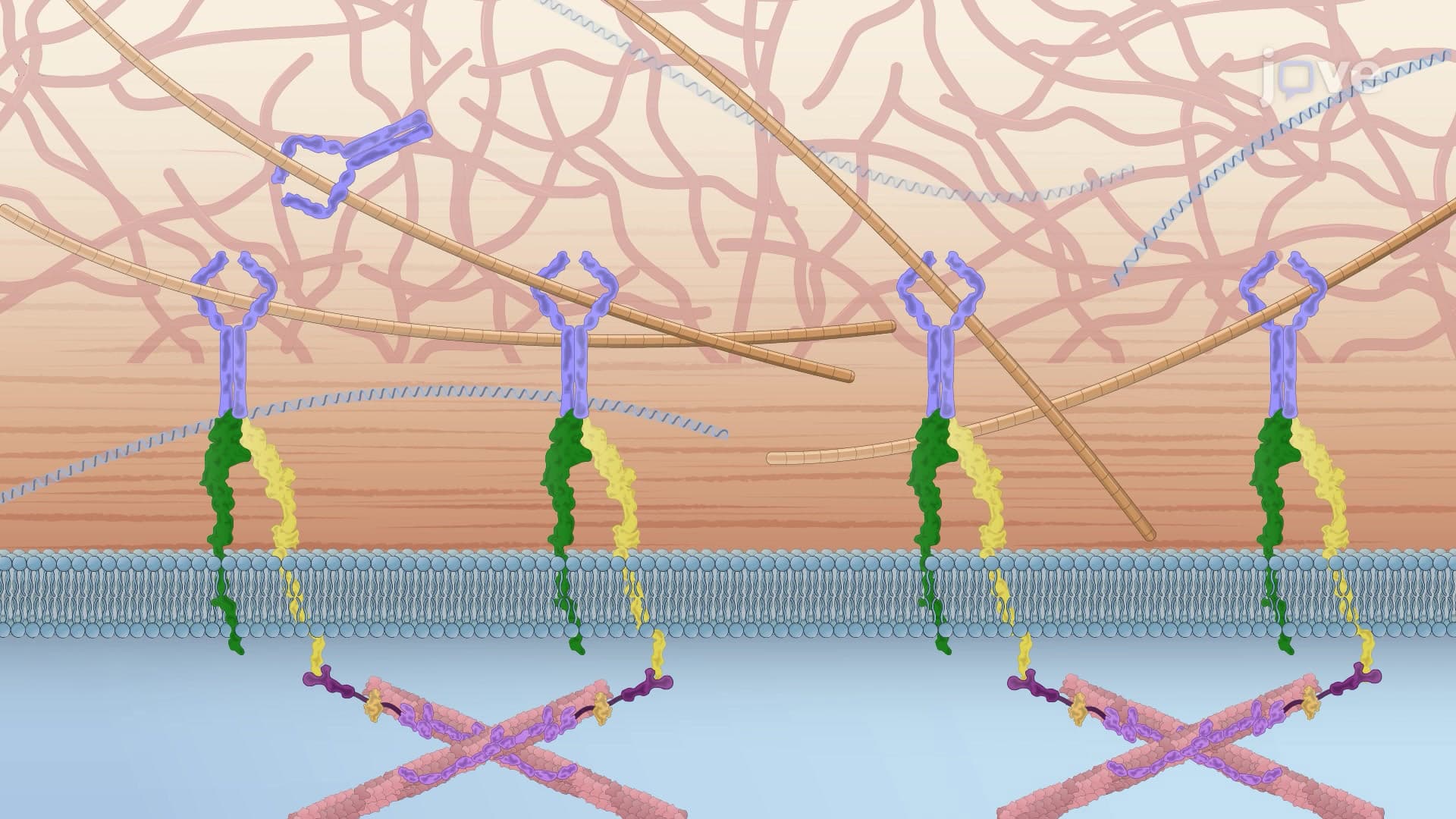
Cell matrix's response to physical stimuli represents one of biology's most elegant feedback systems. Cells constantly probe their mechanical environment through specialized structures called focal adhesions—dynamic protein complexes that anchor cells to the extracellular matrix (ECM). This mechanosensing capability allows tissues to adapt to changing physical demands, from bone remodeling in response to exercise to wound healing after injury.
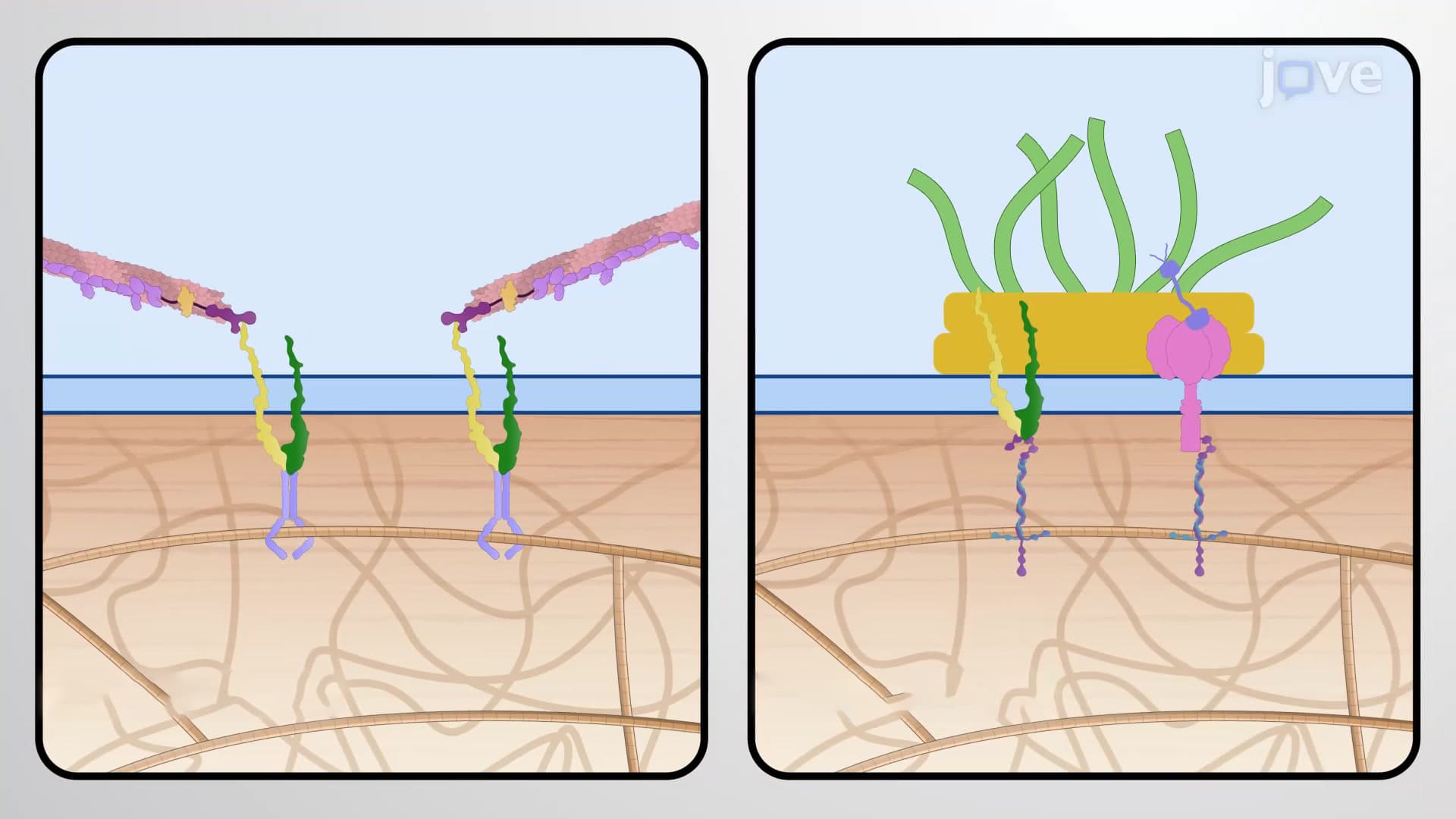
At the heart of cellular mechanosensing lies a sophisticated network of contractile proteins. Actin filaments, powered by myosin motors, generate internal tension that pulls against focal adhesion sites. This creates a tug-of-war between cellular forces and ECM resistance. When cells encounter a rigid matrix—like the mineralized environment around bone tissue—they experience significant resistance. This triggers the formation of additional focal adhesions, strengthening the cell-matrix connection.
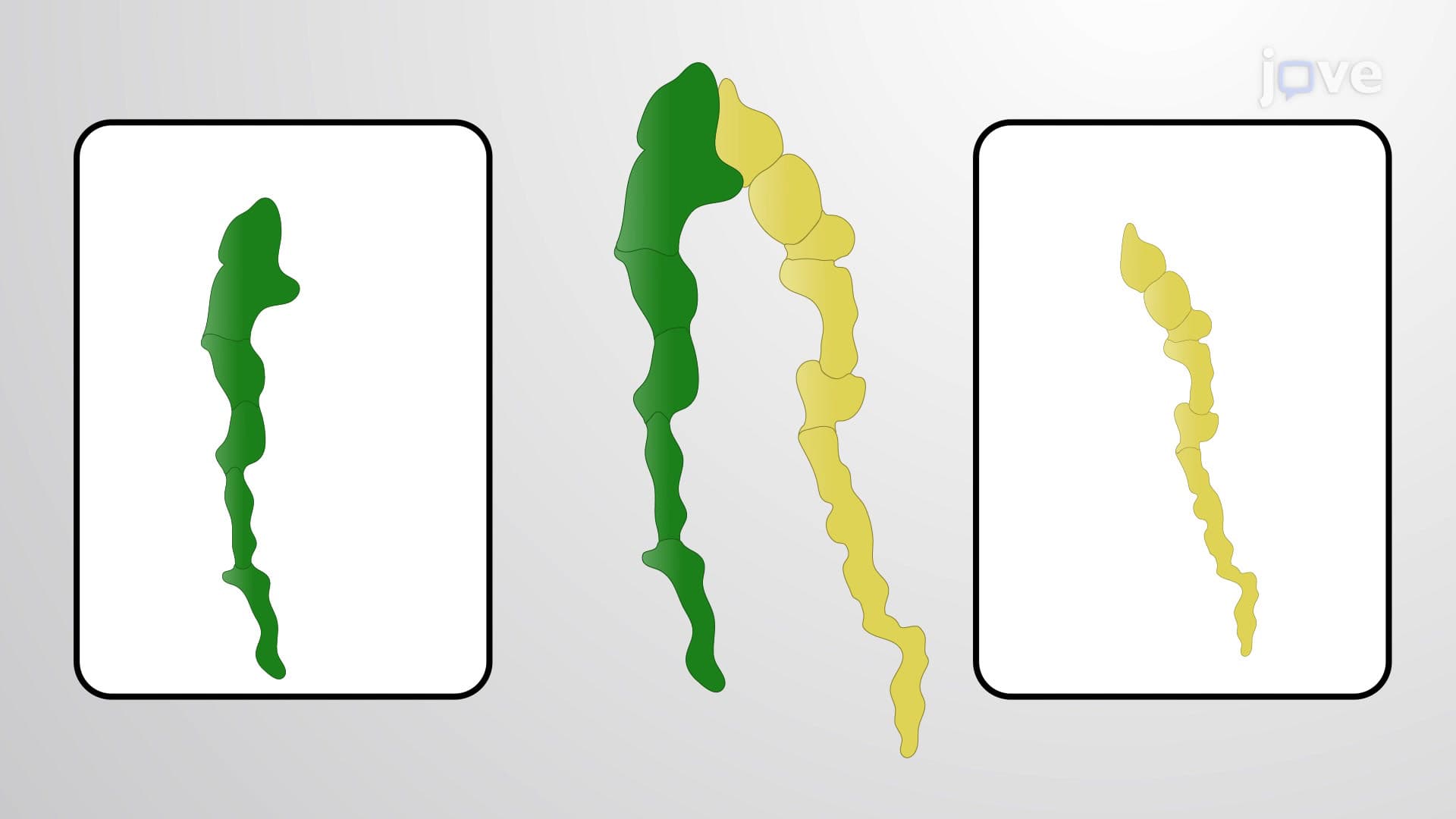
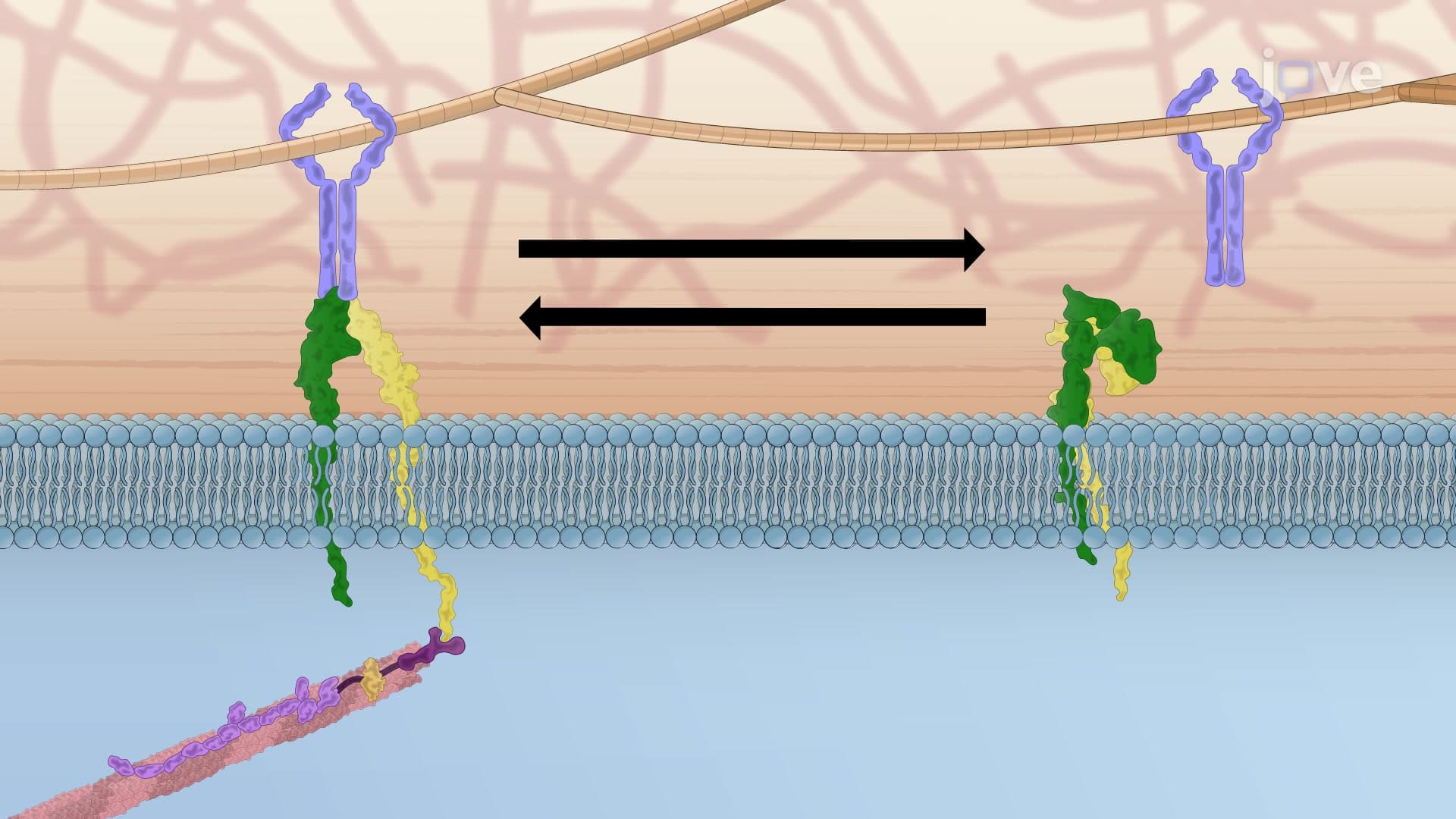
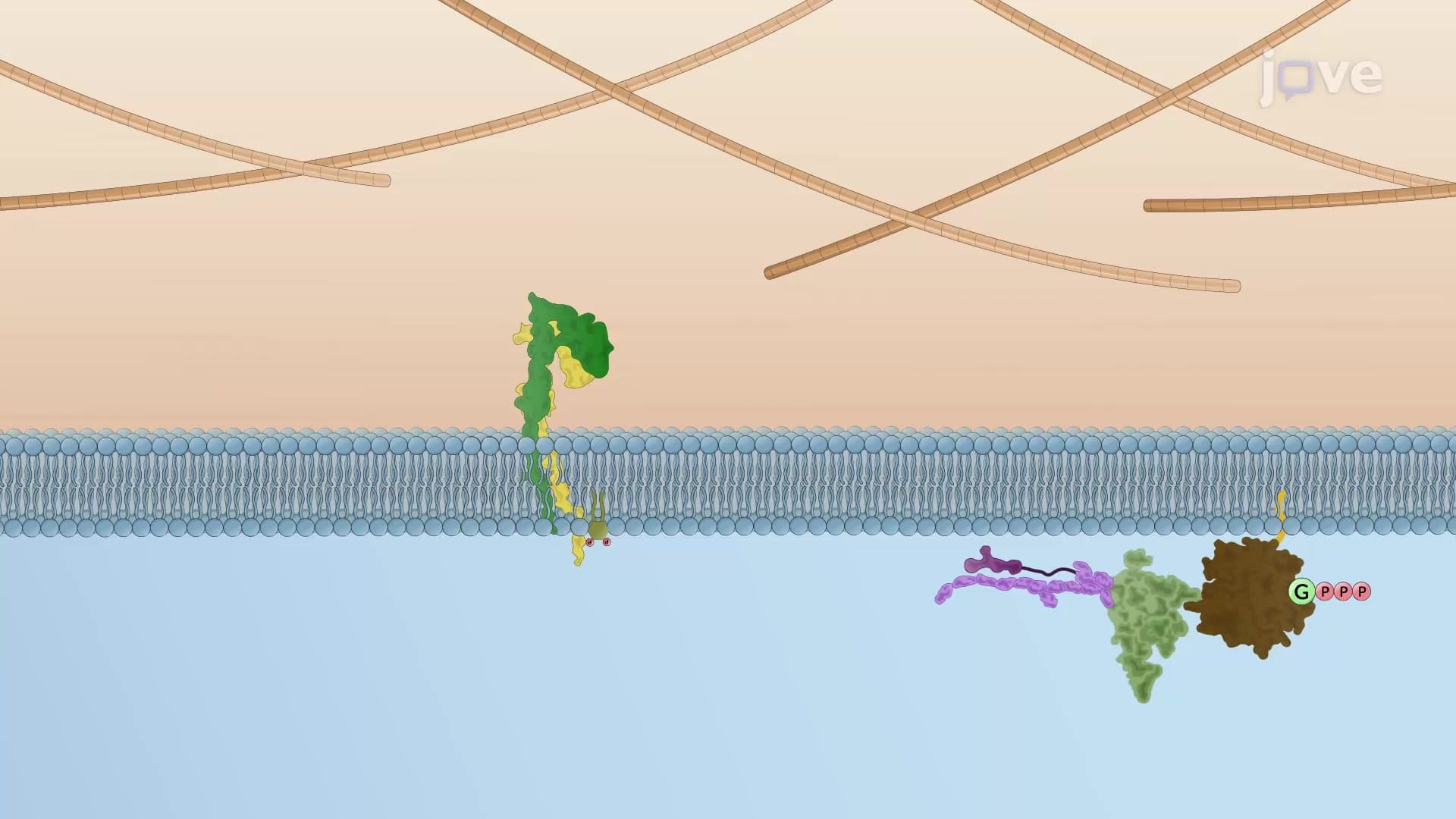
The process involves key mechanosensitive proteins that undergo conformational changes under tension. Talin, a crucial focal adhesion protein, literally unfolds when stretched by actin-myosin forces. This unfolding exposes hidden binding sites for vinculin, which then recruits additional actin filaments to reinforce the junction. It's like adding more anchor points to secure a tent in strong winds.
Different tissues present varying levels of mechanical resistance. Brain tissue is relatively soft (similar to gelatin), while bone matrix is extremely rigid. Cells adjust their responses accordingly through mechanosensing. In softer environments, cells generate less internal tension and form fewer focal adhesions. This explains why neural stem cells differentiate into neurons when cultured on soft substrates but become bone cells on rigid surfaces.
This mechanotransduction process has profound clinical implications. Physical therapists at the Mayo Clinic use controlled mechanical loading to promote tissue healing and strength. Understanding cell matrix responses helps explain why astronauts lose bone density in microgravity—without mechanical loading, bone cells reduce their matrix-building activity.
For students preparing for the MCAT or AP Biology exams, this concept frequently appears in questions about cell signaling, tissue engineering, and developmental biology. College biochemistry courses often explore these mechanisms when discussing protein structure-function relationships and cellular adaptation strategies.
Frequently Asked Questions
Cell matrix's response to mechanical forces is how cells detect and adapt to physical stress in their environment through specialized protein complexes. This process is crucial for tissue development, wound healing, bone remodeling, and maintaining tissue integrity throughout life.
MCAT questions often test mechanotransduction in passages about tissue engineering or cell signaling pathways. AP Biology exams may include this in questions about protein structure changes, cellular communication, or tissue specialization. Focus on understanding the cause-and-effect relationships between mechanical force and protein conformational changes.
Remember the key players: talin unfolds under tension, vinculin binds to exposed sites, and actin filaments strengthen junctions. Know that rigid ECM creates more focal adhesions than soft ECM. Practice drawing the pathway from mechanical force to cellular response.
Orthopedic surgeons use mechanical loading principles in fracture healing—controlled movement promotes stronger bone formation. Physical therapists apply graduated resistance to rebuild muscle and connective tissue strength. Tissue engineers design scaffolds with specific stiffness to guide stem cell differentiation.
Not at all! While the molecular details are complex, the basic concept—cells respond to physical forces—is intuitive. Start with everyday examples like muscle building through exercise, then work toward understanding the underlying protein mechanisms. Many successful pre-med students master this concept in AP Biology.
Create flowcharts showing force transmission from ECM through focal adhesions to cellular responses. Practice explaining how talin conformational changes lead to junction strengthening. Use analogies like anchoring systems to remember protein interactions.
Study stem cell differentiation on substrates of different stiffness, cancer cell mechanobiology, and tissue engineering applications. These build naturally on mechanotransduction principles and frequently appear in advanced biology courses.
Related Micro-courses

Related Subjects