Loading subject page…

- Cell Biology
- Cell Proliferation
- Positive Regulator Molecules
Micro-course: Cell Proliferation
51,501 views
Learn key concepts and earn your certificate.


Positive Regulator Molecules

00:00
02:39
Video Summary: What are Positive Regulator Molecules
Ever wonder how cancer cells grow uncontrollably while healthy cells divide in perfect harmony? Positive regulator molecules are the molecular switches that actively drive cell division forward, ensuring proper timing of each phase. These essential proteins, including cyclins and cyclin-dependent kinases (CDKs), form complexes that trigger critical transitions like the G1 to S phase. In breast cancer treatment, CDK4/6 inhibitors like palbociclib specifically target these positive regulators to halt tumor progression. Watch the full video on JoVE Coach to master this concept with expert-led visuals and step-by-step explanations.
- Understand what are positive regulator molecules and their fundamental role in promoting cell cycle progression through phosphorylation cascades
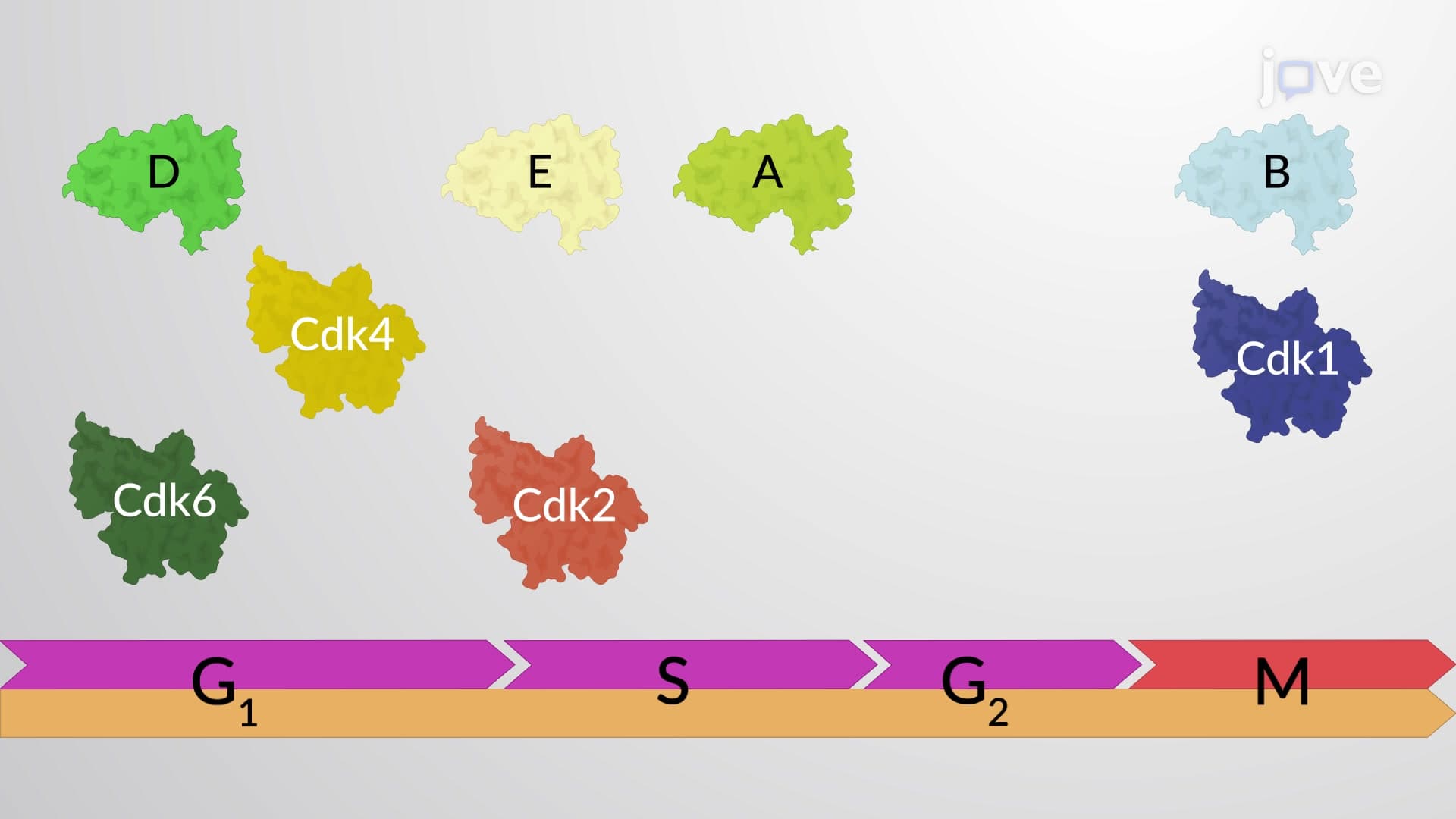
- Identify the major types of positive regulators, including cyclins (A, B, D, E) and their corresponding CDK partners (CDK1, CDK2, CDK4/6)
- Analyze how cyclin-CDK complexes control specific cell cycle transitions, particularly G1/S and G2/M checkpoints
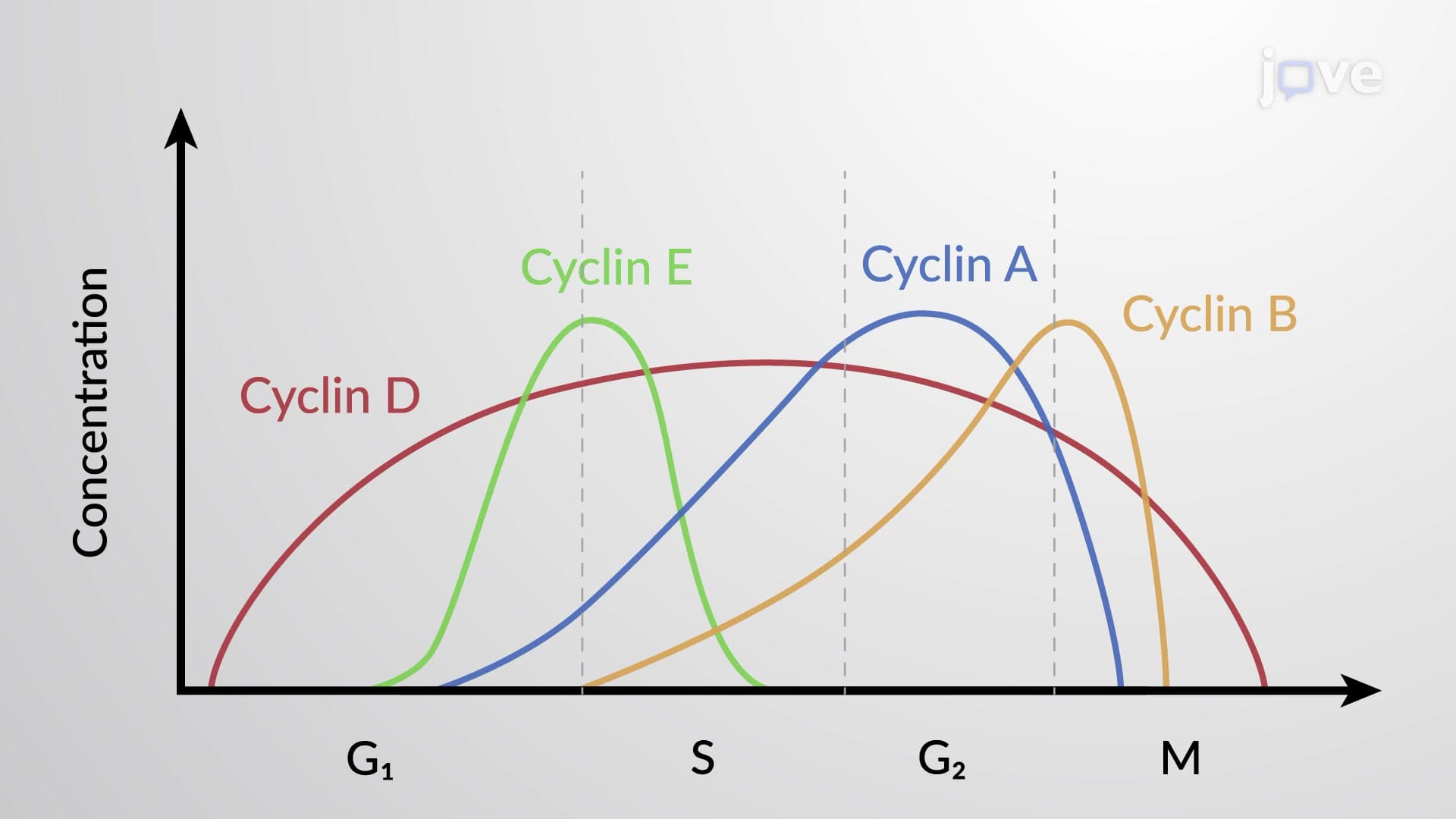
- Compare the synthesis and degradation patterns of different cyclins throughout the cell cycle phases
- Evaluate the consequences of positive regulator dysregulation in cancer development and progression
- Apply knowledge of CDK inhibitor mechanisms to understand targeted cancer therapies used in US clinical practice
- Recognize the molecular basis of phosphorylation in cell cycle control and protein regulation
- Explore the connection between positive regulators and normal physiological processes like wound healing and immune responses
Understanding Positive Regulator Molecules: The Cell Cycle Accelerators
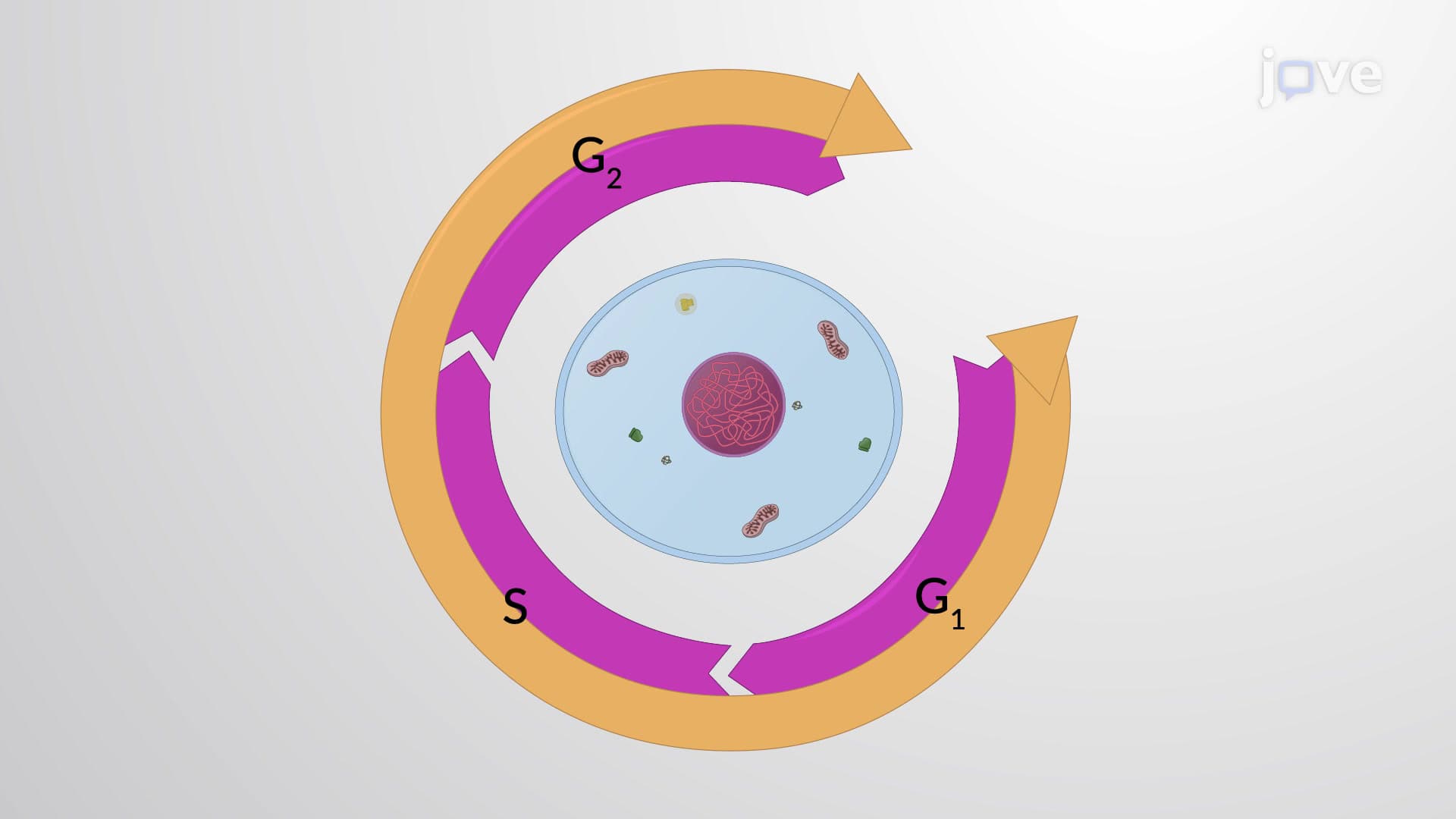
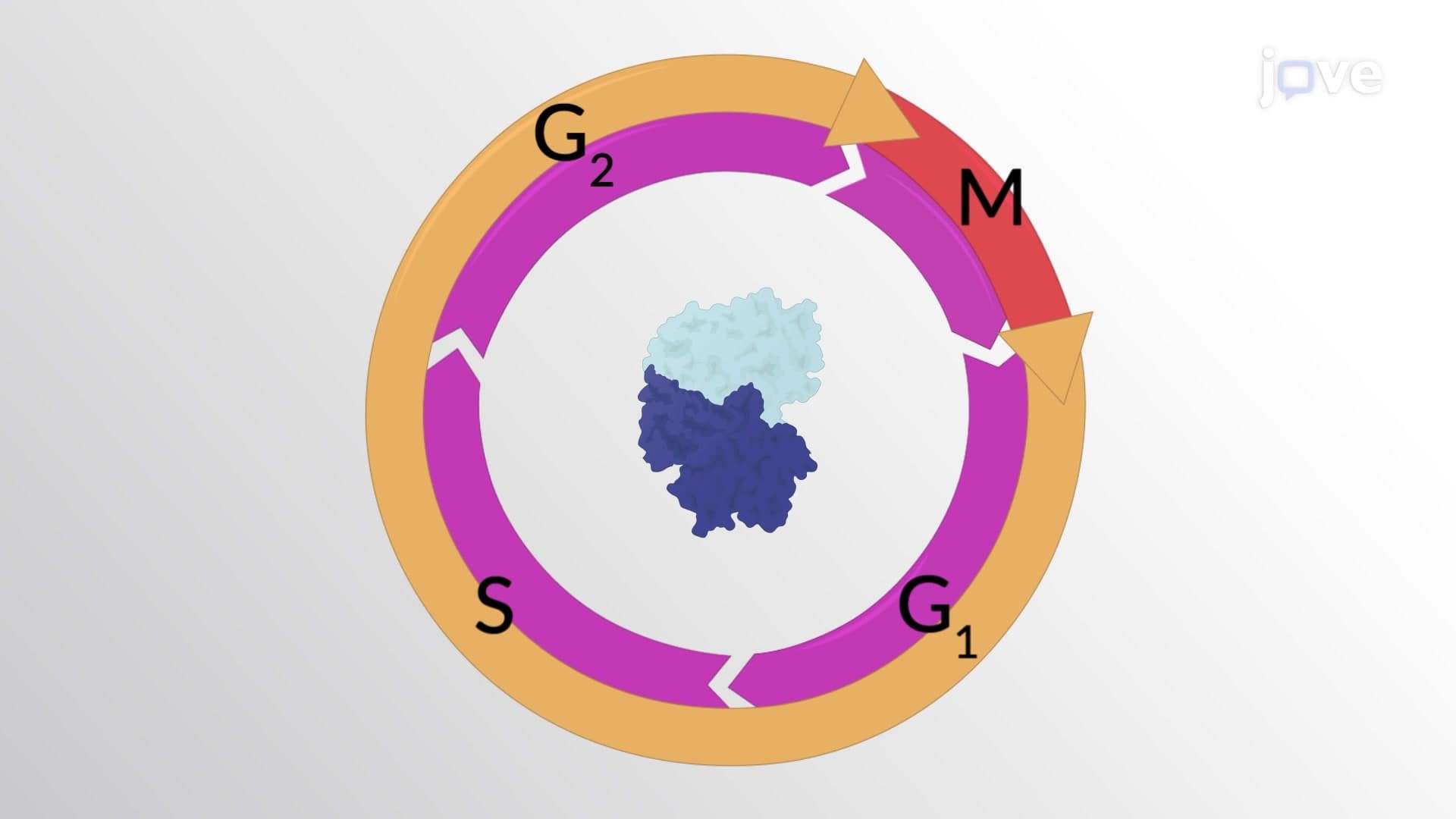
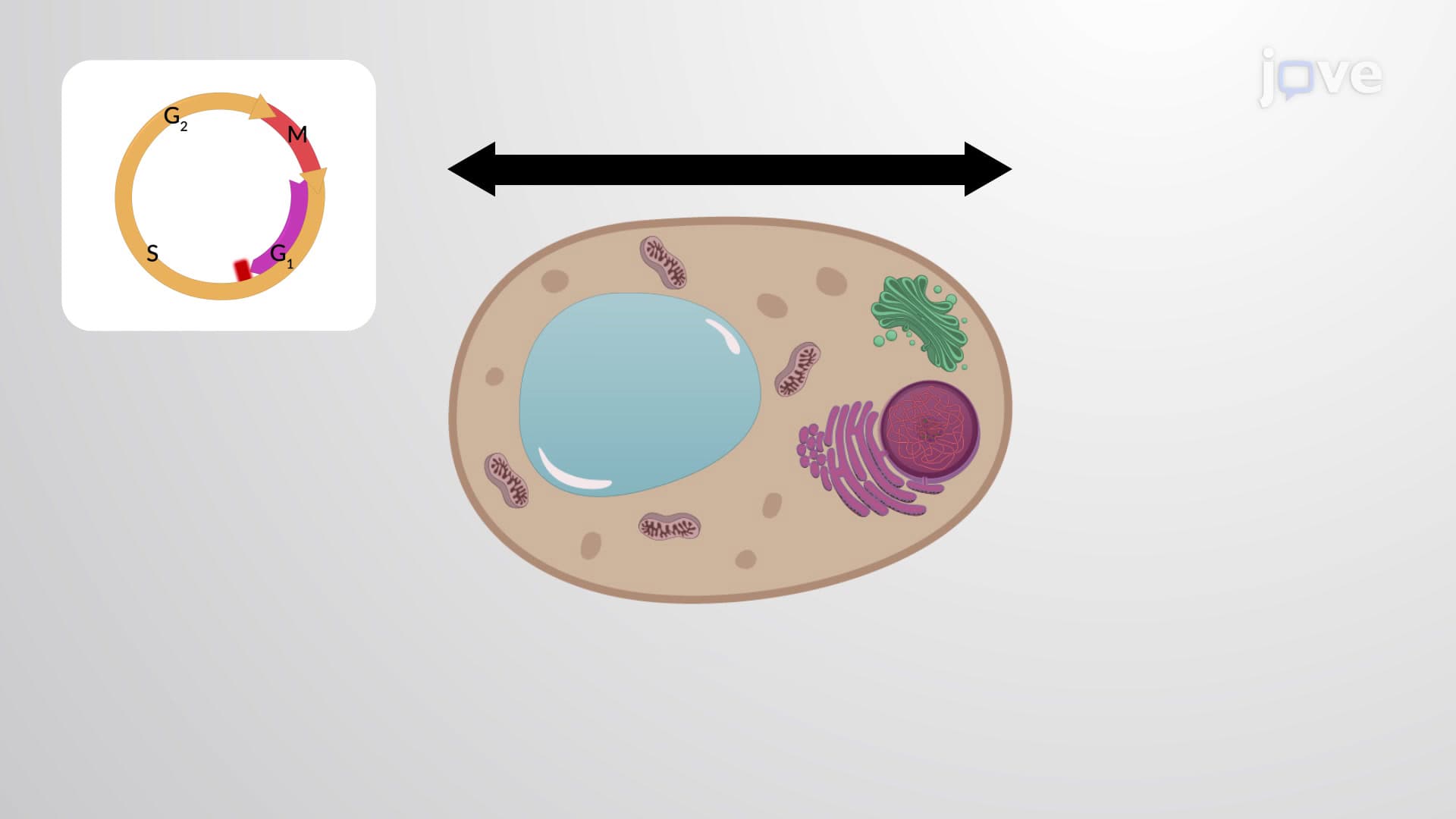
Positive regulator molecules function as the cellular accelerator pedal, actively promoting progression through the four phases of the cell cycle: G1, S, G2, and M. Unlike negative regulators that act as brakes, these molecules ensure that cells divide when conditions are favorable and growth signals are present. The discovery of these regulatory mechanisms earned the 2001 Nobel Prize in Physiology or Medicine, highlighting their fundamental importance in biology.
Cyclins and CDKs: The Dynamic Duo of Cell Division
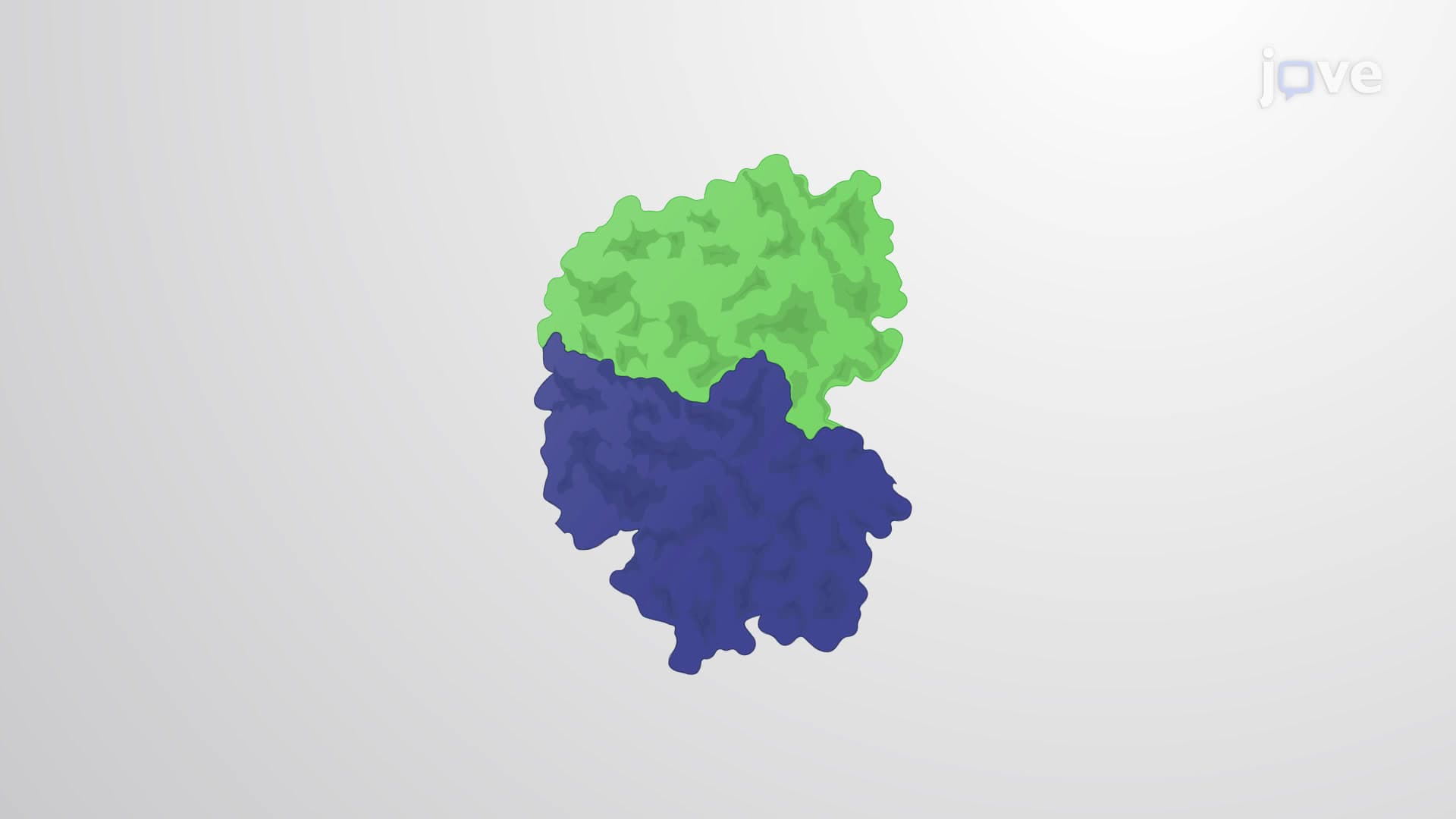
The most critical positive regulators are cyclins and cyclin-dependent kinases (CDKs). Cyclins are regulatory proteins whose levels fluctuate dramatically throughout the cell cycle, while CDKs are enzymes that remain relatively constant but require cyclin binding for activation. This partnership creates a sophisticated timing mechanism that students encounter extensively in AP Biology and college-level cell biology courses.
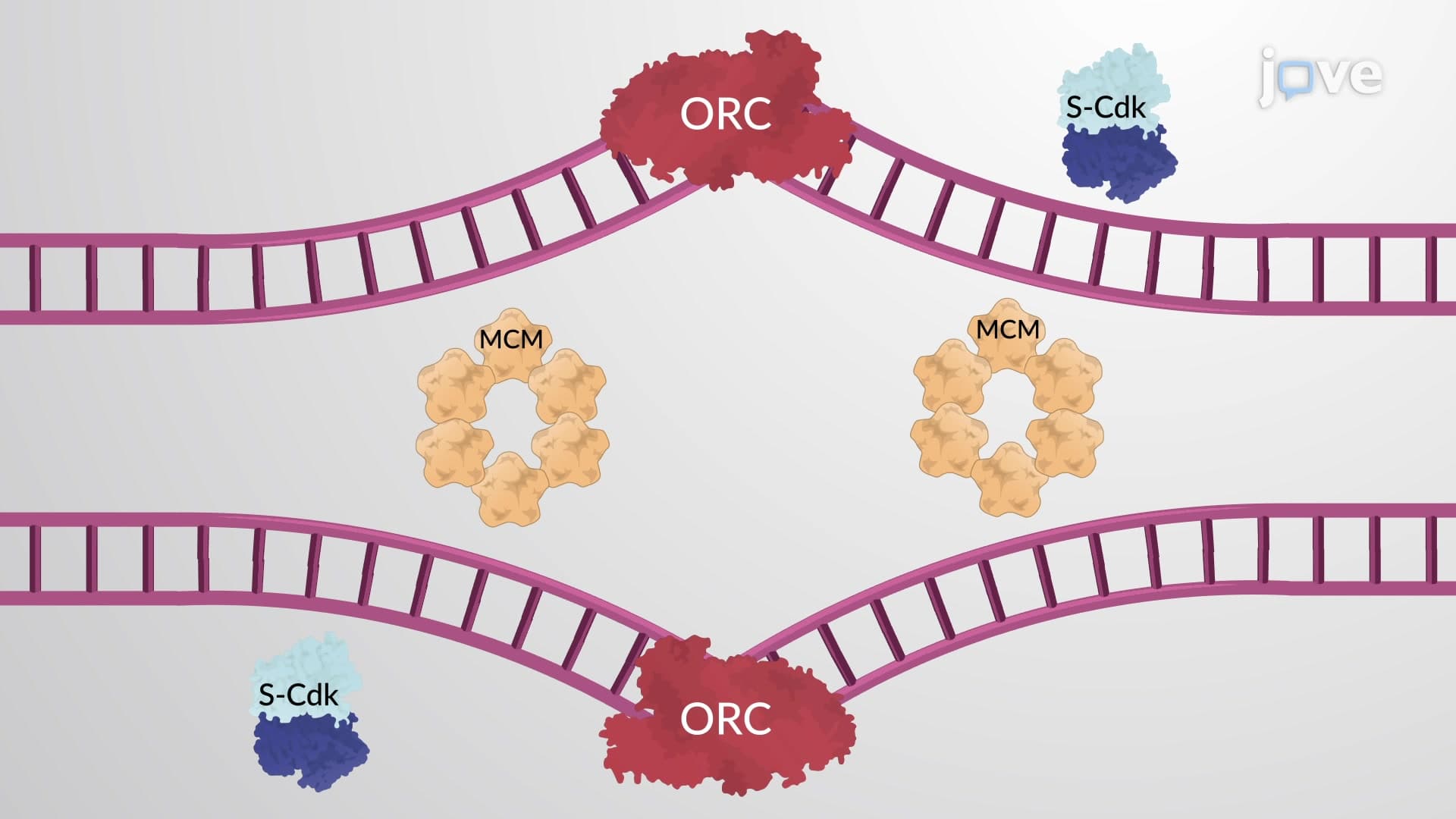
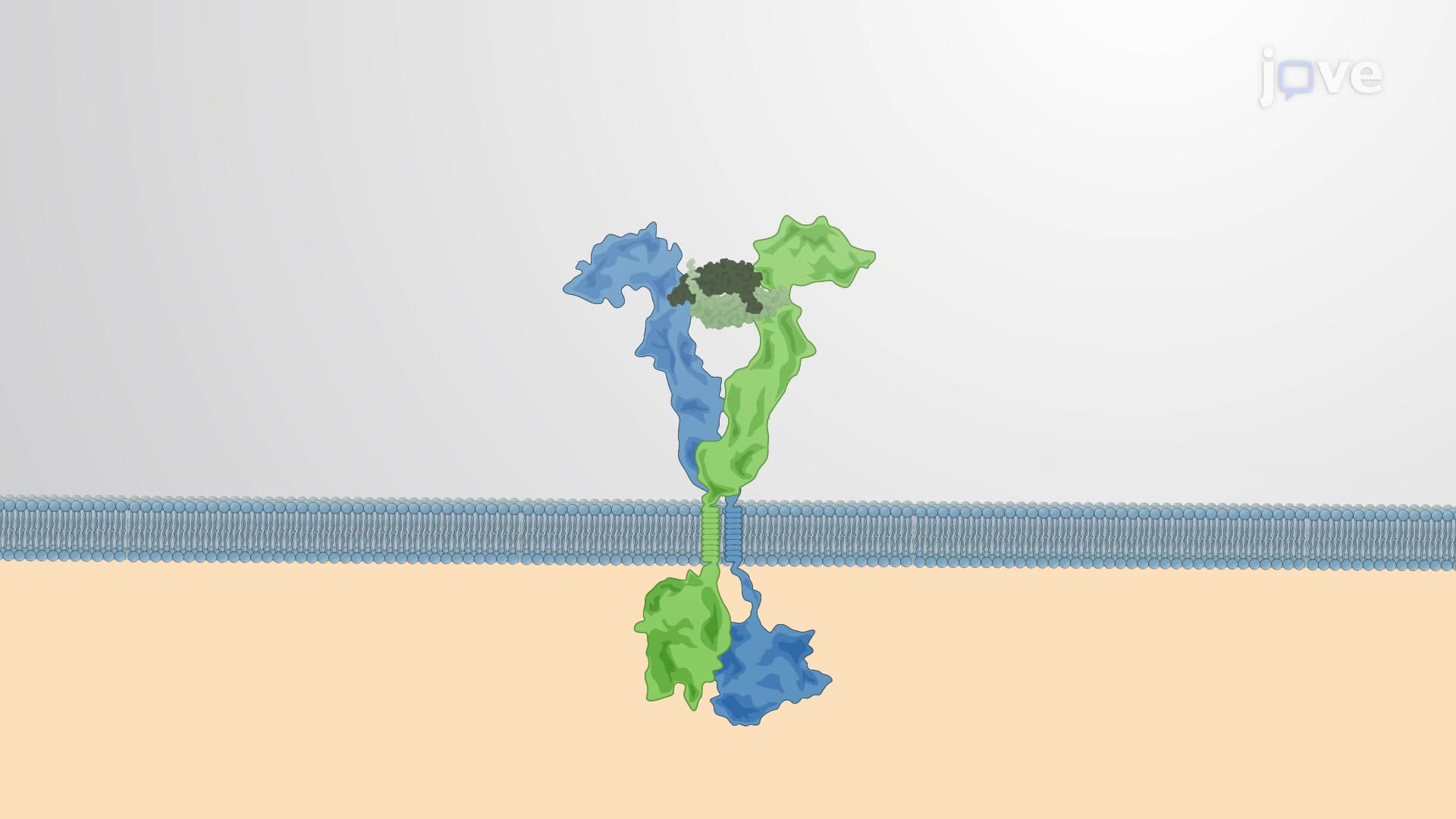
During G1 phase, cyclin D accumulates and partners with CDK4 and CDK6, forming complexes that phosphorylate the retinoblastoma (Rb) protein. This phosphorylation releases E2F transcription factors, allowing S phase genes to be expressed. As cells progress, cyclin E-CDK2 complexes further drive the G1/S transition, while cyclin A-CDK2 maintains S phase progression. Finally, cyclin B-CDK1 complexes trigger mitosis entry, demonstrating the precise choreography of cell division.
Clinical Significance and Therapeutic Applications
The medical relevance of positive regulators extends far beyond textbook knowledge. In the United States, CDK4/6 inhibitors like palbociclib (Ibrance), ribociclib (Kisqali), and abemaciclib (Verzenio) represent breakthrough therapies for hormone receptor-positive breast cancer. These FDA-approved drugs specifically target the cyclin D-CDK4/6 complexes that drive cancer cell proliferation.
Understanding these mechanisms proves essential for MCAT preparation, particularly in the biological and biochemical foundations section. Students studying for medical school admission must grasp how normal cell cycle regulation becomes disrupted in cancer, leading to uncontrolled proliferation that characterizes malignant tumors.
Molecular Mechanisms and Phosphorylation Networks
The activity of positive regulator molecules depends heavily on phosphorylation cascades. When cyclin-CDK complexes form, they phosphorylate numerous substrate proteins, triggering conformational changes that promote cell cycle advancement. This phosphorylation-based regulation appears frequently in college biochemistry exams and provides the molecular basis for understanding cellular signaling networks that control growth, development, and tissue homeostasis.
Frequently Asked Questions
Positive regulator molecules are proteins that actively promote cell division by triggering transitions between different phases of the cell cycle. The main types include cyclins and cyclin-dependent kinases (CDKs) that work together to phosphorylate target proteins. These molecular switches ensure cells divide at appropriate times during development, tissue repair, and normal growth processes.
These concepts frequently appear in questions about cell cycle control, cancer biology, and signal transduction pathways. MCAT students encounter them in passages about oncogenes and tumor suppressor genes, while AP Biology exams test understanding of cyclin-CDK regulation during mitosis. College biochemistry courses emphasize the phosphorylation mechanisms and therapeutic targeting of these pathways in cancer treatment.
Malfunctioning positive regulators often lead to cancer development through uncontrolled cell proliferation. Overexpression of cyclins or CDKs can drive cells through checkpoints inappropriately, while mutations affecting these proteins contribute to tumor formation. This explains why CDK inhibitors have become important cancer therapeutics in US oncology practice, particularly for treating breast and lung cancers.
CDK4/6 inhibitors like palbociclib are FDA-approved drugs that specifically block positive regulator molecules in cancer cells. These medications work by preventing cyclin D-CDK4/6 complexes from phosphorylating the Rb protein, effectively halting cell cycle progression in hormone receptor-positive breast cancers. Patients often receive these targeted therapies in combination with hormone therapy at major cancer centers like MD Anderson and Memorial Sloan Kettering.
Basic understanding of protein structure and phosphorylation reactions is sufficient for most high school and introductory college courses. The key concepts focus on how protein-protein interactions and phosphorylation control cellular processes rather than complex biochemical mechanisms. Students with general chemistry background can successfully master these topics through focused study and practice problems.
Create concept maps linking cyclins to their specific CDK partners and cell cycle phases, then practice drawing the regulatory cascades from memory. Focus on understanding the timing of cyclin synthesis and degradation rather than memorizing every detail. Use practice questions from MCAT prep books or AP Biology review materials to test your comprehension of how these molecules function in both normal cells and cancer.
These molecules link directly to signal transduction, gene regulation, and developmental biology concepts. Understanding positive regulators provides foundation knowledge for studying growth factors, hormonal control of cellular processes, and stem cell biology. Advanced students can explore connections to metabolic regulation and aging research, particularly how cellular senescence involves changes in cyclin-CDK activity.
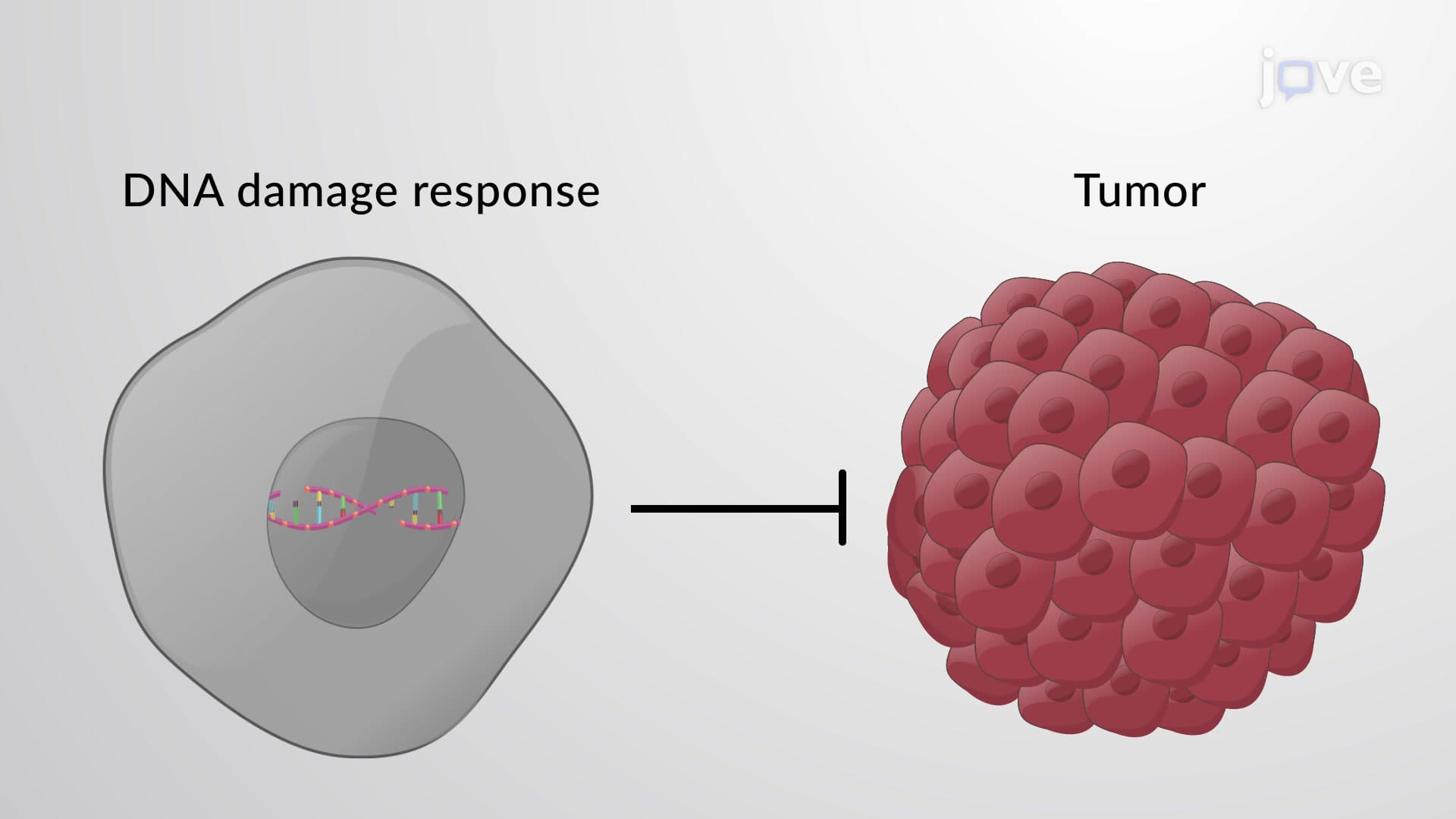
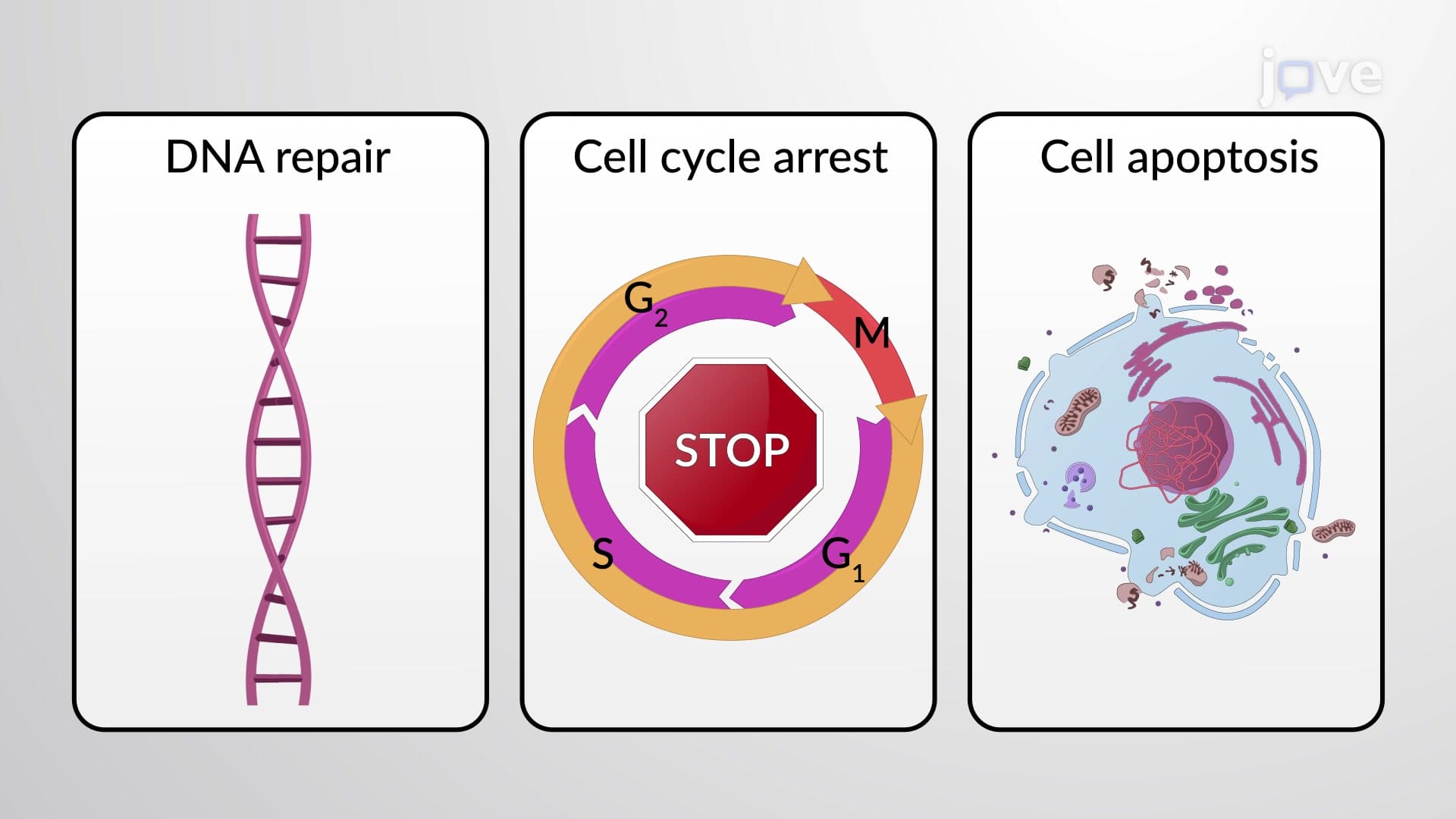
Progress to negative cell cycle regulators like p53 and Rb proteins, then explore how growth factors and external signals influence these pathways. Advanced topics include cell cycle checkpoints, DNA damage responses, and apoptosis mechanisms that work alongside positive regulators to maintain cellular homeostasis.
Related Micro-courses


