Loading subject page…


51,501 views

Video Summary: What Is Inhibition of Cdk Activity
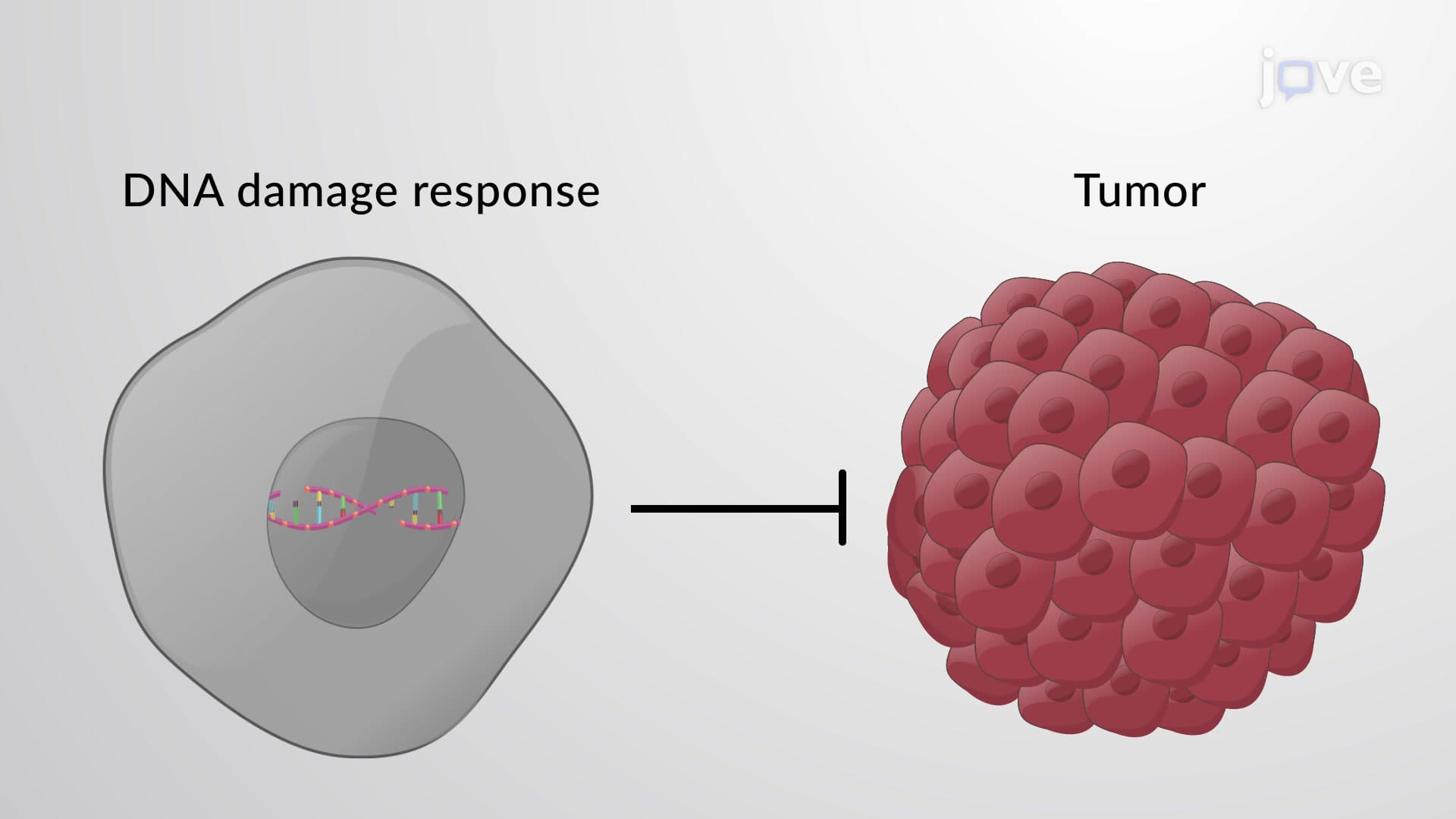
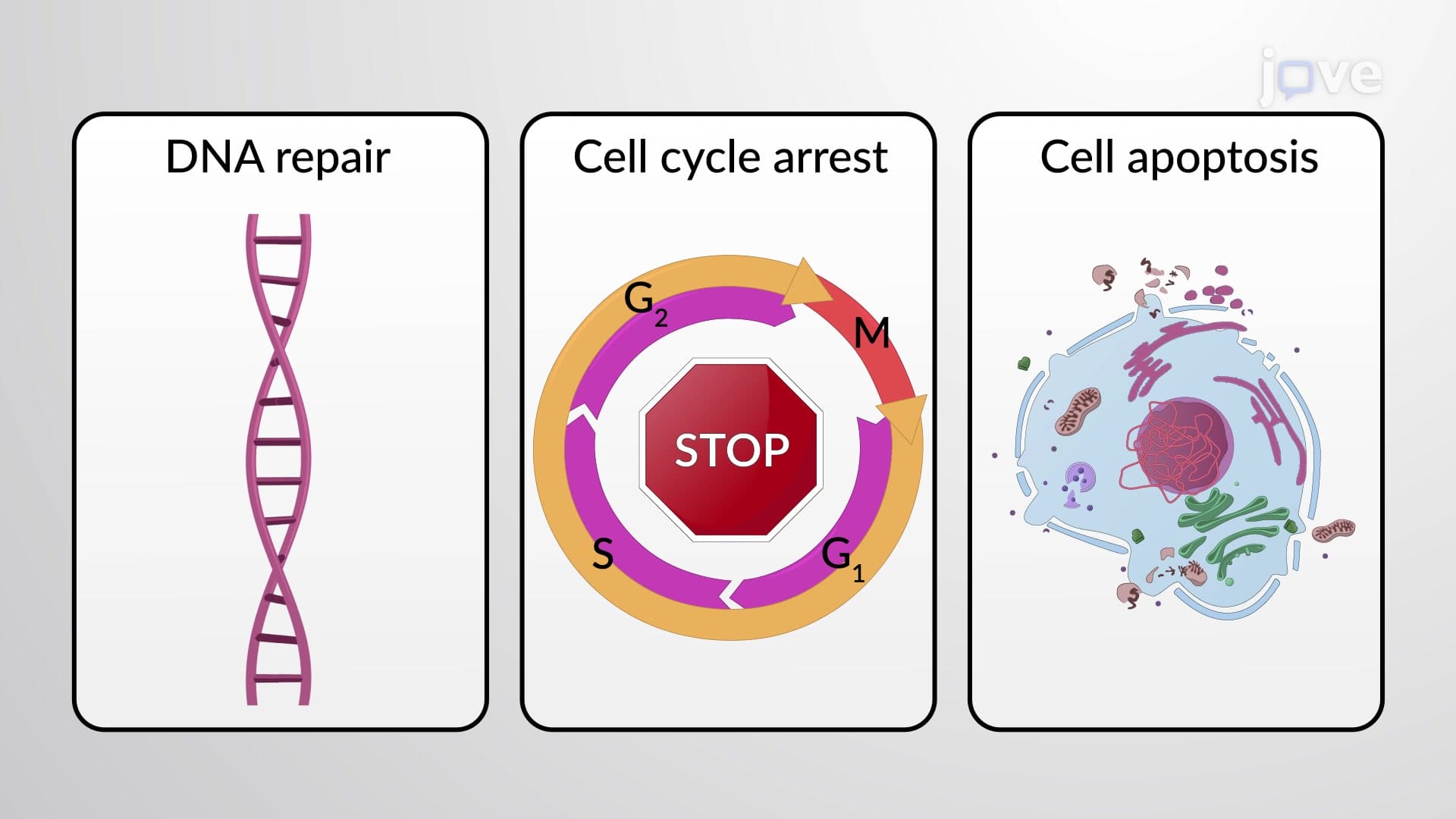
Did you know that your cells have built-in "brakes" that prevent cancer by stopping cell division when DNA is damaged? The inhibition of cdk activity serves as this crucial cellular safety mechanism, where specialized proteins called CDK inhibitors halt the cell cycle to prevent dangerous mutations from spreading. For instance, when skin cells are exposed to UV radiation, p53 proteins activate p21 inhibitors that stop cell division until DNA repairs are complete. Watch the full video on JoVE Coach to master this concept with expert-led visuals and step-by-step explanations.
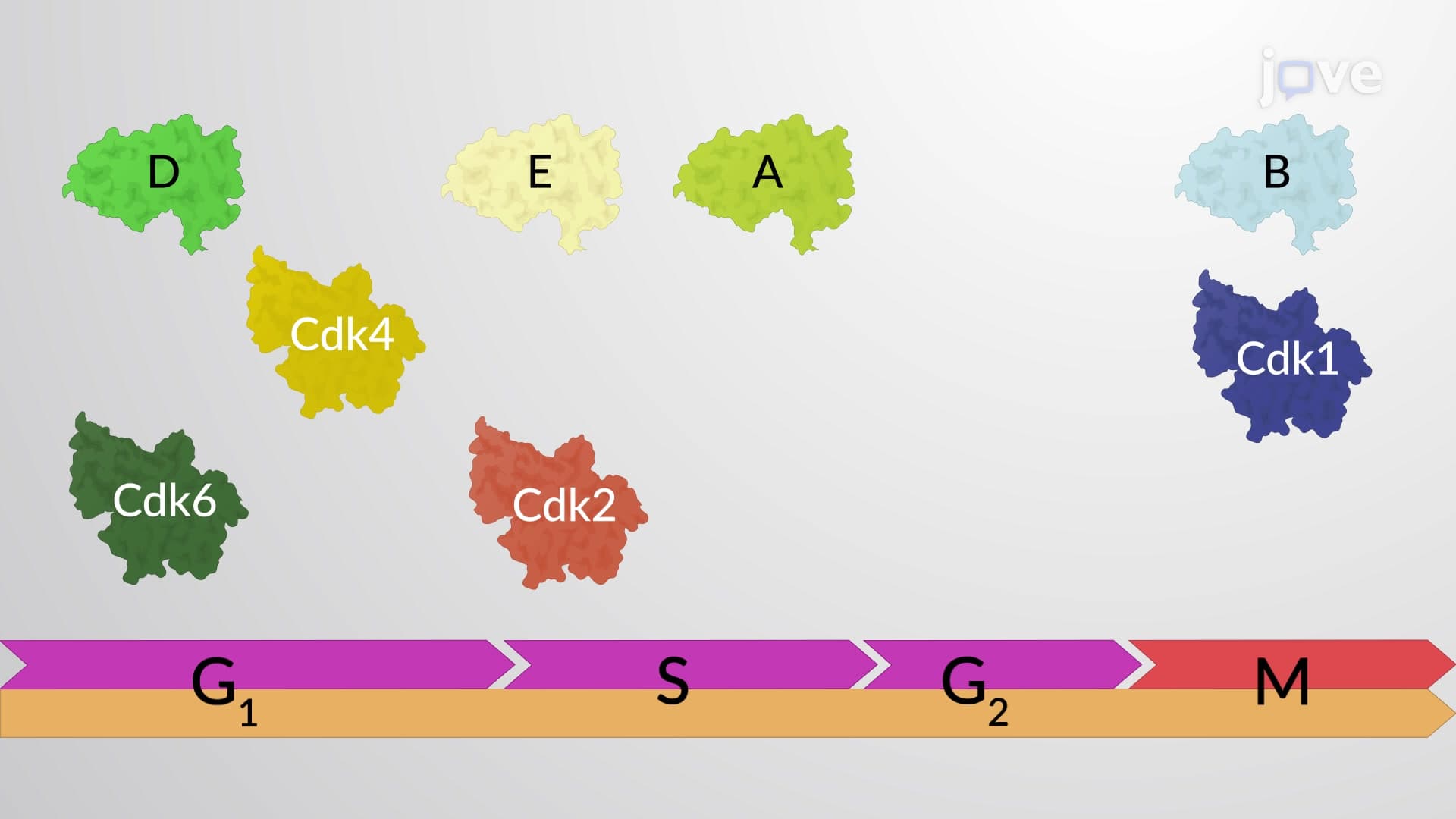
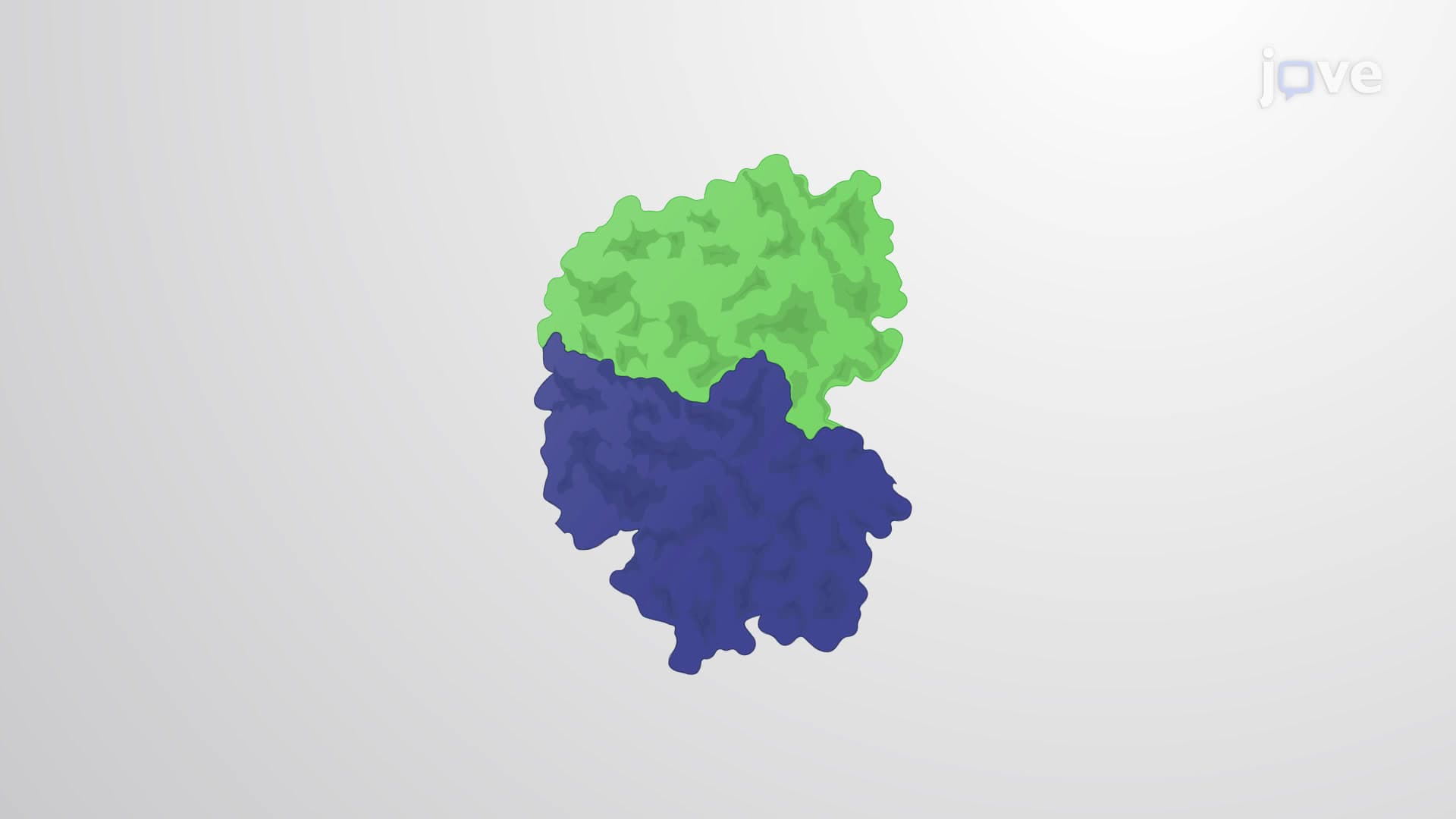
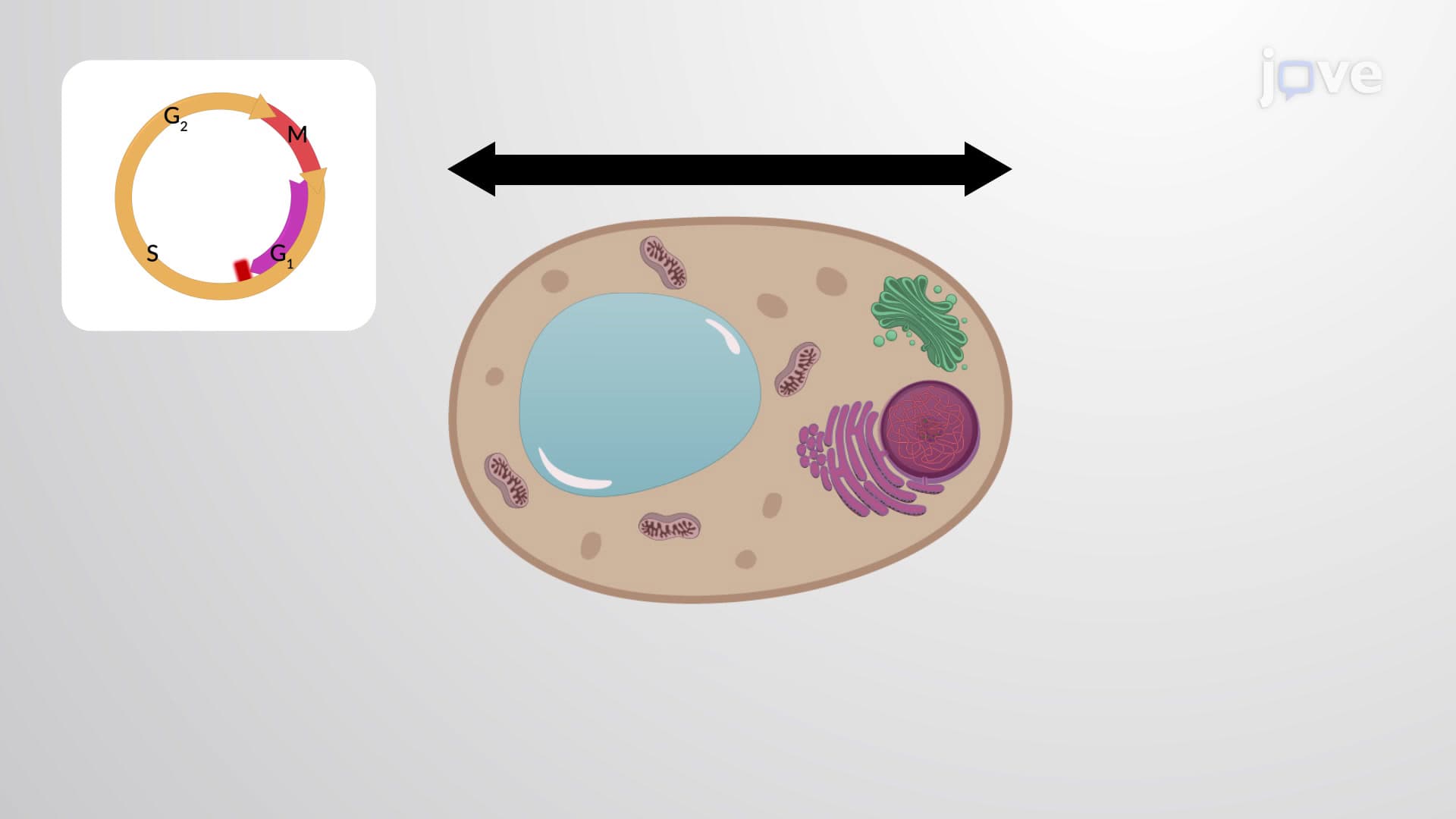
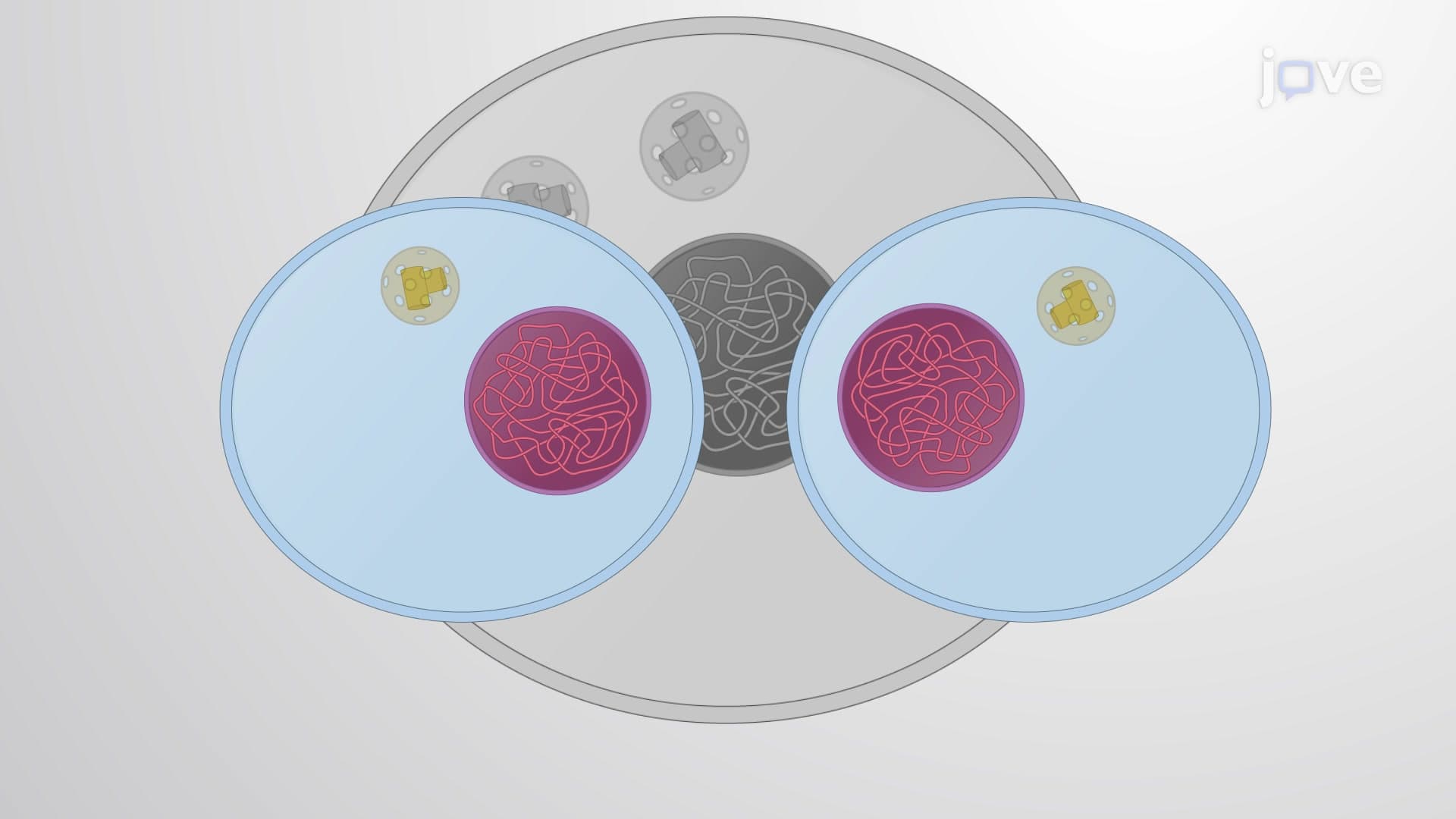
The inhibition of cdk activity represents one of the most sophisticated regulatory mechanisms in cellular biology, acting as a molecular brake system that prevents cells from progressing through the cell cycle inappropriately. Cyclin-dependent kinases (CDKs) normally drive cell cycle progression by phosphorylating target proteins, but CDK inhibitors (CKIs) can bind to these kinases and render them inactive, effectively stopping cellular division.
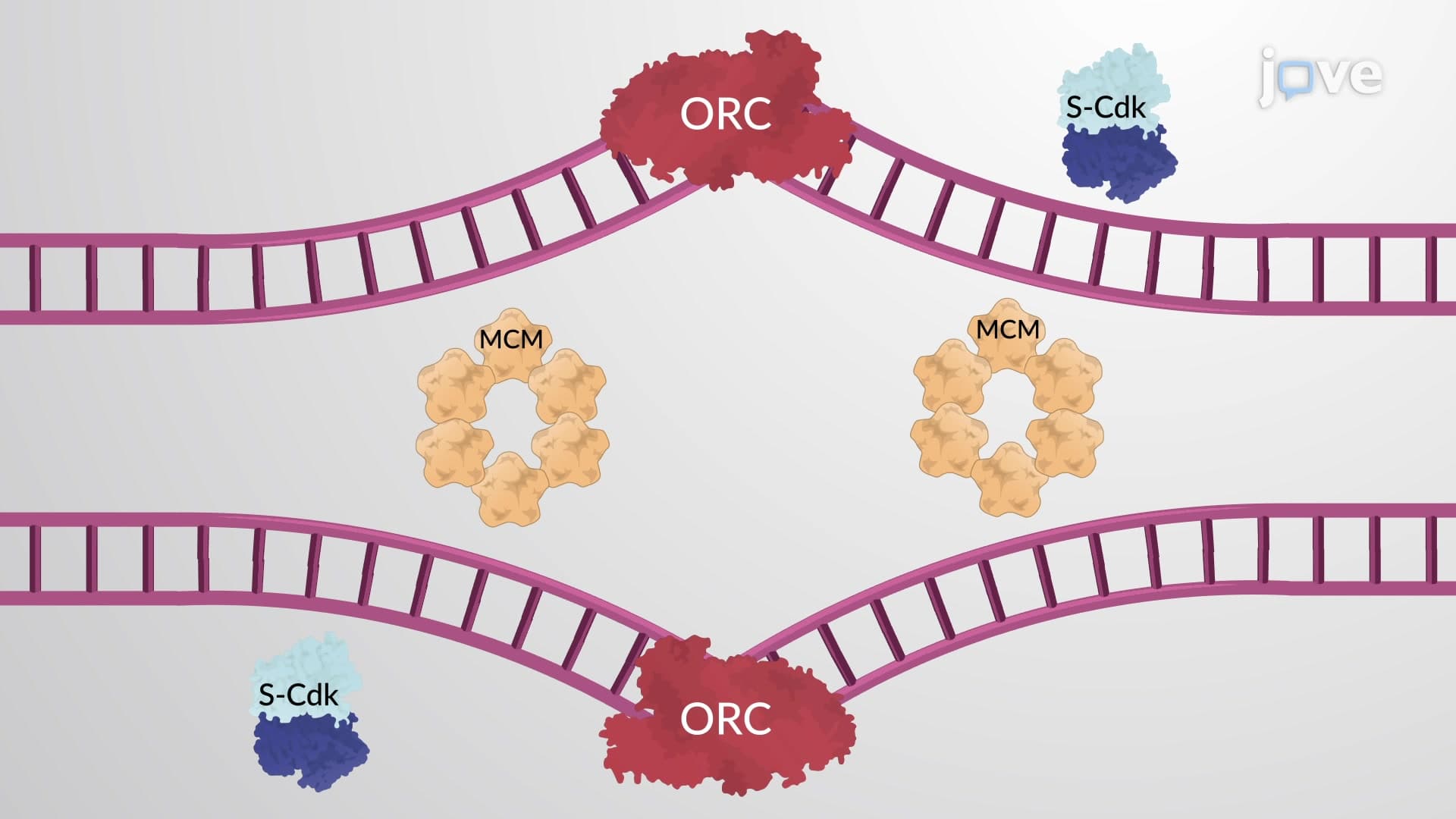
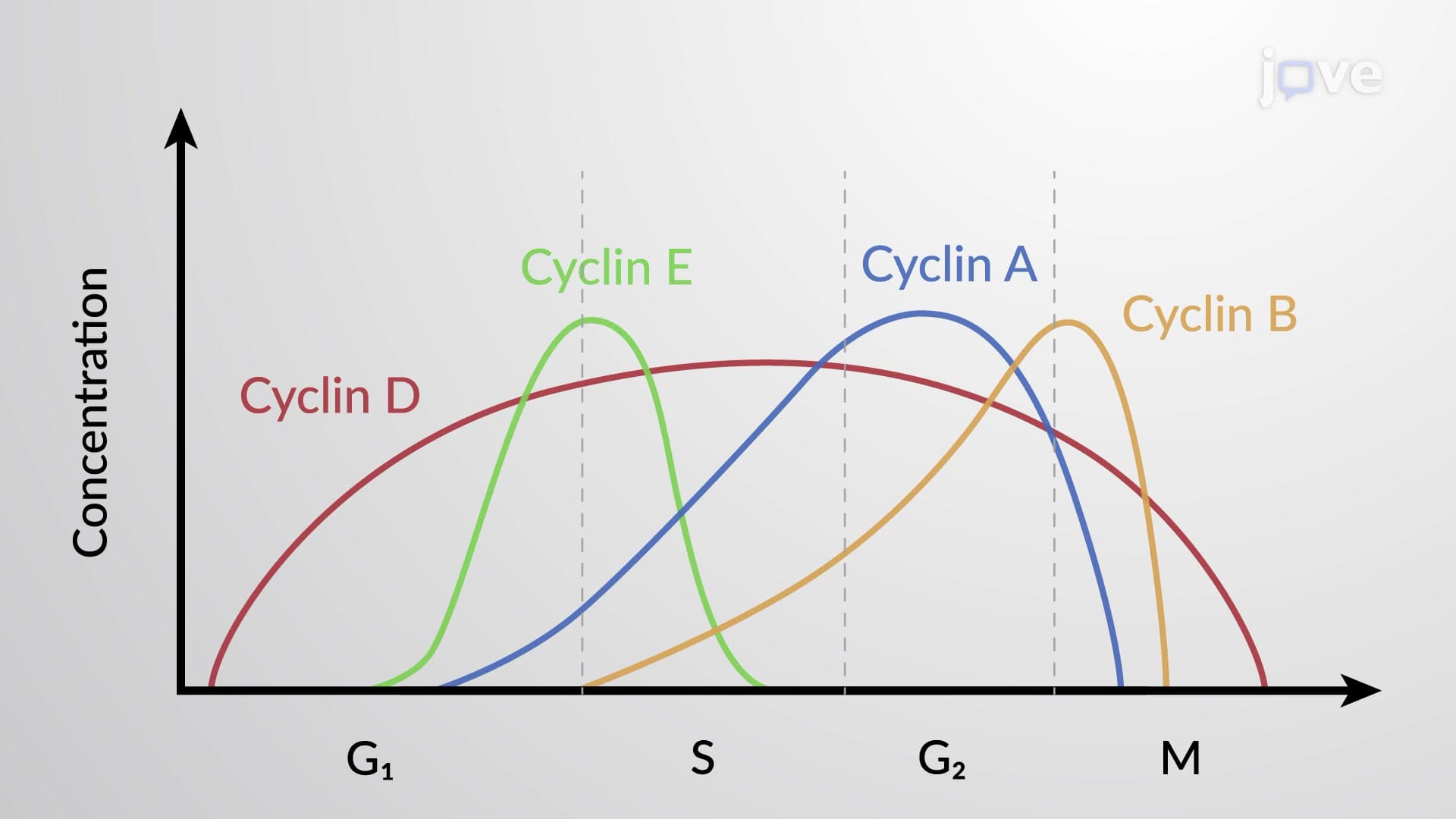
CDK inhibitors function through direct protein-protein interactions, inserting into the active sites of CDK-cyclin complexes and preventing substrate phosphorylation. The p21 protein, discovered at Johns Hopkins University, exemplifies this mechanism by binding to CDK2-cyclin E complexes during S-phase entry. This binding creates a stable, inactive complex that cannot phosphorylate retinoblastoma protein (Rb), thereby preventing E2F-mediated transcription of S-phase genes.
Two major families of CDK inhibitors exist: the CIP/KIP family (p21, p27, p57) and the INK4 family (p15, p16, p18, p19). CIP/KIP inhibitors target multiple CDK-cyclin complexes, while INK4 proteins specifically inhibit CDK4 and CDK6 during G1 phase. Students preparing for AP Biology or college cell biology courses should understand that these inhibitors don't just stop the cell cycle randomly-they respond to specific cellular signals like DNA damage, contact inhibition, or growth factor withdrawal.
The therapeutic implications of CDK inhibition have revolutionized cancer treatment in the United States. FDA-approved drugs like palbociclib (Ibrance) and ribociclib (Kisqali) target CDK4/6 in hormone receptor-positive breast cancer patients at major cancer centers including MD Anderson and Memorial Sloan Kettering. These inhibitors exploit the fact that cancer cells often lose normal cell cycle checkpoints, making them more dependent on remaining CDK activity.
CDK inhibition doesn't occur in isolation but integrates with multiple signaling pathways. The p53-p21 axis, frequently tested on the MCAT, demonstrates how DNA damage triggers a cascade: ATM/ATR kinases phosphorylate p53, stabilizing it and promoting p21 transcription, which then inhibits CDK2 activity. This checkpoint allows time for DNA repair mechanisms or, if damage is too extensive, triggers apoptosis through pathways involving Bax and cytochrome c release.
Related Micro-courses