Loading subject page…


674,617 views


Video Summary: Covalent Bonding and Lewis Structures Explained
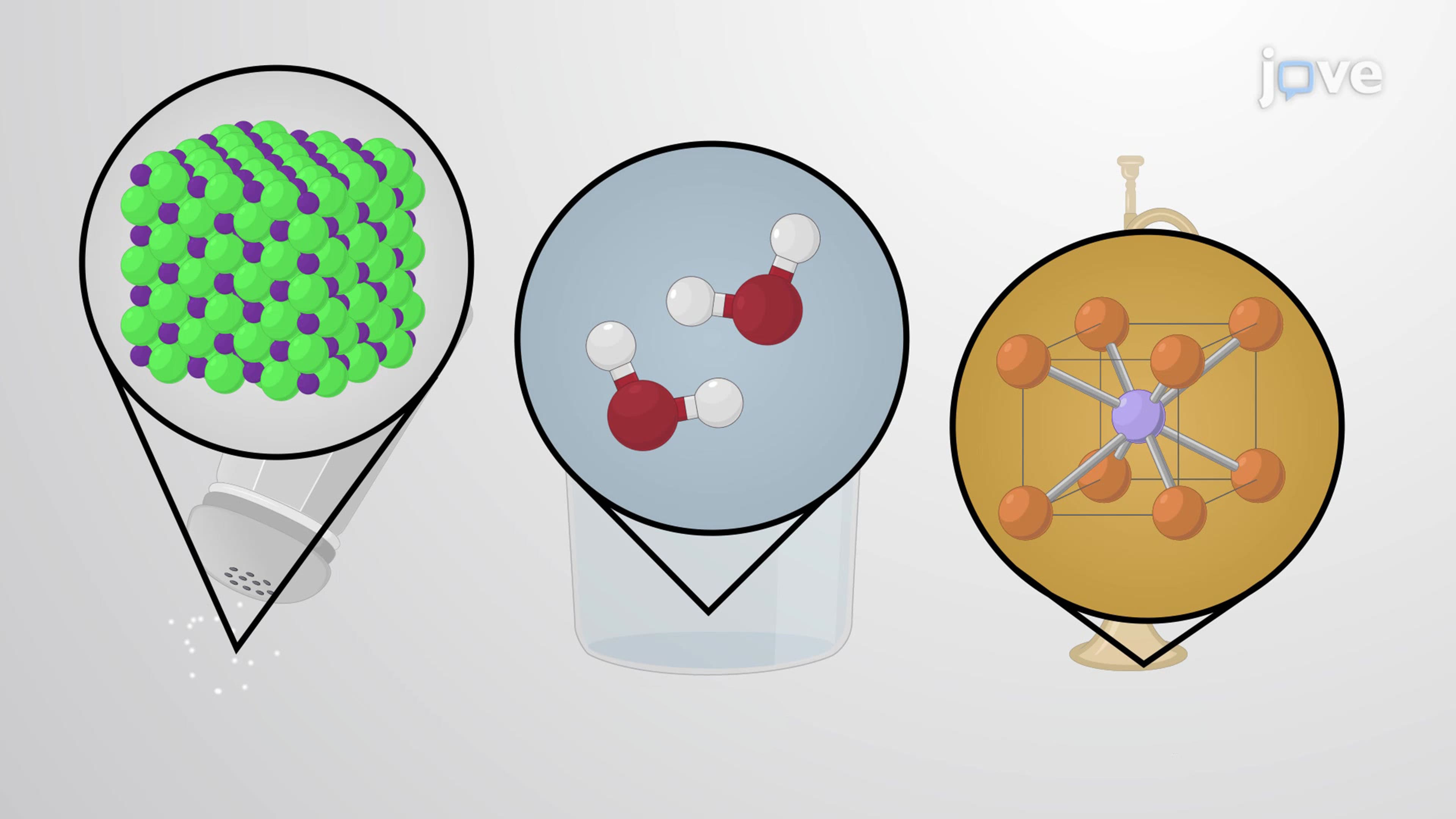
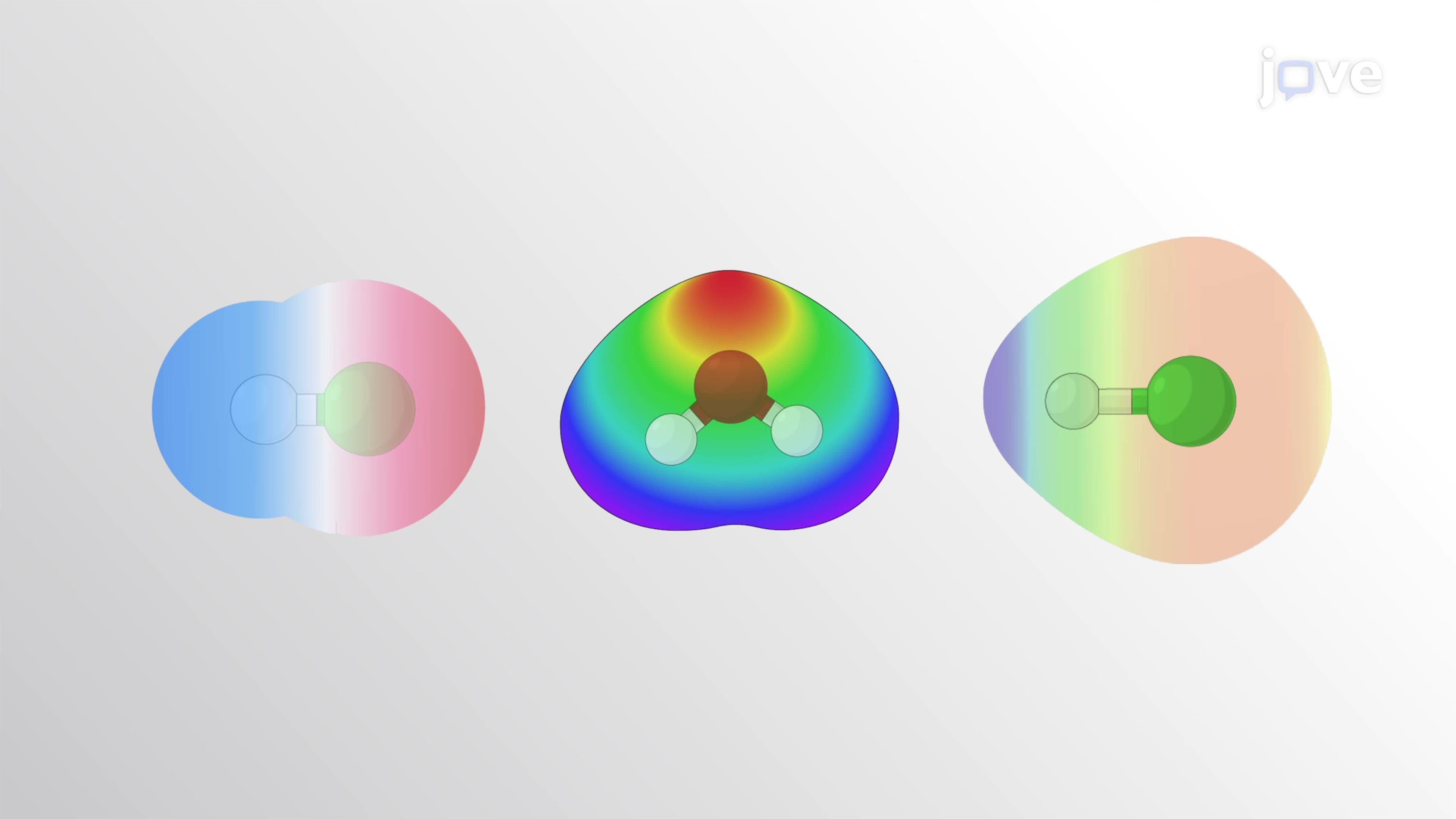
Ever wonder why water molecules stick together while table salt dissolves completely? Covalent bonding and Lewis structures reveal how atoms share electrons to form the molecular compounds that make up everything from the DNA in our cells to the plastic in water bottles. Unlike ionic compounds such as sodium chloride used in US food processing, covalent compounds like methane (natural gas) maintain distinct molecular units with predictable shapes and properties. Covalent Bonding And Lewis Structures Explained demonstrates how electron sharing creates stable molecules through systematic visual representations. Watch the full video on JoVE Coach to master this concept with expert-led visuals and step-by-step explanations.
Covalent bonding and Lewis structures form the cornerstone of molecular chemistry, explaining how atoms achieve stability through electron sharing rather than electron transfer. Unlike ionic bonding, which occurs between metals and nonmetals with vastly different electronegativity values, covalent bonding predominates when similar nonmetals interact. This preference stems from the high ionization energies of nonmetals-elements like carbon, nitrogen, and oxygen hold their valence electrons tightly, making electron removal energetically unfavorable.
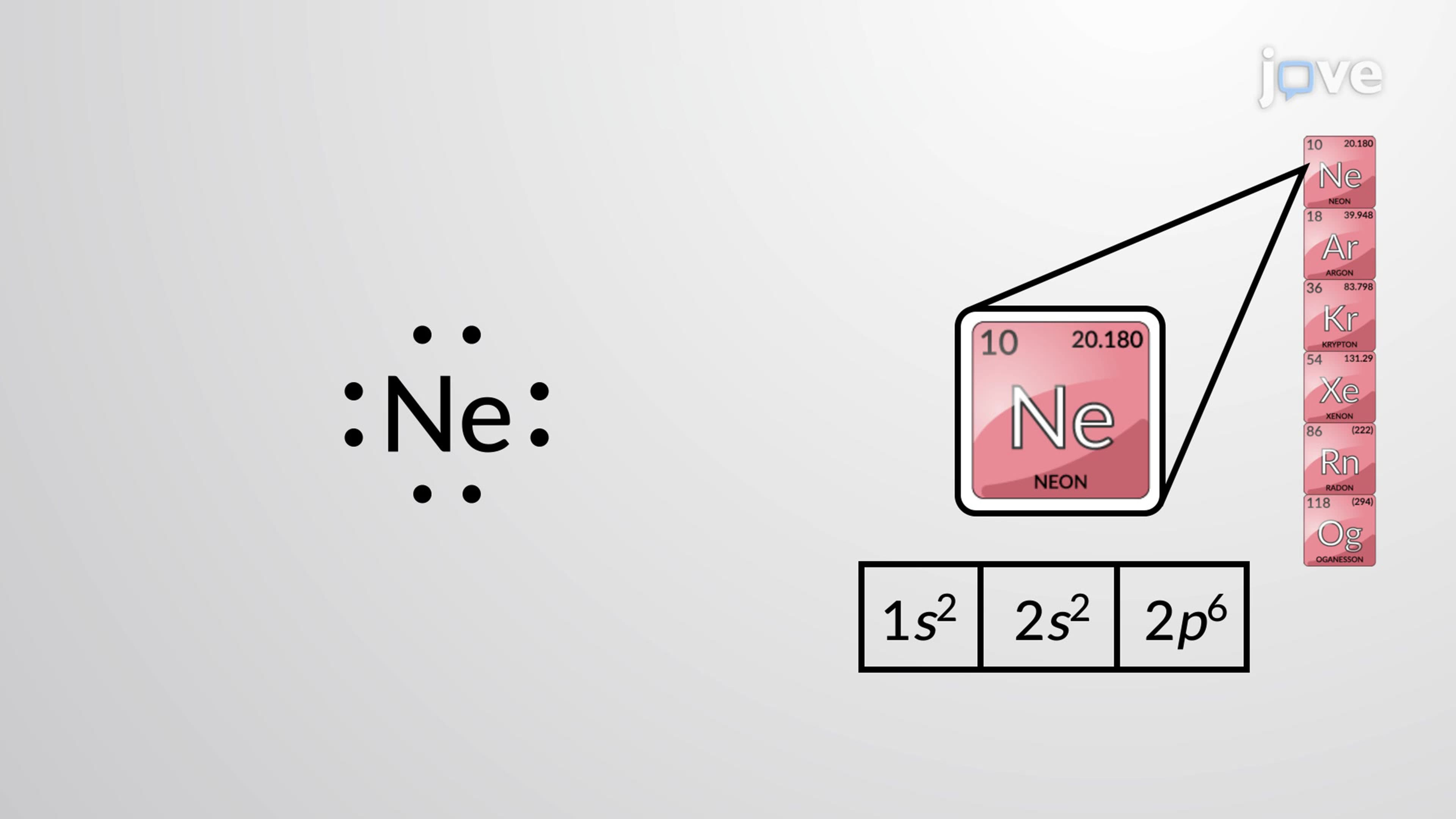
The driving force behind covalent bond formation is the tendency of atoms to achieve stable electron configurations, typically following the octet rule for most elements or the duet rule for hydrogen. When atoms share electrons, both participants can simultaneously access the shared electron pair, effectively "counting" these electrons toward their stable configuration.
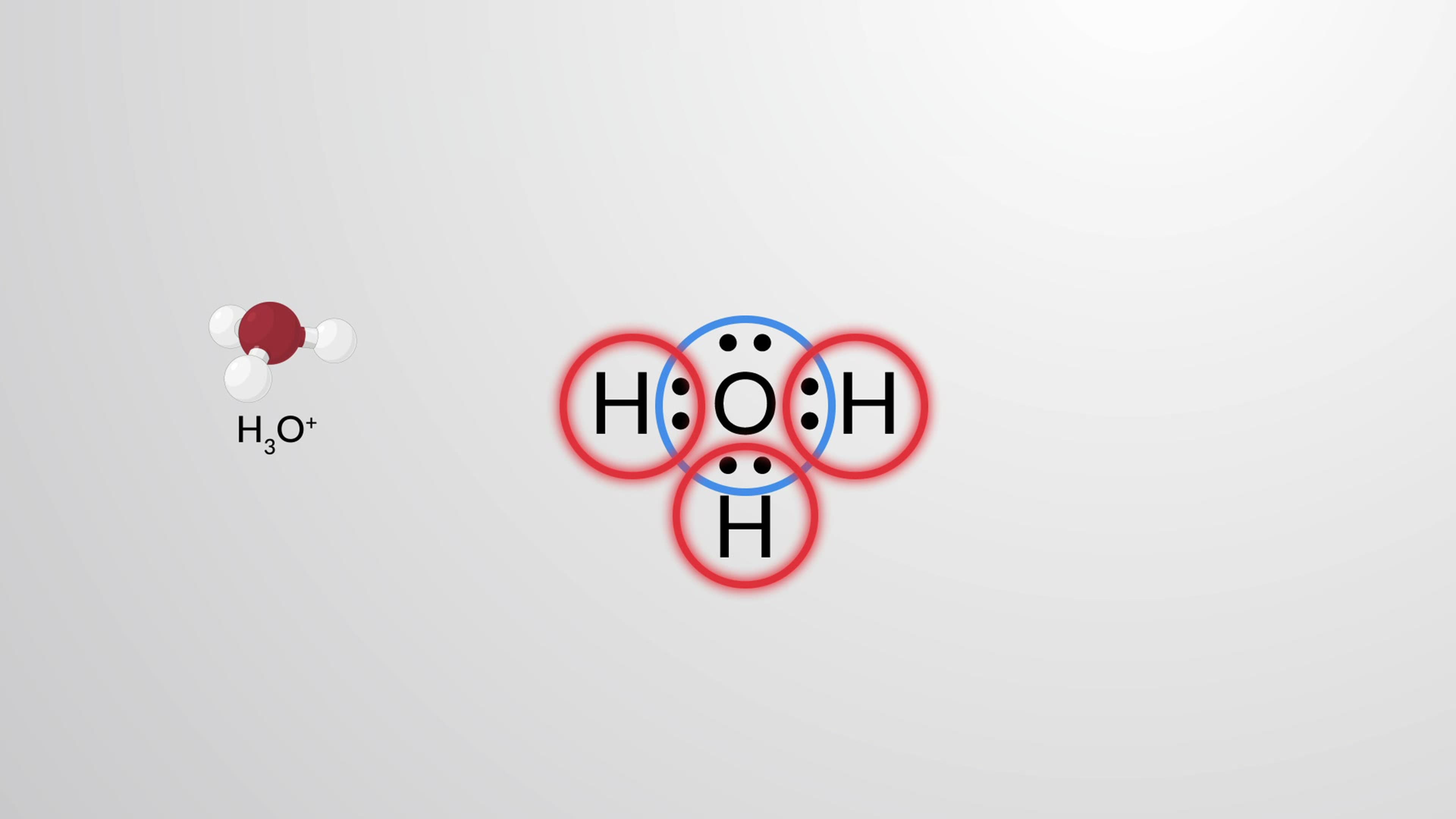
Lewis structures provide a systematic method for visualizing covalent bonding, developed by American chemist Gilbert N. Lewis in 1916. These diagrams use dots to represent valence electrons and lines to show bonding pairs. In a water molecule (H₂O), oxygen contributes six valence electrons while each hydrogen contributes one, totaling eight electrons arranged as two bonding pairs and two lone pairs on oxygen.
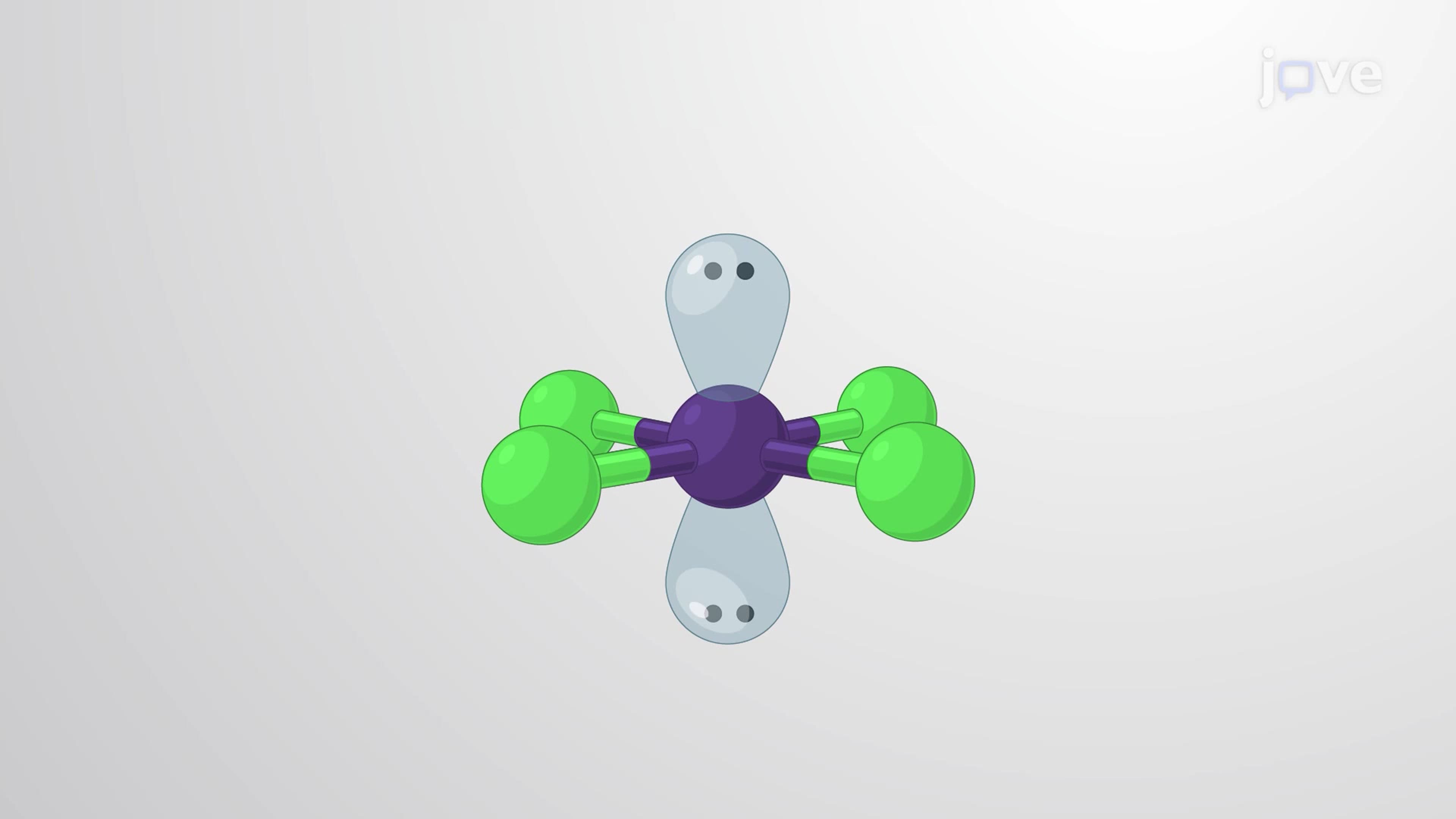
The distinction between bonding pairs and lone pairs proves crucial for predicting molecular properties. Bonding pairs participate directly in holding atoms together, while lone pairs occupy space around atoms without contributing to bonding. This difference significantly impacts molecular geometry-a concept essential for success on AP Chemistry exams and college-level coursework.
Single, double, and triple bonds represent different degrees of electron sharing between atoms. A single bond involves one shared electron pair, as seen in methane (CH₄), while double bonds share two electron pairs, exemplified by carbon dioxide (CO₂). Triple bonds, such as those in nitrogen gas (N₂), involve three shared electron pairs.
Bond multiplicity directly correlates with bond properties: triple bonds are shorter and stronger than double bonds, which are shorter and stronger than single bonds. This relationship explains nitrogen's chemical inertness-the strong triple bond requires substantial energy input to break, making nitrogen gas relatively unreactive under standard conditions. This principle appears frequently on MCAT practice problems and undergraduate chemistry exams.
Understanding covalent bonding principles proves essential for pre-med students tackling MCAT biochemistry sections, where molecular interactions determine protein folding, enzyme function, and drug-receptor binding. In pharmaceutical research conducted at institutions like Johns Hopkins and Stanford University, chemists manipulate covalent bonding patterns to design more effective medications with fewer side effects.
For students preparing for AP Chemistry or college general chemistry courses, mastering Lewis structure construction provides the foundation for predicting molecular geometry, polarity, and intermolecular forces-concepts that comprise significant portions of standardized chemistry assessments.
Related Micro-courses