Loading subject page…


674,617 views

Video Summary: Exceptions to the Octet Rule Explained
Why do life-saving antioxidants like superoxide dismutase in hospitals work despite breaking chemistry's fundamental rules? Exceptions to the octet rule reveal that not all stable molecules follow the eight-electron pattern we learn in basic chemistry. From radical species in pharmaceutical antioxidants to boron compounds in advanced materials, these exceptions explain real chemical behavior beyond textbook predictions. Understanding Exceptions To The Octet Rule Explained helps students predict molecular stability and reactivity in complex systems. Watch the full video on JoVE Coach to master this concept with expert-led visuals and step-by-step explanations.
The octet rule serves as chemistry's foundation, predicting that atoms achieve stability with eight valence electrons. However, real chemical systems frequently deviate from this pattern, creating three distinct categories of exceptions that students encounter on AP Chemistry exams and college coursework.
Radical species represent the first major exception, containing unpaired electrons that prevent octet completion. The superoxide anion (O2-) exemplifies this phenomenon with 13 total valence electrons, making even distribution impossible. One oxygen atom inevitably contains seven electrons, falling short of the octet requirement.
These radicals play crucial roles in biological systems and industrial processes. Nitric oxide (NO), another odd-electron species, functions as a vital cellular signaling molecule despite its incomplete octet. Students studying for the MCAT encounter these species frequently in biochemistry contexts, particularly regarding oxidative stress and antioxidant mechanisms.
Certain elements consistently form stable compounds with fewer than eight electrons. Hydrogen achieves stability with just two electrons (a duet), while beryllium and boron commonly form compounds with four and six electrons, respectively.
Aluminum chloride (AlCl3) demonstrates incomplete octet behavior, with aluminum possessing only six valence electrons. This electron deficiency makes aluminum chloride highly reactive, readily accepting electron pairs from Lewis bases like ammonia. The resulting coordinate covalent bond formation explains aluminum's behavior in catalytic processes used throughout the US chemical industry.
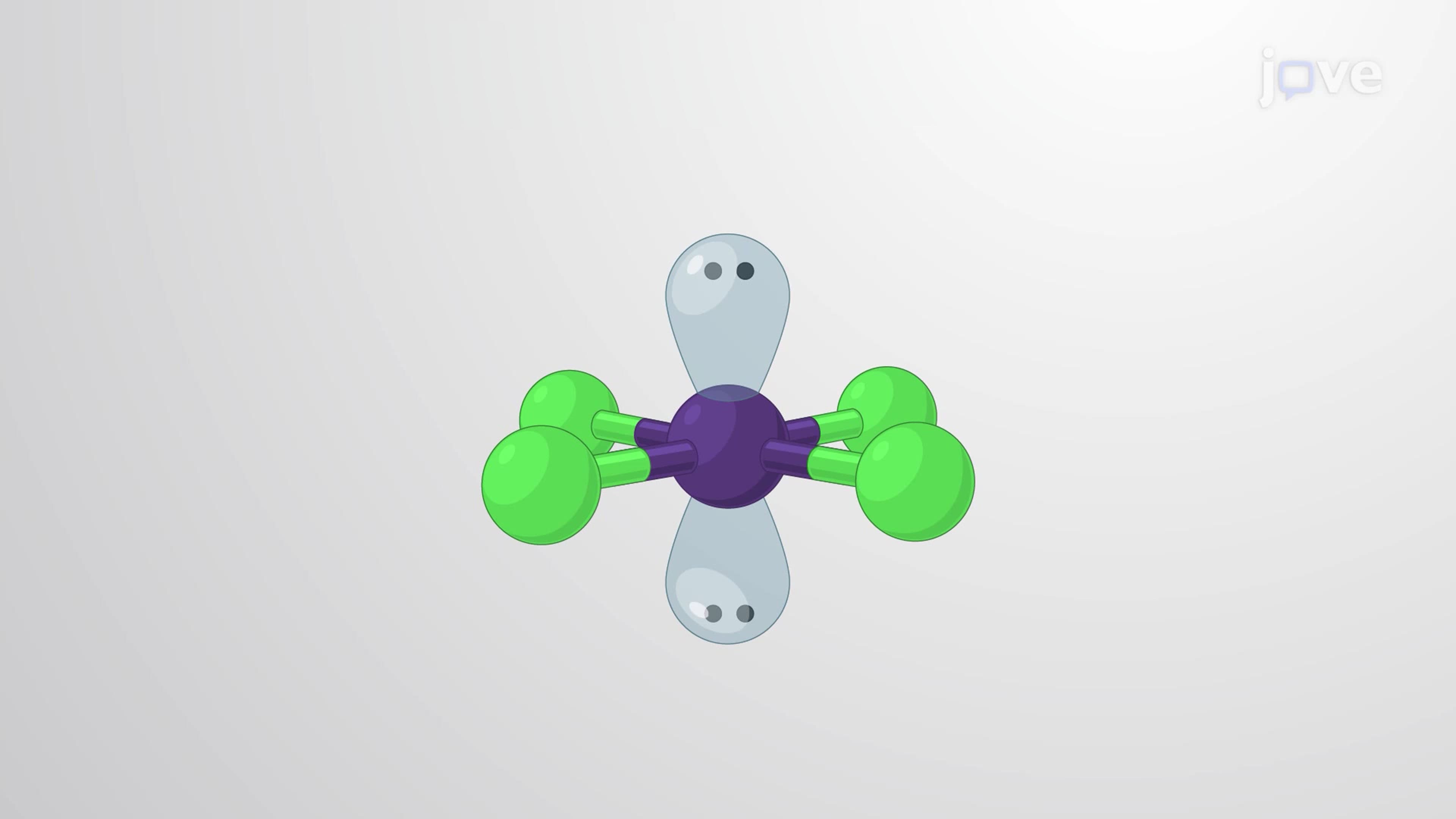
Elements from the third period onward can accommodate more than eight valence electrons by utilizing available d orbitals. Phosphorus, sulfur, and iodine frequently exceed octet limitations, forming hypervalent compounds with 10, 12, or even 14 electrons around the central atom.
The tetrachloroiodide anion (ICl4-) illustrates expanded octet behavior with 12 electrons surrounding iodine. These hypervalent species appear commonly in advanced organic chemistry reactions and industrial catalysis. Students preparing for graduate school entrance exams must recognize these patterns to predict molecular geometry and reactivity.
Understanding these exceptions proves essential for success in college chemistry courses and standardized exams, where questions often test students' ability to identify unusual bonding patterns and predict molecular behavior beyond simple octet rule applications.
Related Micro-courses