Loading subject page…

- Chemistry
- Chemical Bonding: Basic Concepts
- Ionic Bonding and Electron Transfer
Micro-course: Chemical Bonding: Basic Concepts
674,615 views
Learn key concepts and earn your certificate.








Ionic Bonding and Electron Transfer


00:00
02:48
Video Summary: Ionic Bonding and Electron Transfer Explained
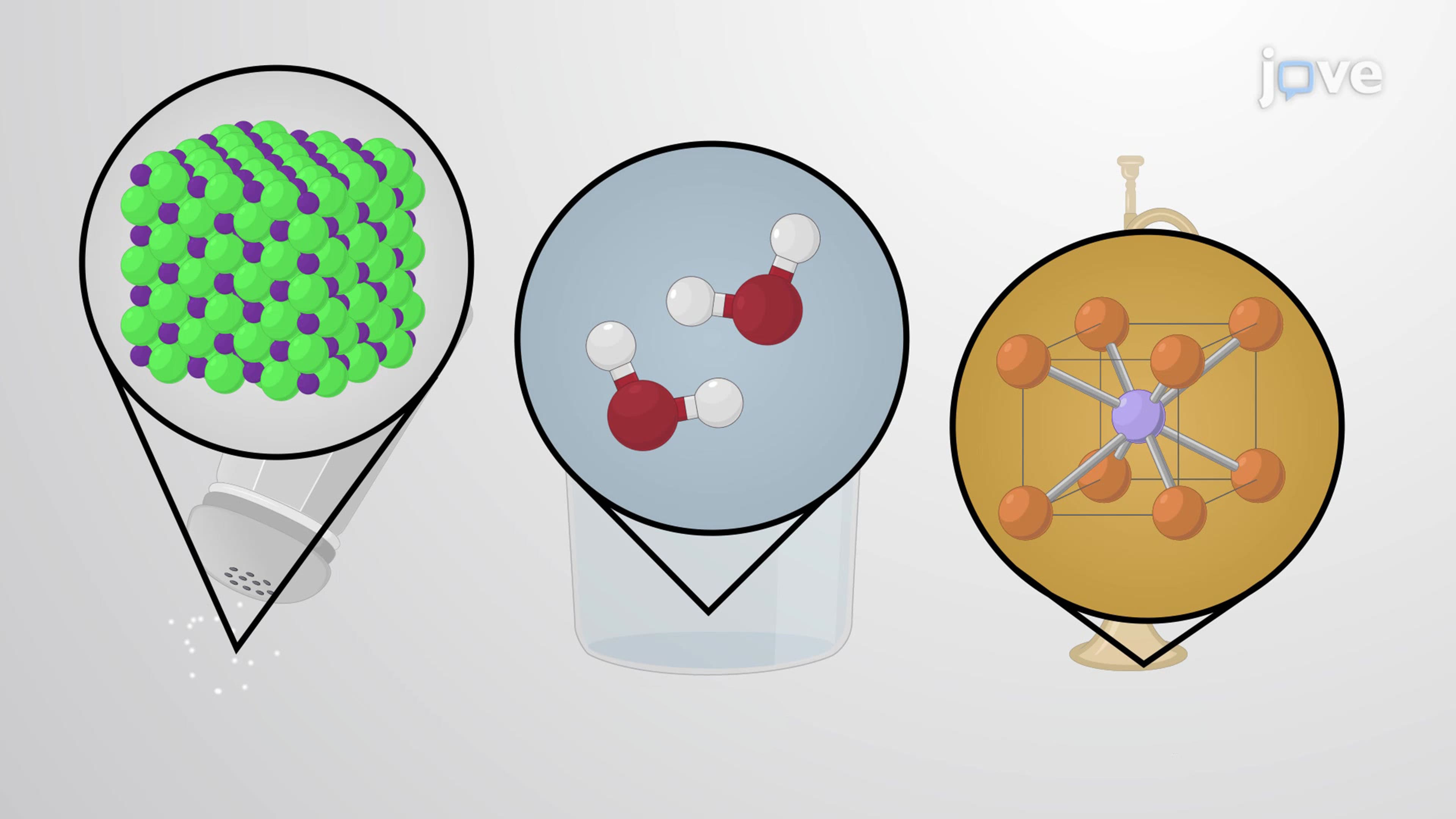
Ever wondered why table salt doesn't conduct electricity as a solid but becomes conductive when dissolved in water? Ionic bonding and electron transfer creates this fascinating behavior through the complete transfer of electrons from metals to nonmetals. Unlike sharing electrons in covalent bonds, metals like sodium readily donate electrons to nonmetals like chlorine, forming the salt we use daily in American kitchens. Watch the full video on JoVE Coach to master this concept with expert-led visuals and step-by-step explanations.
- Understand how ionic bonding and electron transfer differs fundamentally from covalent bonding through complete electron transfer rather than sharing
- Identify which elements form ionic bonds by examining their positions on the periodic table and their ionization energies
- Analyze why metals lose electrons easily while nonmetals readily accept them to achieve stable electron configurations
- Compare the driving forces behind ionic bond formation, including octet rule satisfaction and electrostatic attractions
- Evaluate the relationship between Coulomb's law and the strength of ionic bonds in different compounds
- Apply Lewis symbols to predict chemical formulas and electron transfer patterns in ionic compounds
- Recognize the physical properties of ionic compounds, including crystal structures and high melting points
- Explore real-world applications of ionic compounds in everyday materials and industrial processes
Understanding Ionic Bonding And Electron Transfer Fundamentals
Ionic bonding represents one of chemistry's most fundamental concepts, where electrons transfer completely from one atom to another rather than being shared. This process creates charged particles called ions that attract each other through powerful electrostatic forces. The driving mechanism centers on atoms achieving their most stable electron configuration-typically a complete outer shell following the octet rule (or duet for hydrogen and helium).
Predicting Electron Transfer Patterns
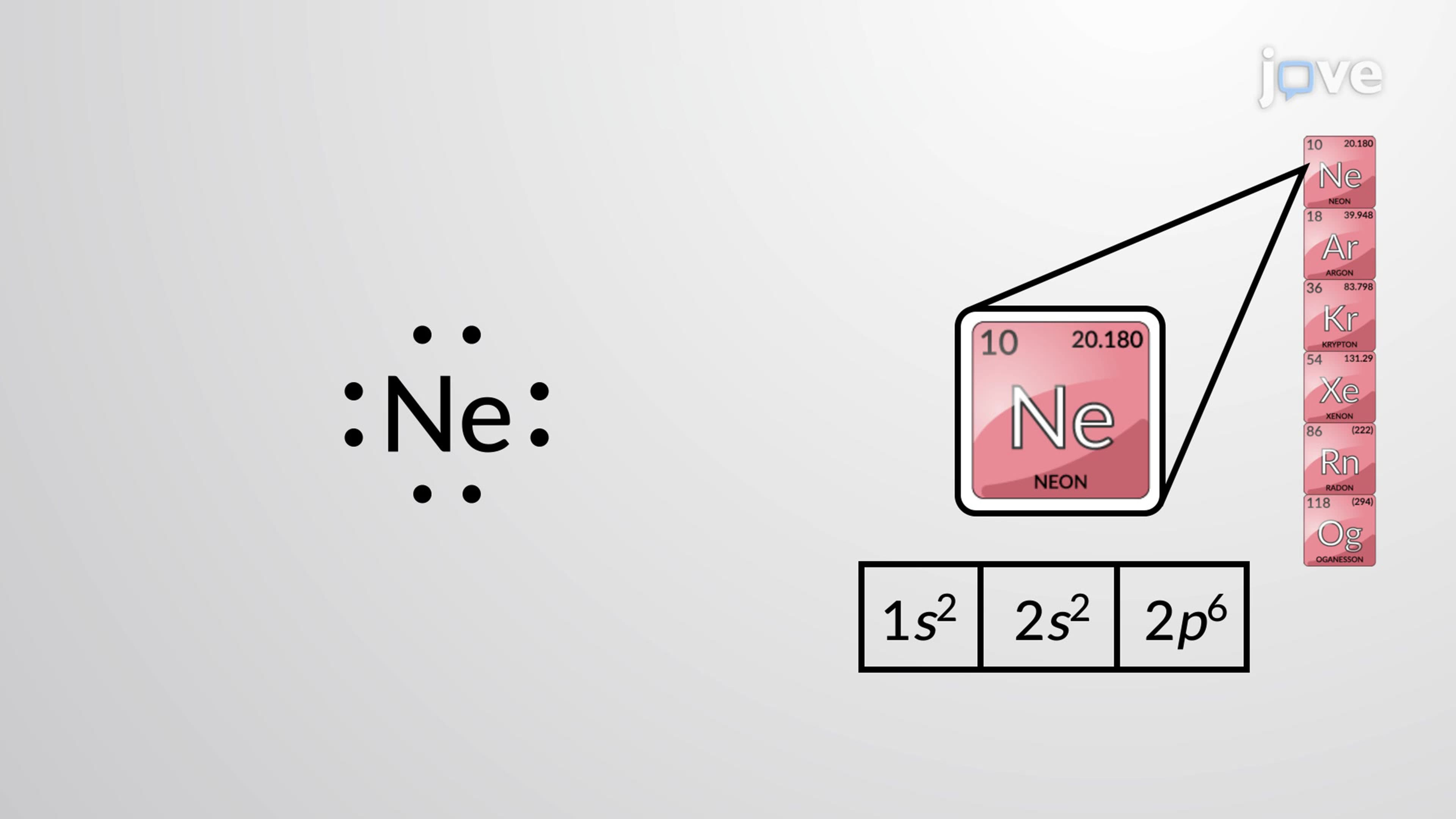
The periodic table serves as your roadmap for predicting ionic bonding and electron transfer. Metals in Groups 1 and 2 (s-block elements) possess low ionization energies, meaning they require minimal energy to remove their outermost electrons. For example, sodium (Na) easily loses its single valence electron to achieve the stable electron configuration of neon. Conversely, nonmetals in Groups 16 and 17 (p-block elements) have high electron affinities, readily accepting electrons to complete their outer shells. Chlorine, with seven valence electrons, eagerly accepts one electron to achieve argon's stable configuration.
Electrostatic Forces and Crystal Structures
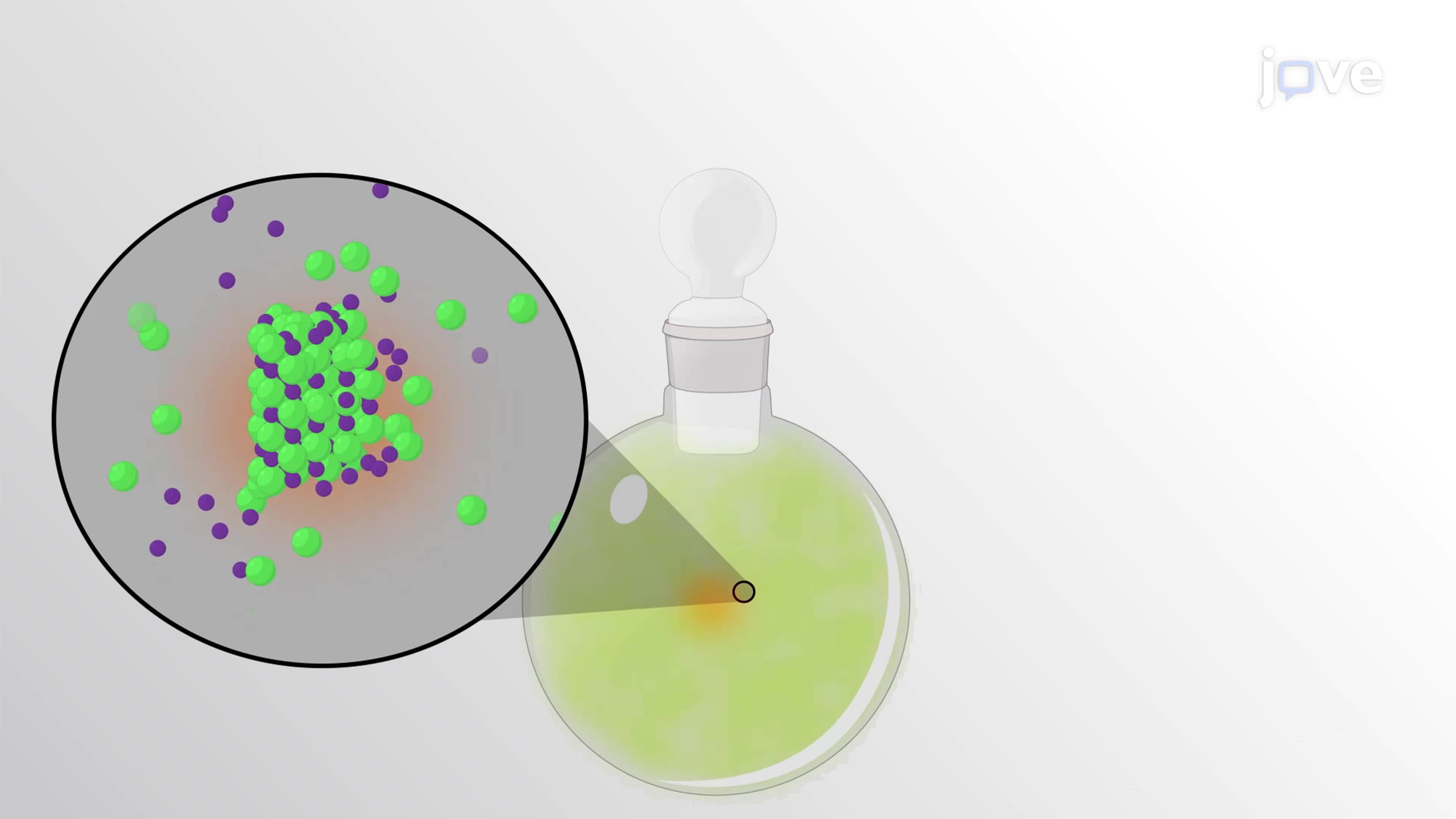
Once electron transfer occurs, the resulting cations (positive ions) and anions (negative ions) experience strong electrostatic attractions described by Coulomb's law. This law states that the force between charged particles increases with charge magnitude and decreases with distance. These powerful attractions organize ions into highly ordered crystal lattices, giving ionic compounds their characteristic properties: hardness, brittleness, high melting points, and electrical conductivity when molten or dissolved.
Consider magnesium oxide (MgO), used in refractory bricks for high-temperature industrial furnaces across American steel mills. Magnesium transfers two electrons to oxygen, creating Mg2+ and O2- ions. The 2+ and 2- charges create exceptionally strong electrostatic attractions, resulting in MgO's extremely high melting point of 2,852°C.
Practical Applications in Academic Settings
Mastering ionic bonding and electron transfer proves essential for success in AP Chemistry, SAT Subject Tests, and introductory college chemistry courses. Students frequently encounter these concepts in stoichiometry problems, where predicting ionic formulas becomes crucial. The Lewis dot structure method provides a systematic approach: identify valence electrons, determine electron transfer requirements, and balance charges to achieve neutrality.
Practice with compounds like calcium phosphide (Ca3P2), commonly used in marine flares for the U.S. Coast Guard. Calcium atoms each lose two electrons while phosphorus atoms each gain three electrons, requiring a 3:2 ratio to balance charges completely.
Frequently Asked Questions
Ionic bonding and electron transfer involves the complete transfer of electrons from metal atoms to nonmetal atoms, creating oppositely charged ions that attract each other. Unlike covalent bonding where electrons are shared between atoms, ionic bonding results in distinct charged particles. This fundamental difference explains why ionic compounds conduct electricity when dissolved while covalent compounds typically don't.
Metals from Groups 1 and 2 (like sodium, calcium, and magnesium) readily lose electrons due to low ionization energies. Nonmetals from Groups 16 and 17 (like oxygen, chlorine, and bromine) easily accept electrons because of high electron affinities. Noble gases rarely participate since they already possess stable electron configurations.
Use the "crossover method" by writing each element's charge as the other element's subscript, then simplify to lowest terms. For example, aluminum (Al3+) and sulfide (S2-) form Al2S3. Practice with Lewis symbols helps visualize electron transfer patterns that frequently appear on AP Chemistry free-response questions.
MCAT questions often focus on predicting compound properties, comparing bond strengths using Coulomb's law, and understanding biological applications like nerve signal transmission. Expect scenarios involving electrolyte balance in physiological systems and how ionic concentrations affect cellular functions in American healthcare contexts.
Table salt (NaCl) seasons food, baking soda (NaHCO3) helps bread rise, and calcium chloride (CaCl2) melts ice on winter roads throughout the United States. Antacids contain magnesium hydroxide (Mg(OH)2), while fluoride toothpaste uses sodium fluoride (NaF) to strengthen tooth enamel.
Basic algebra suffices for most ionic bonding calculations. You'll primarily work with simple charge balancing and ratio problems. The mathematical complexity rarely exceeds what's covered in high school chemistry or introductory college courses, making this concept accessible to students with standard mathematical preparation.
Create flashcards linking common ions to their charges, practice drawing Lewis structures daily, and work through formula prediction problems systematically. Focus on understanding periodic trends rather than memorizing individual cases. Use mnemonic devices like "metals lose, nonmetals gain" to reinforce core concepts during exam preparation.
Progress to metallic bonding, intermolecular forces, and solution chemistry concepts like solubility rules and precipitation reactions. Understanding ionic bonding provides the foundation for electrochemistry, acid-base chemistry, and thermodynamics topics commonly covered in advanced placement and college-level chemistry courses.
Related Micro-courses

21 Concepts

13 Concepts