Loading subject page…


674,618 views

Video Summary: Lewis Structures of Molecular Compounds Explained
Ever wonder how pharmaceutical chemists at Pfizer predict if a new drug molecule will be stable? Lewis structures of molecular compounds provide the blueprint for understanding chemical bonding in everything from aspirin to ethylene used in plastic production. This fundamental technique involves calculating valence electrons, arranging skeletal structures, and completing octets to visualize how atoms share electrons in covalent bonds. Watch the full video on JoVE Coach to master this concept with expert-led visuals and step-by-step explanations.
Lewis structures of molecular compounds serve as the foundation for predicting molecular behavior in chemistry. These diagrams reveal how atoms share valence electrons to achieve stable electron configurations, typically following the octet rule for most atoms and the duet rule for hydrogen. Understanding this concept is crucial for success in AP Chemistry, college general chemistry courses, and standardized tests like the MCAT.
The systematic approach begins with calculating total valence electrons. For ethene (C2H4), this means counting 4 valence electrons per carbon atom and 1 per hydrogen atom, totaling 12 valence electrons. This step proves essential for MCAT test-takers who must quickly assess molecular electron distributions under time pressure.
Next, construct the skeletal structure by identifying central atoms. Less electronegative atoms typically occupy central positions because they can accommodate more bonds. In organic compounds like those studied in pharmaceutical research, carbon atoms frequently serve as central atoms due to their intermediate electronegativity and ability to form four bonds.
The third step involves distributing electrons as bonding pairs between atoms, then placing remaining electrons as lone pairs to satisfy octet requirements. This process directly applies to understanding drug interactions in biochemistry courses at universities like Harvard Medical School, where students learn how electron distribution affects molecular binding.
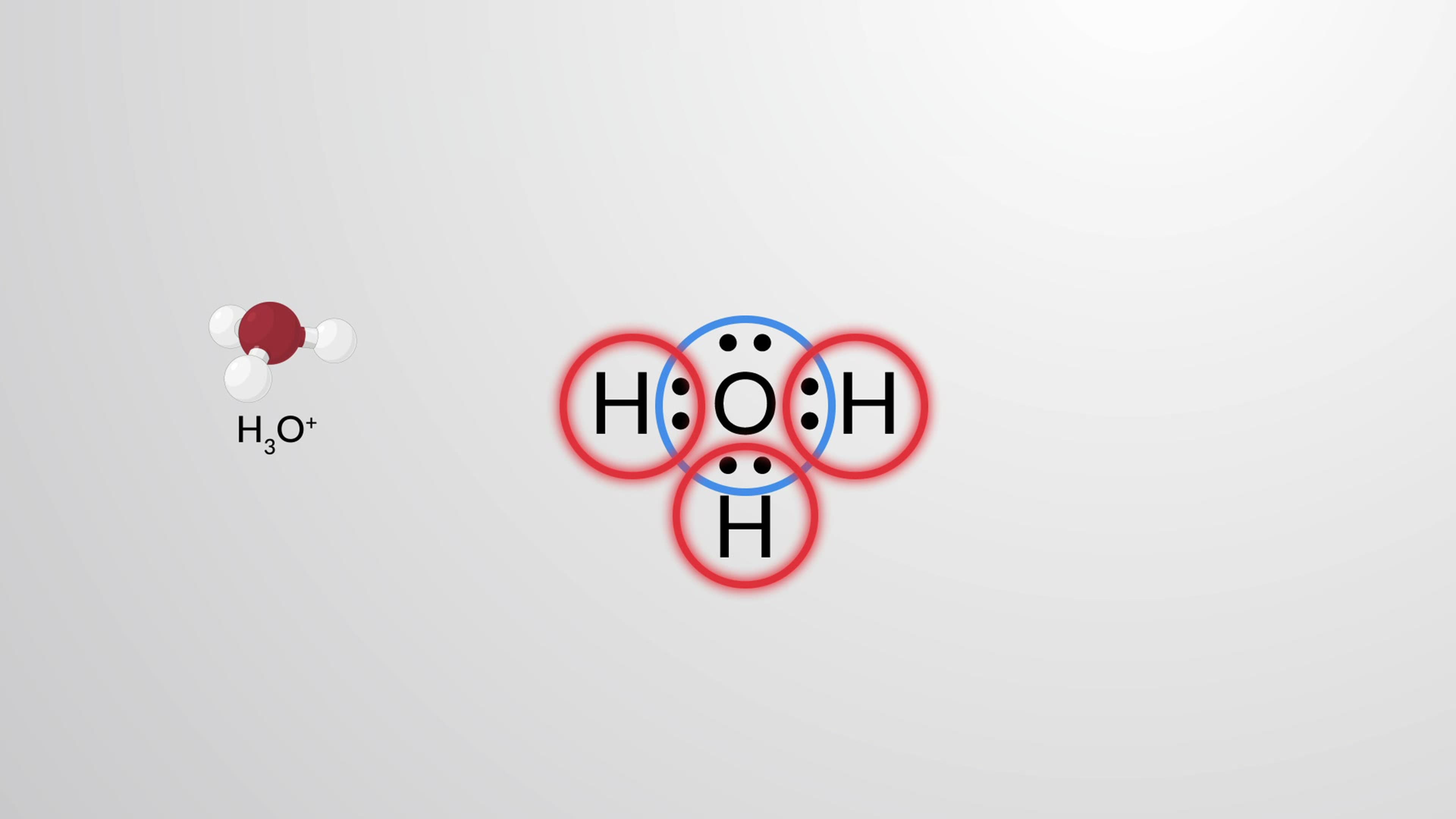
When drawing Lewis structures for charged species like hydronium (H3O+) or phosphate (PO4³⁻), adjust the total valence electron count according to the charge. Remove electrons for positive charges and add electrons for negative charges. This concept frequently appears on AP Chemistry exams and college midterms.
Multiple bond formation occurs when atoms cannot achieve stable octets through single bonds alone. In ethene, the carbon atoms require a double bond to satisfy their octet requirements. This principle helps explain why certain molecules like those in petroleum products at Texas refineries exhibit specific stability patterns and reactivity.
Understanding Lewis structures proves invaluable in pharmaceutical development, where chemists at companies like Johnson & Johnson use these diagrams to predict drug stability and design new therapeutic compounds. Environmental scientists also apply these concepts when studying pollutant behavior in ecosystems across the United States.
Related Micro-courses