Loading video…


 14 Concepts
 674.6K views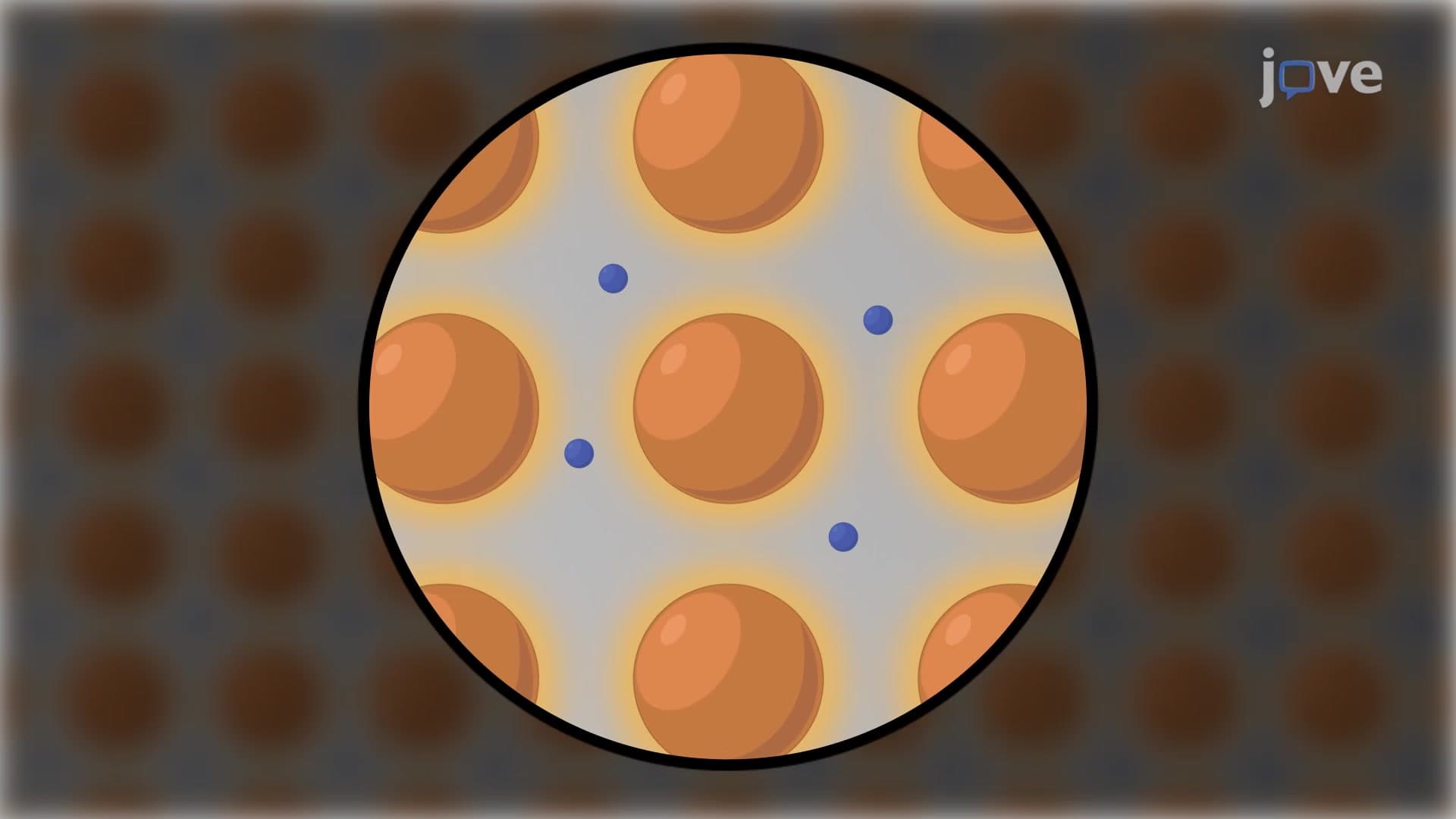

Video Summary: What are Bonding in Metals
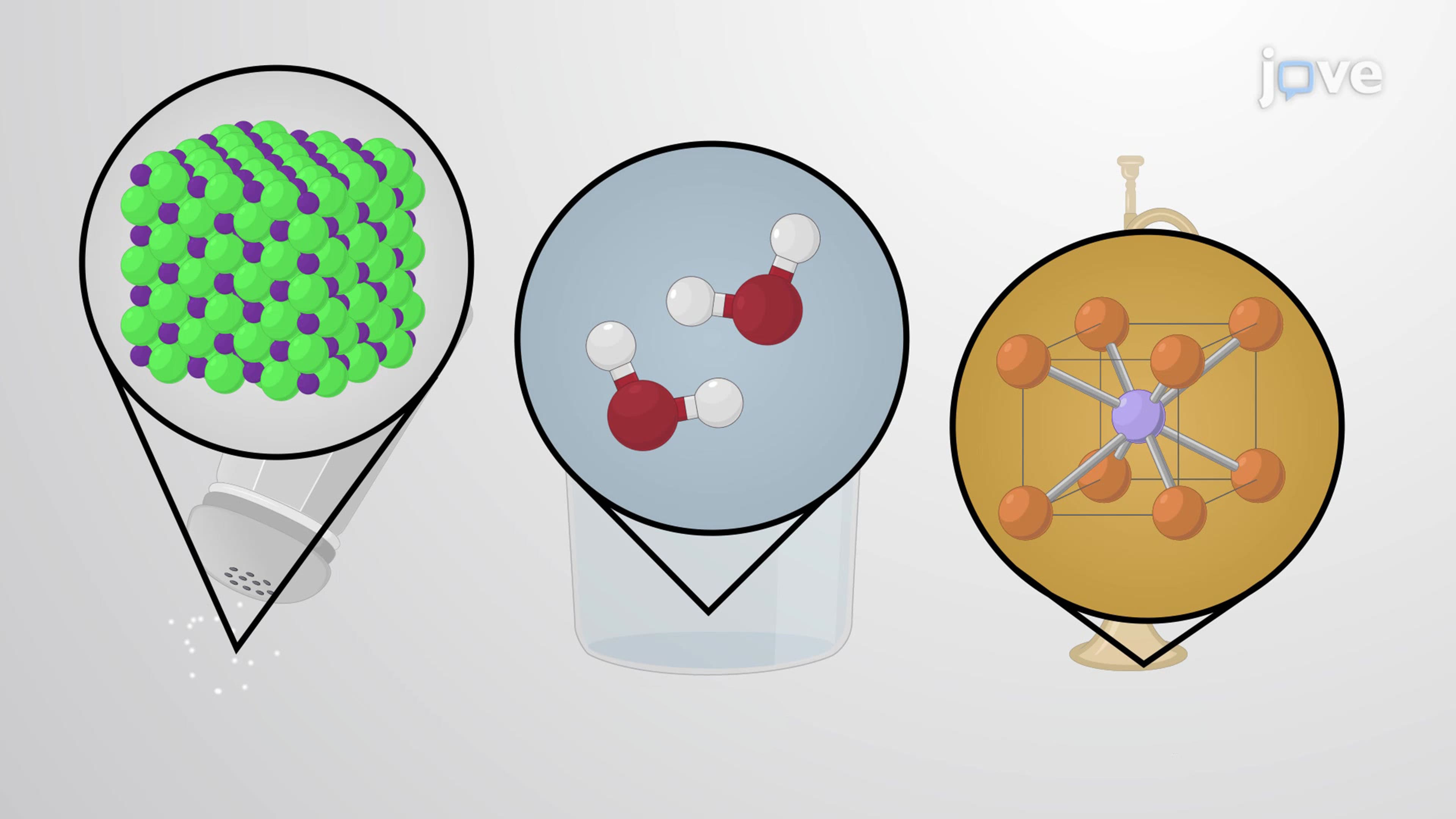
Ever wondered why copper wires power your smartphone while plastic doesn't? Bonding in metals creates a unique "electron sea" that makes metals like aluminum foil both flexible and electrically conductive. Unlike ionic or covalent bonds, metallic bonding allows electrons to move freely between metal atoms, explaining why a steel hammer can conduct electricity while also being shaped into tools. This fundamental concept of What are Bonding in Metals governs everything from electrical wiring in homes to the construction of skyscrapers. Watch the full video on JoVE Coach to master this concept with expert-led visuals and step-by-step explanations.
Bonding in metals represents one of chemistry's most fascinating phenomena, where atoms surrender their individual electrons to create a collective "sea" of charge. This types of bonding in metals fundamentally differs from the localized electron pairs found in covalent bonds or the complete electron transfer seen in ionic compounds. The bonding in metals concept emerges from metals' inherently low ionization energies, making electron removal energetically favorable and creating the foundation for metallic properties.
The bonding in metals basics center on the electron sea model, which describes metals as arrays of positive metal cations surrounded by a delocalized electron cloud. Consider aluminum foil in your kitchen-each aluminum atom contributes three valence electrons to the shared electron sea while becoming a Al³⁺ cation. These electrons aren't bound to specific atoms but move freely throughout the metallic structure, creating what chemists call "delocalized bonding." This understanding bonding in metals helps explain why touching aluminum doesn't result in electric shock under normal conditions, yet the same material efficiently conducts electricity when voltage is applied.
The bonding in metals study guide wouldn't be complete without examining conductivity. When you plug a copper wire into an electrical outlet, the free electrons in copper's electron sea respond immediately to voltage differences, flowing toward the positive terminal and creating electric current. This contrasts sharply with table salt (NaCl), which blocks electricity in solid form because its electrons are localized on specific ions. However, dissolving salt in water frees the Na⁺ and Cl⁻ ions, allowing ionic conductivity-a principle used in sports drinks to conduct nerve impulses.
Thermal conductivity follows similar principles. When you heat one end of a steel spoon in hot soup, the free electrons rapidly distribute kinetic energy throughout the metal, quickly warming the entire spoon. This efficient energy transfer makes metals invaluable in heat exchangers, automotive radiators, and cooking equipment.
The bonding in metals overview reveals why metals can be hammered into sheets (malleability) or drawn into wires (ductility) without breaking. Unlike directional covalent bonds, metallic bonds lack fixed orientations, allowing metal atoms to slide past each other while maintaining attraction to the electron sea. This property enables the production of everything from aluminum beverage cans to steel I-beams used in skyscrapers.
For AP Chemistry and college-level courses, understanding these concepts proves crucial for predicting material behavior and explaining industrial processes. The SAT Subject Test in Chemistry frequently tests metallic bonding concepts, particularly comparing conductivity mechanisms across different bond types.
Related Micro-courses