Loading subject page…


674,617 views

Video Summary: What Is Electronegativity
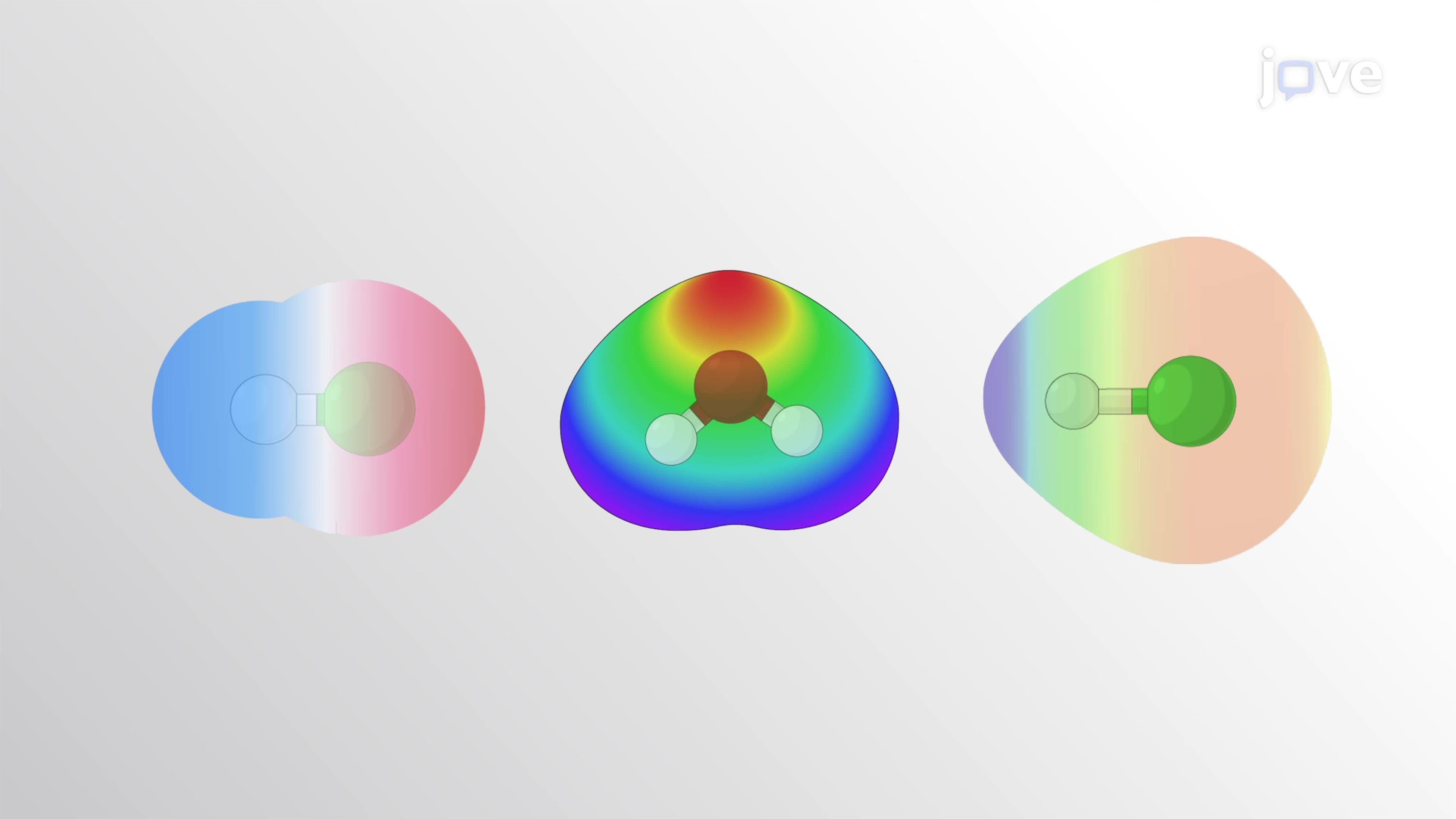
Ever wonder why hydrogen chloride molecules align in an electric field while nitrogen molecules don't? Electronegativity explains this fascinating behavior-it's an atom's ability to attract shared electrons in chemical bonds. When chemists at pharmaceutical companies like Pfizer design new medications, they rely on electronegativity differences to predict how drug molecules will interact with biological targets. What is Electronegativity reveals how this fundamental concept determines whether bonds are polar or nonpolar, directly impacting molecular behavior and chemical reactions. Watch the full video on JoVE Coach to master this concept with expert-led visuals and step-by-step explanations.
Electronegativity represents one of chemistry's most fundamental concepts, defining how atoms compete for electrons in chemical bonds. Unlike the simplified Lewis model that depicts all covalent bonds as equally shared electrons, electronegativity reveals the true nature of electron distribution in molecules. This concept becomes crucial when students tackle AP Chemistry exams or college-level general chemistry courses, where understanding molecular polarity determines success in predicting chemical behavior.
American chemist Linus Pauling revolutionized chemistry by creating the electronegativity scale based on thermochemical data from bond dissociation energies. This dimensionless scale ranges from fluorine at 3.98 (most electronegative) to francium at 0.7 (least electronegative). Students preparing for the MCAT or college chemistry midterms must memorize key values: hydrogen (2.20), carbon (2.55), nitrogen (3.04), oxygen (3.44), and chlorine (3.16). These values appear frequently in exam questions about predicting molecular polarity and intermolecular forces.
Electronegativity follows predictable periodic trends that mirror ionization energy and electron affinity patterns. Values increase across periods (left to right) as nuclear charge increases while atomic radius decreases. Conversely, electronegativity decreases down groups as atomic size increases and valence electrons become more distant from the nucleus. These trends explain why fluorine, located in the upper right corner of the periodic table, claims the highest electronegativity value.
Pharmaceutical companies like Johnson & Johnson and Merck leverage electronegativity principles when designing drug molecules. For example, the antidepressant Prozac contains highly electronegative fluorine atoms that enhance the drug's stability and bioavailability. Similarly, materials scientists at companies like DuPont use electronegativity differences to engineer polymers with specific properties-Teflon's exceptional chemical resistance stems from the high electronegativity of fluorine atoms creating strong C-F bonds.
Related Micro-courses