Loading subject page…

Micro-course: Gases
410,818 views
Learn key concepts and earn your certificate.







Applications of the Ideal Gas Law: Molar Mass, Density, and Volume


00:00
03:43
Video Summary: Applications Ideal Gas Law Molar Explained
Ever wonder why helium balloons float away or how NASA calculates fuel volumes for rocket launches? Applications ideal gas law molar calculations explain these phenomena by connecting pressure, volume, temperature, and the number of gas particles through mathematical relationships. From determining that one mole of any gas occupies 22.4 liters at standard conditions to calculating unknown gas densities, these applications solve real-world problems in chemistry labs across American universities. Watch the full video on JoVE Coach to master this concept with expert-led visuals and step-by-step explanations.
- Understand how applications ideal gas law molar calculations connect pressure, volume, temperature, and moles through the equation PV = nRT
- Identify standard temperature and pressure (STP) conditions and calculate molar volume at these conditions
- Apply the ideal gas law to determine gas density and explain why helium balloons float in air
- Analyze the inverse relationship between temperature and gas density in practical scenarios like hot air balloon operation
- Evaluate how rearranging the ideal gas equation enables calculation of unknown variables when three parameters are known
- Compare gas behavior under different temperature and pressure conditions to predict volume changes
- Recognize how molar mass affects gas density and applies to real-world separation techniques
- Explore problem-solving strategies for identifying unknown gases using experimental data
Understanding Applications Ideal Gas Law Molar Fundamentals
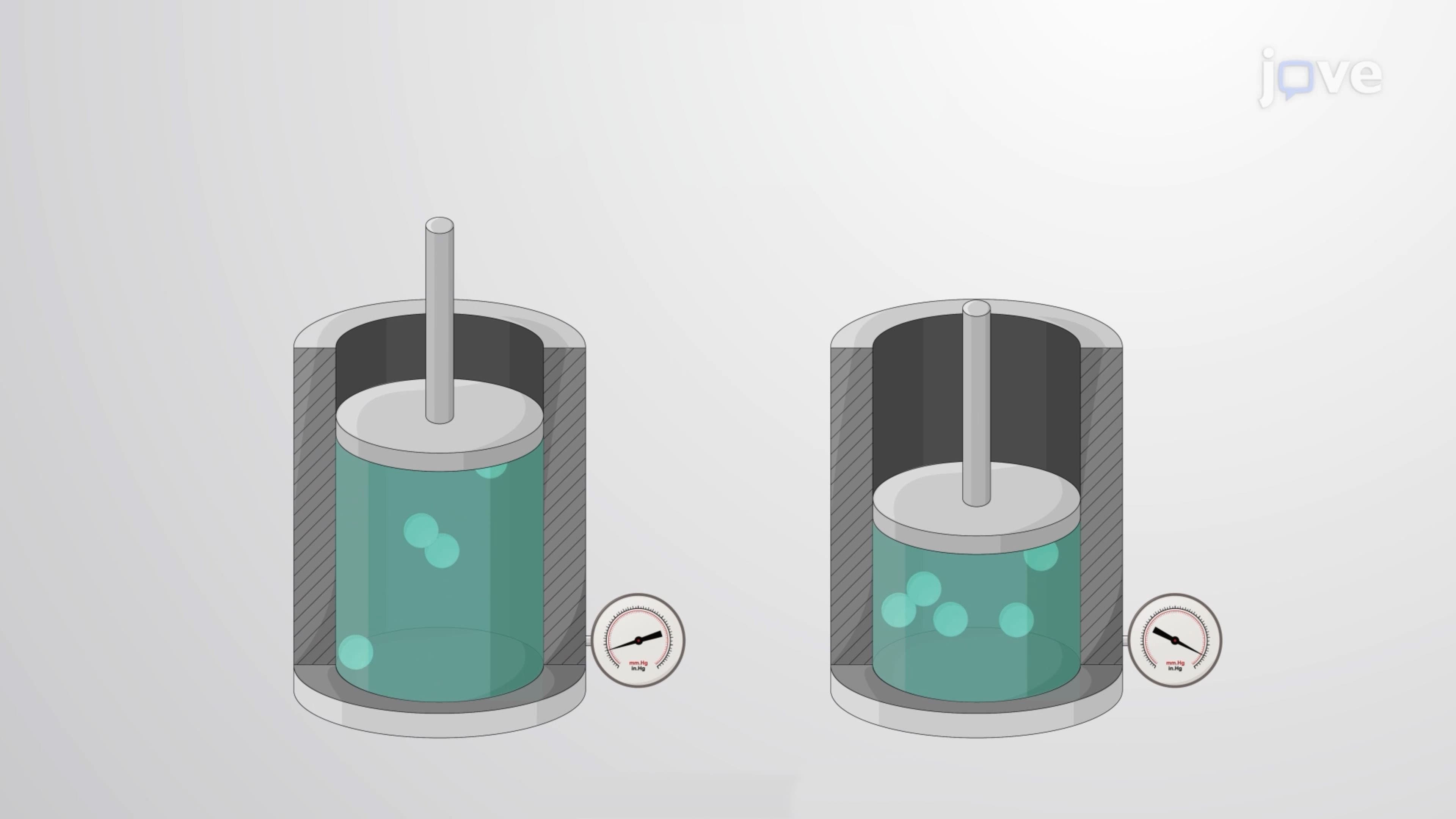
Applications ideal gas law molar calculations form the backbone of gas behavior analysis in chemistry. The ideal gas law, PV = nRT, connects four fundamental properties: pressure (P), volume (V), number of moles (n), and temperature (T), with R representing the universal gas constant (0.08206 L·atm/mol·K). This relationship assumes gases behave ideally, meaning gas particles have negligible volume and no intermolecular forces-conditions closely approximated by many real gases under standard laboratory conditions.
Standard Conditions and Molar Volume Applications
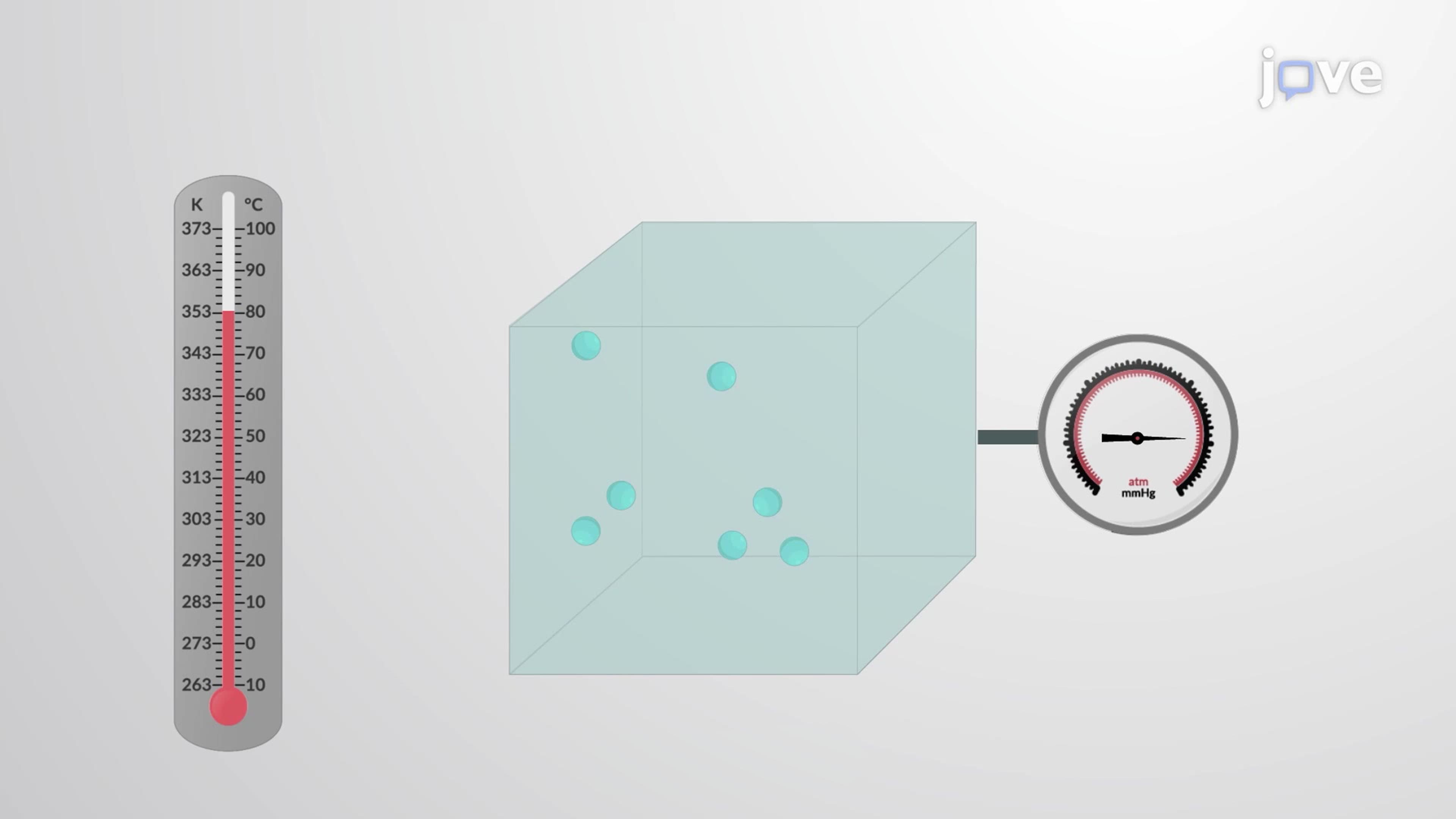
At standard temperature and pressure (STP)-0°C (273 K) and 1 atmosphere-one mole of any ideal gas occupies exactly 22.4 liters. This molar volume concept appears frequently on AP Chemistry exams and college general chemistry tests. For example, calculating the volume of carbon dioxide produced in a combustion reaction requires understanding that 0.5 moles of CO₂ gas occupies 11.2 liters at STP. Students preparing for the MCAT often encounter similar stoichiometry problems where molar volume conversions are essential.
Gas Density and Real-World Applications
The relationship between gas density and molar mass explains numerous everyday phenomena. Rearranging the ideal gas equation yields the density formula: d = PM/RT, where M represents molar mass. This explains why helium (molar mass 4 g/mol) rises in air, which consists primarily of nitrogen and oxygen with average molar mass around 29 g/mol. Similarly, this principle governs hot air balloon operation-heating air decreases its density below surrounding air, creating buoyancy. Weather balloon operations by the National Weather Service rely on these same principles for atmospheric data collection.
Problem-Solving Strategies for Unknown Gas Identification
Determining unknown gas identity requires systematic application of the ideal gas law. Given experimental data-mass, volume, pressure, and temperature-students can calculate molar mass and identify the gas. This technique proves invaluable in analytical chemistry laboratories at universities nationwide. For instance, if an unknown gas sample weighing 12.5 grams occupies 6.08 liters at 1.2 atm and 40°C, calculating its density (2.06 g/L) and applying the rearranged equation yields a molar mass of 44 g/mol, identifying the gas as carbon dioxide.
Frequently Asked Questions
Applications ideal gas law molar calculations use the equation PV = nRT to solve real-world problems involving gases. They help predict gas behavior, calculate unknown properties, and explain phenomena like balloon floating and atmospheric pressure changes. These calculations are essential for chemistry students and appear on standardized tests like AP Chemistry and the MCAT.
AP Chemistry frequently tests ideal gas law applications through stoichiometry problems, gas density calculations, and experimental analysis questions. Students might calculate product volumes in chemical reactions, determine unknown gas identities from experimental data, or explain pressure-volume relationships in laboratory scenarios. These problems typically require unit conversions and multi-step problem solving.
MCAT ideal gas law questions often combine multiple concepts, requiring students to recognize which variables change in complex scenarios. Test-takers must quickly identify relevant information, choose appropriate equation forms, and connect gas behavior to biological systems like respiratory physiology or metabolic processes.
Gas density knowledge explains why natural gas detectors are installed near floor level (methane is lighter than air and rises), why carbon monoxide detectors work at various heights (CO density similar to air), and how scuba divers manage breathing gas mixtures at different depths. These applications appear in safety training and environmental science careers.
No advanced mathematics is required-only algebra skills taught in high school. The key is systematic problem-solving: identifying known variables, choosing the correct equation form, and performing careful unit conversions. Most students succeed with consistent practice and attention to significant figures.
Create a problem-solving flowchart identifying which equation form to use based on unknown variables. Practice diverse problem types daily, focusing on unit conversions and significant figures. Work through past AP or college exam questions, and always check answers for reasonableness-gases should behave predictably under normal conditions.
Progress to real gas behavior and van der Waals equations, kinetic molecular theory, and gas mixture problems using partial pressures. These advanced topics build directly on ideal gas foundations and appear in upper-level chemistry courses and professional exams like the GRE Chemistry Subject Test.
Related Micro-courses

12 Concepts
15 Concepts
8 Concepts