Loading subject page…


410,818 views


Video Summary: Definition and Measurement of Pressure Explained
Ever wonder why your ears pop during airplane takeoff? The definition and measurement of pressure explains this phenomenon through the fundamental relationship between gas particles and their collisions with surfaces. From understanding how atmospheric pressure affects weather patterns across the United States to measuring gas pressure in laboratory experiments, mastering Definition And Measurement of Pressure Explained concepts is essential for chemistry and physics success. Watch the full video on JoVE Coach to master this concept with expert-led visuals and step-by-step explanations.
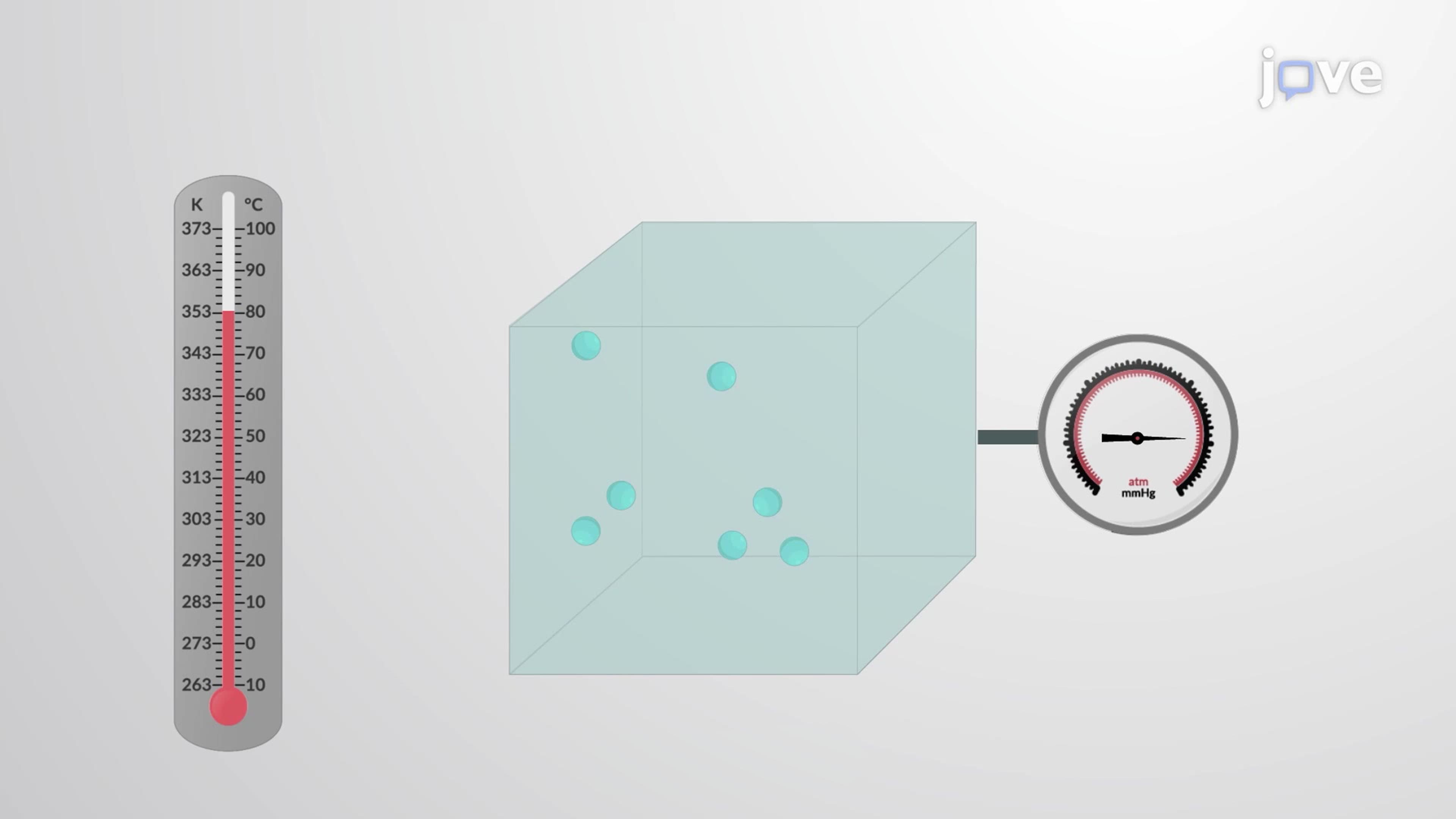
Pressure represents one of the most fundamental concepts in physical science, arising from the microscopic world of moving gas particles. When billions of gas molecules collide with container walls, each tiny impact contributes to the overall force we measure as pressure. This particle-level understanding forms the foundation for everything from weather prediction to medical equipment operation.
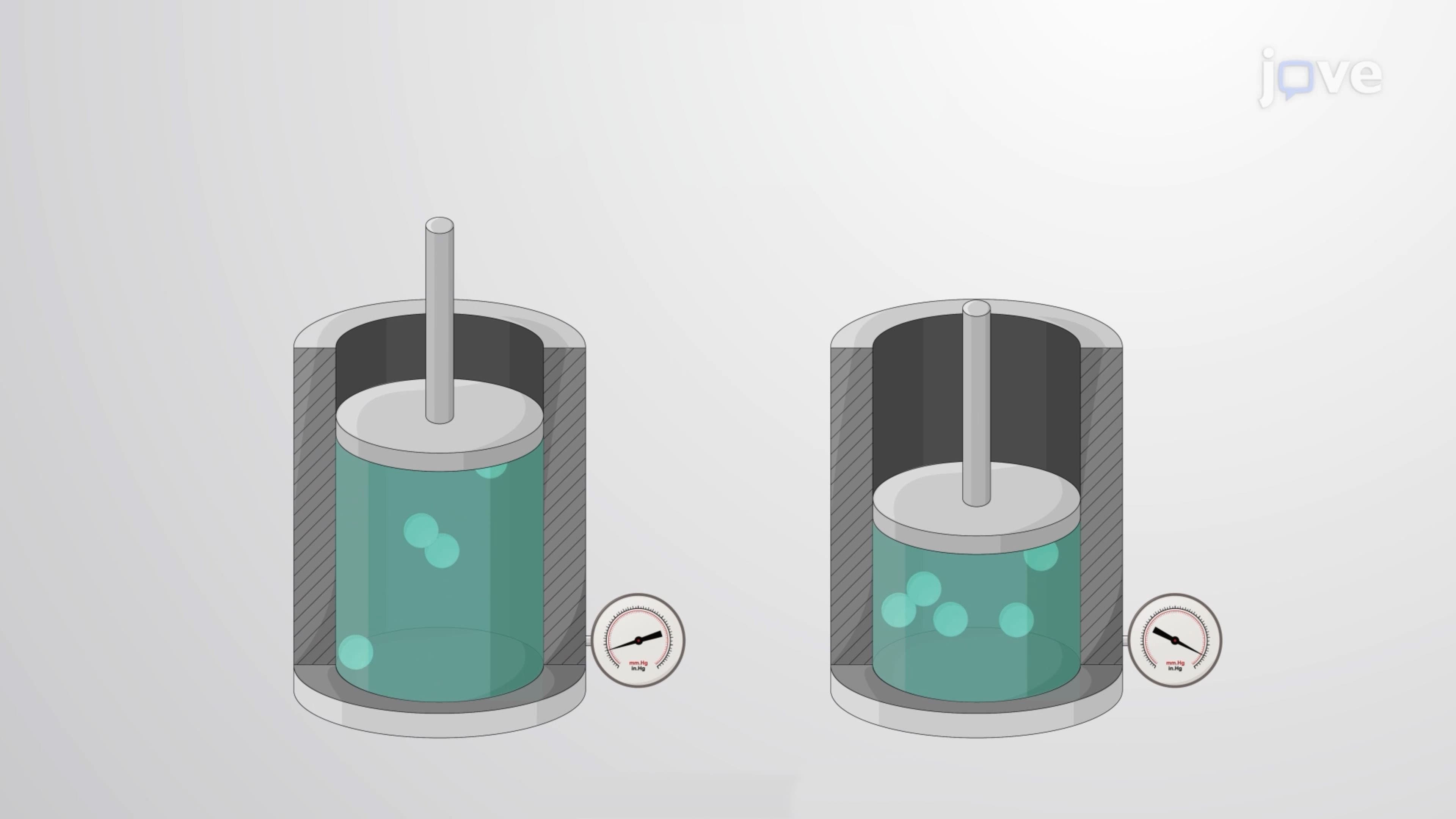
At the molecular level, pressure results from countless particle collisions occurring every second. Higher particle density means more collisions per unit area, directly increasing pressure. This relationship explains why compressed air tanks store more gas in the same volume-more particles create higher pressure through increased collision frequency. Students preparing for AP Chemistry or college-level physical chemistry courses must grasp this kinetic molecular theory foundation to understand gas laws and thermodynamic principles.
Barometers provide the standard method for measuring atmospheric pressure, with mercury barometers offering exceptional precision. At sea level locations like Miami or San Francisco, atmospheric pressure supports a 760-millimeter mercury column, establishing our standard atmosphere (1 atm). However, in Denver, Colorado, situated at 5,280 feet elevation, atmospheric pressure drops significantly, affecting everything from cooking times to aircraft performance. This altitude-pressure relationship appears frequently on SAT Subject Tests and MCAT physical sciences sections.
Manometers serve as essential laboratory instruments for measuring gas pressure in controlled environments. Closed-end manometers directly measure absolute pressure by comparing gas pressure against a vacuum reference. Open-end manometers measure gauge pressure relative to atmospheric conditions, requiring calculation adjustments based on atmospheric pressure readings. These measurement techniques prove crucial for students conducting laboratory experiments in high school chemistry courses or college organic chemistry labs, where precise pressure control affects reaction outcomes and product yields.
Related Micro-courses