Loading subject page…


410,818 views

Video Summary: Gas Laws Boyles Gay Explained
Ever wonder why a basketball feels harder in winter or why mountain climbers need oxygen tanks? Gas laws Boyle's Gay explains the fundamental relationships between pressure, volume, and temperature that govern gas behavior in everything from car engines to weather balloons across America. These interdependent properties follow predictable patterns discovered by scientists like Boyle and Gay-Lussac centuries ago. Watch the full video on JoVE Coach to master this concept with expert-led visuals and step-by-step explanations.
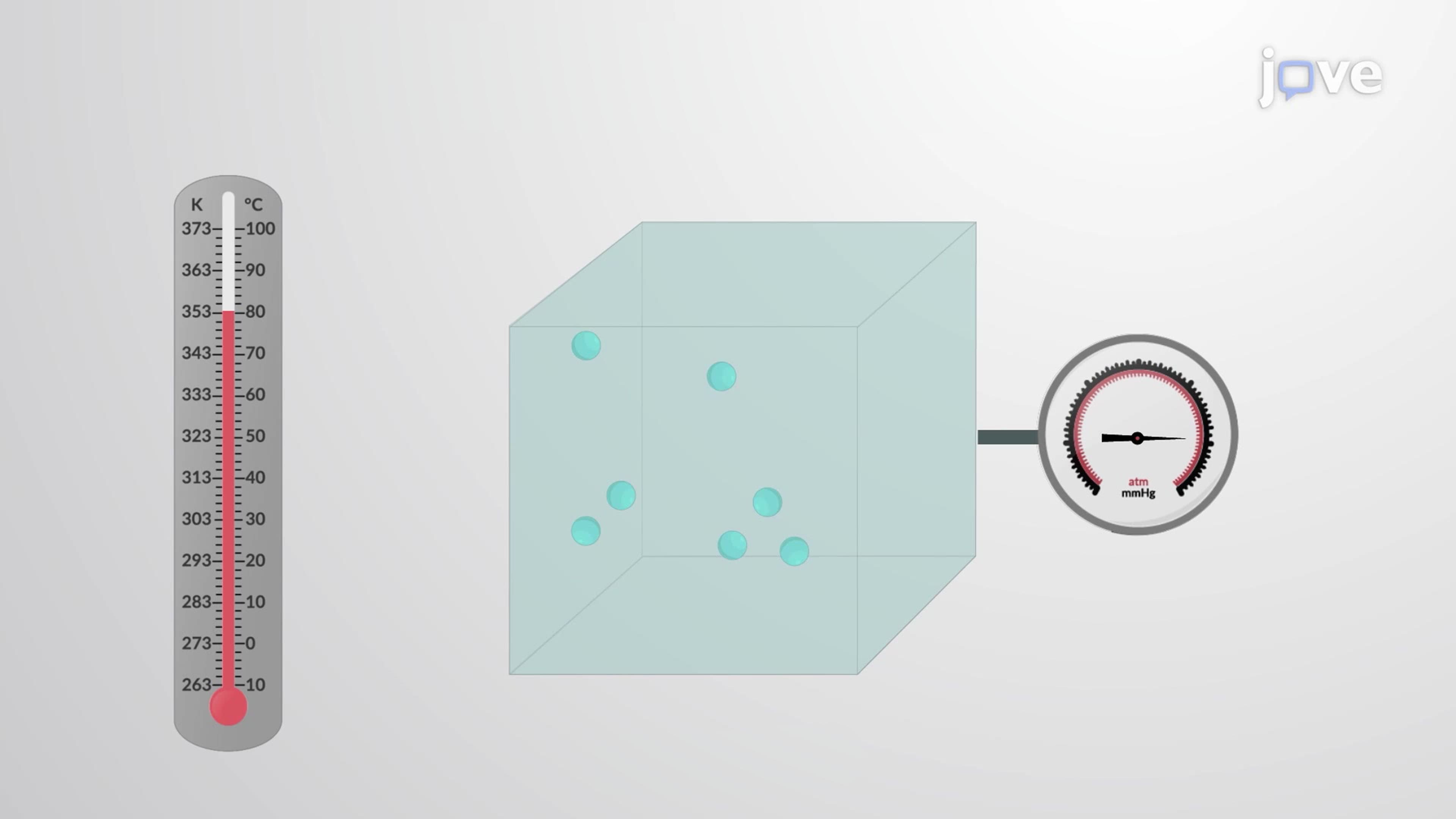
Gas Laws Boyle's Gay encompasses the essential relationships between four gas properties: pressure, volume, temperature, and number of moles. These laws form the backbone of chemistry education in American high schools and appear prominently on AP Chemistry exams and college entrance tests. Each law isolates specific variable relationships while holding others constant, creating predictable mathematical patterns that students can apply to solve complex problems.
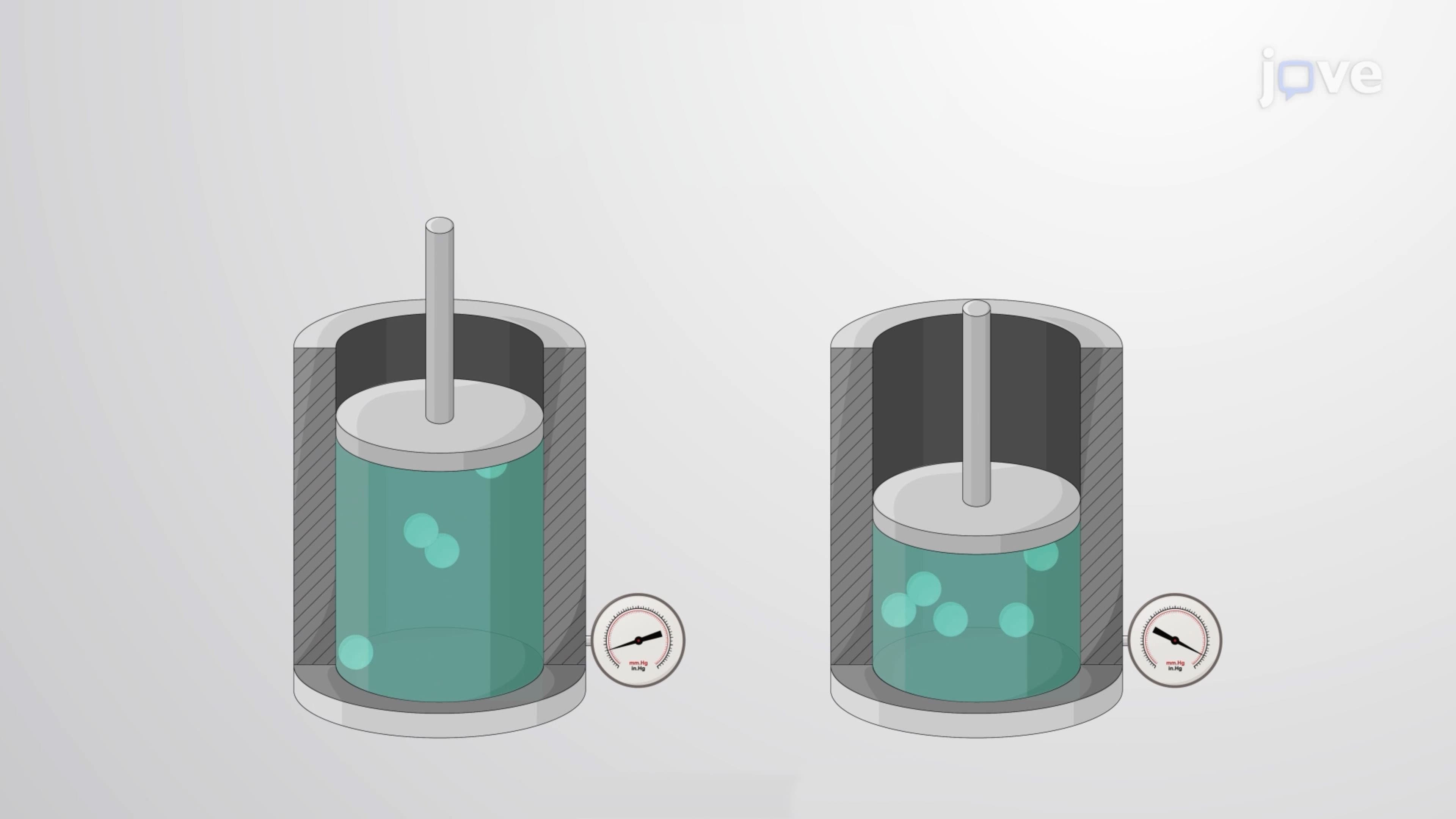
Robert Boyle's discovery reveals an inverse relationship between pressure and volume when temperature and moles remain constant. Picture a syringe filled with air-as you push the plunger down (decreasing volume), the pressure inside increases proportionally. This principle explains why scuba divers experience "the bends" when ascending too quickly from deep ocean pressures near California's coast. The mathematical expression P₁V₁ = P₂V₂ appears frequently in MCAT questions and college chemistry midterms across American universities.
Joseph Gay-Lussac identified the direct relationship between pressure and temperature at constant volume. When you heat a sealed container, gas particles move faster, creating more forceful collisions with container walls and increasing pressure. This explains why aerosol cans carry warnings against heat exposure and why tire pressure increases during hot Texas summers. The ratio P₁/T₁ = P₂/T₂ (with temperature in Kelvin) becomes crucial for students preparing for standardized chemistry assessments.
Charles's Law demonstrates volume-temperature relationships, explaining why hot air balloons rise during festivals in Albuquerque, New Mexico. Avogadro's Law connects volume to molecular quantity, fundamental for understanding stoichiometry in American chemistry curricula. These four laws ultimately combine into the ideal gas law (PV = nRT), where R equals 0.08206 L·atm/(mol·K), a constant students memorize for AP and college exams. Mastering these interconnected relationships prepares students for advanced topics in physical chemistry and engineering applications throughout their academic careers.
Related Micro-courses