Loading video…


 12 Concepts
 958.8K views


Video Summary: Physical and Chemical Properties of Matter Explained
Why does gasoline burn while water doesn't, even though both are clear liquids? The physical and chemical properties of matter determine how substances behave and interact in our world. From the copper patina on the Statue of Liberty to the melting point of gold in jewelry making, these fundamental properties help scientists and students distinguish between different materials and predict their behavior. Watch the full video on JoVE Coach to master this concept with expert-led visuals and step-by-step explanations.
Matter surrounds us in countless forms, from the aluminum in soda cans to the silicon in computer chips. The physical and chemical properties of matter serve as the fundamental characteristics that allow scientists, engineers, and students to identify, classify, and predict how different substances will behave under various conditions.
Physical properties represent characteristics that can be measured and observed without altering the substance's chemical identity. These properties include density, melting point, boiling point, electrical conductivity, magnetism, hardness, and solubility. For instance, pure copper wire conducts electricity effectively (electrical conductivity), melts at 1,085°C (melting point), and has a density of 8.96 g/cm³-all measurable without changing copper into a different substance.
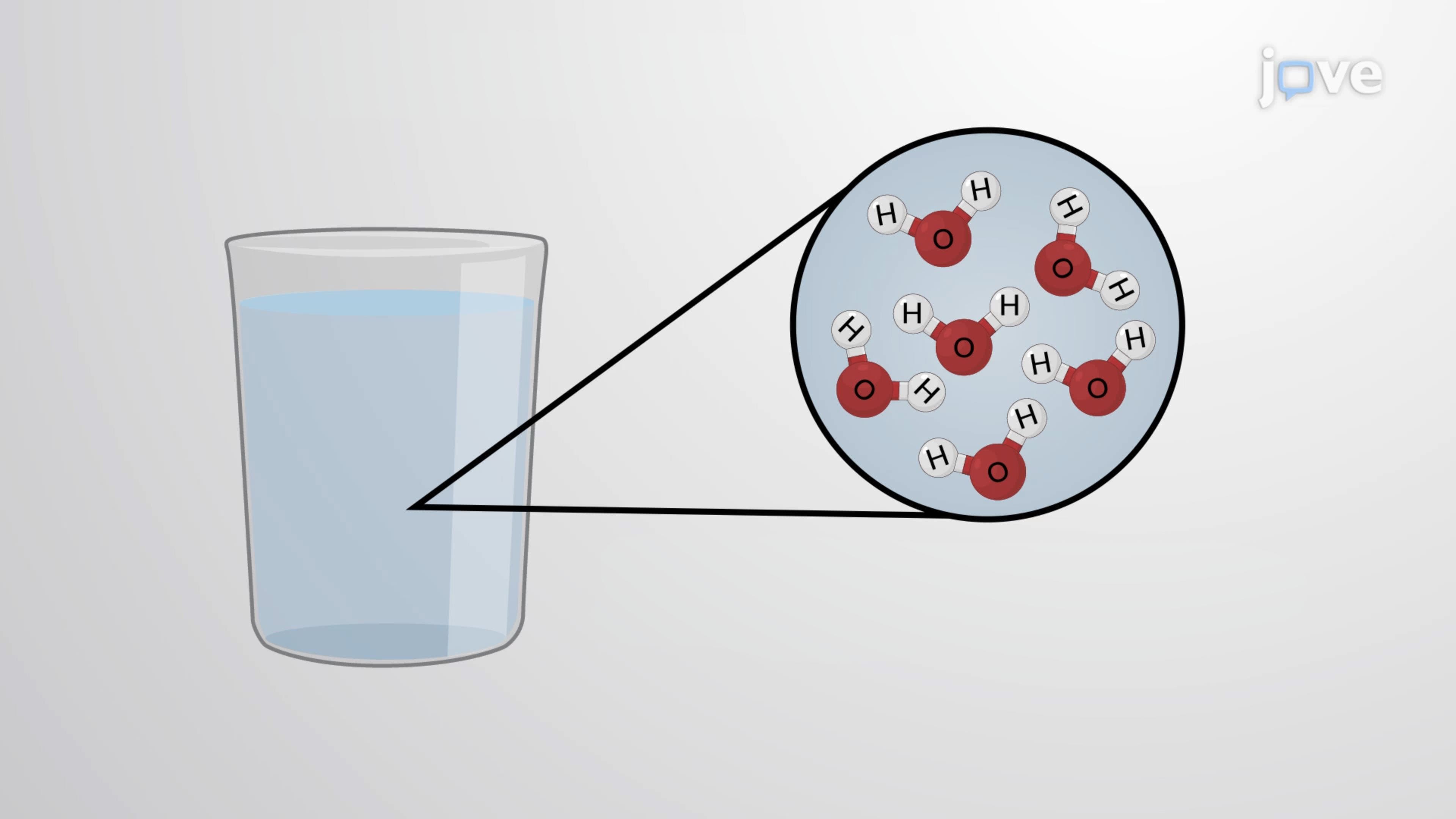
Physical changes only modify the physical state or condition of matter. When ice cubes melt in your drink, the water molecules remain H₂O whether in solid or liquid form. Similarly, when jewelers hammer gold into thin sheets (malleability), they're exploiting a physical property without creating new chemical compounds. These concepts frequently appear on AP Chemistry exams, where students must distinguish between intensive properties (like density, which doesn't depend on amount) and extensive properties (like mass, which does depend on quantity).
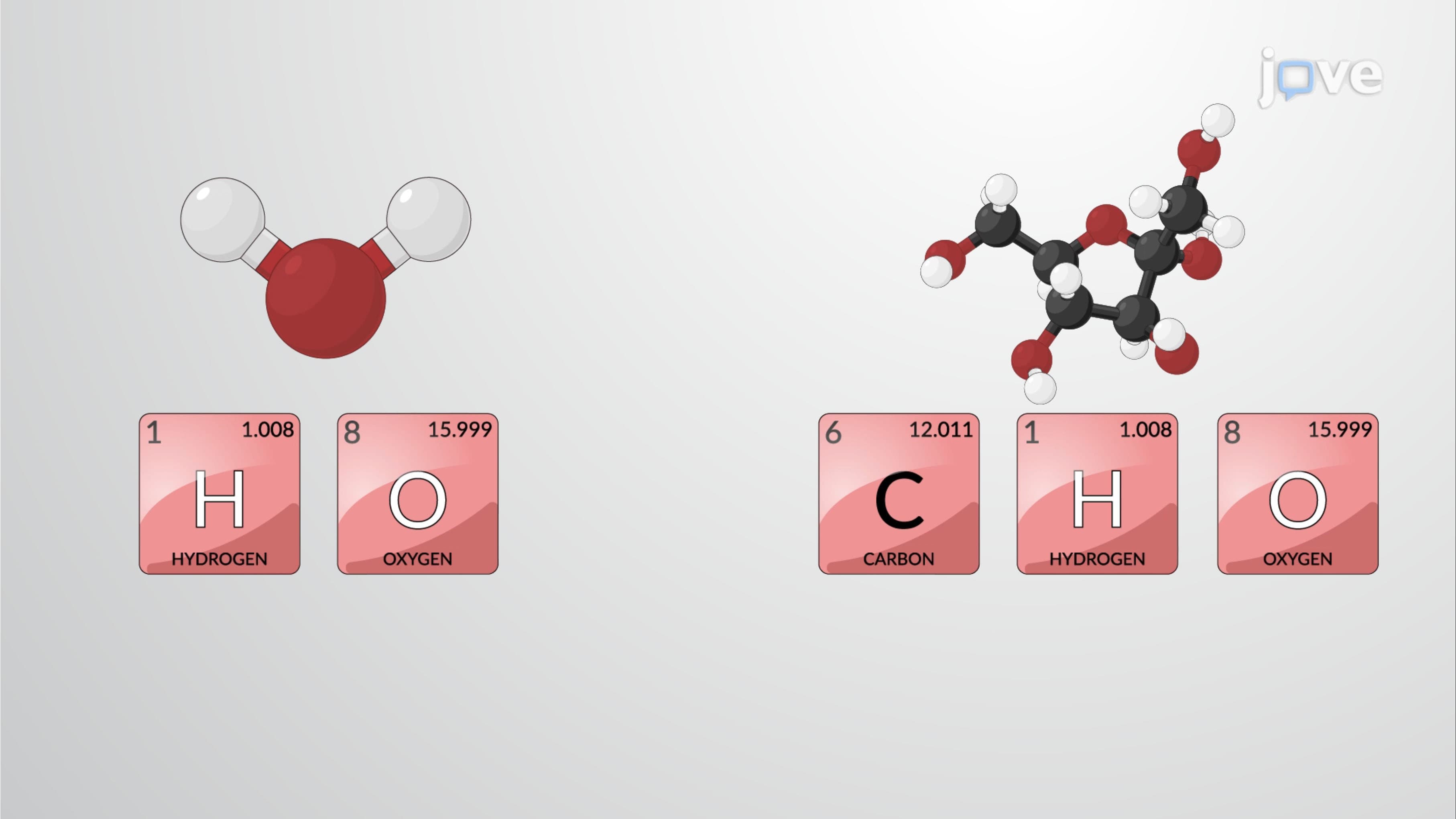
Chemical properties can only be observed when a substance undergoes chemical change, forming new compounds with different molecular compositions. Common chemical properties include flammability, corrosiveness, oxidation potential, and pH reactivity. The famous green patina on the Statue of Liberty demonstrates chemical properties in action-copper's reactivity with oxygen and moisture over decades created copper carbonate compounds that differ chemically from the original copper.
Understanding these properties proves essential for MCAT preparation, where students encounter questions about enzyme catalysis, metabolic pathways, and drug interactions. In industrial applications, chemical engineers must consider both types of properties when designing processes. For example, petroleum refining exploits different boiling points (physical property) to separate crude oil components, while also managing combustion reactions (chemical property) for energy production.
These concepts extend far beyond textbook theory. Materials scientists at companies like 3M and DuPont use property knowledge to develop everything from non-stick coatings to aerospace composites. Environmental scientists studying pollution must understand how chemical properties determine whether contaminants will break down naturally or persist in ecosystems. Even in everyday life, understanding these properties helps explain why certain cleaning products work on specific stains or why some materials can be recycled while others cannot.
Related Micro-courses