Loading subject page…


436,009 views

Video Summary: Hybridization of Atomic Orbitals I Explained
Ever wondered why carbon forms four identical bonds in methane when its electron configuration suggests otherwise? The hybridization of atomic orbitals i reveals how atoms mix their s and p orbitals to create new hybrid orbitals with enhanced bonding capabilities. This fundamental concept explains molecular geometries from the linear structure of beryllium fluoride used in aerospace ceramics to the tetrahedral arrangement of methane in natural gas. Watch the full video on JoVE Coach to master this concept with expert-led visuals and step-by-step explanations.
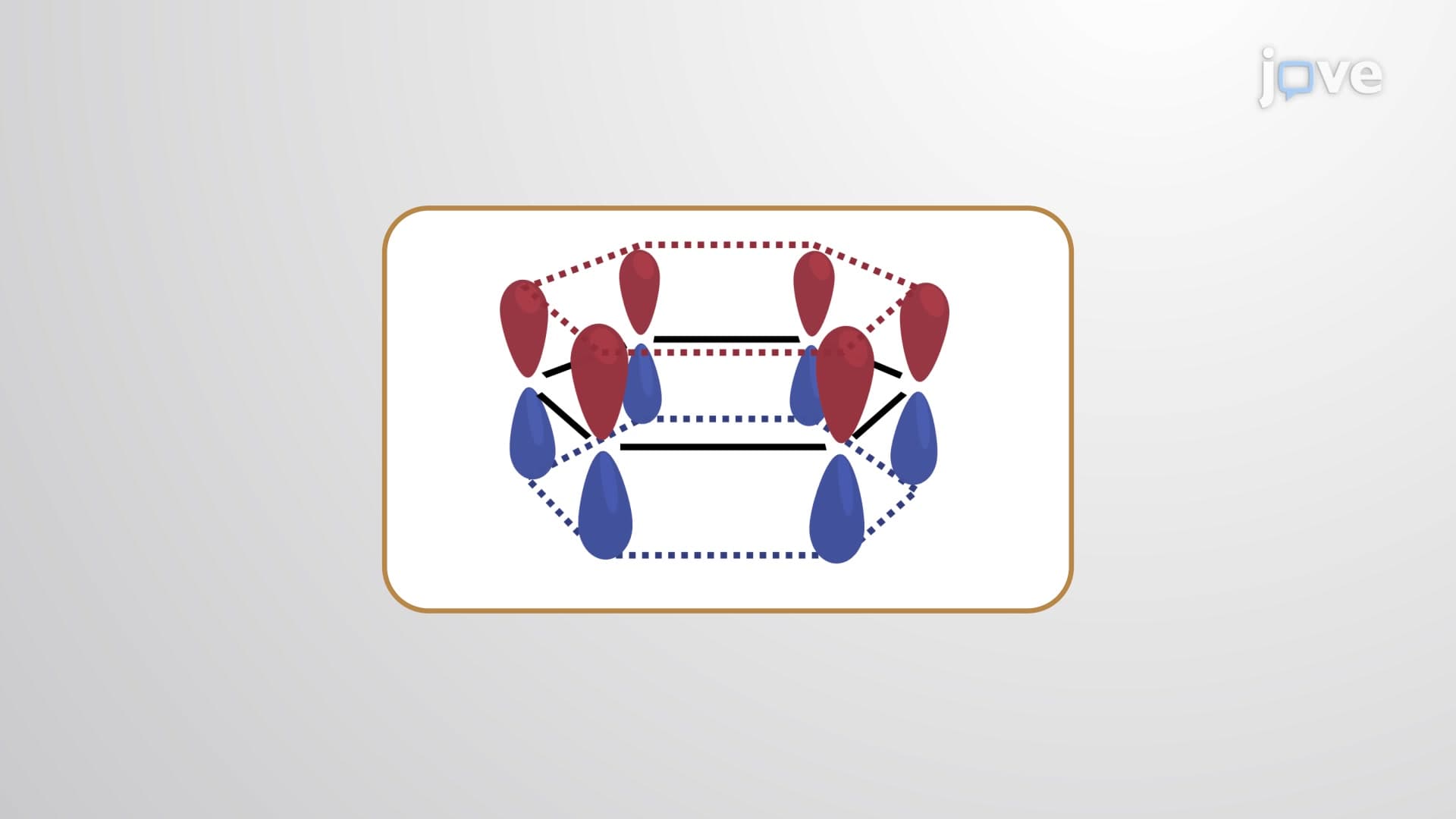
Hybridization of atomic orbitals represents one of chemistry's most elegant solutions to a geometric puzzle. When atoms form covalent bonds, their pure s and p orbitals often cannot explain the observed molecular shapes. For instance, carbon's ground state electron configuration (1s² 2s² 2p²) suggests it should form only two bonds, yet methane (CH₄) clearly contains four equivalent C-H bonds. Hybridization theory resolves this apparent contradiction by proposing that atomic orbitals mix to form new hybrid orbitals better suited for bonding.
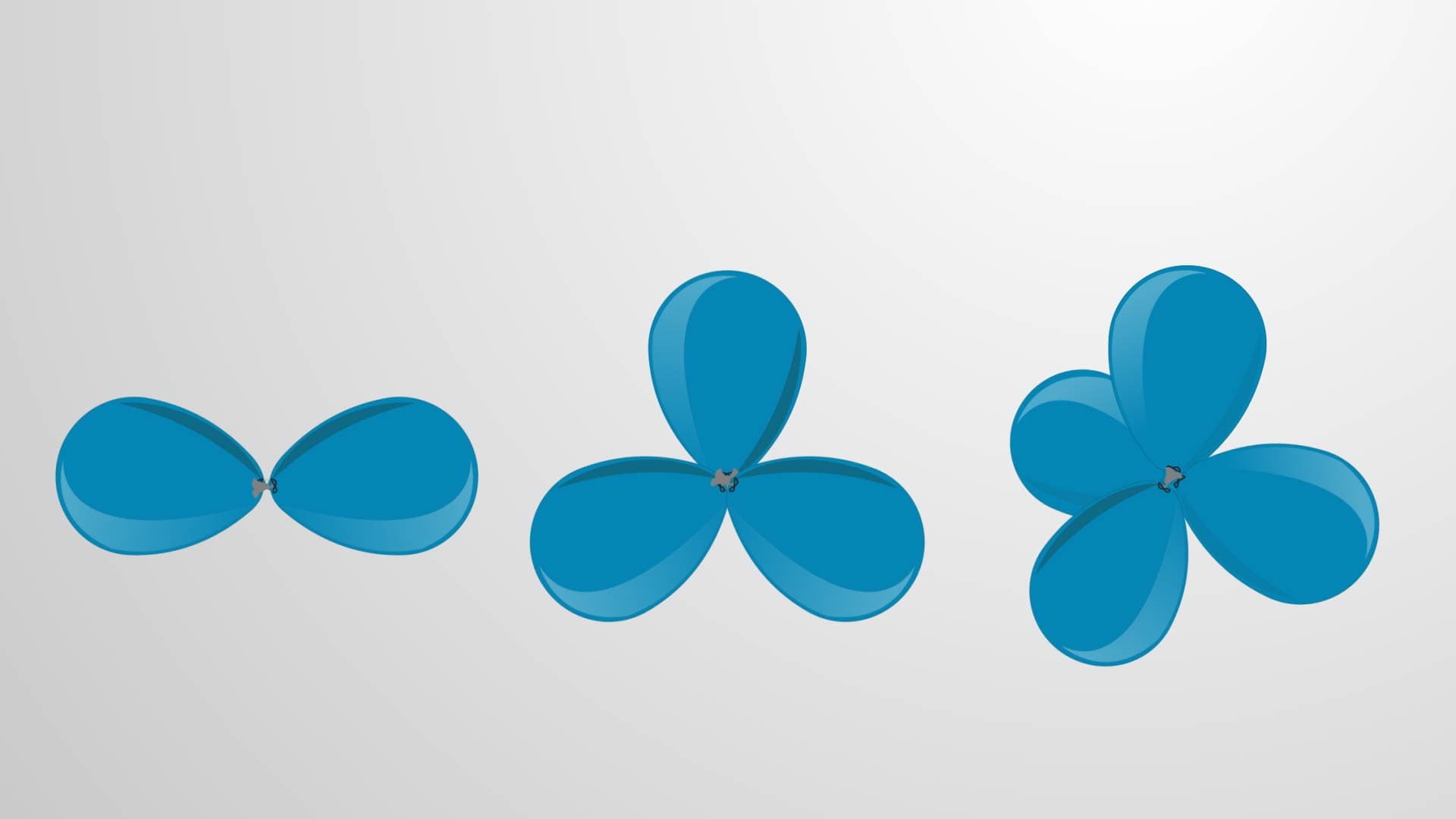
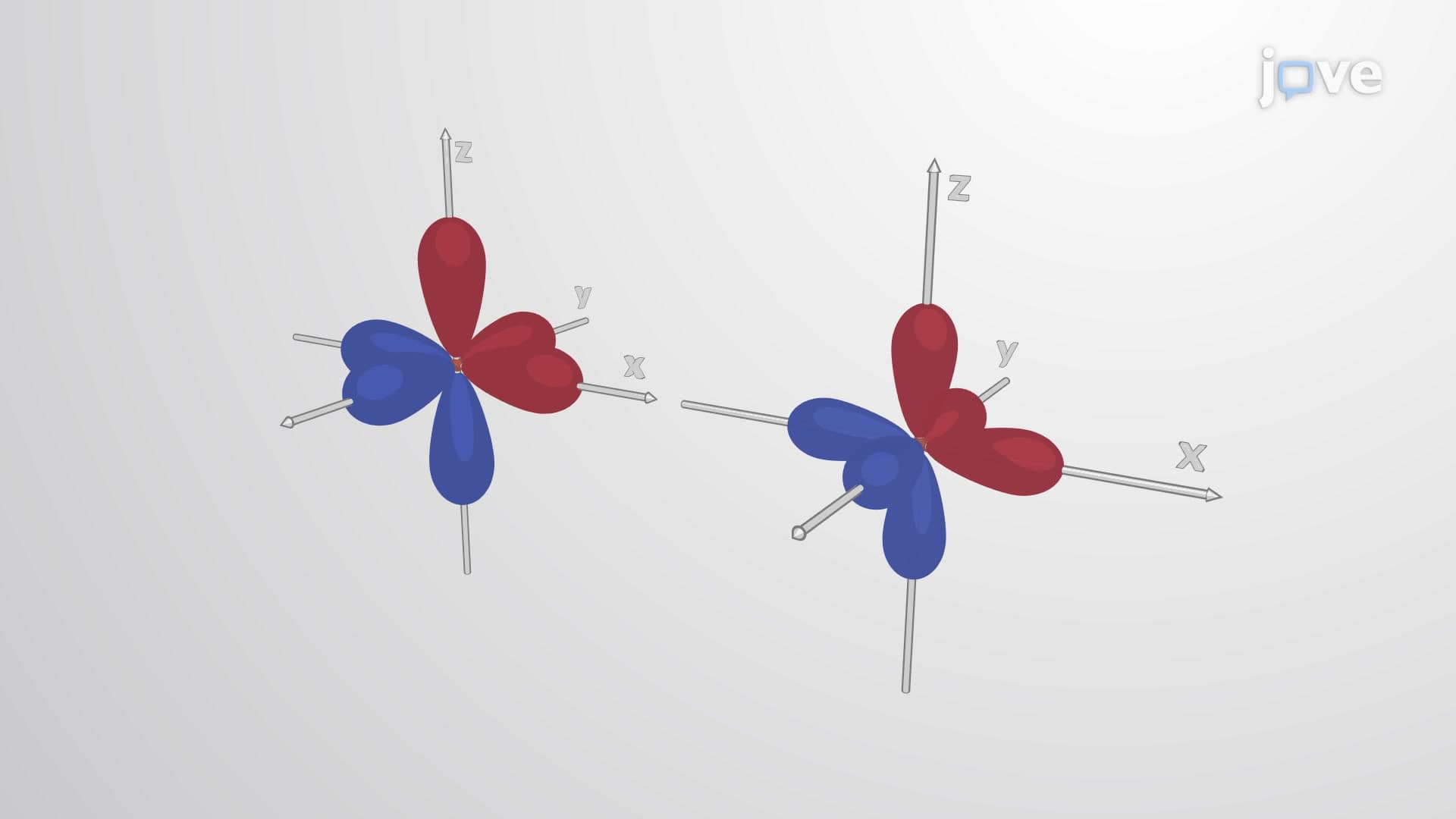
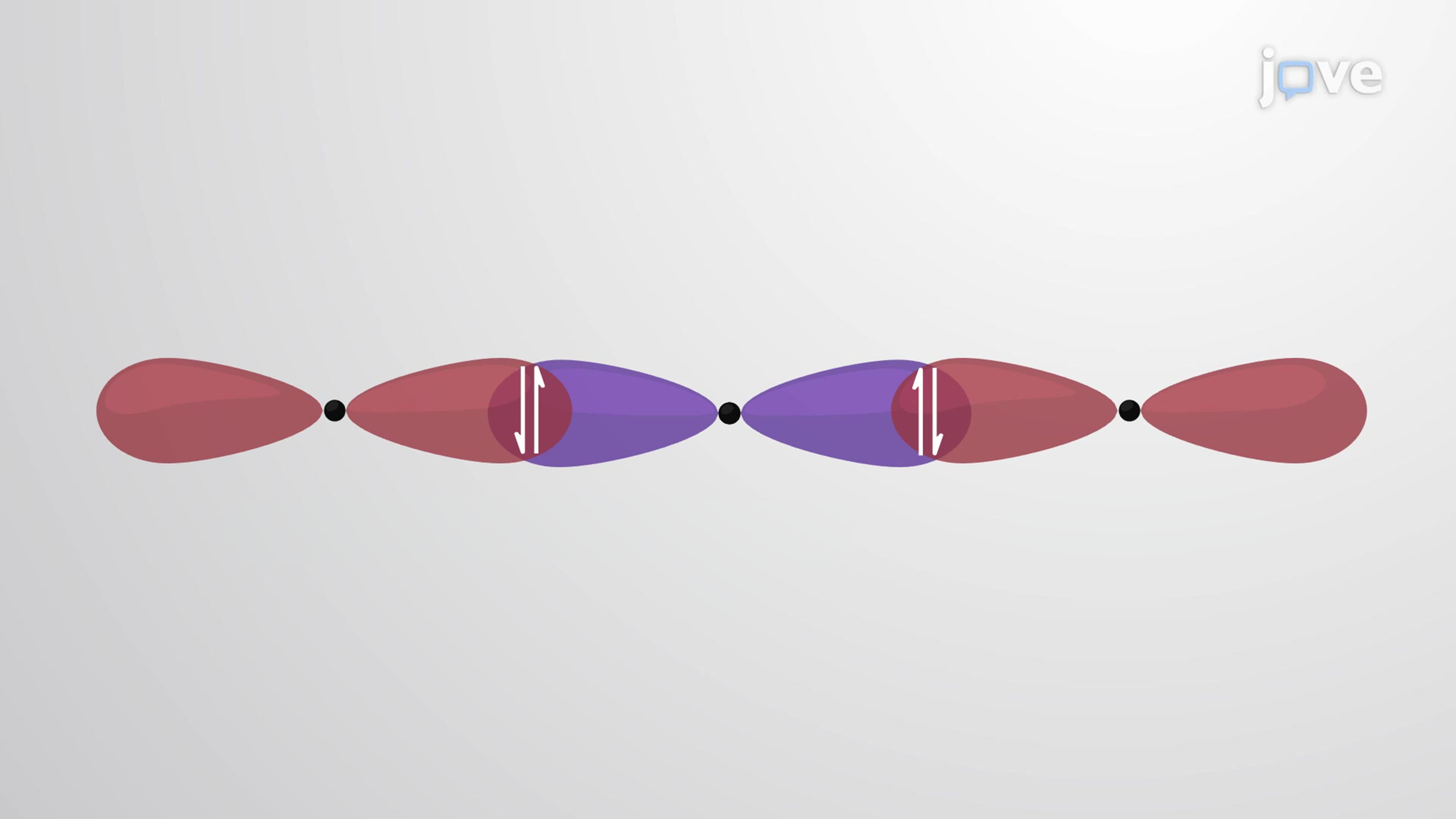
The simplest hybridization involves mixing one s orbital with one p orbital to create two sp hybrid orbitals. Beryllium fluoride (BeF₂) exemplifies this process. Beryllium's ground state places two electrons in the 2s orbital, leaving three 2p orbitals empty. During bond formation, the 2s orbital combines with one 2p orbital, generating two equivalent sp hybrid orbitals positioned 180° apart. This linear arrangement minimizes electron-electron repulsion while maximizing bonding efficiency. Students preparing for AP Chemistry or college-level general chemistry courses frequently encounter this example when studying molecular geometry predictions.
When one s orbital mixes with two p orbitals, sp2 hybridization results in three equivalent hybrid orbitals arranged in a trigonal planar geometry with 120° bond angles. Boron trihydride (BH₃) demonstrates this hybridization pattern perfectly. Boron contributes three valence electrons from its 2s¹ 2p² configuration. The hybridization process creates three half-filled sp2 orbitals that overlap with hydrogen's 1s orbitals, forming three sigma bonds. This concept frequently appears on MCAT passages testing molecular geometry understanding and bonding theory applications.
The most common hybridization in organic chemistry involves mixing one s orbital with three p orbitals to produce four equivalent sp3 hybrid orbitals. Methane serves as the classic example, where carbon's four valence electrons occupy four sp3 hybrid orbitals arranged tetrahedrally with 109.5° bond angles. This hybridization explains why carbon forms four equivalent bonds despite having different s and p orbital energies. Understanding sp3 hybridization proves essential for success in organic chemistry courses at institutions like UCLA, MIT, or University of Texas, where students must predict three-dimensional molecular structures and reaction mechanisms.
Related Micro-courses