Loading subject page…


436,009 views


Video Summary: Vsepr Theory and the Effect Explained
Ever wonder why water molecules have that distinctive bent shape that makes ice less dense than liquid water? VSEPR theory and the effect explains how electron pairs around atoms determine molecular shapes, from the tetrahedral geometry in methane used in natural gas to the bent structure of water molecules. This fundamental concept governs everything from pharmaceutical drug design at companies like Pfizer to environmental chemistry research at the EPA. Watch the full video on JoVE Coach to master this concept with expert-led visuals and step-by-step explanations.
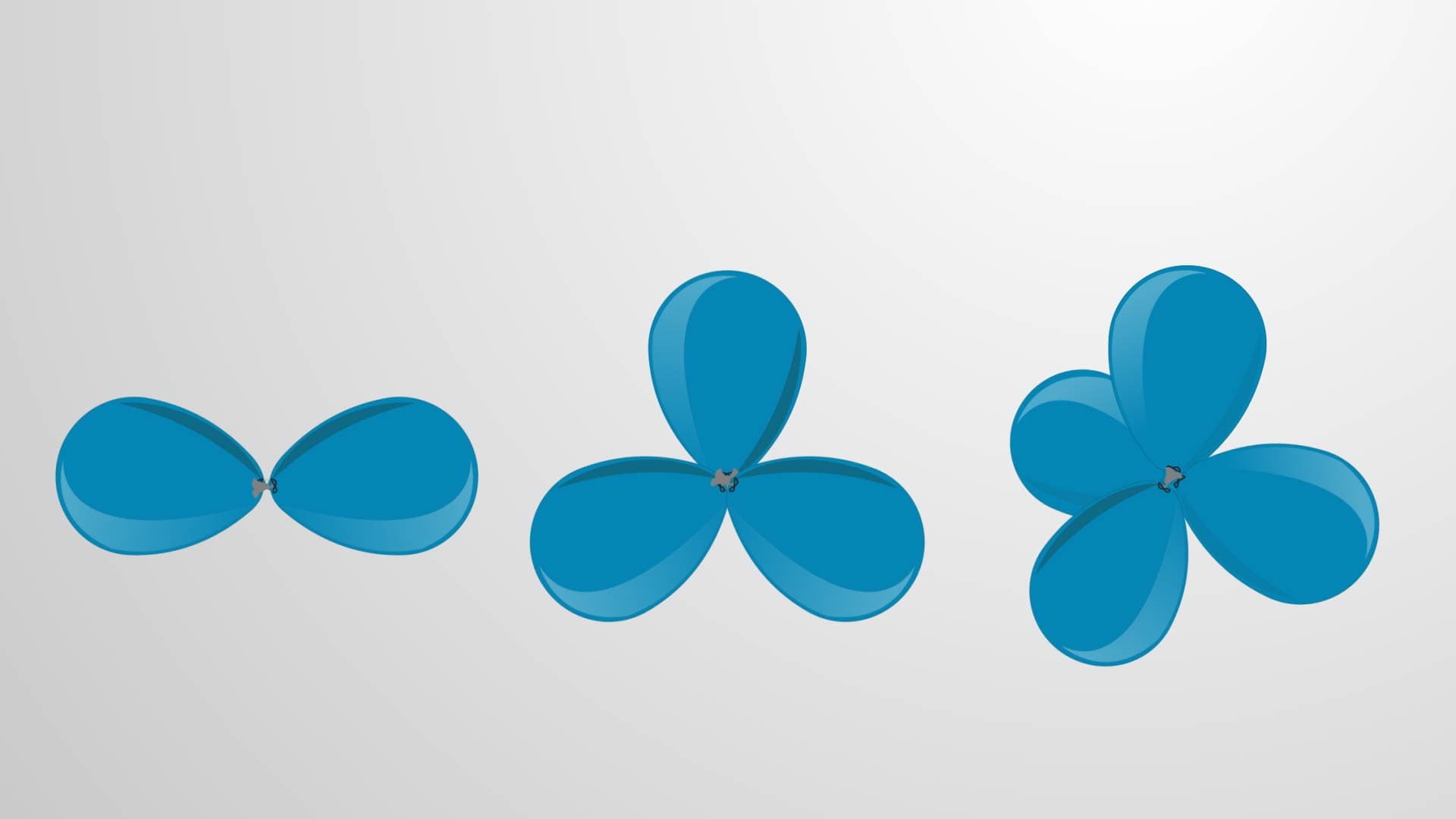
VSEPR theory and the effect (Valence Shell Electron Pair Repulsion theory) serves as the cornerstone for predicting molecular shapes in chemistry. This theory operates on a simple yet powerful principle: electron pairs around a central atom repel each other and arrange themselves to minimize this repulsion, creating predictable three-dimensional molecular geometries.
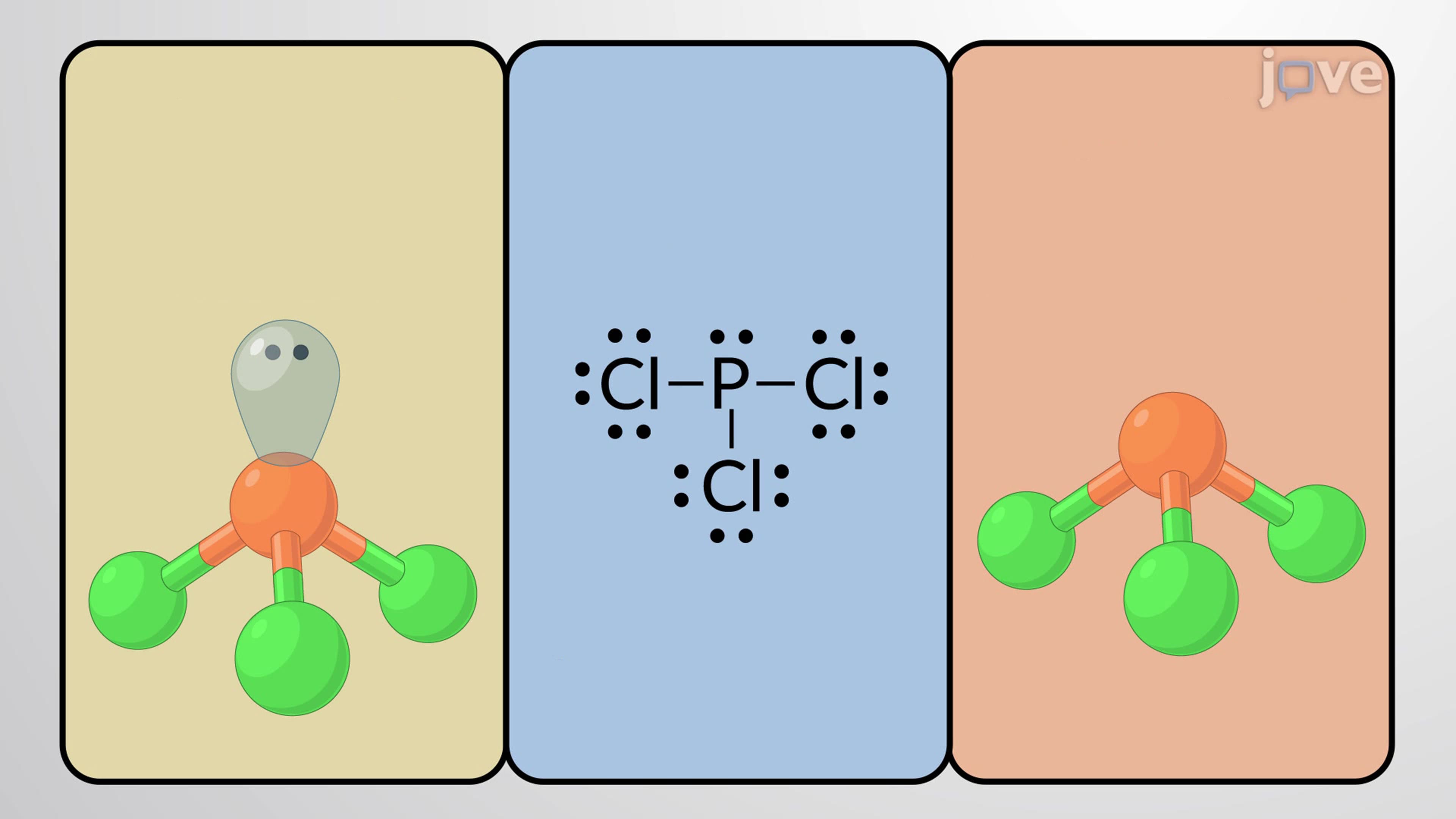
The theory becomes particularly important when distinguishing between electron-pair geometry and molecular geometry. While electron-pair geometry considers all electron groups (both bonding and lone pairs), molecular geometry describes only the arrangement of atoms. This distinction proves crucial for molecules like ammonia and water, where lone pairs significantly influence the final molecular shape.
Lone pairs exert a more significant repulsive force than bonding pairs because they occupy more space around the central atom. In ammonia (NH₃), the lone pair compresses the H-N-H bond angles from the ideal tetrahedral angle of 109.5° to approximately 107°. This compression becomes even more pronounced in water (H₂O), where two lone pairs reduce the H-O-H bond angle to about 104.5°.
The hierarchy of repulsions follows this order: lone pair-lone pair > lone pair-bonding pair > bonding pair-bonding pair. This ranking explains why molecules with increasing numbers of lone pairs show progressively smaller bond angles, as demonstrated in the methane-ammonia-water series.
For more complex geometries like trigonal bipyramidal arrangements, VSEPR theory reveals positional preferences. Lone pairs preferentially occupy equatorial positions (120° bond angles) rather than axial positions (90° bond angles) to minimize repulsions. This preference explains the molecular geometries of sulfur tetrafluoride (seesaw), bromine trifluoride (T-shaped), and xenon difluoride (linear).
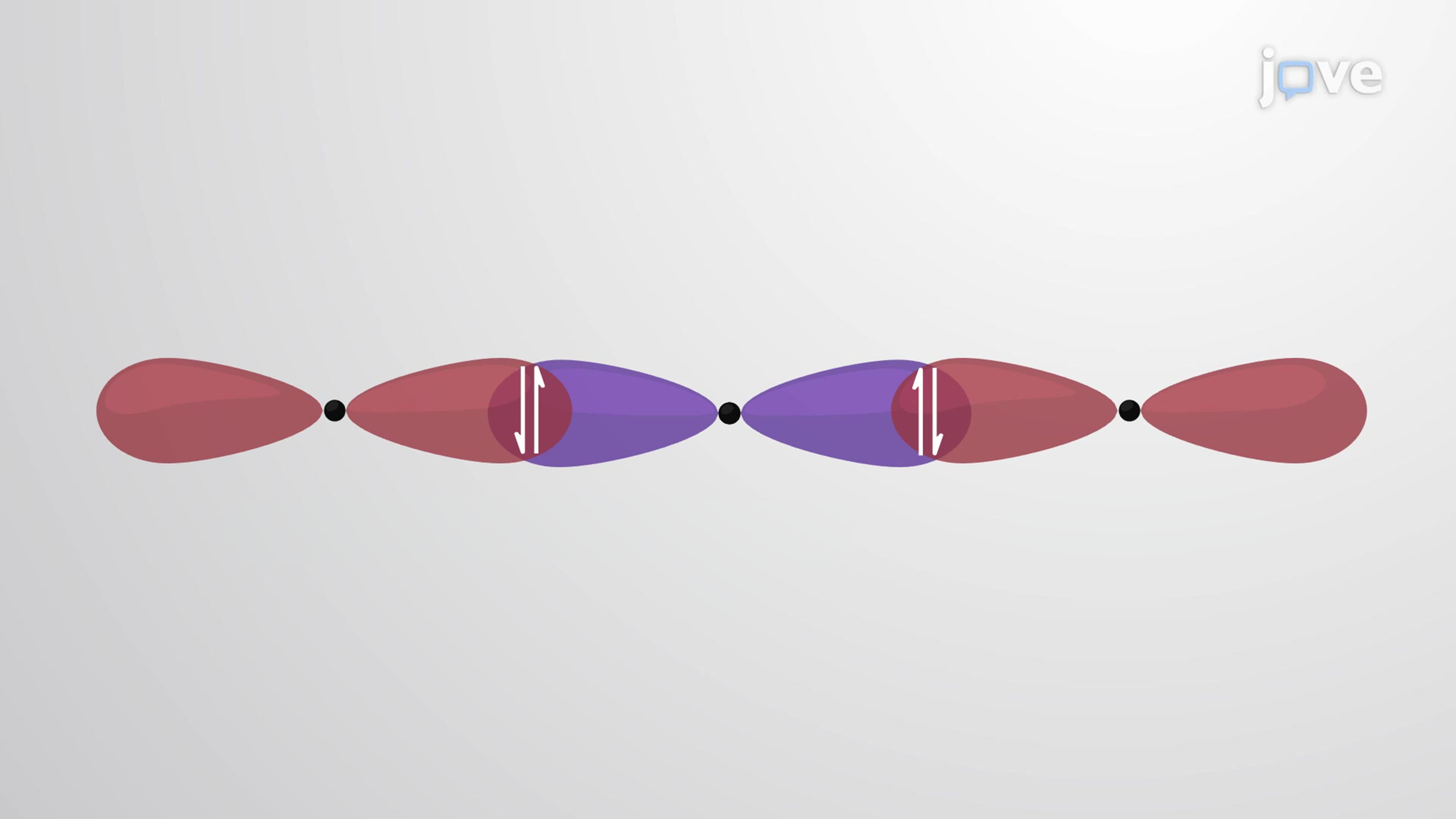
In octahedral arrangements, all positions are equivalent, but when two lone pairs are present, they occupy opposite positions to minimize lone pair-lone pair repulsions, as seen in xenon tetrafluoride's square planar geometry.
VSEPR theory frequently appears on AP Chemistry exams, college general chemistry courses, and MCAT questions. Students should practice predicting molecular shapes for various electron group arrangements and understand how these shapes influence physical properties like polarity, boiling points, and biological activity. Pharmaceutical companies like Merck rely on these principles when designing drugs that must fit specific receptor shapes in the human body.
Related Micro-courses