Loading subject page…


436,009 views
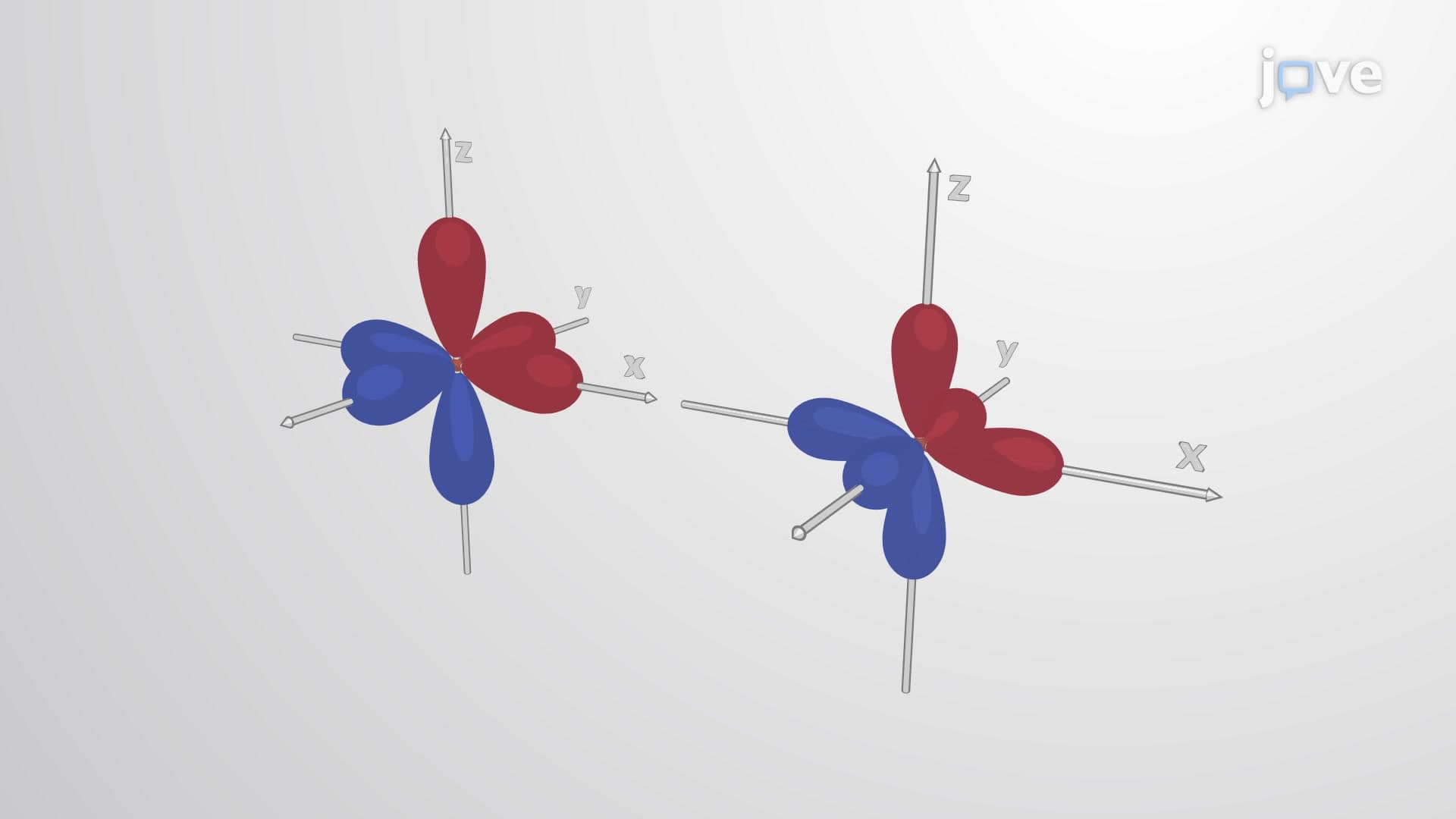

Video Summary: What Is Molecular Orbital Theory I
Ever wonder how the oxygen you breathe actually forms stable O₂ molecules? Molecular orbital theory I explains how electrons spread throughout entire molecules rather than staying locked between specific atoms. Unlike the simple dot diagrams taught in introductory chemistry, this advanced model shows why pharmaceutical companies like Pfizer can predict drug molecule stability before synthesis. The theory uses mathematical wave functions to map electron probability distributions, revealing why some molecular combinations create stronger bonds while others remain unstable. Watch the full video on JoVE Coach to master this concept with expert-led visuals and step-by-step explanations.
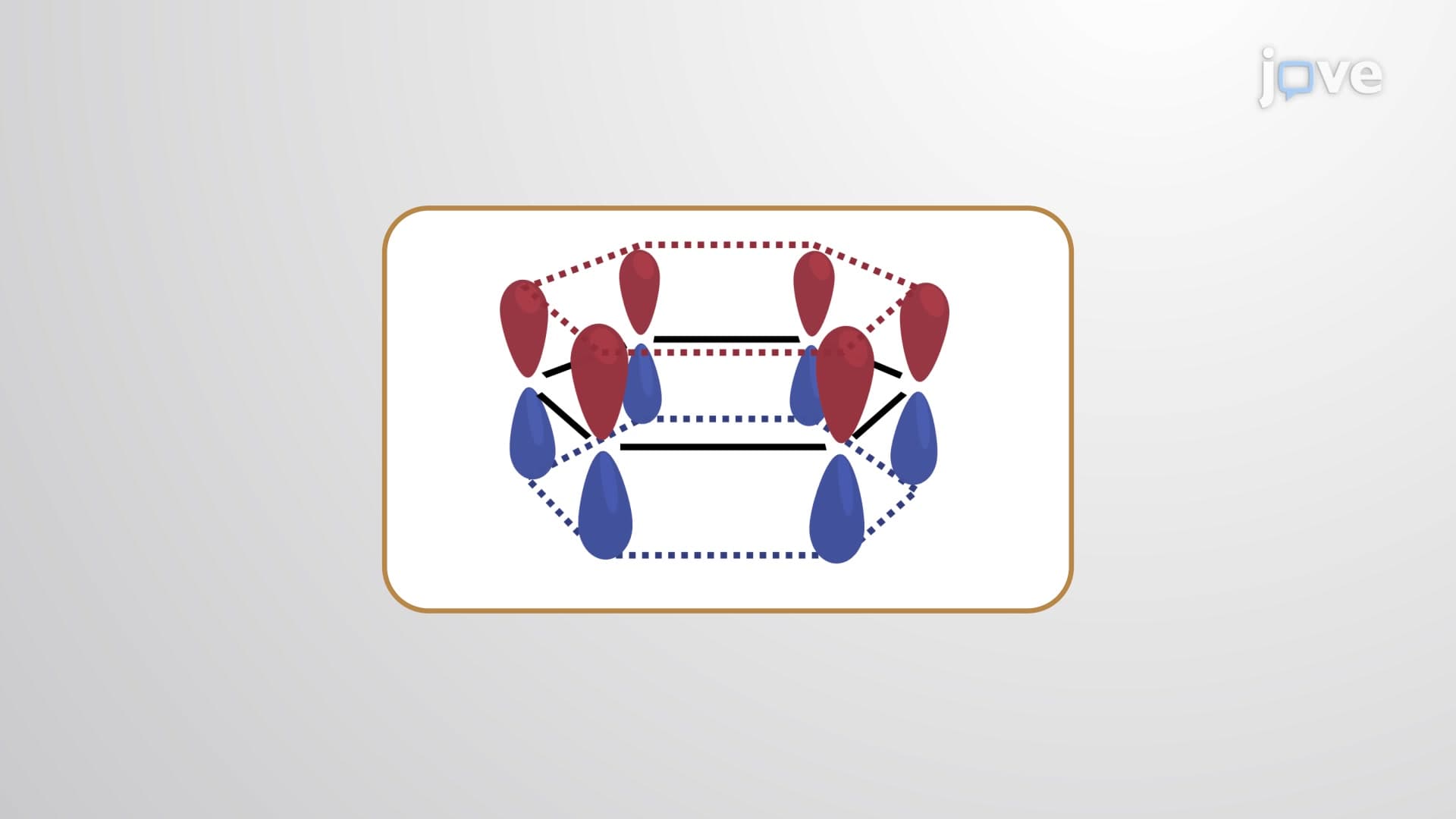
Molecular orbital theory I represents a quantum mechanical approach to chemical bonding that revolutionized how chemists understand molecular structure. Unlike simpler bonding models that treat electrons as localized between specific atom pairs, this theory describes electrons as occupying molecular orbitals that extend across entire molecules. This delocalization concept explains phenomena that stumped early 20th-century chemists, such as why benzene's six carbon-carbon bonds are equivalent rather than alternating single and double bonds.
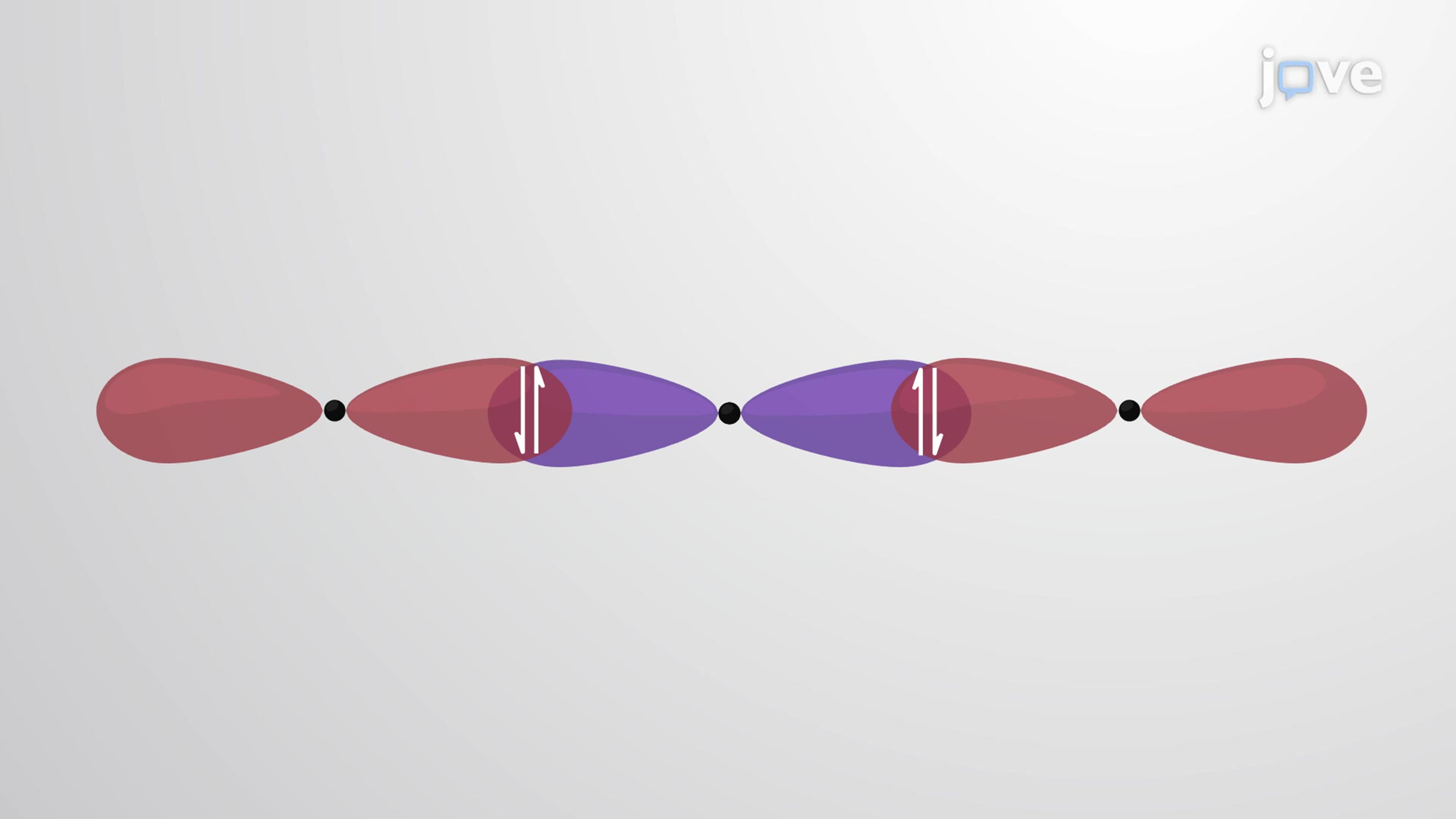
The molecular orbital theory I concept builds on wave mechanics, treating electrons as standing waves rather than particles. The linear combination of atomic orbitals (LCAO) method mathematically combines atomic orbital wave functions to generate molecular orbitals. When two hydrogen atoms approach each other, their 1s atomic orbitals can combine in two ways: constructive interference creates a bonding orbital with increased electron density between nuclei, while destructive interference produces an antibonding orbital with a nodal plane of zero electron density. This mathematical approach allows pharmaceutical researchers at companies like Johnson & Johnson to predict which molecular modifications will strengthen or weaken drug-target interactions.
Molecular orbitals are classified based on their symmetry and energy relative to parent atomic orbitals. Sigma (σ) orbitals result from head-on atomic orbital overlap, creating cylindrical electron density around the internuclear axis. Pi (π) orbitals form through sideways overlap, concentrating electron density above and below the bonding axis. Antibonding orbitals, denoted with asterisks (σ* and π*), possess higher energy than their bonding counterparts. This energy relationship proves crucial for understanding why some molecules like F₂ are stable while others like He₂ cannot exist under normal conditions.
Students encounter molecular orbital theory I in AP Chemistry, college general chemistry, and advanced inorganic chemistry courses. The MCAT frequently tests these concepts through questions about molecular stability, magnetic properties, and spectroscopic transitions. Understanding orbital overlap requirements-that combining orbitals must have similar energies and matching symmetries-helps students predict molecular formation. For instance, explaining why carbon monoxide's unusual bonding makes it toxic to humans requires molecular orbital theory concepts that simple Lewis structures cannot address.
Related Micro-courses