Loading subject page…


436,009 views

Video Summary: What Is Predicting Molecular Geometry
Ever wondered why water molecules bend while carbon dioxide stays straight, affecting everything from drug design at Pfizer to environmental chemistry? Predicting molecular geometry using VSEPR theory determines these three-dimensional shapes by analyzing electron pairs around central atoms. This systematic approach explains why phosphorus trichloride forms a pyramid while carbon dioxide remains linear, directly impacting molecular properties studied in AP Chemistry courses nationwide. Watch the full video on JoVE Coach to master this concept with expert-led visuals and step-by-step explanations.
Predicting molecular geometry represents one of chemistry's most practical applications, directly influencing everything from medication effectiveness to environmental pollutant behavior. This systematic approach uses Valence Shell Electron Pair Repulsion (VSEPR) theory to determine how atoms arrange themselves in three-dimensional space. Unlike simple chemical formulas that show only which atoms connect, molecular geometry reveals the actual shape that determines a compound's properties.
The significance extends far beyond academic study. Pharmaceutical companies like Johnson & Johnson rely on molecular geometry predictions when designing new medications, as drug effectiveness often depends on precise three-dimensional fit with biological receptors. Environmental scientists use these principles to understand how pollutants interact with atmospheric components.
VSEPR theory operates on a simple premise: electron pairs around a central atom repel each other and position themselves to minimize this repulsion. This creates predictable geometric arrangements. The process begins with drawing accurate Lewis structures, then counting electron groups (bonding pairs and lone pairs) around the central atom.
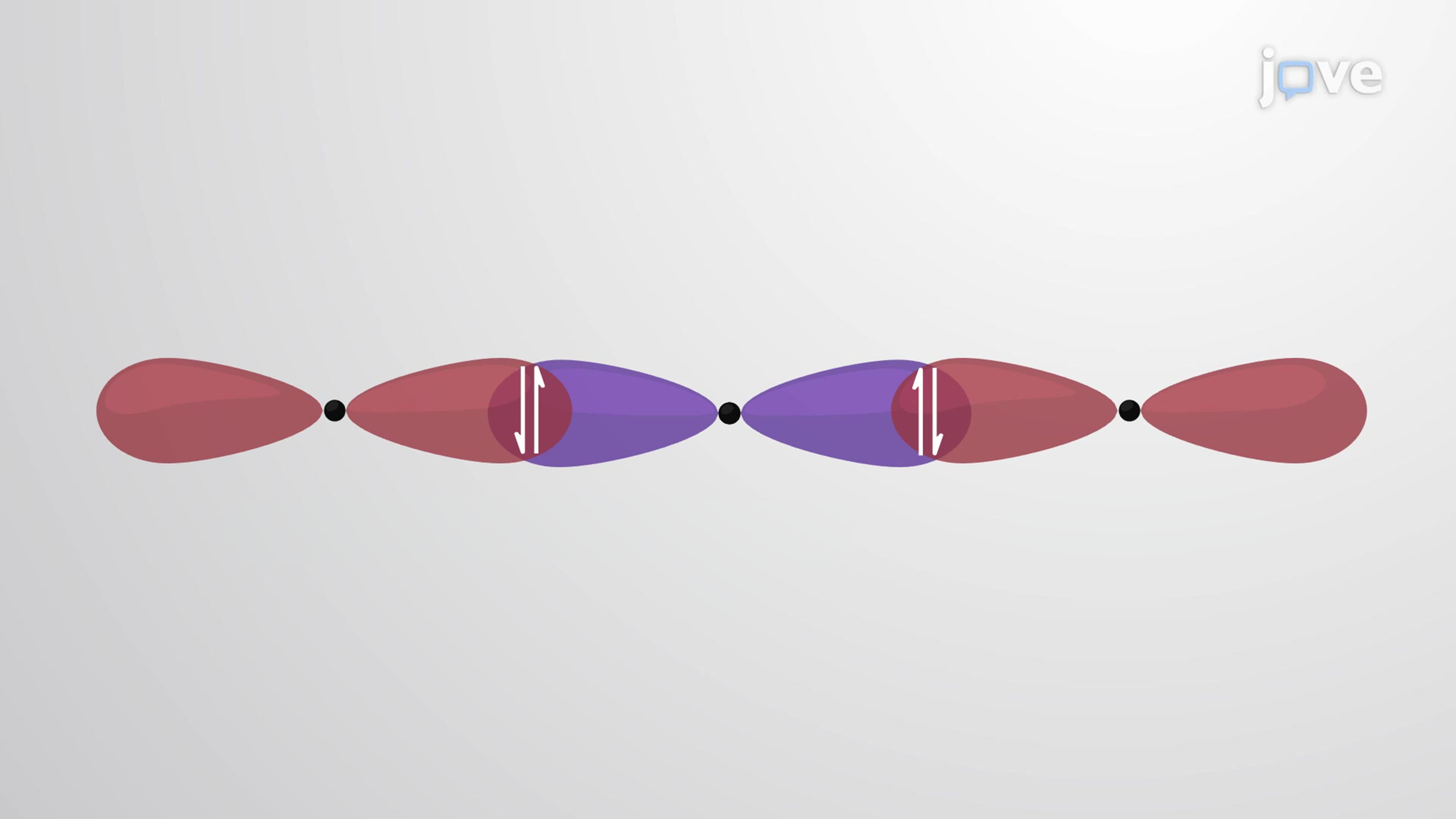
For molecules like carbon dioxide, two double bonds create two electron groups that orient 180 degrees apart, producing a linear geometry. This straight-line arrangement explains carbon dioxide's unique properties in applications ranging from fire extinguishers to beverage carbonation. In contrast, water's bent shape (due to two lone pairs) creates its polar nature, essential for biological processes.
A critical distinction exists between electron-pair geometry (the arrangement of all electron groups) and molecular geometry (the arrangement of only atoms). When lone pairs occupy positions around the central atom, they create invisible "bumps" that affect molecular shape without contributing to the visible structure.
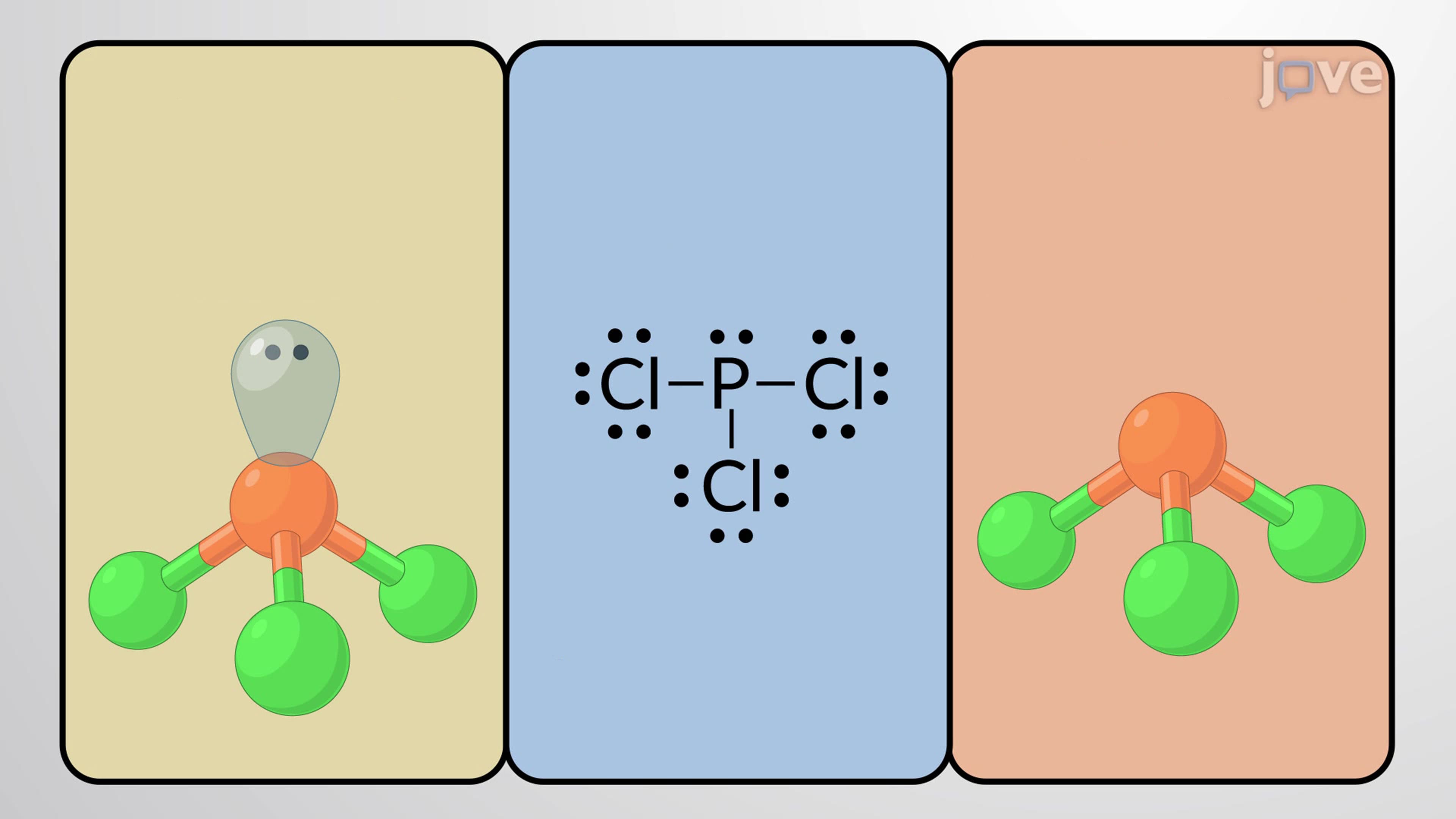
Phosphorus trichloride exemplifies this concept perfectly. Four electron groups around phosphorus create tetrahedral electron-pair geometry, but one lone pair makes the molecular geometry trigonal pyramidal. This difference explains why PCl₃ has different properties than methane (CH₄), despite both having four electron groups around their central atoms.
Students encounter molecular geometry prediction extensively in AP Chemistry, college general chemistry, and organic chemistry courses. The MCAT frequently tests these concepts, particularly their application to biological molecules. Understanding how to predict shapes becomes essential for success in advanced chemistry courses and professional programs.
In pharmaceutical research, companies like Merck use computational chemistry software based on VSEPR principles to model drug candidates before expensive laboratory synthesis. Environmental engineers apply these concepts when studying how industrial chemicals interact with natural systems. Even materials scientists use molecular geometry predictions when designing new polymers with specific properties.
Related Micro-courses