Loading subject page…


629,334 views


Video Summary: Experimental Determination of Chemical Formula Tutorial
Ever wonder how chemists know that table salt contains exactly one sodium atom for every chlorine atom? The experimental determination of chemical formula reveals the precise atomic composition of compounds through systematic laboratory analysis. By measuring the masses of elements in compounds like phosphorus pentoxide (used in US manufacturing processes), scientists convert mass data into mole ratios to establish empirical and molecular formulas. Watch the full video on JoVE Coach to master this concept with expert-led visuals and step-by-step explanations.
The experimental determination of chemical formula forms the foundation of analytical chemistry, allowing scientists to identify unknown compounds through precise measurement and calculation. This process transforms raw laboratory data into the familiar chemical formulas we see in textbooks and on product labels.
The process begins with experimental analysis, typically through combustion analysis or decomposition reactions. For instance, when analyzing a sample of caffeine from coffee beans, chemists might find 49.48% carbon, 5.15% hydrogen, 28.87% nitrogen, and 16.49% oxygen by mass. These percentages represent the experimental foundation for formula determination.
Converting mass percentages to moles requires using atomic masses from the periodic table. A 100-gram sample of this caffeine would contain 49.48 grams of carbon, which equals 4.12 moles of carbon atoms (49.48 ÷ 12.01). Similar calculations for other elements provide the mole quantities needed for the next step.
The experimental determination of chemical formula step by step involves finding the simplest whole-number ratio of atoms. By dividing each element's mole quantity by the smallest value, chemists obtain ratios that become subscripts in the empirical formula. This process often requires multiplying by small integers (2, 3, or 4) to eliminate decimal values and achieve whole numbers.
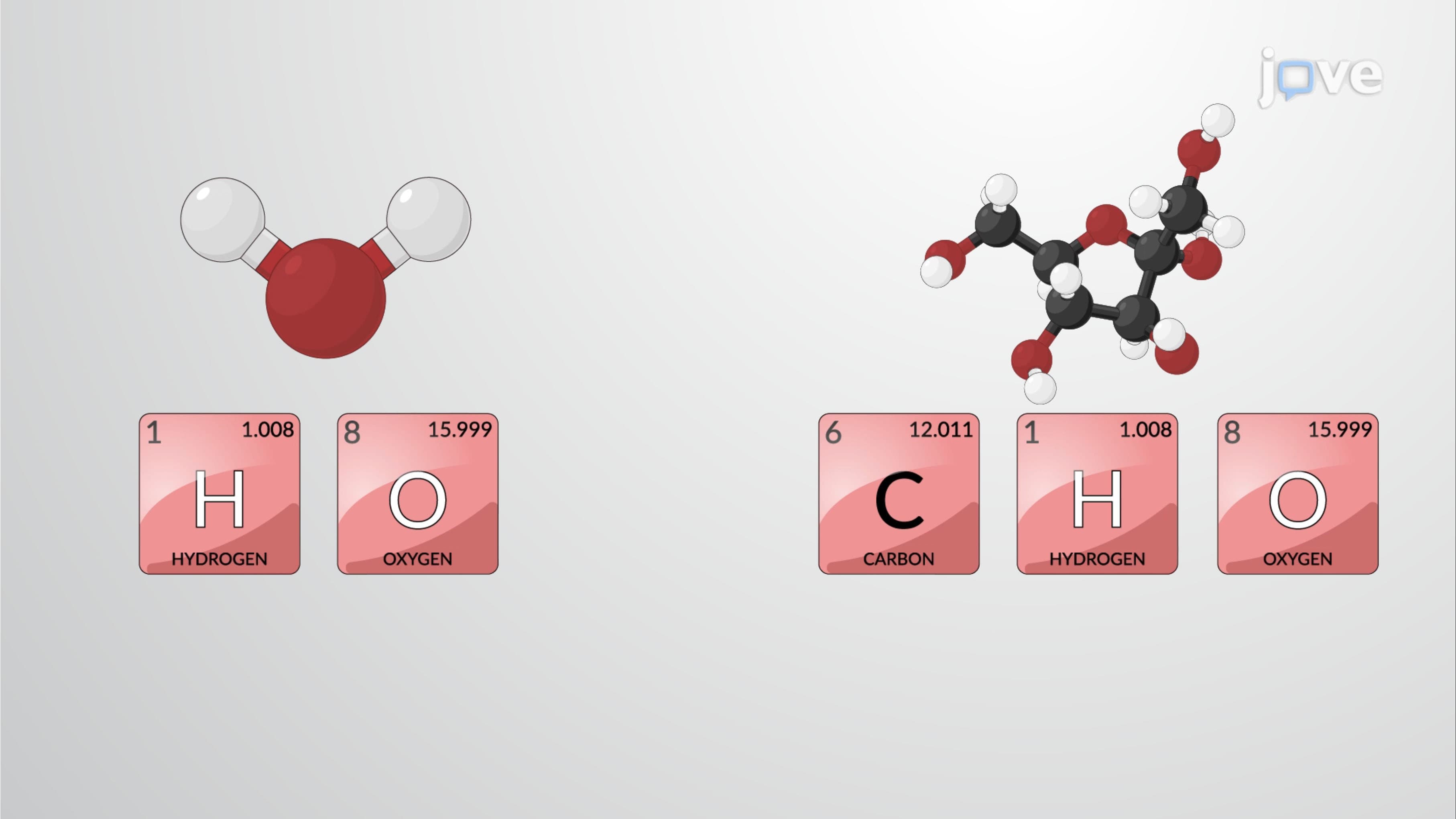
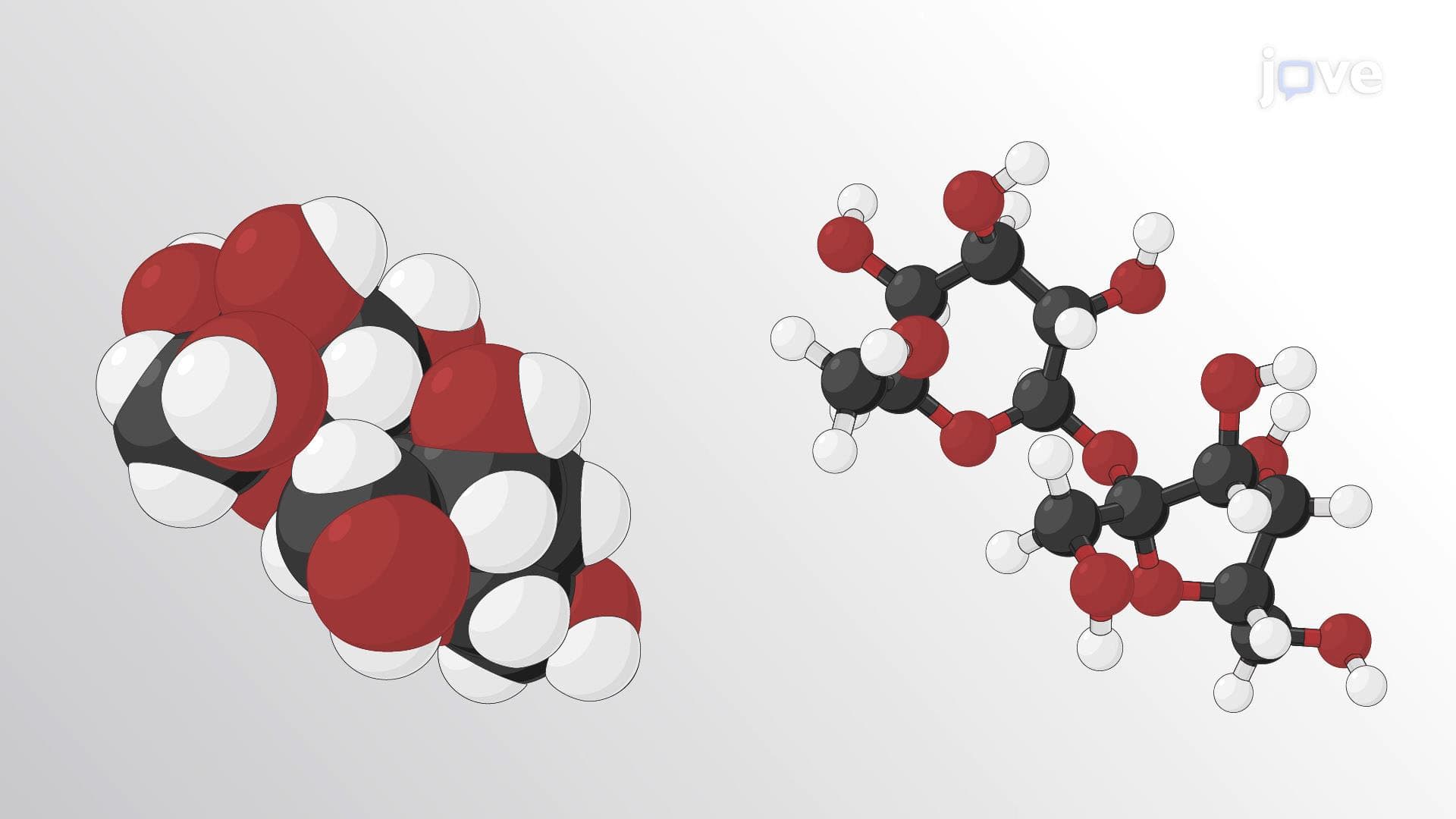
While empirical formulas show the simplest ratio, molecular formulas reveal the actual number of atoms in a molecule. This distinction proves crucial for compounds like glucose (molecular formula C6H12O6) versus formaldehyde (CH2O), which share the same empirical formula but have vastly different properties and applications.
Students preparing for AP Chemistry exams frequently encounter these calculations, as they test both mathematical skills and conceptual understanding. The College Board emphasizes this topic because it demonstrates how experimental chemistry connects to theoretical models, a key theme throughout advanced placement coursework.
Related Micro-courses