Loading subject page…


629,318 views

Video Summary: Molecular Compounds Formulas and Nomenclature Tutorial
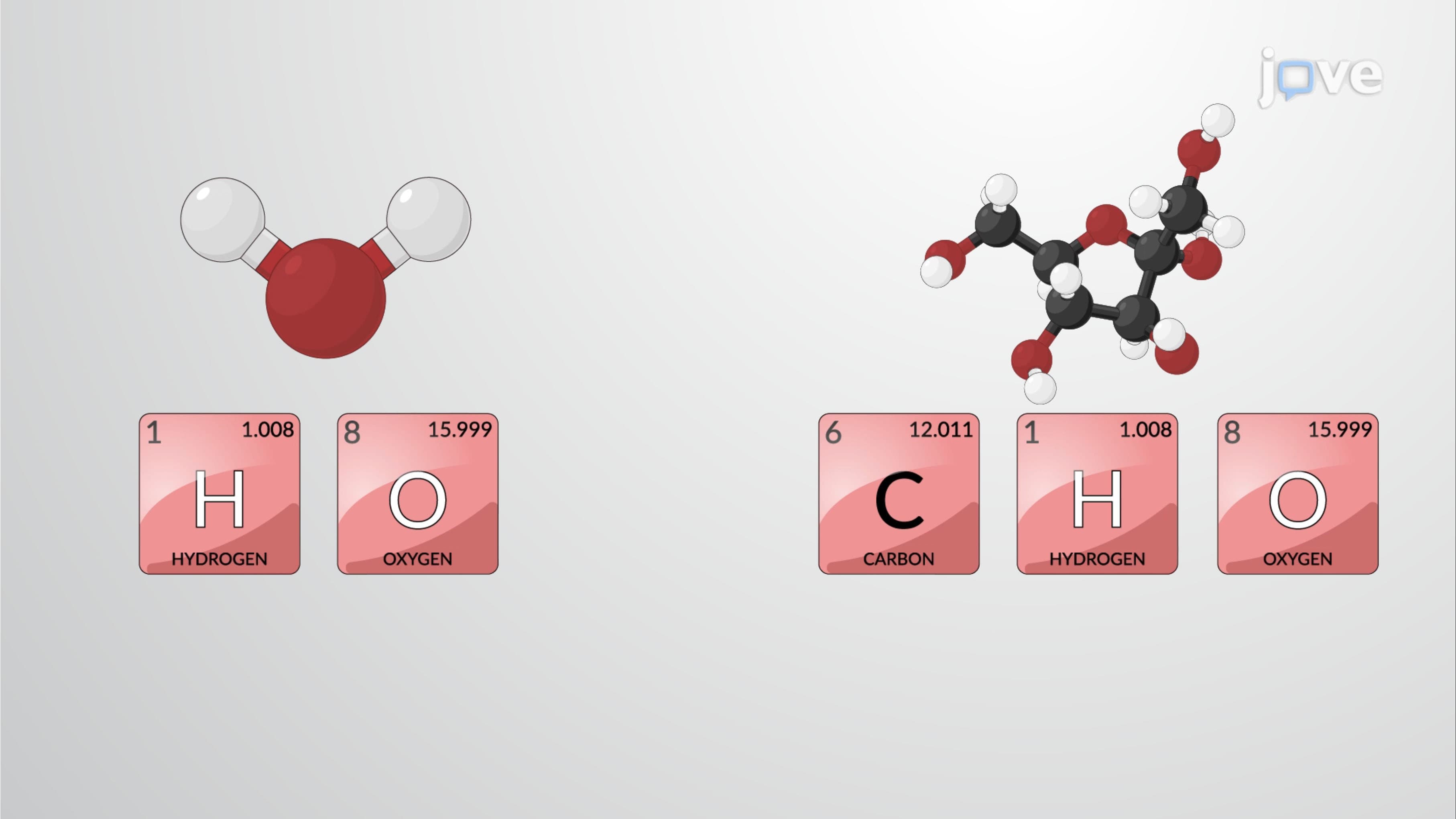
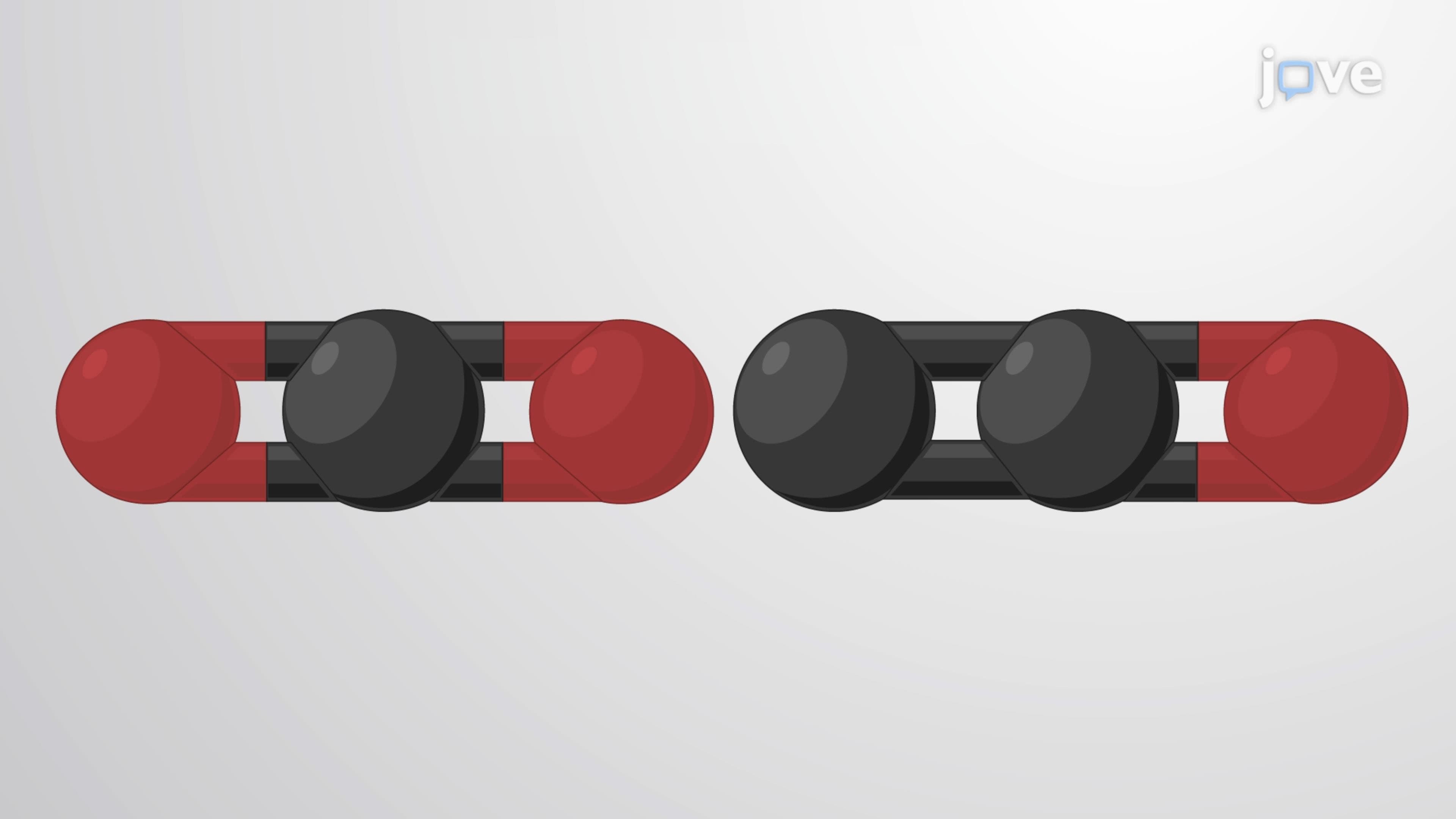
Did you know that carbon and oxygen can form two completely different compounds just by changing the number of atoms? Molecular compounds formulas and nomenclature follows systematic rules that help chemists distinguish between carbon dioxide (CO2) in soda and carbon monoxide (CO) from car exhaust. Binary molecular compounds use Greek prefixes like "mono-" and "di-" to indicate atom quantities, while acids follow special naming conventions based on their composition. Watch the full video on JoVE Coach to master this concept with expert-led visuals and step-by-step explanations.
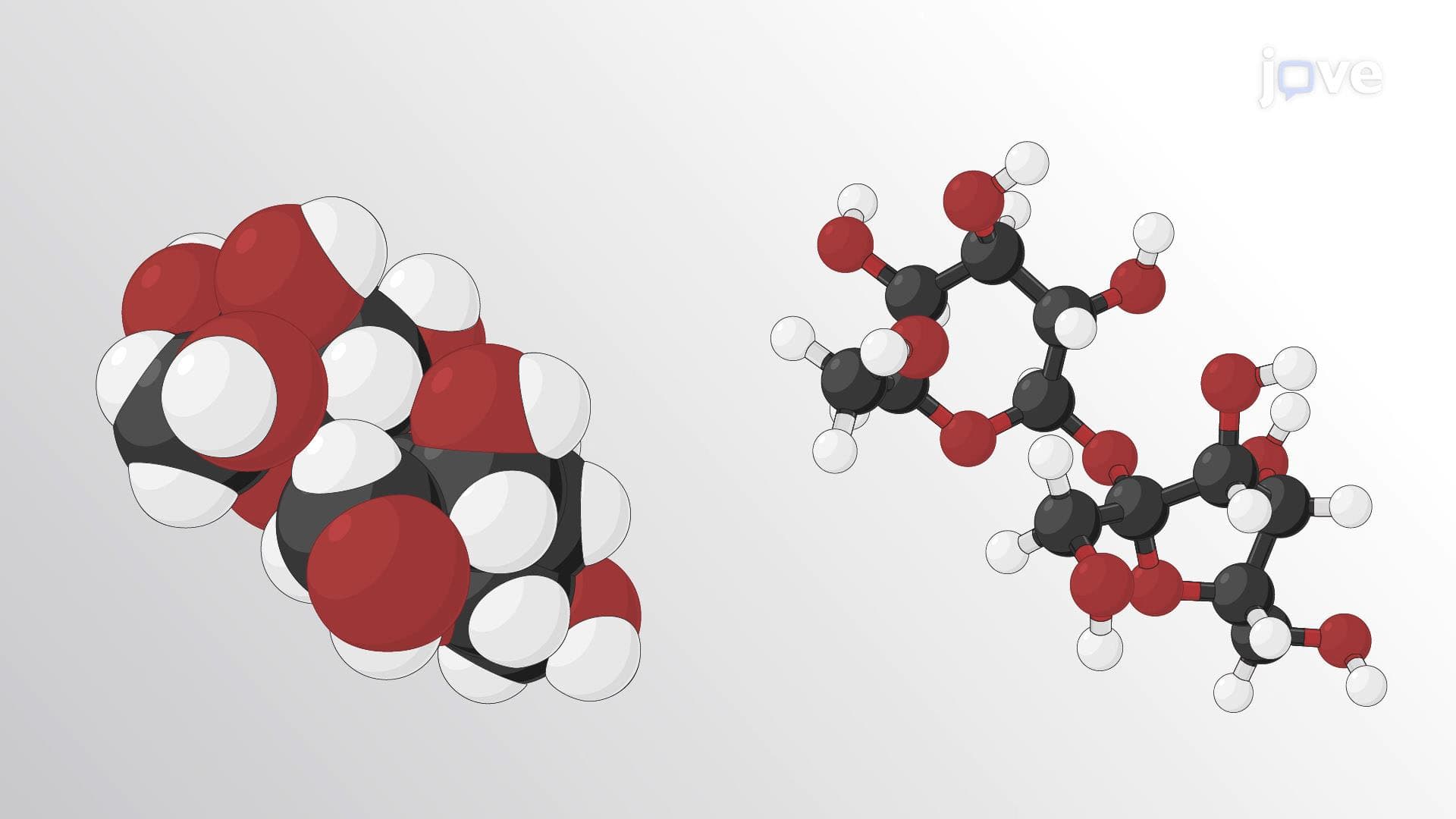
Molecular compounds represent a cornerstone of chemistry education, appearing prominently in AP Chemistry curricula and college general chemistry courses. Unlike ionic compounds, molecular compounds form through covalent bonds between nonmetallic elements, creating discrete molecules with specific atom ratios. The systematic approach to molecular compounds formulas and nomenclature ensures universal communication among scientists worldwide.
The foundation of molecular compounds formulas and nomenclature step by step begins with element ordering. The more metal-like element (positioned left and lower on the periodic table) appears first in both formula and name. For example, in nitrogen dioxide (NO2), nitrogen precedes oxygen because it's more metal-like. Greek prefixes indicate atom quantities: mono- (1), di- (2), tri- (3), tetra- (4), penta- (5), hexa- (6), hepta- (7), octa- (8), nona- (9), and deca- (10). The prefix "mono-" is typically omitted for the first element but included for the second when necessary.
Consider phosphorus compounds used in fertilizers across American agriculture. Phosphorus pentoxide (P2O5) contains two phosphorus atoms and five oxygen atoms. The name reflects the empirical formula's atom ratios, not the actual molecular formula. This distinction becomes crucial in SAT Subject Tests and MCAT preparation.
Molecular compounds formulas and nomenclature example scenarios frequently involve acids, particularly in pharmaceutical and environmental applications. Binary acids, containing only hydrogen and one nonmetal, follow the "hydro-[nonmetal base name]-ic acid" pattern. Hydrochloric acid (HCl), used in stomach digestion and industrial processes, exemplifies this system.
Oxyacids present more complex nomenclature challenges. These compounds contain hydrogen, a nonmetal, and oxygen. The oxyanion's suffix determines the acid name: -ate oxyanions produce -ic acids, while -ite oxyanions produce -ous acids. Sulfuric acid (H2SO4), essential in battery manufacturing and petroleum refining, derives from the sulfate ion (SO4^2-). Sulfurous acid (H2SO3), used in food preservation, comes from the sulfite ion (SO3^2-).
Understanding molecular compounds formulas and nomenclature concept proves essential for pre-med students tackling MCAT chemistry sections. College chemistry midterms frequently test systematic naming through structural formula interpretation. Students encounter these principles in organic chemistry when naming complex molecules containing multiple functional groups.
Real-world applications abound in pharmaceutical development, where precise nomenclature prevents dangerous medication errors. The FDA requires systematic names for all approved drugs, ensuring healthcare providers worldwide understand molecular compositions. Environmental chemistry also relies heavily on accurate molecular compound identification for pollution monitoring and remediation efforts.
Related Micro-courses