Loading subject page…

- Chemistry
- Molecules, Compounds, and Chemical Equations
- Classification of Elements and Compounds
Micro-course: Molecules, Compounds, and Chemical Equations
629,318 views
Learn key concepts and earn your certificate.




Classification of Elements and Compounds

00:00
02:54
Video Summary: What are Elements and Compounds Classification
Ever wonder why table salt dissolves in water while oil doesn't, or why helium balloons float while hydrogen can explode? The answer lies in elements and compounds classification, the fundamental way matter organizes itself in nature. From the neon in Las Vegas signs to the sodium chloride preserving your favorite snacks, understanding What are Elements And Compounds Classification reveals how atoms combine to create everything around us. Watch the full video on JoVE Coach to master this concept with expert-led visuals and step-by-step explanations.
- Understand the fundamental principles behind What are Elements And Compounds Classification and how pure substances are categorized in chemistry
- Identify the four main categories: atomic elements, molecular elements, molecular compounds, and ionic compounds based on their structural characteristics
- Analyze the difference between covalent bonding in molecular compounds and ionic bonding in ionic compounds using electron behavior
- Compare atomic elements like noble gases with molecular elements such as diatomic oxygen and polyatomic sulfur
- Evaluate how metallic and nonmetallic elements combine differently to form either molecular or ionic compounds
- Recognize polyatomic ions and their role in creating complex ionic compounds like sodium acetate
- Apply formula unit concepts to determine the basic repeating units in ionic lattice structures
- Explore real-world examples of each classification type and their practical applications in everyday materials
Understanding Elements and Compounds Classification Framework
Elements and compounds classification serves as chemistry's organizational system, dividing all pure substances into distinct categories based on their atomic composition and bonding patterns. This classification system is essential for predicting chemical behavior, understanding material properties, and solving problems on standardized tests like the AP Chemistry exam and college placement tests.
Atomic vs. Molecular Elements: Single Atoms vs. Bonded Clusters
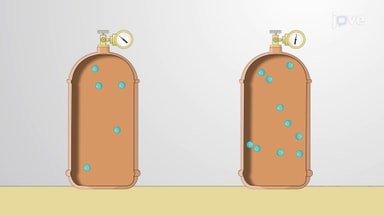
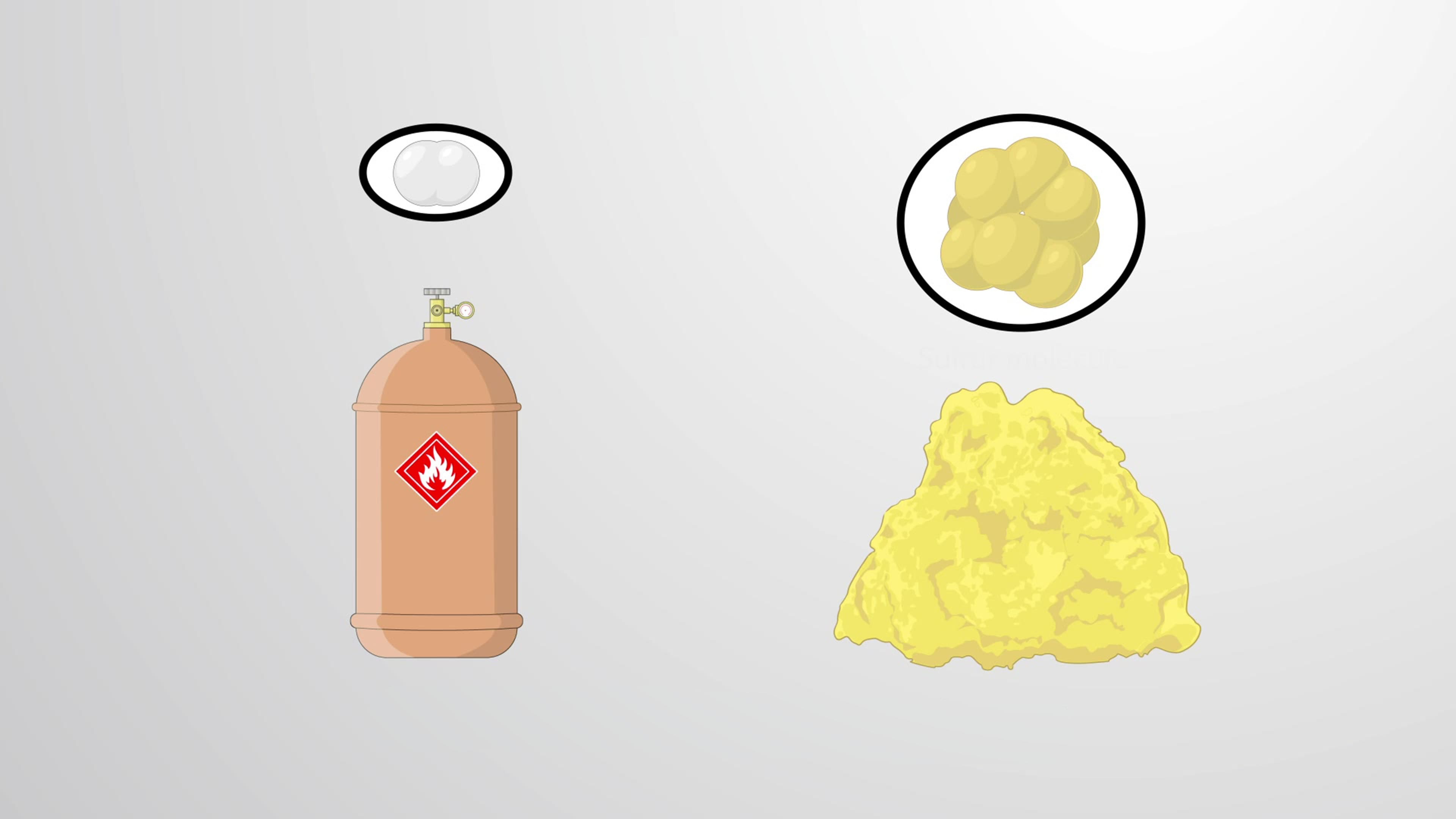
Elements exist in two primary forms depending on their stability as individual atoms. Atomic elements, also called monatomic elements, include the noble gases like helium in party balloons, neon in advertising signs, and argon used in welding applications. These elements achieve stability as single atoms due to their complete electron shells, requiring no additional bonding.
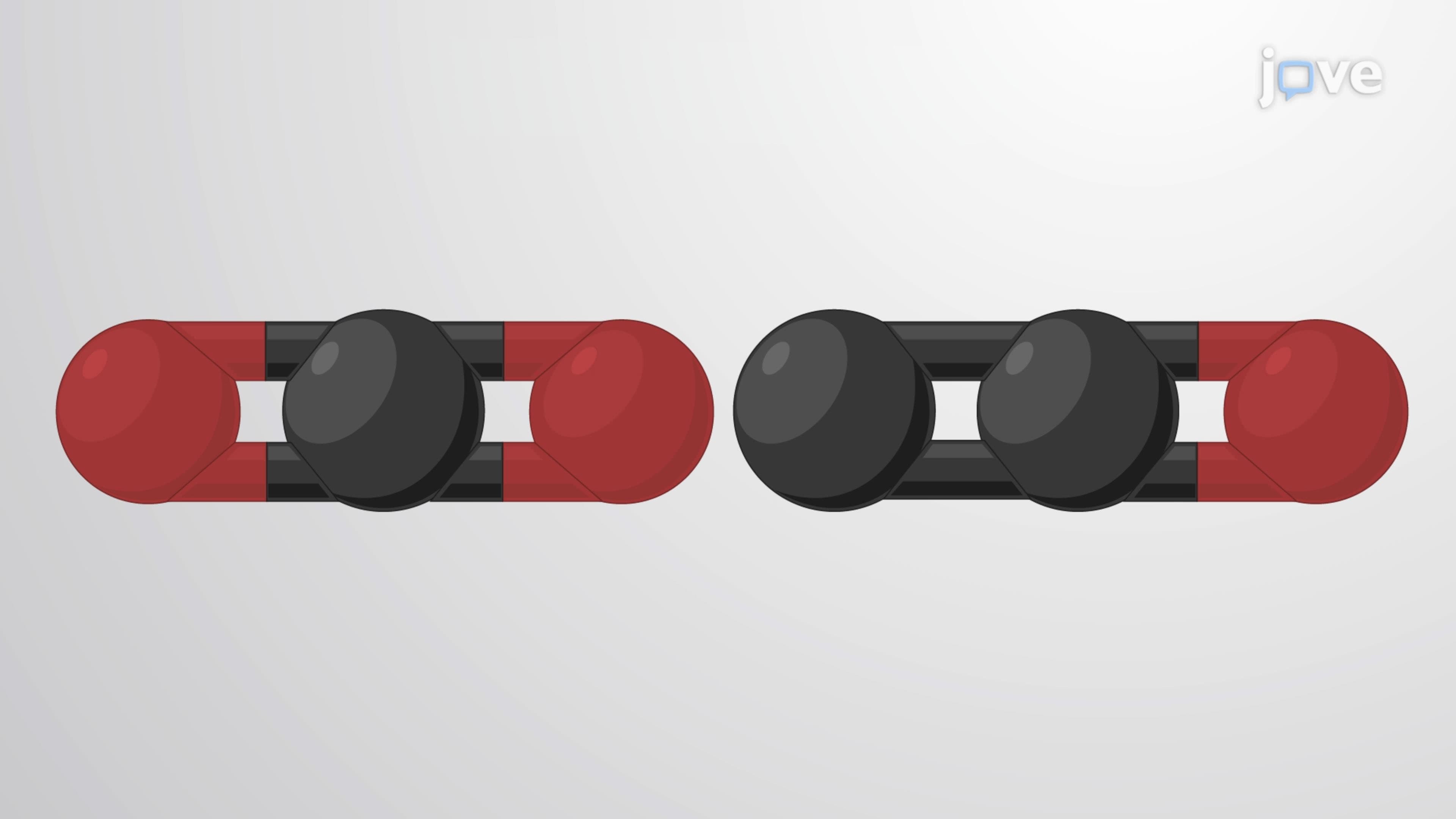
In contrast, molecular elements form when atoms of the same element bond together for stability. The most familiar examples include diatomic molecules like oxygen (O2) in our atmosphere and chlorine (Cl2) used in swimming pool disinfection. Some elements form larger molecular structures, such as sulfur's eight-atom ring (S8) found in industrial applications and phosphorus's tetrahedral P4 molecules.
Molecular Compounds: Covalent Sharing Between Nonmetals
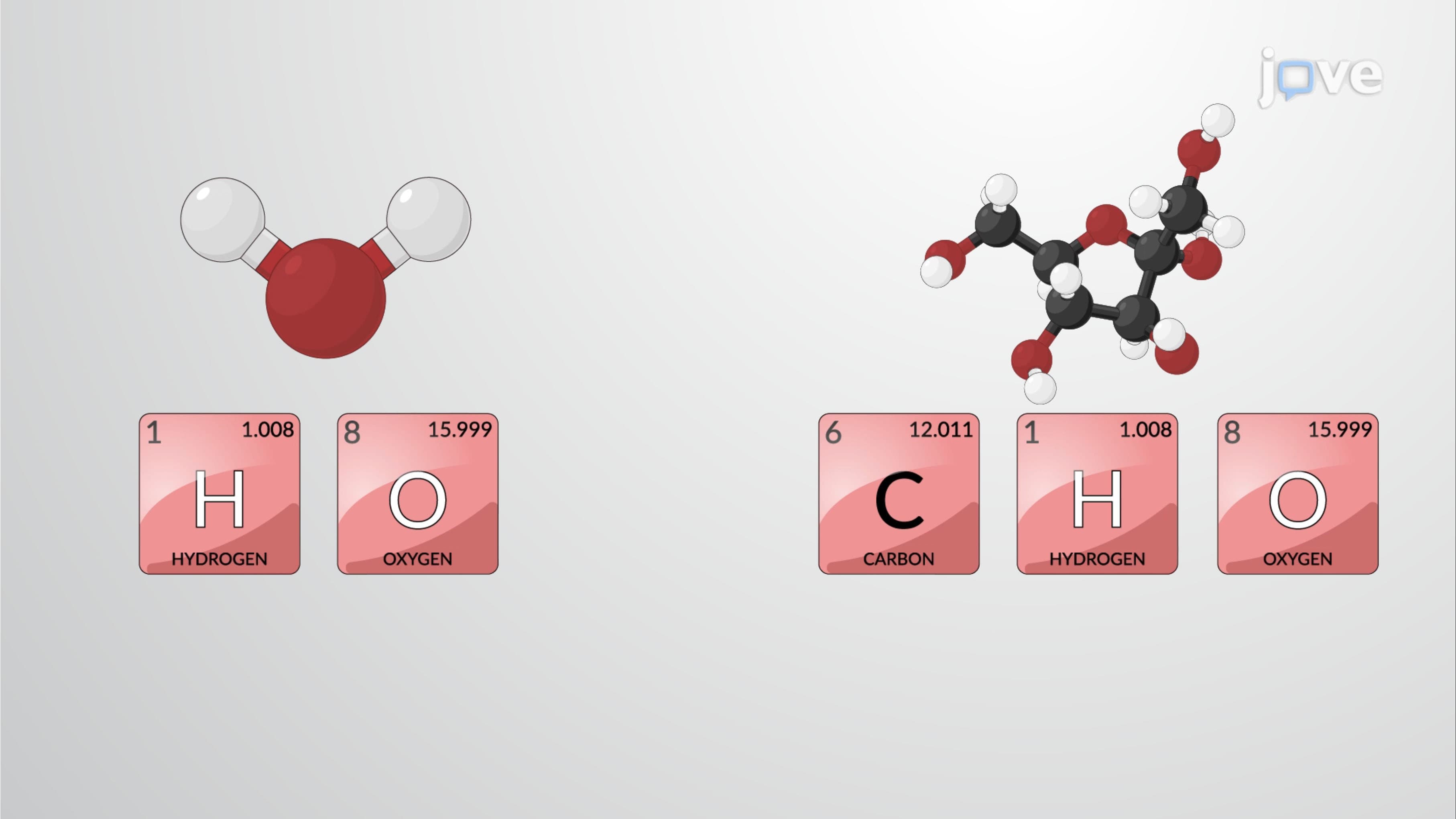
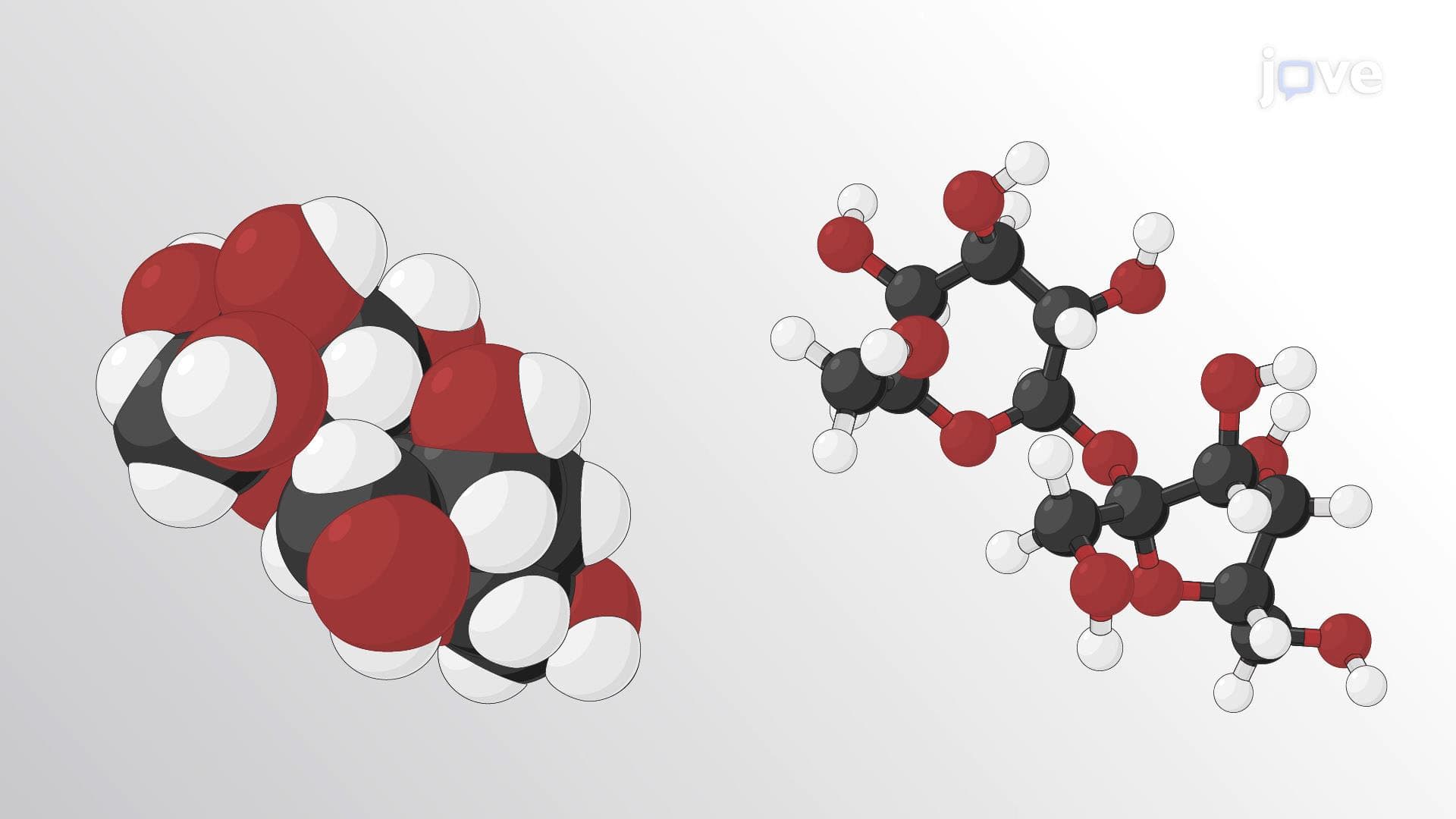
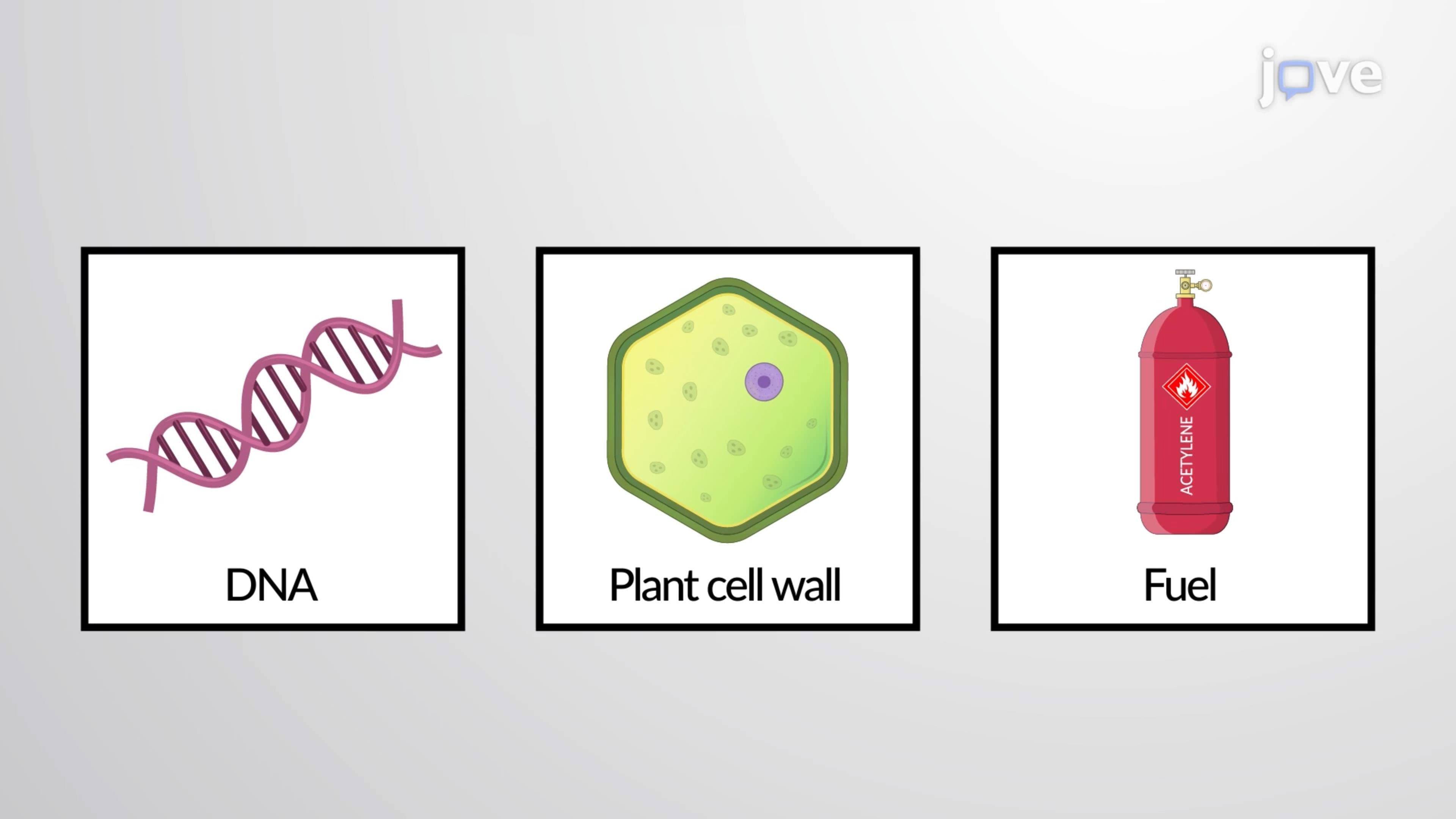
Molecular compounds form when two or more different nonmetallic elements share valence electrons through covalent bonds. This electron sharing creates discrete molecules with predictable formulas and properties. Common examples include water (H2O) in municipal treatment plants, carbon dioxide (CO2) in beverage carbonation, and ethanol (C2H6O) in pharmaceutical and fuel industries.
These compounds dominate organic chemistry and appear frequently on MCAT questions testing bonding concepts. Students preparing for college chemistry courses should focus on understanding how electronegativity differences influence molecular polarity and subsequent physical properties.
Ionic Compounds: Electron Transfer and Lattice Formation
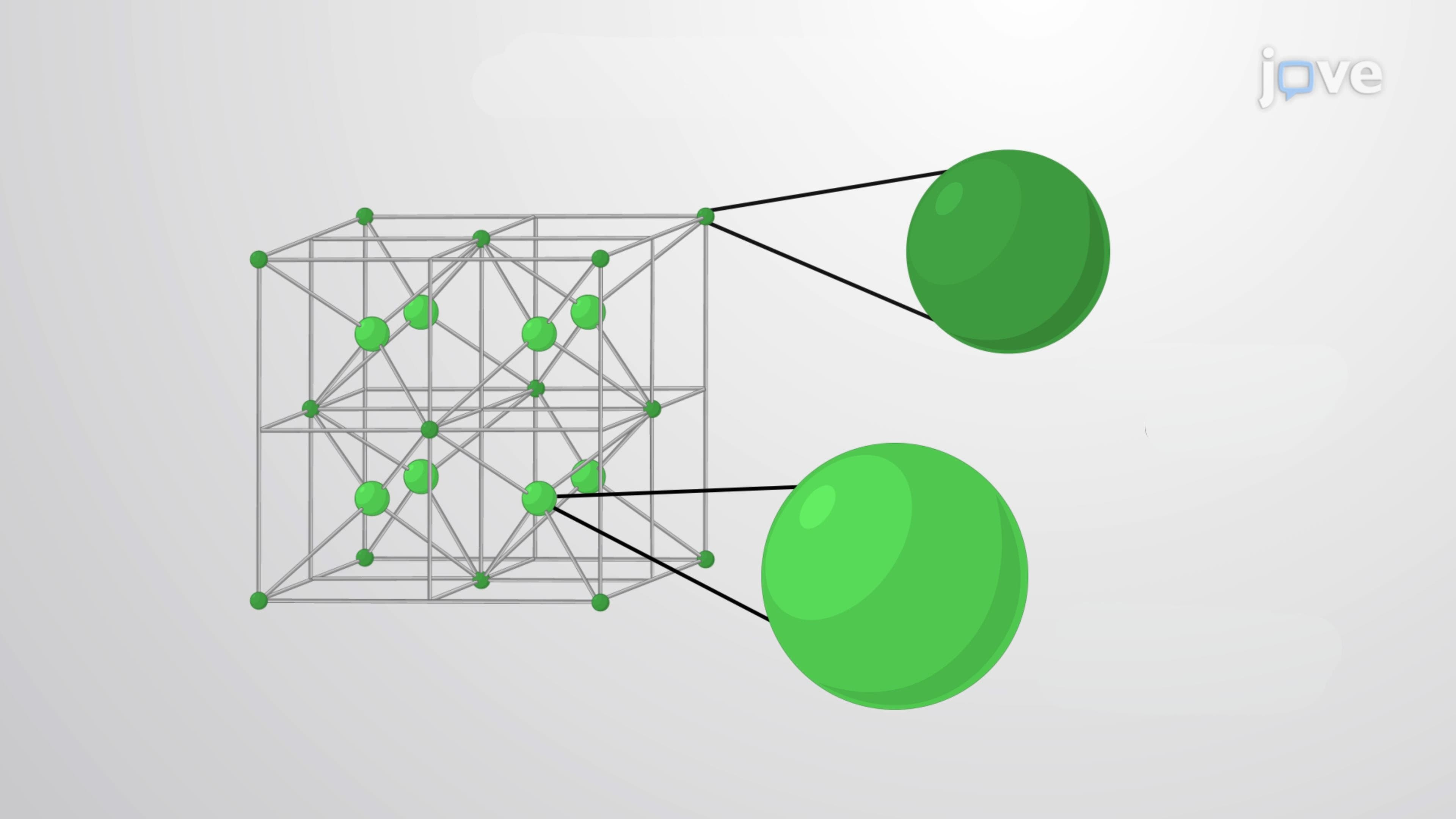
Ionic compounds result from electron transfer between metallic and nonmetallic elements, creating charged ions that arrange in ordered three-dimensional structures. The classic example, sodium chloride (NaCl), demonstrates how sodium atoms lose electrons to become Na+ cations while chlorine atoms gain electrons to form Cl- anions.
Modern ionic compounds often contain polyatomic ions, groups of covalently bonded atoms carrying net charges. Examples include calcium carbonate (CaCO3) in antacid tablets, ammonium nitrate (NH4NO3) in agricultural fertilizers, and sodium phosphate (Na3PO4) in cleaning products. Understanding formula units becomes crucial for stoichiometry calculations on standardized tests and college examinations.
Frequently Asked Questions
Elements and compounds classification is the systematic organization of pure substances based on their atomic composition and bonding patterns. This framework helps predict chemical behavior, understand material properties, and solve complex chemistry problems by categorizing matter into atomic elements, molecular elements, molecular compounds, and ionic compounds.
AP Chemistry exams frequently include multiple-choice questions asking students to identify compound types based on formulas or properties, and free-response questions requiring explanations of bonding differences. Students must distinguish between ionic and molecular compounds, predict solubility patterns, and explain conductivity differences using classification principles.
MCAT chemistry sections test classification through passage-based questions about biological molecules, pharmaceutical compounds, and metabolic processes. Expect questions comparing ionic versus covalent bonding in biomolecules, identifying functional groups in organic compounds, and explaining how molecular structure affects biological activity.
Pharmaceutical scientists use classification principles to design drug delivery systems, predict medication solubility, and understand how ionic versus molecular compounds interact with biological membranes. For example, ionic compounds like sodium chloride dissolve readily in blood plasma, while molecular compounds may require special formulations for proper absorption.
No advanced mathematics is required for basic classification concepts. Students need only fundamental algebra skills for stoichiometry calculations and the ability to balance chemical equations. The focus remains on understanding atomic structure, electron behavior, and bonding patterns rather than complex mathematical derivations.
Create visual classification charts organizing examples into the four main categories, then practice with flashcards featuring real-world compounds. Focus on recognizing patterns: metals with nonmetals typically form ionic compounds, while nonmetals with nonmetals usually create molecular compounds. Regular practice with mixed problem sets reinforces pattern recognition.
Build upon classification knowledge by exploring chemical bonding theory, including VSEPR geometry, molecular polarity, and intermolecular forces. These concepts explain why different compound types exhibit distinct physical properties and chemical behaviors, forming the foundation for organic chemistry and biochemistry courses.
College exams often present complex scenarios requiring students to classify unknown compounds, predict properties based on structure, and explain bonding differences using electron configurations. Expect short-answer questions demanding detailed explanations of ionic lattice formation and molecular geometry relationships.
Related Micro-courses