Loading subject page…


629,319 views

Video Summary: What are Molecular Models
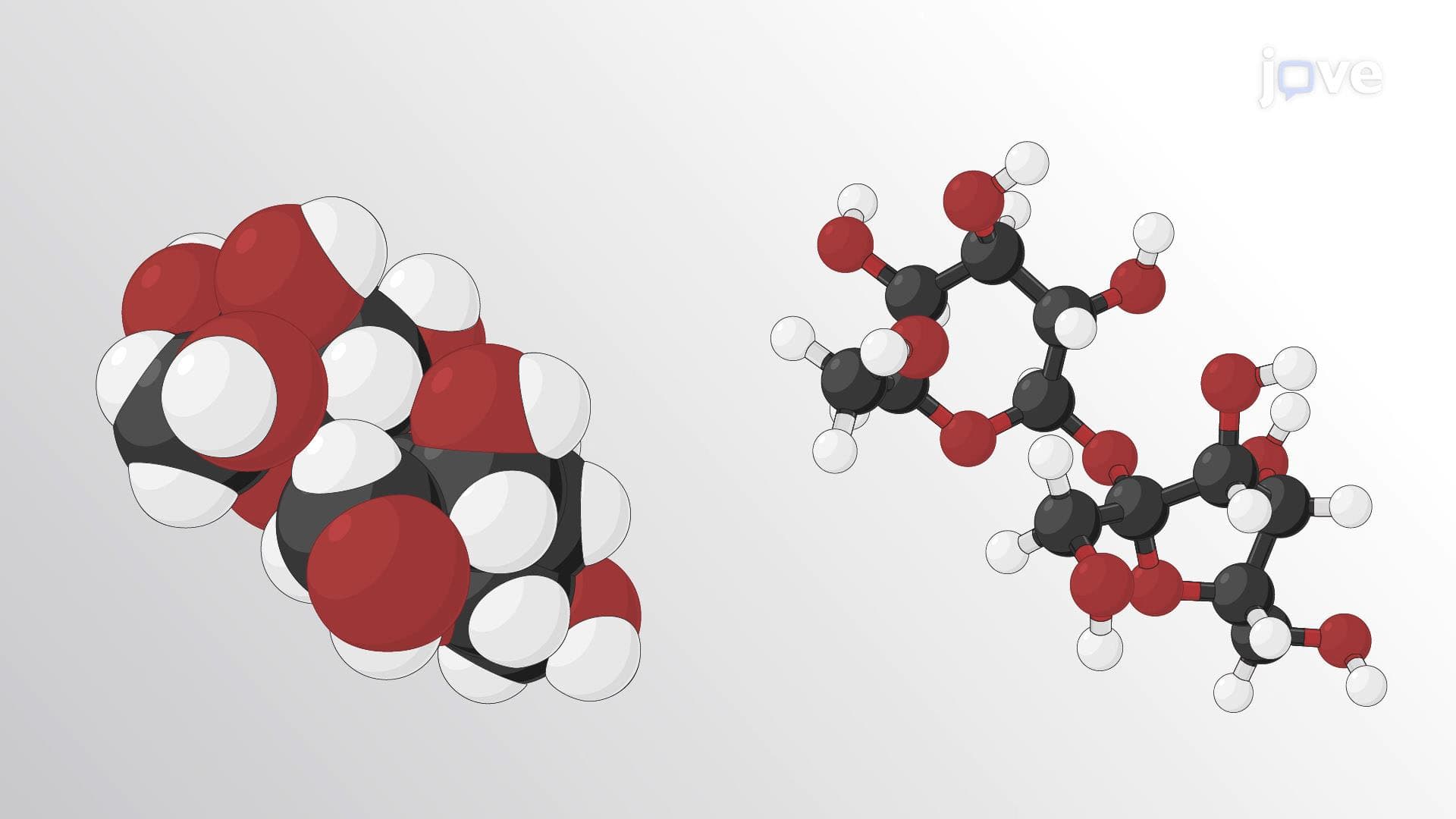
Ever wondered how scientists visualize molecules too small to see with the naked eye? Molecular models serve as essential three-dimensional representations that help chemists and students understand the intricate architecture of chemical compounds. From designing life-saving pharmaceuticals at companies like Pfizer to teaching organic chemistry at Stanford University, these visualization tools bridge the gap between abstract molecular theory and tangible understanding. What are molecular models becomes clearer when you explore the two primary types: ball-and-stick models that emphasize bonding patterns, and space-filling models that showcase atomic size relationships. Watch the full video on JoVE Coach to master this concept with expert-led visuals and step-by-step explanations.
Molecular models represent one of chemistry's most powerful visualization tools, transforming abstract chemical formulas into comprehensible three-dimensional structures. These representations serve as bridges between the microscopic world of atoms and molecules and our macroscopic understanding, making complex chemical concepts accessible to students and researchers alike.
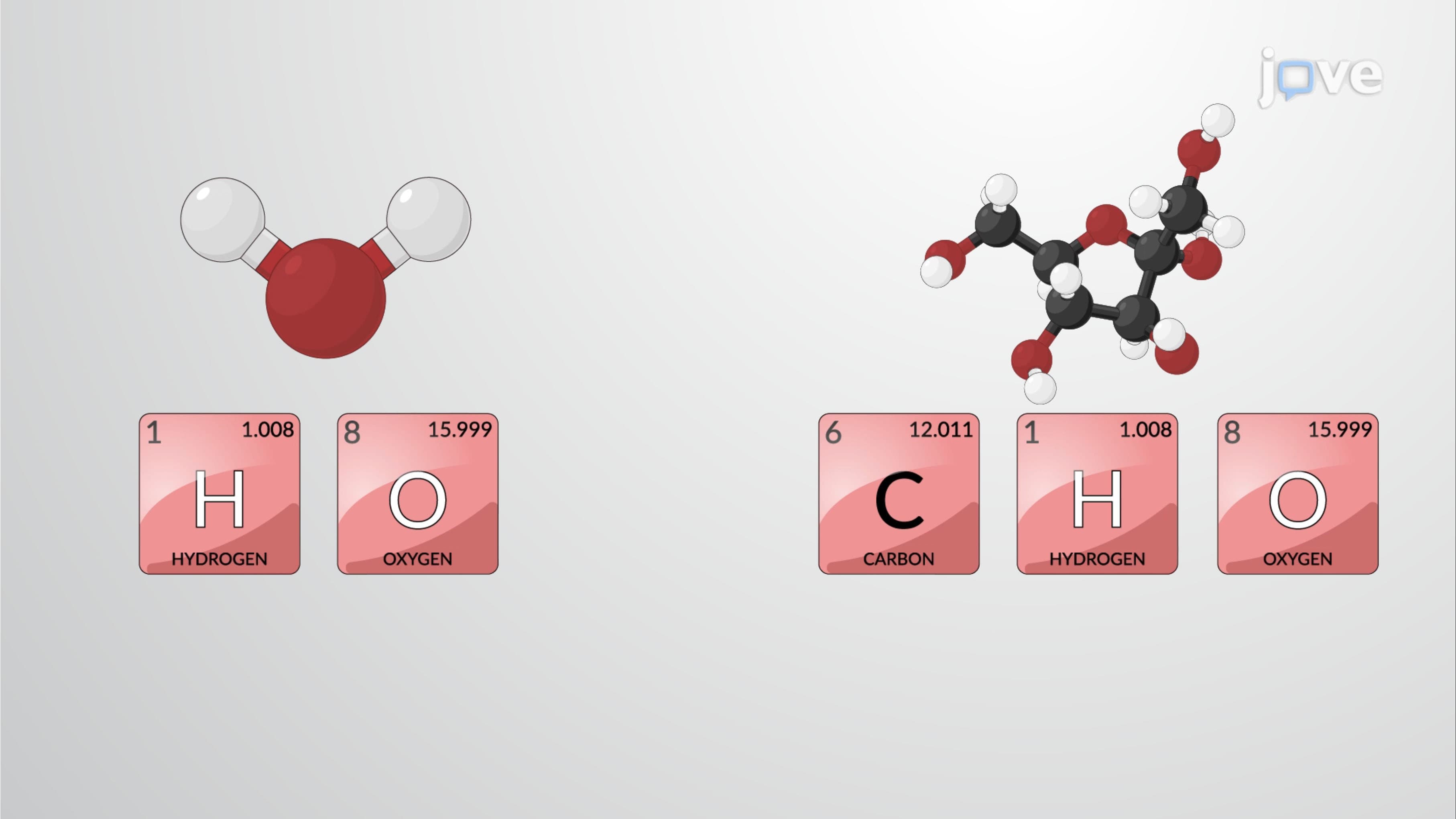
Ball-and-stick models excel at illustrating molecular geometry and bonding relationships. In these representations, atoms appear as spheres connected by rods that represent chemical bonds. The rod angles precisely match actual bond angles found in molecules, making these models invaluable for understanding concepts like tetrahedral geometry in methane or the bent structure of water molecules.
These models prove particularly effective for AP Chemistry students learning VSEPR theory, as they clearly demonstrate how electron pair repulsion creates specific molecular shapes. The proportional distances between atomic centers reflect actual internuclear distances, providing accurate spatial relationships crucial for understanding molecular polarity and intermolecular forces.
Space-filling models prioritize atomic size relationships over bonding visualization. These representations use full-sized spheres proportional to actual atomic radii, creating realistic depictions of molecular surfaces and volumes. While chemical bonds become obscured, students gain invaluable insights into molecular crowding, steric hindrance, and surface accessibility.
Pharmaceutical researchers at companies like Merck extensively use space-filling models to understand how drug molecules interact with protein binding sites. For college organic chemistry students, these models illuminate why certain chemical reactions occur preferentially from specific molecular faces or why some conformations are more stable than others.
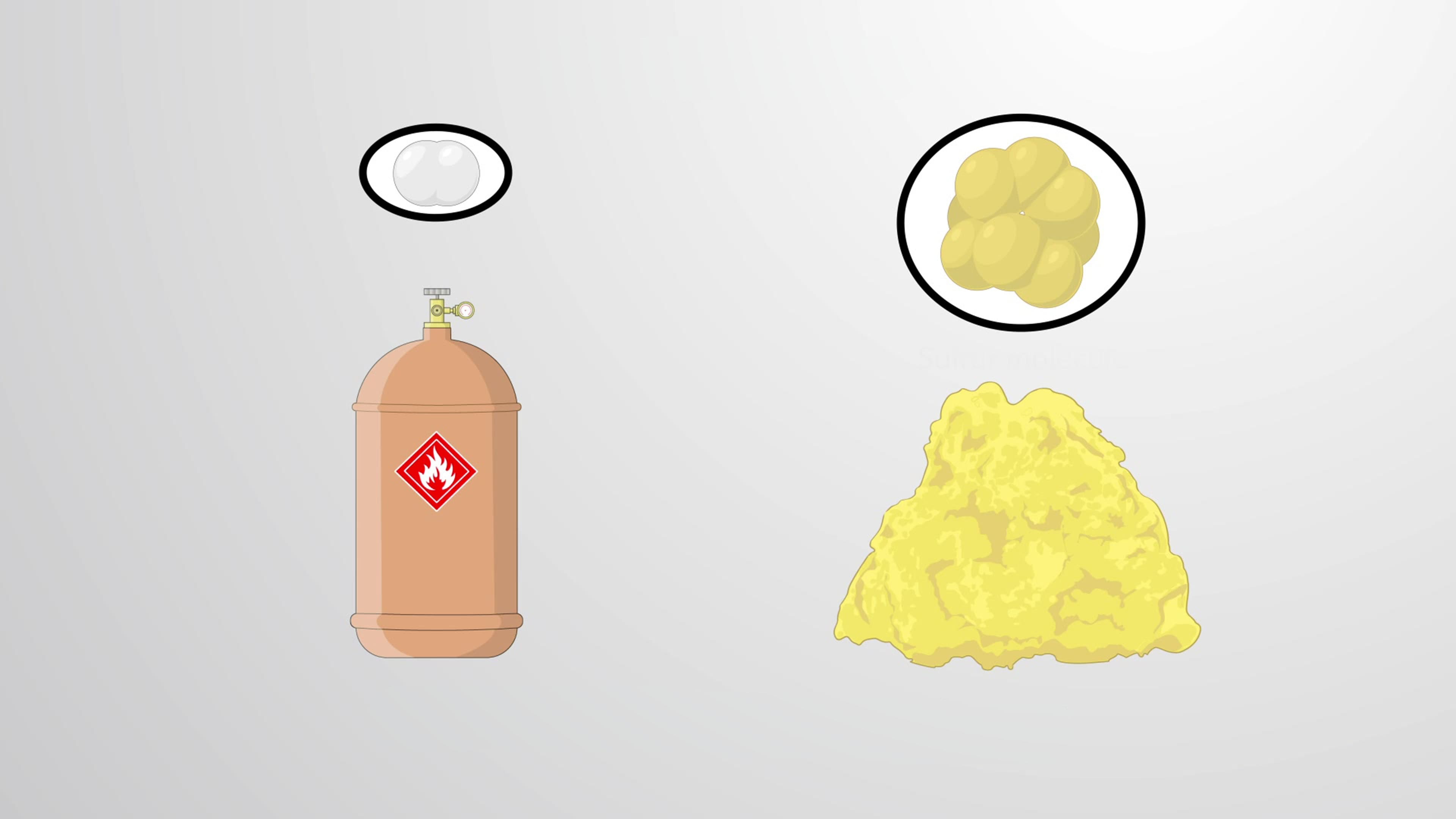
The CPK (Corey-Pauling-Koltun) coloring convention provides universal standardization across molecular models. Hydrogen atoms appear white, carbon black, oxygen red, nitrogen blue, and sulfur yellow. This standardization ensures consistency whether students examine physical models in their high school chemistry lab or analyze computer-generated structures in advanced biochemistry courses.
Modern computational chemistry has revolutionized molecular modeling, with software like ChemSketch and Avogadro allowing students to manipulate virtual molecules. These digital tools appear frequently on MCAT practice exams, where test-takers must interpret molecular structures to answer questions about chemical properties and biological functions.
Related Micro-courses