Loading subject page…


629,322 views

Video Summary: What are Molecules and Compounds
Did you know that the water you drink and the sugar in your morning coffee share a fundamental chemical secret? Molecules and compounds form the building blocks of everything around us, from the sodium chloride in table salt to the complex proteins in our cells. Understanding what are molecules and compounds reveals how just 118 elements can create millions of different substances through chemical bonding. For instance, simple water molecules power everything from photosynthesis in California redwoods to the cooling systems in nuclear power plants. Watch the full video on JoVE Coach to master this concept with expert-led visuals and step-by-step explanations.
Molecules and compounds represent two interconnected concepts that explain how matter organizes itself beyond individual atoms. While all compounds are molecules, not all molecules qualify as compounds-this distinction forms a crucial foundation for chemistry success.
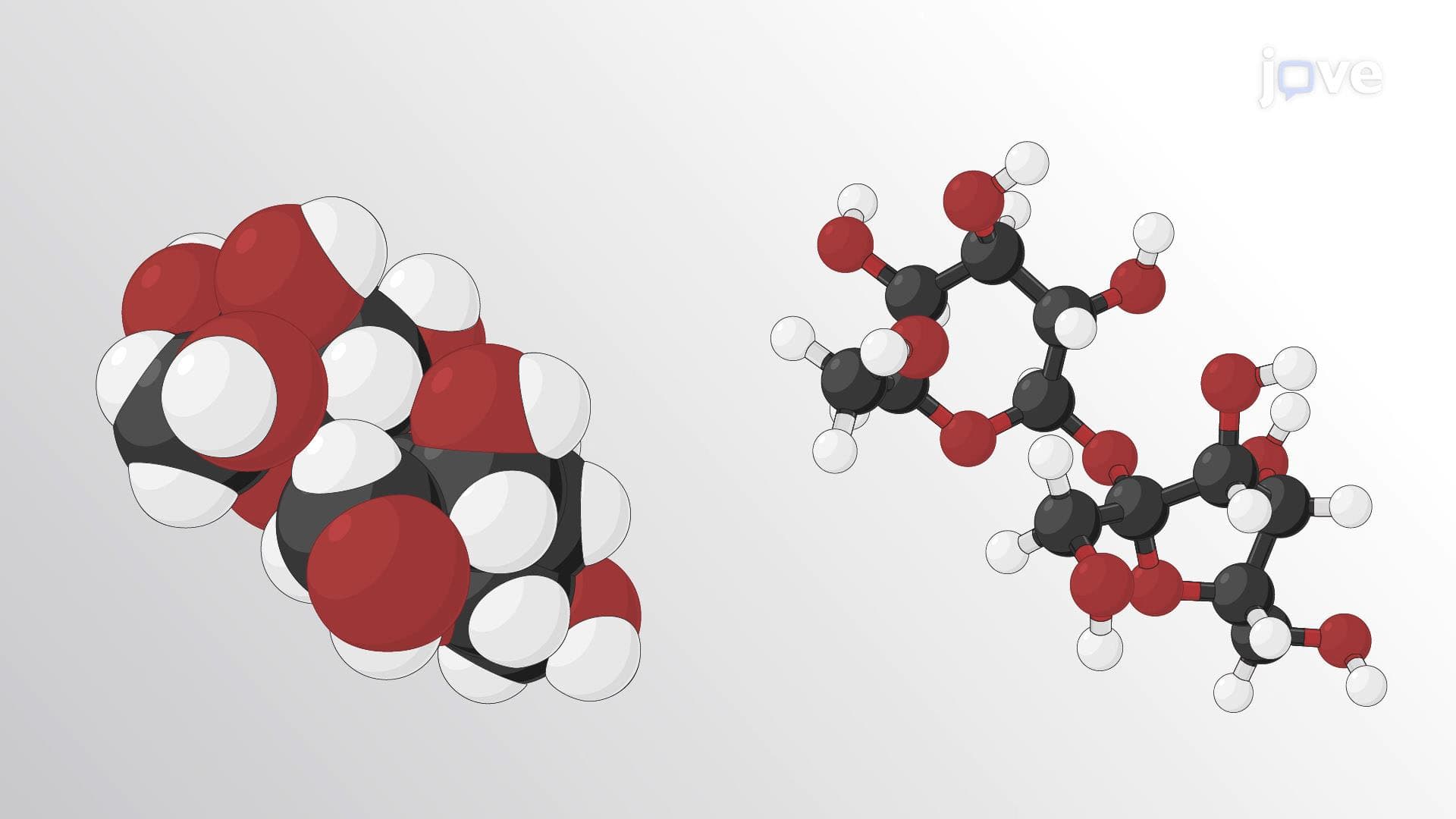
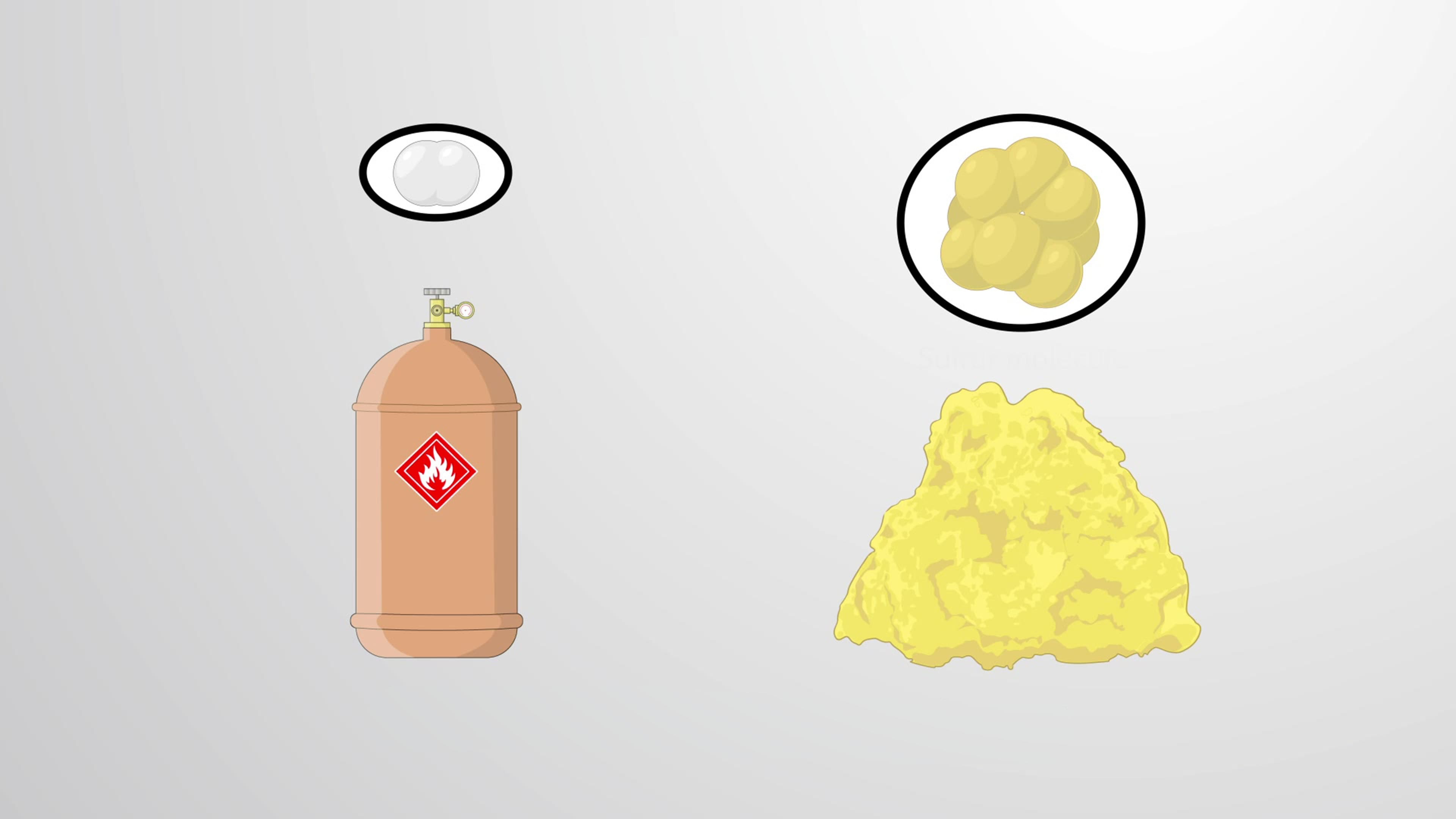
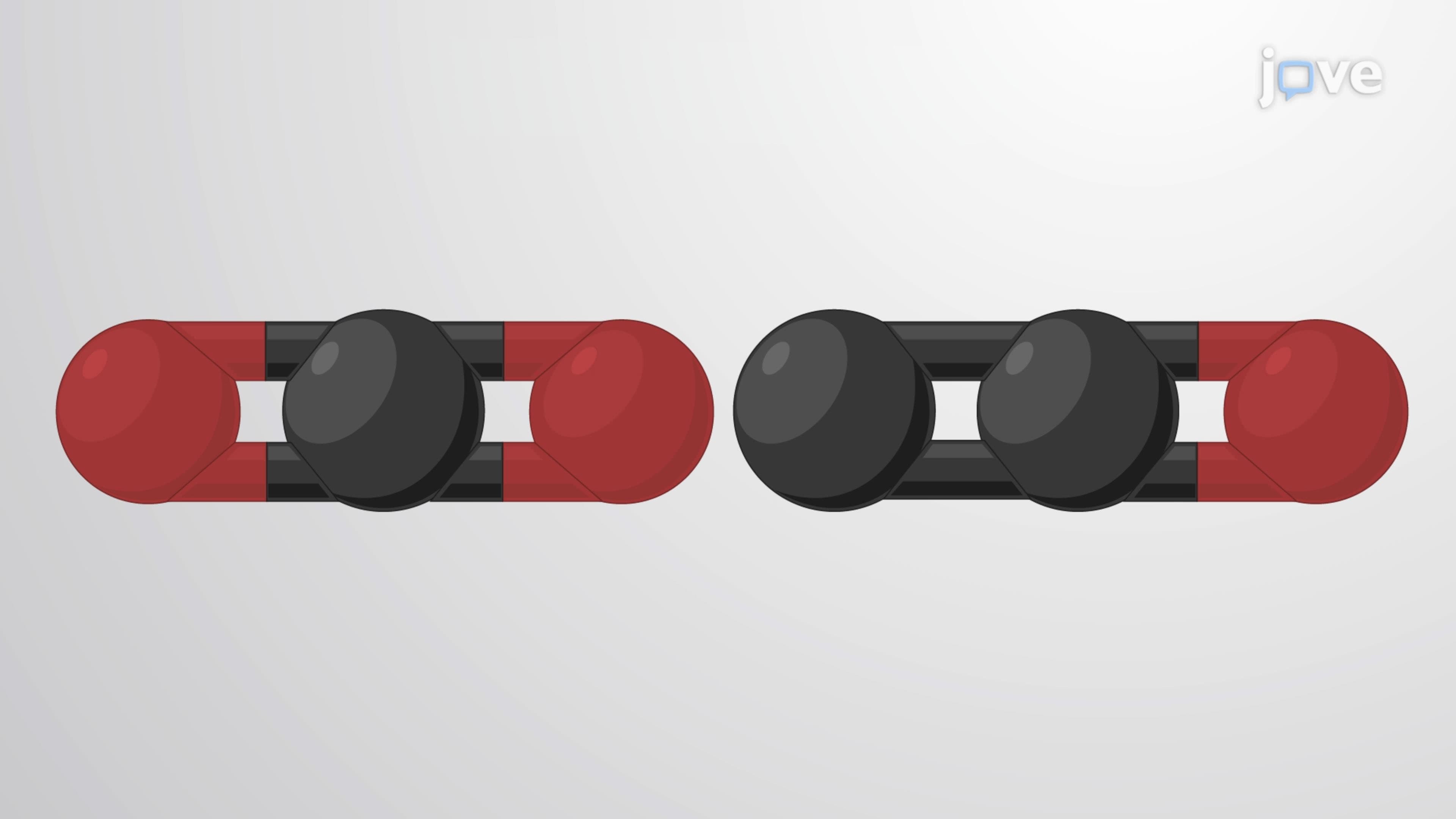
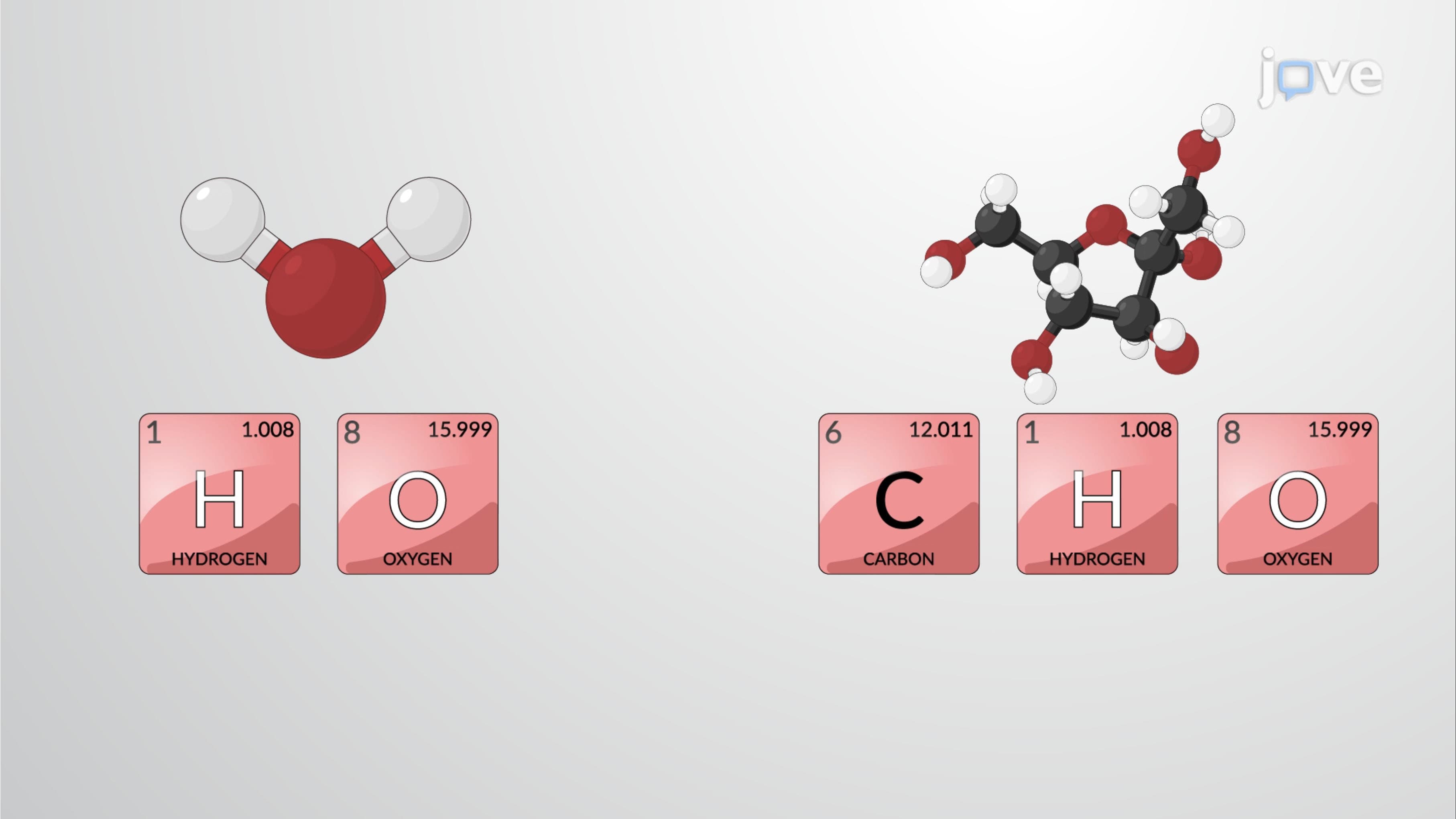
A molecule forms when two or more atoms bond together through chemical forces. These atoms can be identical (like O₂ oxygen gas) or different (like H₂O water). The key requirement is that atoms must be chemically bonded, not just physically mixed. Think of molecules as atomic "partnerships" where electrons are either shared or transferred to create stable arrangements.
Types of molecules and compounds fall into two major categories based on their bonding mechanisms. Covalent (molecular) compounds form when nonmetal atoms share electrons. Water exemplifies this perfectly-each hydrogen atom shares its single electron with oxygen, creating stable H₂O molecules. These compounds typically exist as discrete molecular units and often have lower melting points.
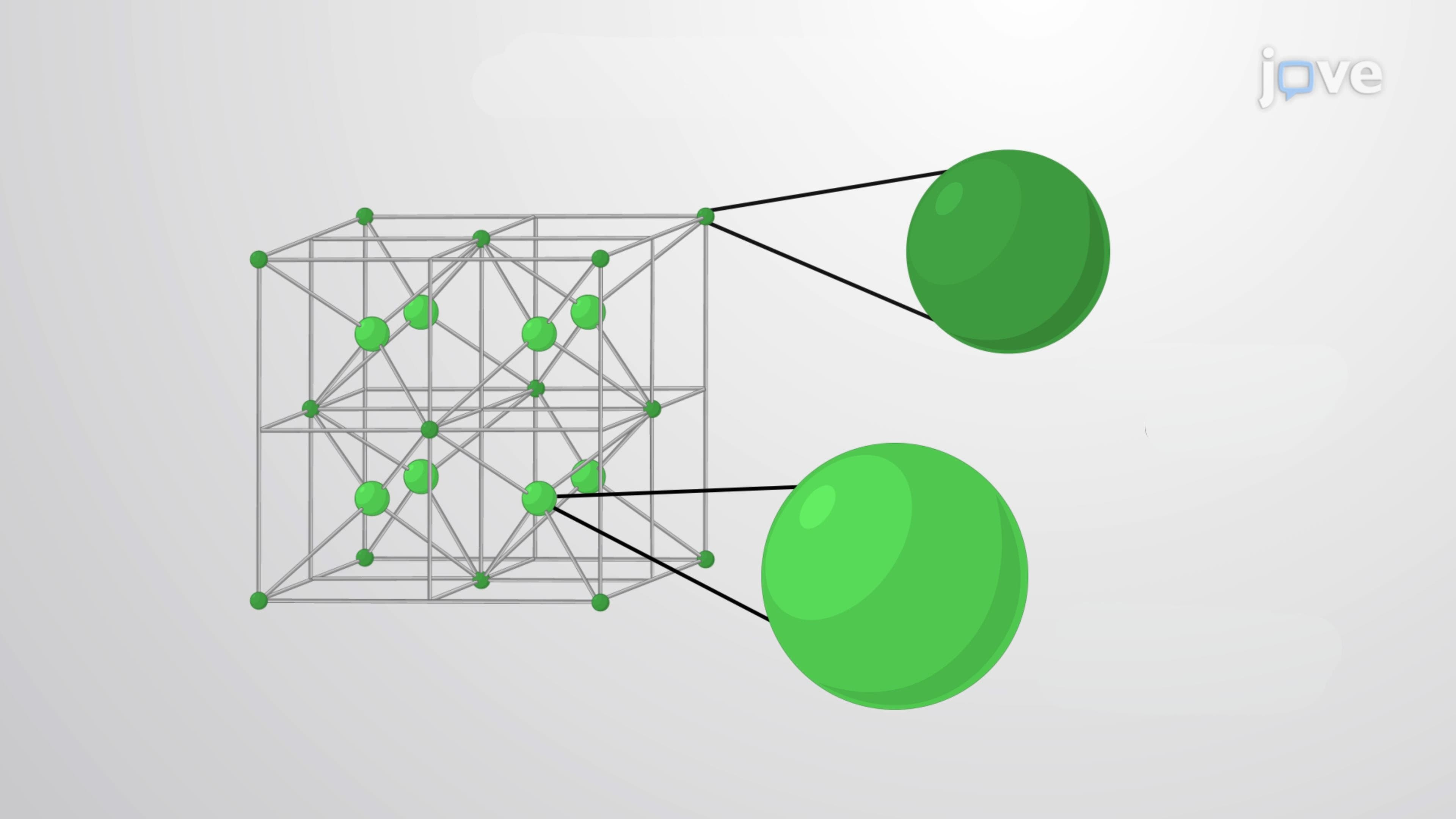
Ionic compounds develop when metals transfer electrons to nonmetals. Sodium chloride demonstrates this process: sodium atoms lose electrons (becoming Na⁺ cations) while chlorine atoms gain electrons (becoming Cl⁻ anions). The resulting electrostatic attraction creates a crystalline lattice structure, not individual molecules.
Understanding molecules and compounds basics proves essential for AP Chemistry, SAT Subject Tests, and college-level coursework. Students encounter these concepts in stoichiometry problems, where knowing that water contains a 2:1 hydrogen-to-oxygen ratio enables accurate calculations.
In practical terms, this knowledge explains everyday phenomena. Pharmaceutical companies design drug molecules by manipulating atomic arrangements to achieve specific biological effects. The FDA's drug approval process relies heavily on understanding how molecular structure influences compound behavior in human systems.
The molecules and compounds concept extends into advanced topics like intermolecular forces, which explain why ionic compounds like salt dissolve easily in water while molecular compounds like oil do not. This principle underlies everything from industrial separation processes to biological membrane function.
For standardized test success, focus on recognizing compound types from chemical formulas and predicting properties based on bonding patterns. MCAT questions frequently test these relationships, particularly in biological contexts where enzyme-substrate interactions depend on precise molecular geometries.
Related Micro-courses