Loading subject page…


629,334 views

Video Summary: What are Organic Compounds
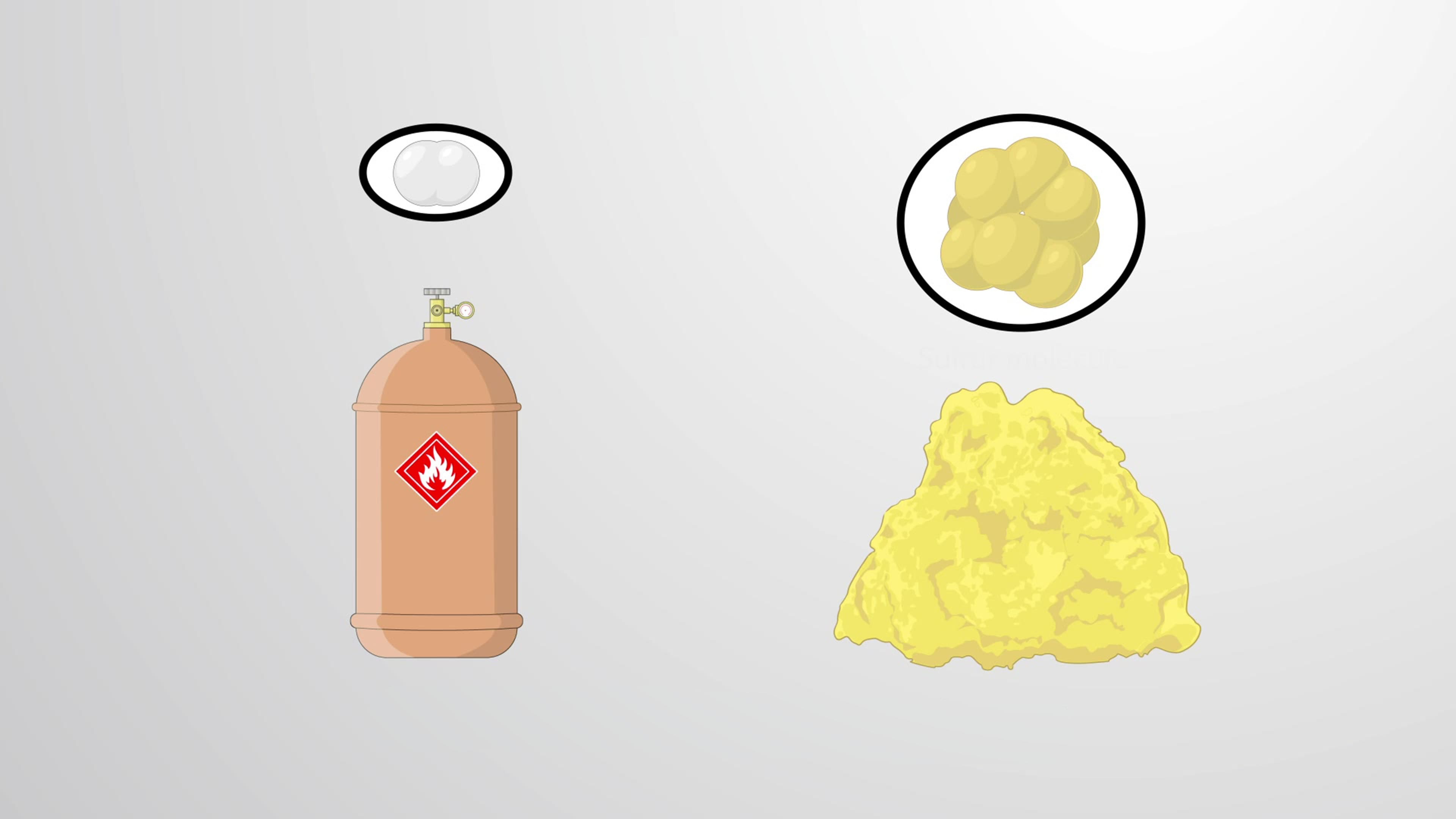
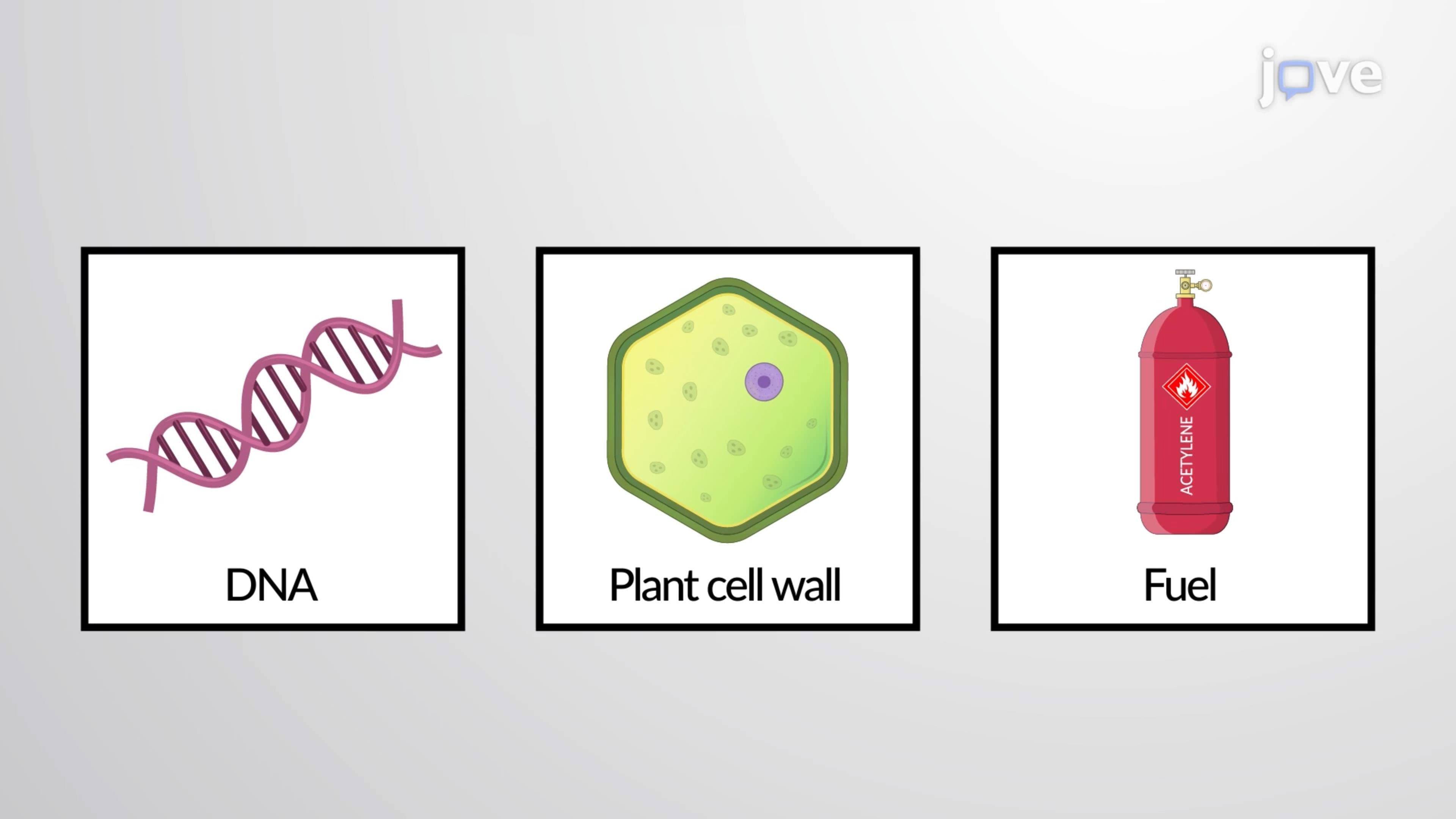
Ever wonder why gasoline powers your car while sugar energizes your body? Both contain organic compounds, carbon-based molecules that form the foundation of all living things and countless everyday materials. From the DNA in your cells to the plastic in your smartphone case, organic compounds surround us in ways most people never realize. These versatile molecules get their strength from carbon's unique ability to form four chemical bonds, creating everything from simple fuels to complex proteins. Watch the full video on JoVE Coach to master this concept with expert-led visuals and step-by-step explanations.
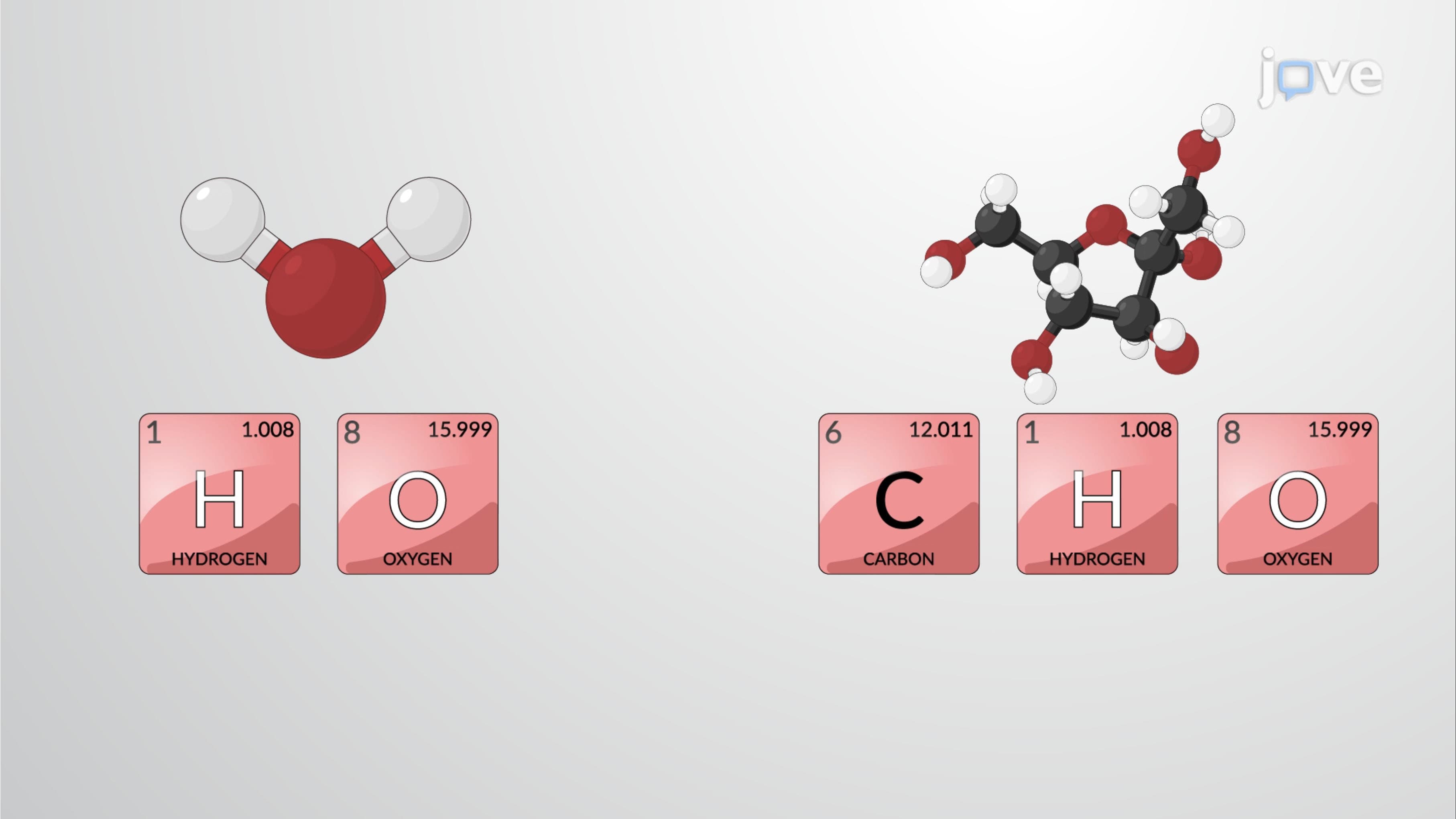
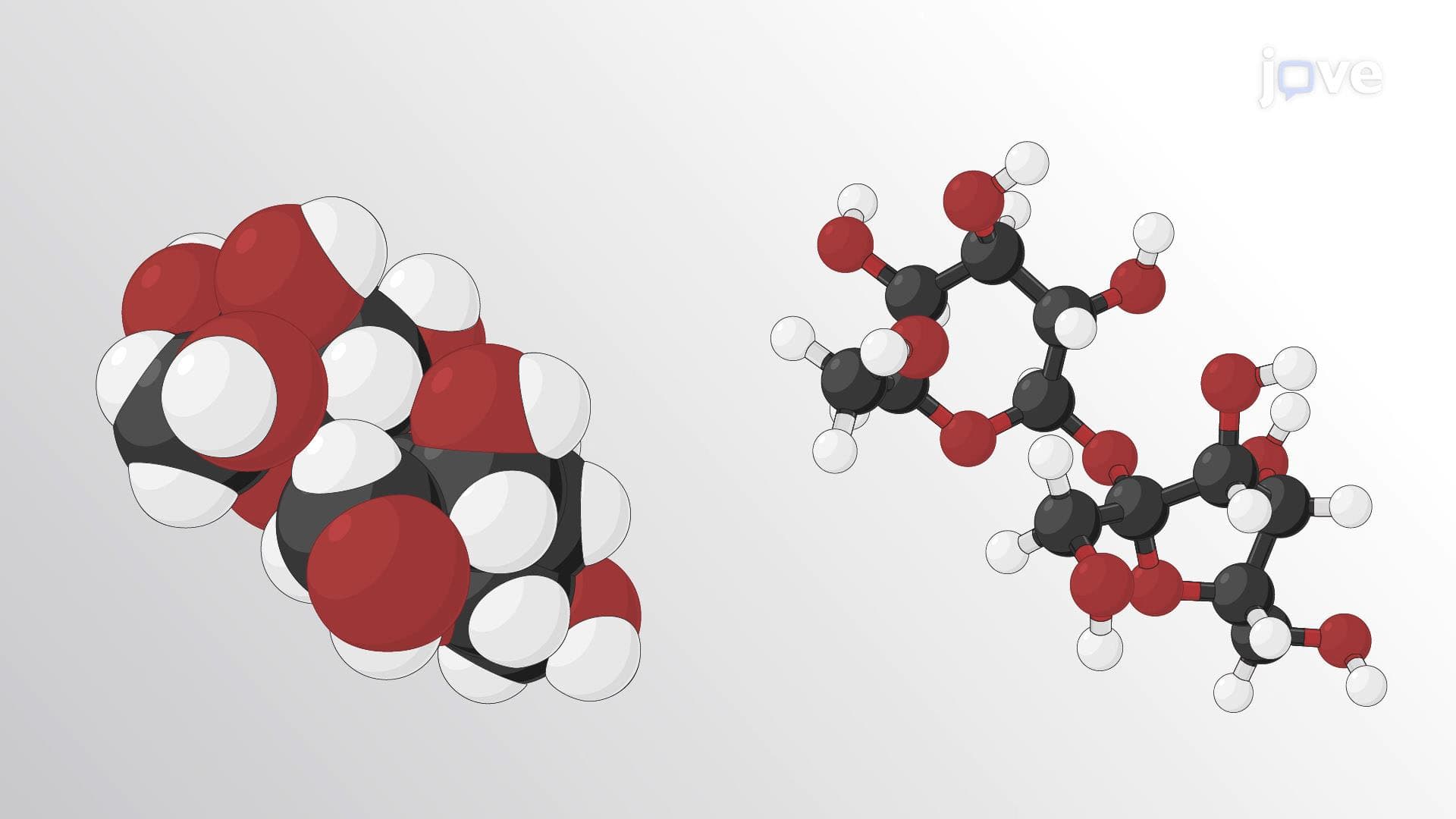
Organic compounds represent one of chemistry's most diverse and essential categories, defined as molecules containing carbon atoms bonded to other elements like hydrogen, oxygen, nitrogen, or sulfur. Unlike their inorganic counterparts, these carbon-based molecules form the structural foundation for all living organisms and countless synthetic materials that define modern life.
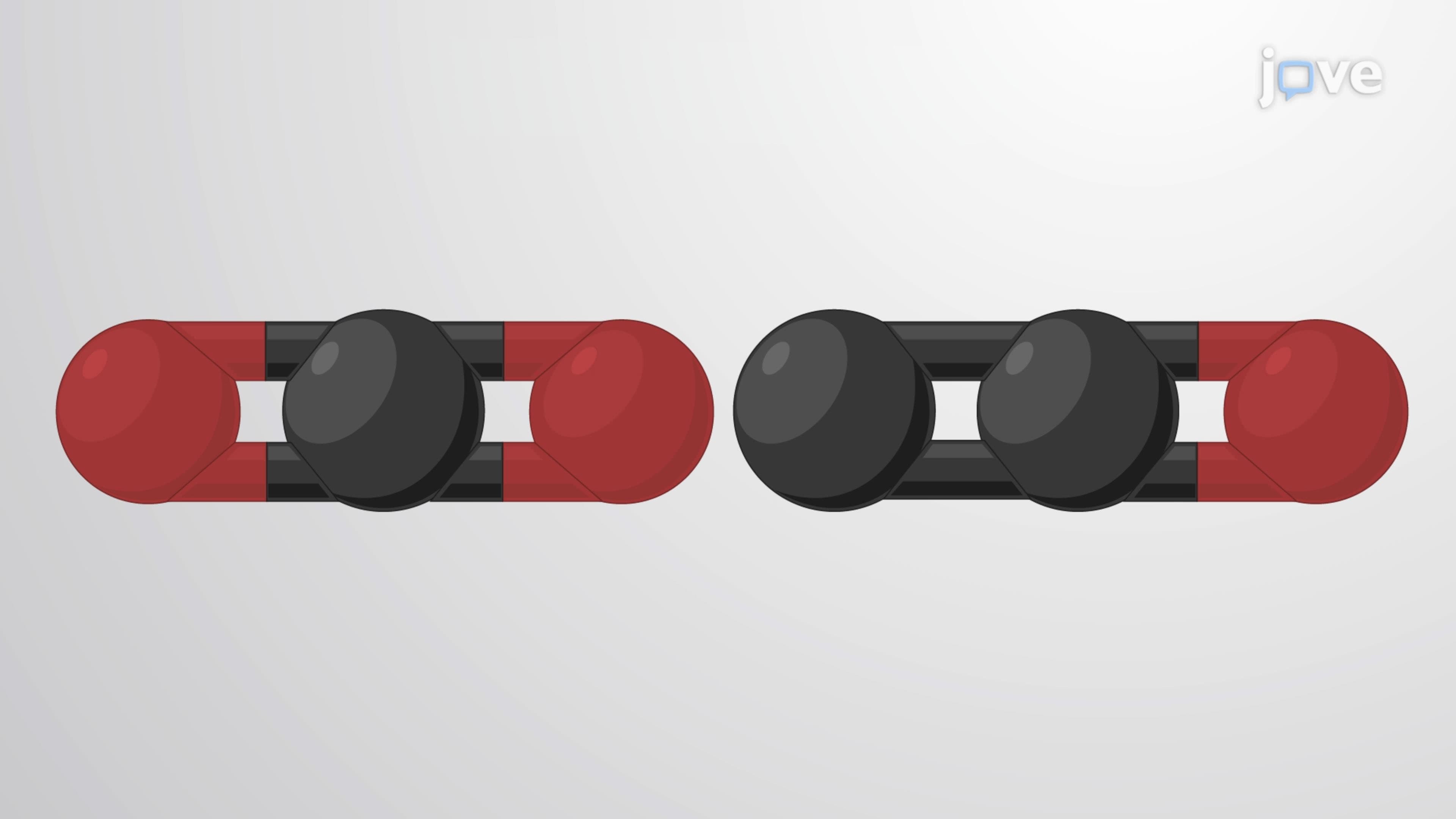
The key to organic compounds lies in carbon's unique bonding behavior. Each carbon atom can form four covalent bonds, allowing for incredible structural diversity through single, double, or triple bond arrangements. This versatility enables carbon atoms to link together in straight chains, branched networks, or ring structures, creating molecules ranging from simple two-carbon ethane to complex proteins containing thousands of atoms.
The world of types of organic compounds divides into two fundamental categories. Hydrocarbons contain only carbon and hydrogen atoms, serving as the simplest organic molecules. These include alkanes (single bonds only), alkenes (containing double bonds), and alkynes (featuring triple bonds). For example, methane (CH4) powers natural gas stoves across American homes, while octane (C8H18) provides the combustion energy in gasoline engines.
Functionalized hydrocarbons incorporate specific atom groups called functional groups that dramatically alter molecular properties. The hydroxyl group (-OH) creates alcohols like ethanol in hand sanitizers, while carboxyl groups (-COOH) form carboxylic acids like acetic acid in vinegar. These functional groups act like molecular "personalities," determining how compounds interact, react, and behave in different environments.
Organic compound nomenclature follows systematic rules essential for AP Chemistry and college-level coursework. The base name reflects carbon chain length (meth- for one carbon, eth- for two, prop- for three), while suffixes indicate bond types (-ane for single, -ene for double, -yne for triple bonds) or functional groups (-ol for alcohols, -oic acid for carboxylic acids).
Understanding these naming conventions proves crucial for MCAT preparation and advanced chemistry courses, where students must rapidly identify molecular structures from names alone. In pharmaceutical research at companies like Pfizer and Johnson & Johnson, systematic naming ensures precise communication about drug compounds containing dozens of carbon atoms and multiple functional groups.
Related Micro-courses