Loading subject page…


222,725 views

Video Summary: What are Metal Ligand Bonds
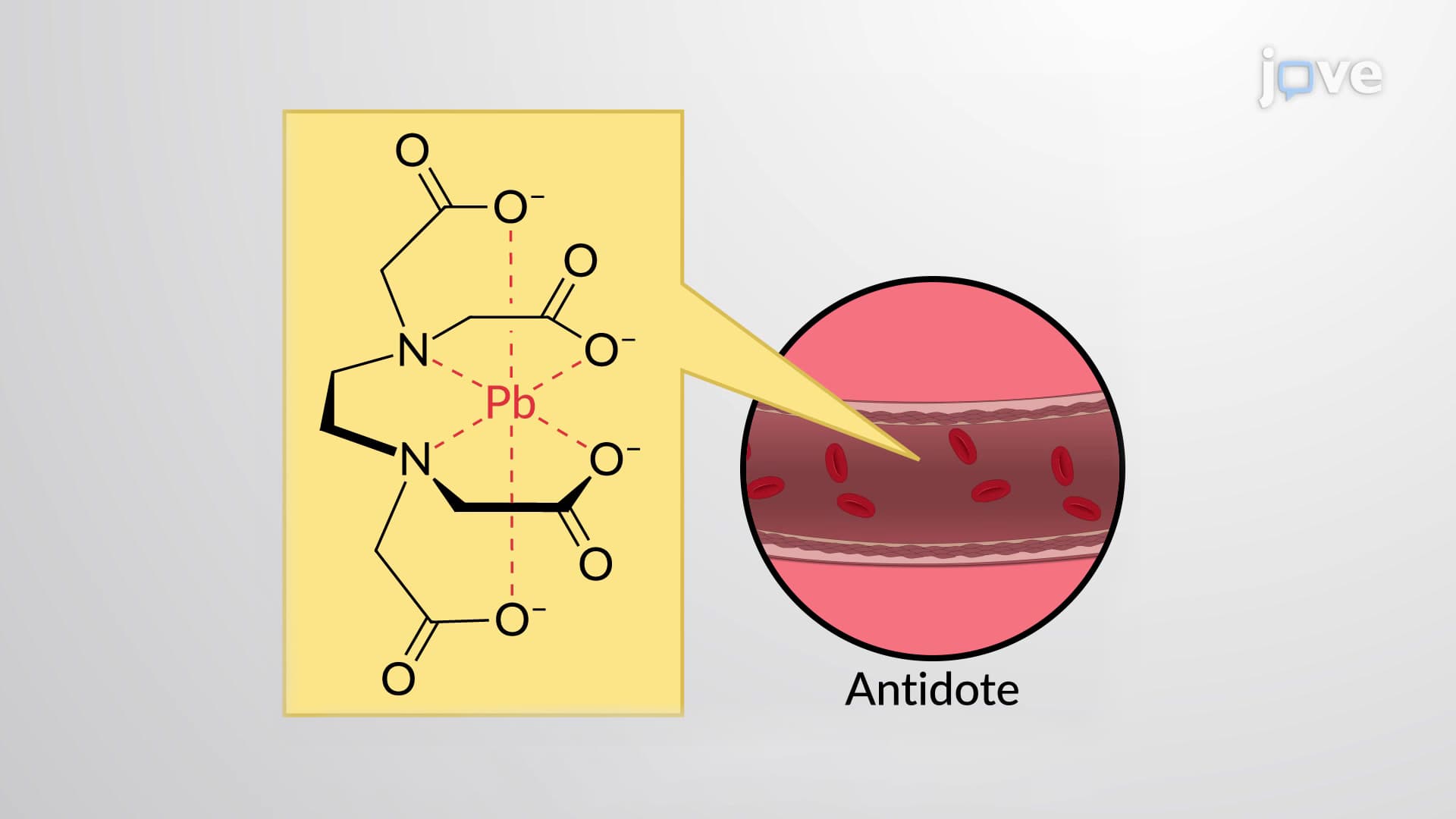
Ever wonder how chelation therapy removes lead from a poisoned patient's bloodstream? Metal ligand bonds are the chemical interactions that make this life-saving treatment possible at hospitals across the United States. These coordinate covalent bonds form when electron-rich molecules called ligands donate electron pairs to metal ions, creating stable complexes with applications ranging from medical treatments to food preservation. What are metal ligand bonds and why do they matter so much in chemistry and medicine? Watch the full video on JoVE Coach to master this concept with expert-led visuals and step-by-step explanations.
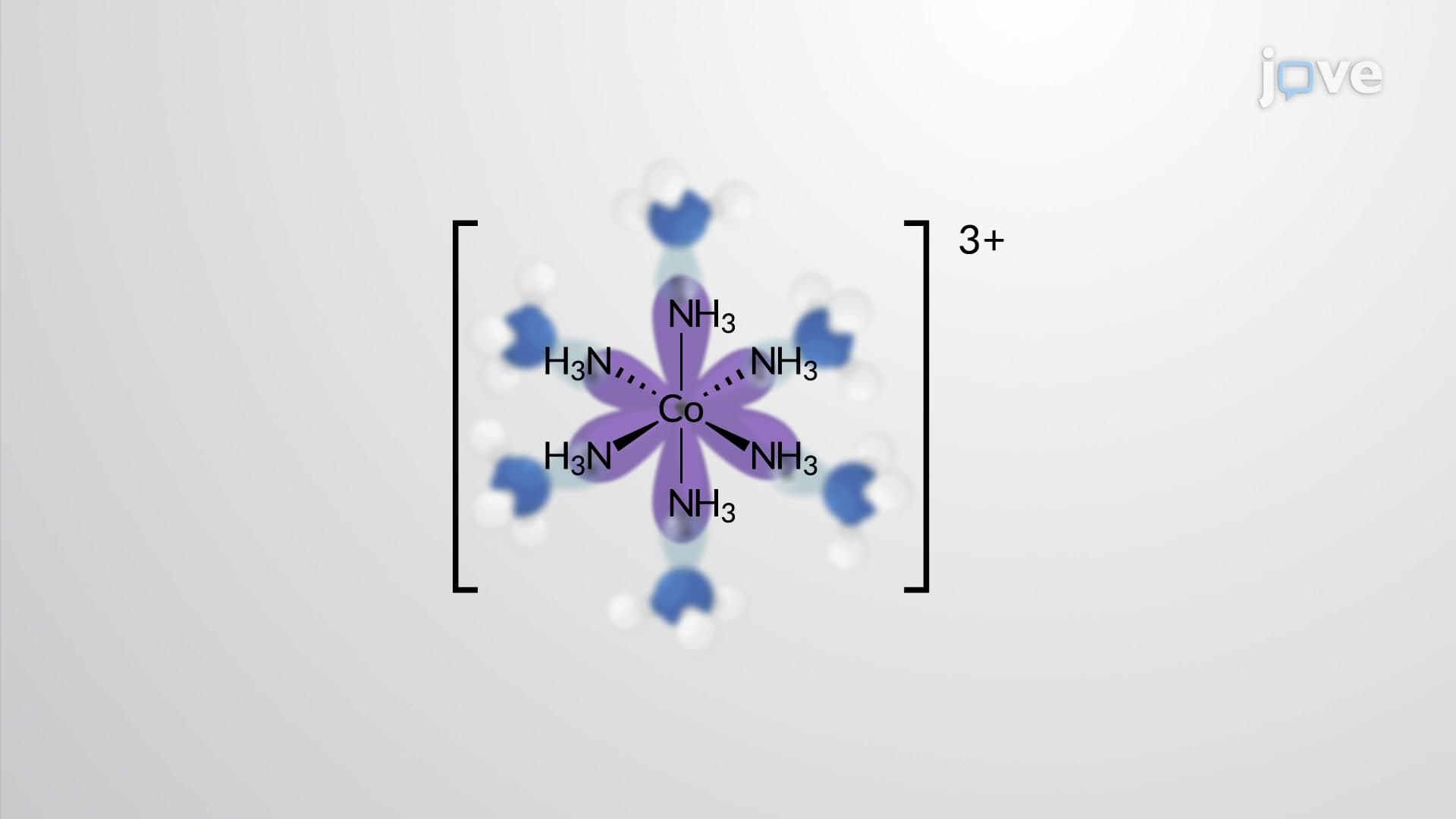
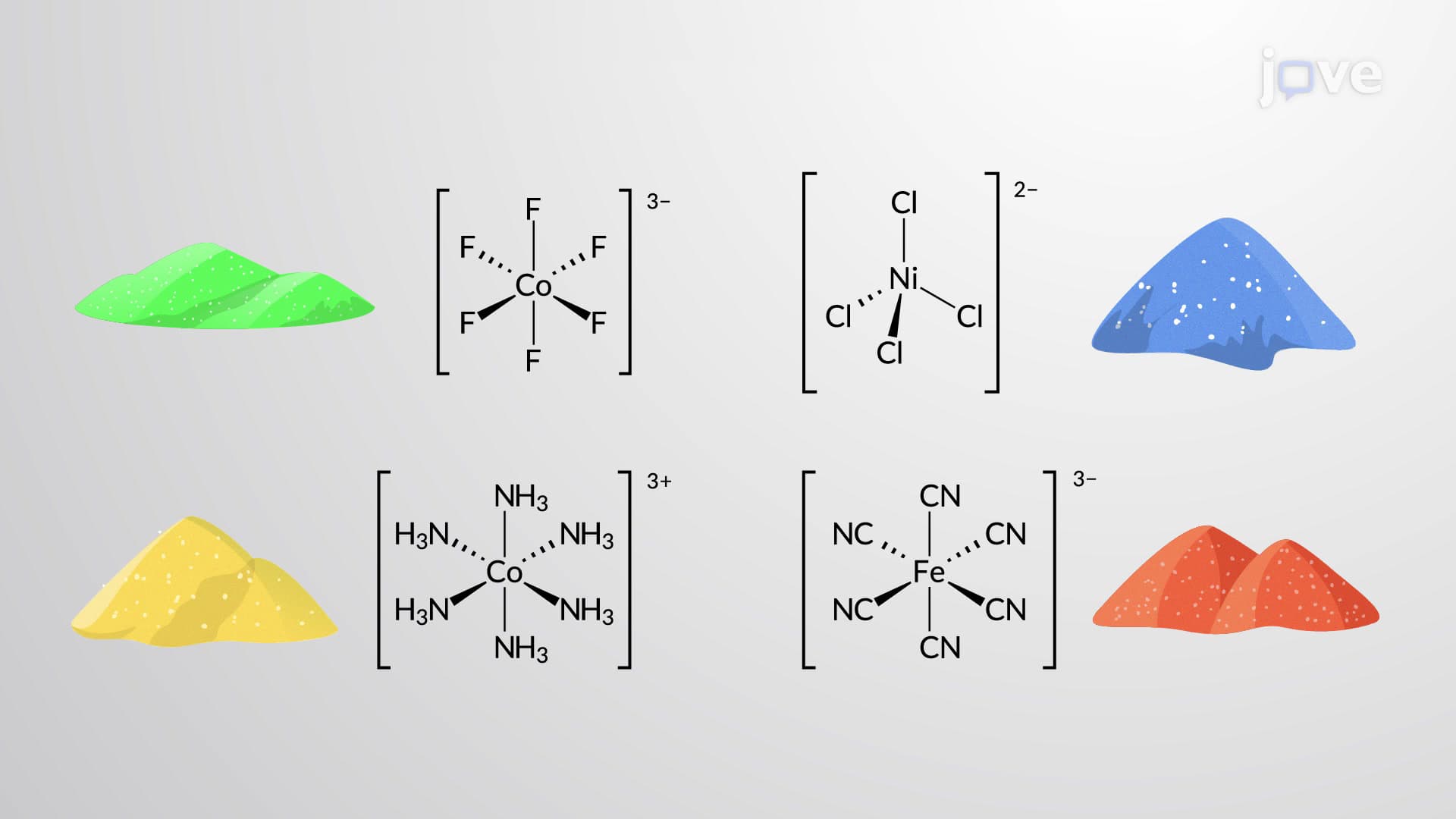
Metal ligand bonds represent one of chemistry's most elegant examples of Lewis acid-base interactions. These coordinate covalent bonds form when ligands-molecules or ions with lone pairs of electrons-donate their electron density to electron-deficient metal ions. Unlike typical covalent bonds where each atom contributes one electron, coordinate bonds involve one species (the ligand) providing both electrons to form the bond.
This concept appears frequently on AP Chemistry exams and college-level inorganic chemistry courses, where students must identify donor atoms and predict coordination geometries. The donor atom-typically nitrogen, oxygen, or sulfur-serves as the binding site, while the metal ion acts as the electron pair acceptor.
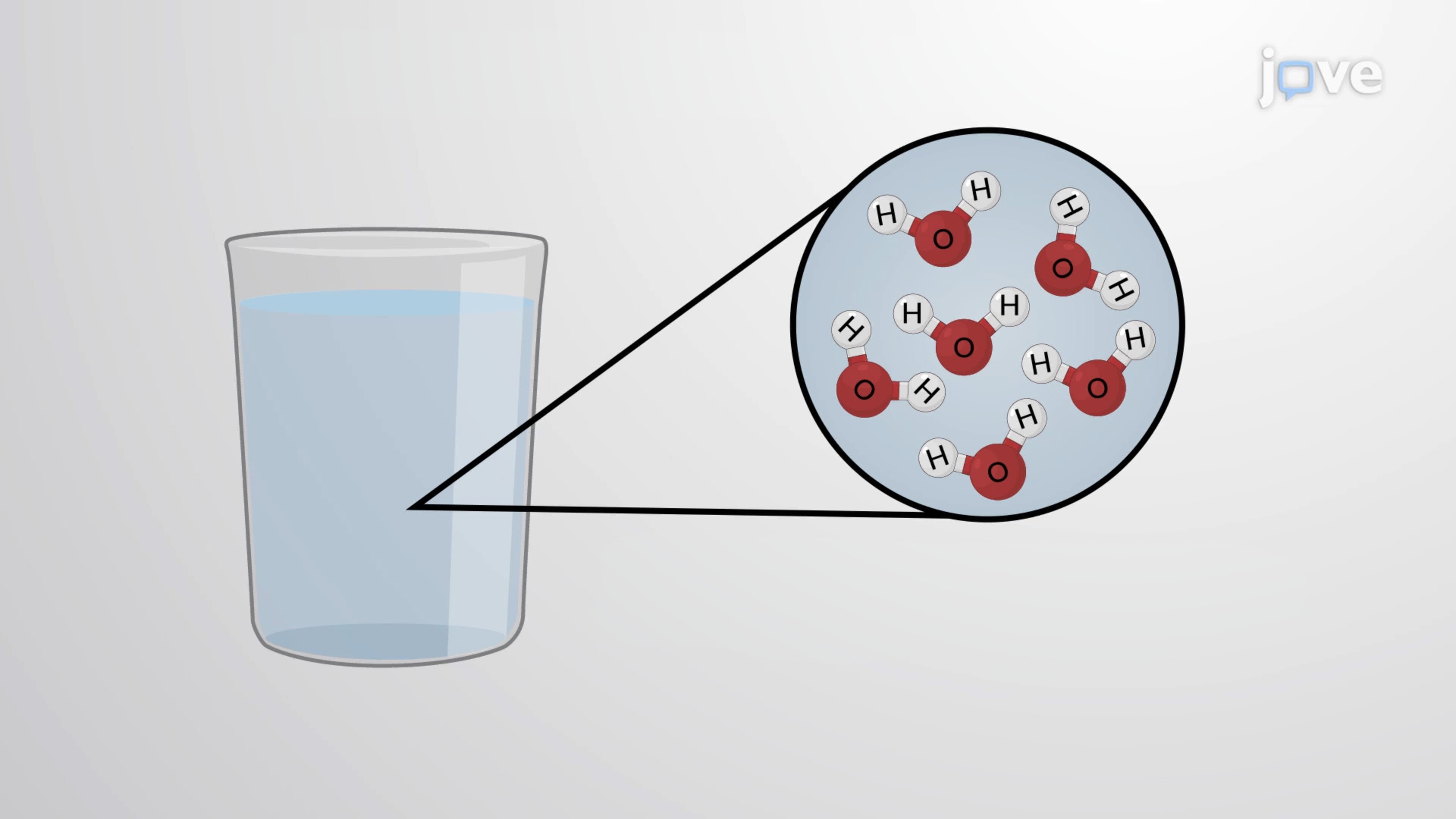
The types of metal ligand bonds are classified based on how many donor atoms each ligand possesses. Monodentate ligands contain a single donor atom and form one coordinate bond per ligand molecule. Common examples include water (H₂O), ammonia (NH₃), and chloride ions (Cl⁻). These appear regularly in college chemistry lab experiments involving copper and nickel complexes.
Bidentate ligands possess two donor atoms positioned to simultaneously bind to the same metal center. Ethylenediamine (en) serves as a classic example, with its two nitrogen atoms forming a five-membered chelate ring with metal ions. Polydentate ligands contain three or more donor sites, with EDTA (ethylenediaminetetraacetic acid) being the most famous hexadentate ligand used in analytical chemistry and medical applications.
The chelate effect explains why multidentate ligands form more stable complexes than their monodentate counterparts. This thermodynamic phenomenon occurs because chelation increases the entropy of the system-one polydentate ligand can replace multiple monodentate ligands, increasing the number of particles in solution.
This concept proves crucial for MCAT test-takers studying biochemistry, as many biological molecules like hemoglobin utilize chelation to bind metal ions. The stability provided by chelation enables precise control of metal ion availability in living systems.
Metal ligand bonds play vital roles in American healthcare and industry. Chelation therapy using EDTA treats heavy metal poisoning in emergency departments nationwide. Food manufacturers use chelating agents to preserve products by sequestering trace metals that catalyze spoilage reactions. Water treatment facilities employ metal-ligand chemistry to remove toxic metals from drinking water supplies.
Understanding these bonds also helps explain how contrast agents work in medical imaging-gadolinium-based MRI contrast agents rely on carefully designed ligands to safely deliver and eliminate the metal from patients' bodies.
Related Micro-courses