Loading subject page…


222,714 views
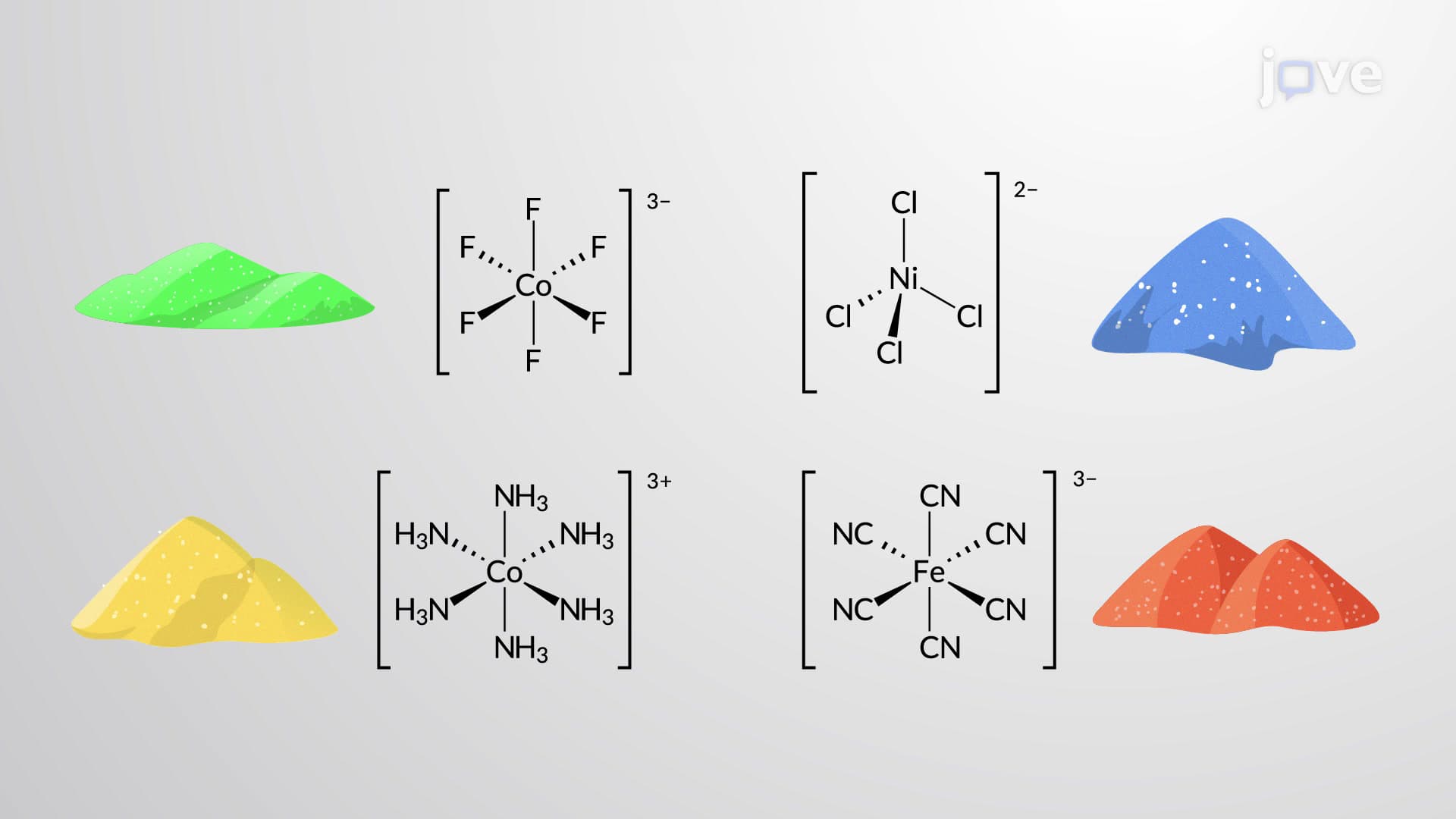

Video Summary: What Is Colors and Magnetism
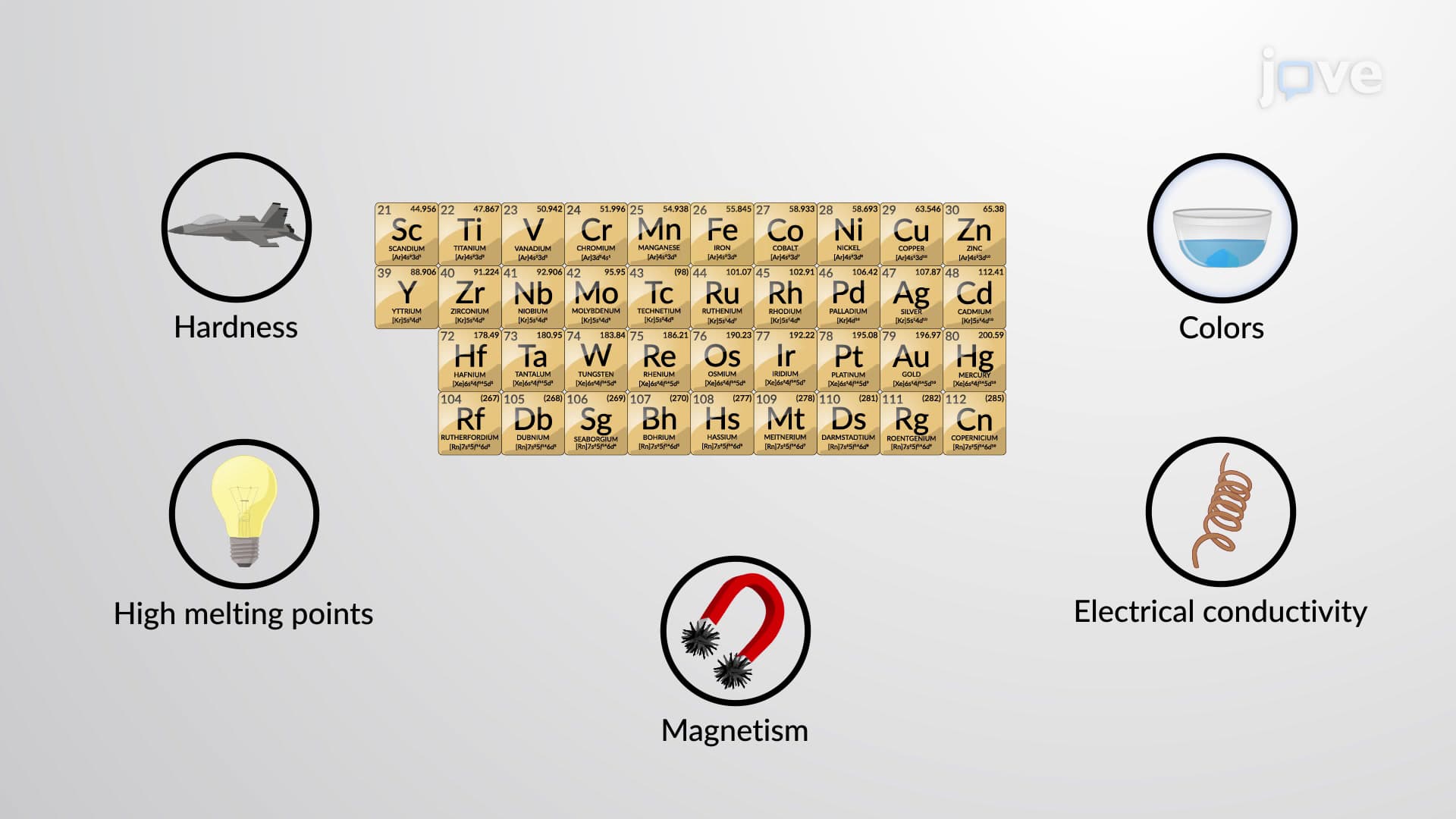
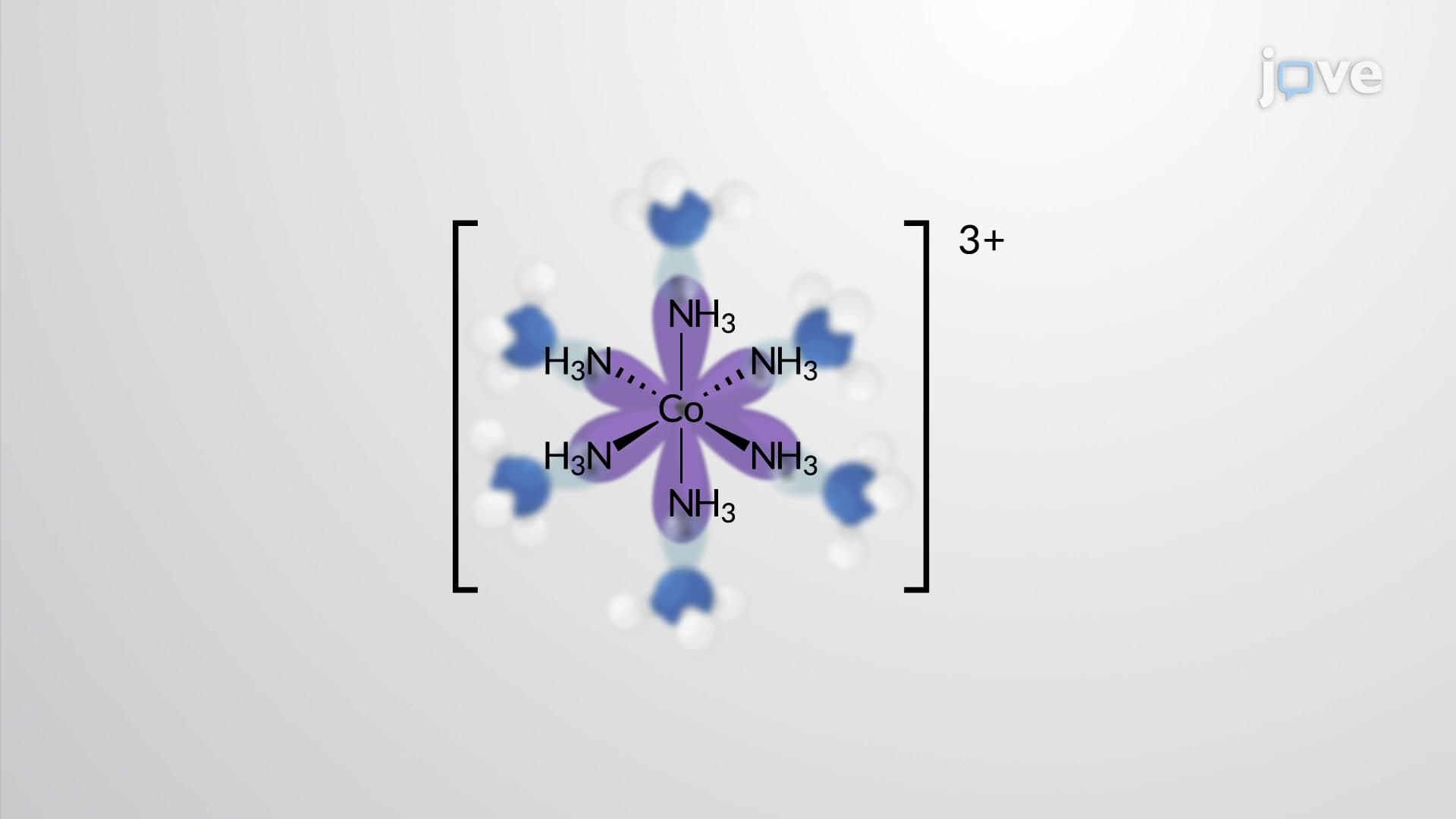
Ever wonder why some transition metal compounds appear bright green while others look yellow, and why magnets attract certain materials but repel others? Colors and magnetism in transition metal complexes arise from the same fundamental principle: electron behavior in crystal field environments. For instance, the cobalt compounds used in American industrial catalysts exhibit dramatically different colors and magnetic properties based on their ligand arrangements. Understanding What is Colors And Magnetism reveals how electron transitions create the vibrant hues we observe and determine whether materials are attracted to or repelled by magnetic fields. Watch the full video on JoVE Coach to master this concept with expert-led visuals and step-by-step explanations.
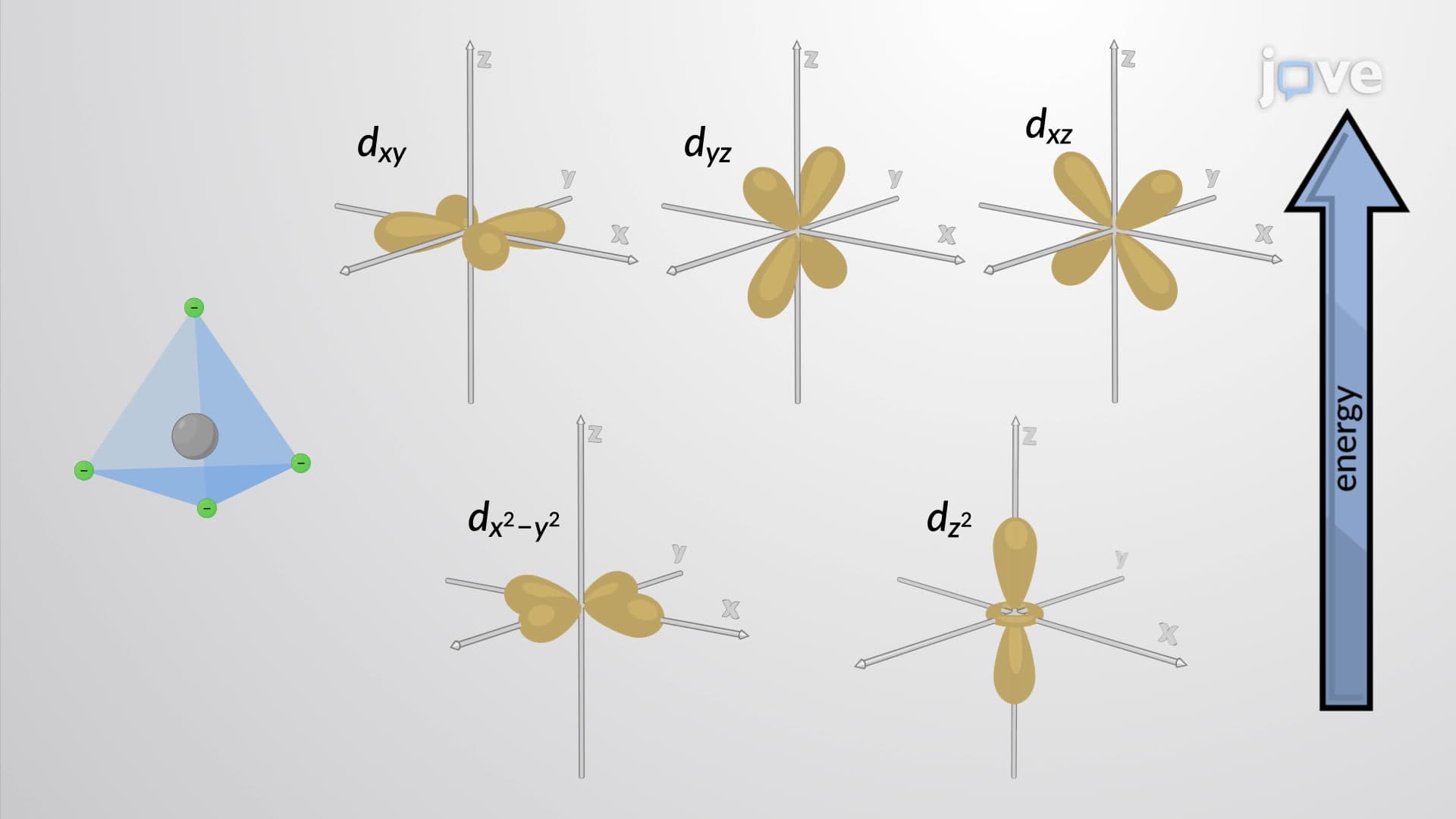
What is Colors and Magnetism represents one of the most elegant demonstrations of quantum mechanics in everyday materials. The phenomenon occurs when transition metal ions are surrounded by ligands, creating an electric field that splits the normally degenerate d-orbitals into different energy levels. This crystal field splitting energy (Δ) becomes the key parameter determining both the colors we observe and the magnetic behavior these compounds exhibit.
The vibrant colors and magnetism relationship begins with electronic transitions. When visible light encounters transition metal complexes, photons with energies matching the crystal field splitting are absorbed, promoting electrons from lower to higher d-orbitals. The remaining transmitted light creates the observed color. For example, hexafluorocobaltate(III) absorbs red light (approximately 700 nm) but transmits green wavelengths, appearing green to our eyes. This principle explains why copper sulfate solutions appear blue in American chemistry labs and why chromium compounds create the distinctive green color in emeralds.
The colors and magnetism concept extends beyond optics into magnetic behavior through electron spin arrangements. When crystal field splitting energy (Δ) is small compared to electron pairing energy, electrons occupy higher orbitals singly before pairing-creating high-spin complexes with multiple unpaired electrons. These compounds are paramagnetic, attracted to magnetic fields. Conversely, when Δ exceeds pairing energy, electrons fill lower orbitals completely before occupying higher ones, producing low-spin complexes that are diamagnetic and repelled by magnets.
Students encounter this colors and magnetism overview extensively in AP Chemistry courses and college inorganic chemistry classes. The principles appear regularly on MCAT exams, particularly in passages describing coordination chemistry and spectroscopy. Industrial applications include magnetic resonance imaging (MRI) contrast agents used in American hospitals, where gadolinium complexes exploit paramagnetic properties, and catalytic processes in petroleum refineries where transition metal colors indicate reaction progress and catalyst effectiveness.
Understanding colors and magnetism basics provides essential preparation for advanced studies in materials science, biochemistry, and chemical engineering, making it a cornerstone concept for students pursuing STEM careers in the United States.
Related Micro-courses