Loading subject page…


222,714 views


Video Summary: What Is Coordination Compounds and Nomenclature
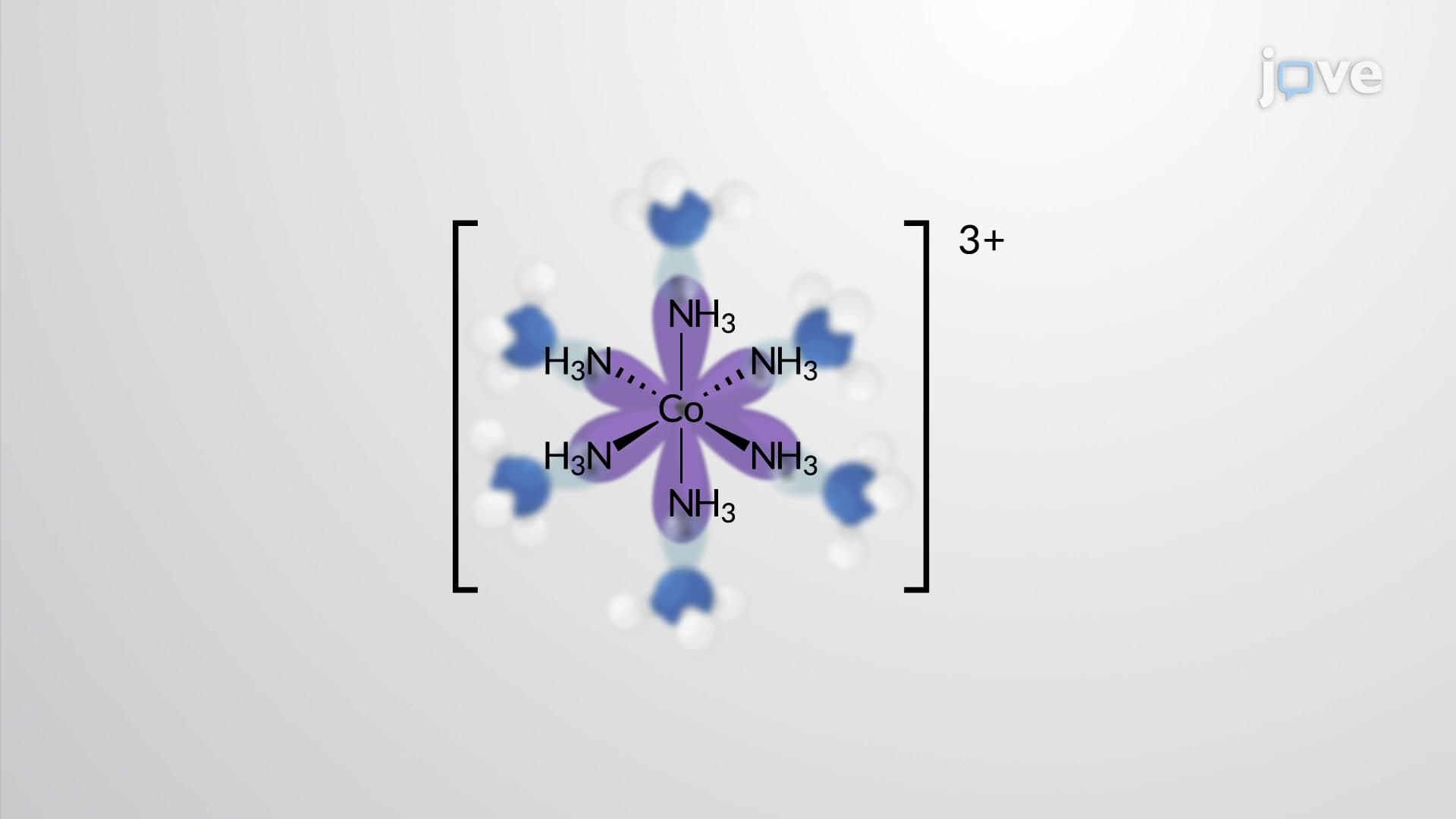
Ever wondered how hemoglobin carries oxygen through your bloodstream? The answer lies in coordination compounds and nomenclature, where iron atoms form complex structures with surrounding molecules. These fascinating chemical species consist of central metal ions bonded to ligands through coordinate covalent bonds, following Alfred Werner's groundbreaking theory from 1893. From the cobalt complexes used in vitamin B12 supplements sold in US pharmacies to the platinum compounds in chemotherapy drugs, coordination compounds play vital roles in medicine and industry. Watch the full video on JoVE Coach to master this concept with expert-led visuals and step-by-step explanations.
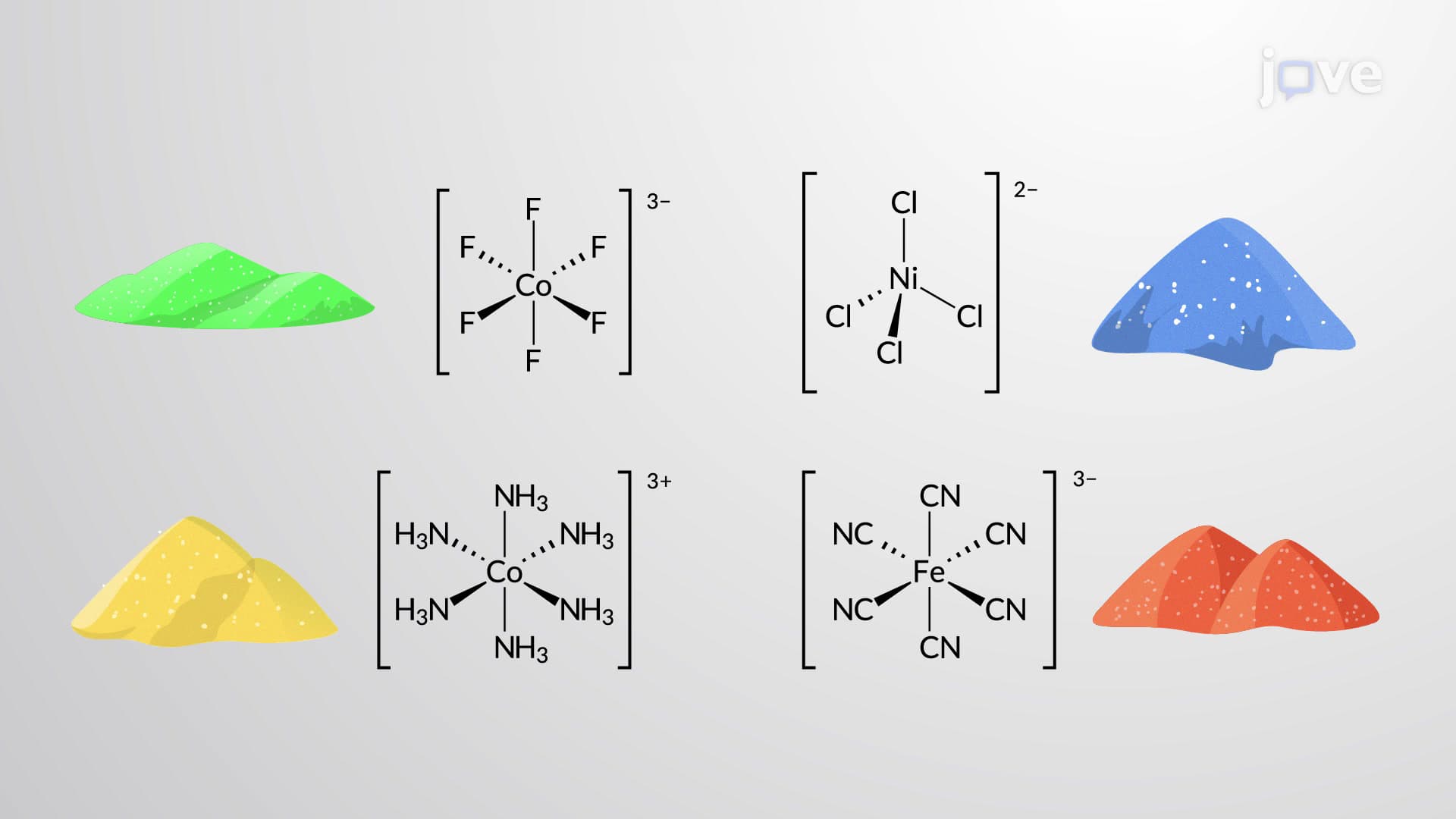
Coordination compounds and nomenclature represents one of the most elegant areas of inorganic chemistry, where metal ions form intricate structures with surrounding molecules or ions. These compounds consist of a coordination sphere containing a central metal atom or ion surrounded by ligands, often accompanied by counter ions to maintain electrical neutrality. The beauty of these structures lies in their versatility-from the iron-containing hemoglobin that transports oxygen in your blood to the platinum-based cisplatin used in cancer treatment at major US medical centers like Johns Hopkins and Mayo Clinic.
Alfred Werner's 1893 coordination theory revolutionized our understanding of chemical bonding by introducing the concept of coordinate covalent bonds. Werner distinguished between primary valence (the metal's oxidation state) and secondary valence (coordination number), explaining why cobalt-ammonia complexes could exist in multiple stable forms. This theory directly contradicted traditional valence concepts and earned Werner the 1913 Nobel Prize in Chemistry. For students preparing for AP Chemistry or college-level inorganic chemistry courses, understanding Werner's theory provides the foundation for predicting molecular geometries and explaining the stability of coordination compounds found in everyday products like vitamin supplements and catalytic converters.
The systematic naming of coordination compounds follows specific IUPAC rules that students encounter on standardized exams like the MCAT and AP Chemistry. The process begins with listing ligands alphabetically, using specific naming conventions: anionic ligands receive an -o suffix (chloro for Cl-, cyano for CN-), while neutral ligands typically retain their molecular names with notable exceptions like aqua (H2O) and ammine (NH3). Greek prefixes (di-, tri-, tetra-) indicate ligand quantities, with alternate prefixes (bis-, tris-, tetrakis-) used when the ligand name already contains a prefix. The metal name follows, accompanied by its oxidation state in Roman numerals, with anionic complexes receiving an -ate suffix.
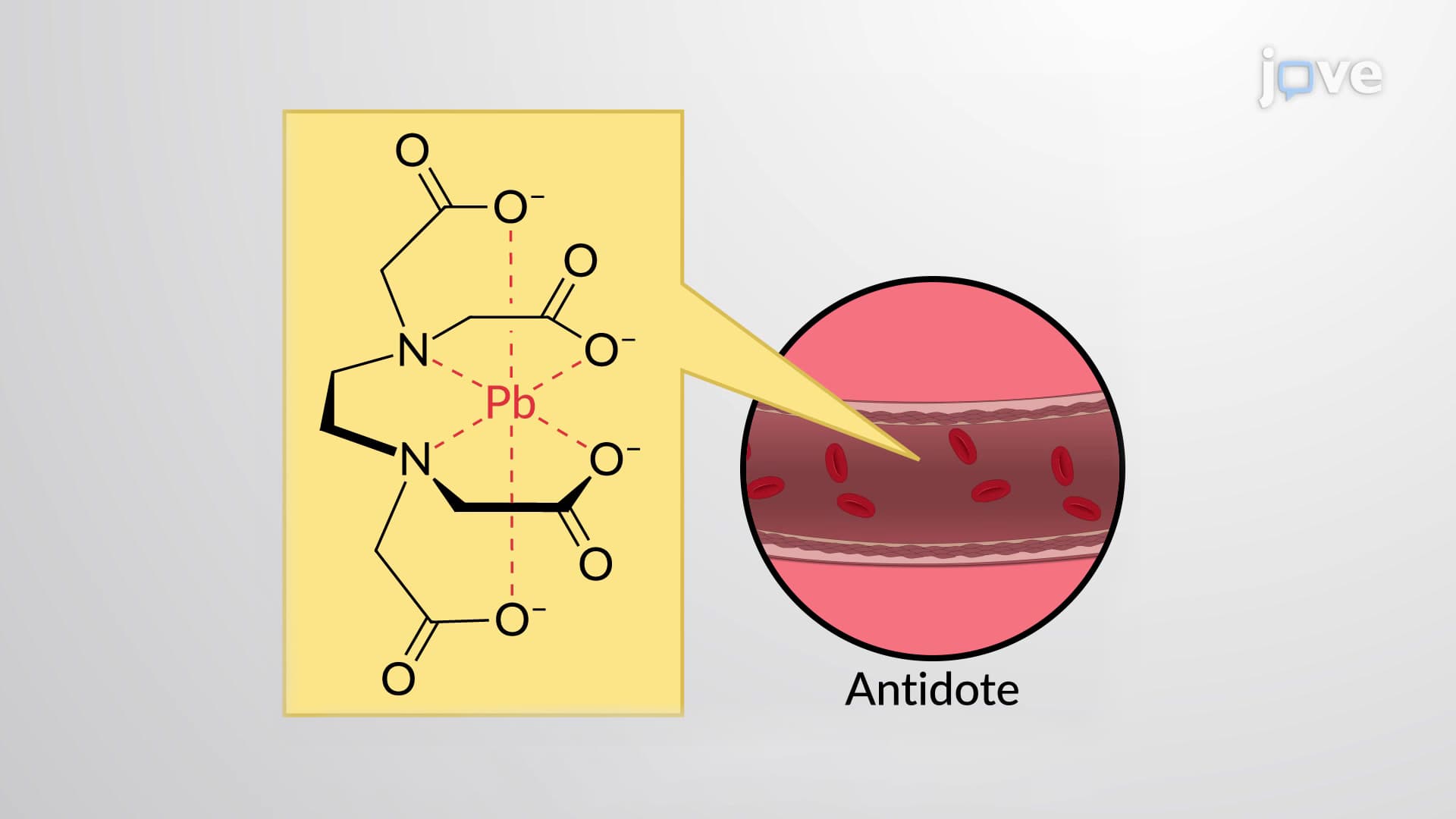
Coordination compounds appear extensively in pharmaceutical applications throughout the US healthcare system. For instance, the chemotherapy drug carboplatin used at cancer treatment centers nationwide exemplifies how coordination chemistry saves lives. Students studying for pre-med requirements or nursing entrance exams like the HESI A2 and TEAS will encounter these compounds in biochemistry contexts, particularly when studying metalloenzymes and drug mechanisms. Understanding coordination compound nomenclature proves essential for interpreting drug names and mechanisms, making this topic relevant for future healthcare professionals and researchers in the American medical system.
Related Micro-courses